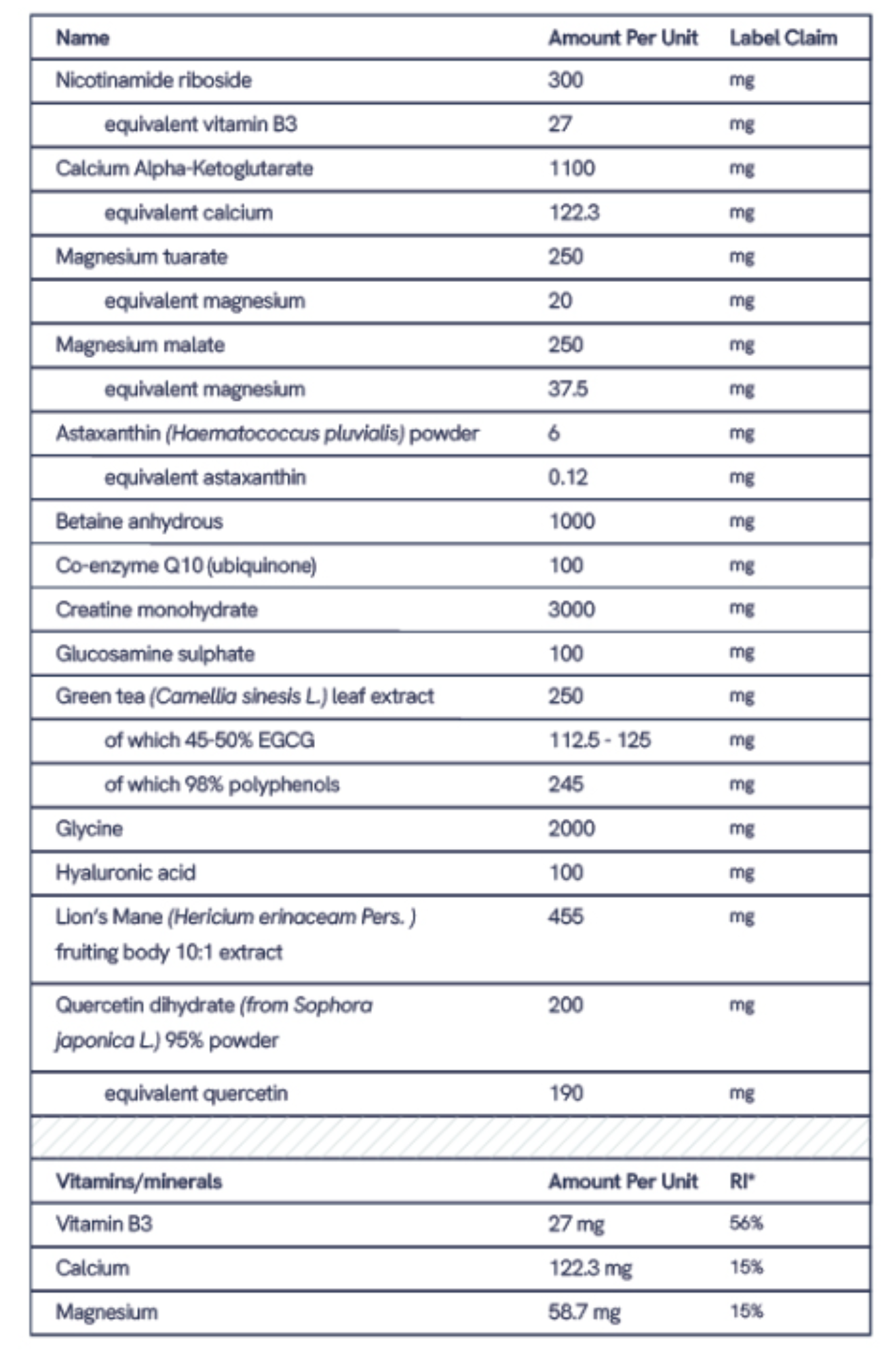
Chronic low-grade inflammation is a recognised hallmark of the ageing process, often called "inflammaging." Nutrients studied in relation to this phenomenon include omega-3 fatty acids (EPA and DHA), polyphenols such as curcumin and quercetin, and antioxidant micronutrients. Per EFSA-approved claims, vitamin C, zinc, and selenium contribute to the protection of cells from oxidative stress, a process closely linked to inflammatory signalling.
Key Takeaways
- Inflammaging refers to the chronic, low-grade, sterile inflammation associated with ageing. It is now recognised as a major risk factor for age-related functional decline.1
- Unlike acute inflammation, which is short-term and protective, inflammaging is persistent, low-intensity, and systemic -- and it does not resolve on its own.2
- Omega-3 fatty acids (EPA and DHA) have the strongest and most consistent human evidence among nutritional anti-inflammatory approaches; an umbrella meta-analysis of 32 meta-analyses found significant reductions in CRP, TNF-alpha, and IL-6 with supplementation.4
- Curcumin, the active polyphenol in turmeric, has been studied across numerous RCTs and meta-analyses. Evidence from a large review of 54 meta-analyses found that curcumin is associated with reductions in CRP, IL-6, and TNF-alpha in a majority of trials, although results vary by formulation and population.5
- Quercetin, a flavonoid found in onions, apples, and capers, has shown mixed but promising results on CRP in human meta-analyses, with subgroup effects particularly in individuals with higher baseline inflammation.6
- Vitamin C, zinc, and selenium contribute to the protection of cells from oxidative stress (EFSA-approved claims). Oxidative stress and chronic inflammation are closely linked in the ageing process.
- No supplement can prevent or treat inflammation as a medical condition. These nutrients have been studied for their roles in supporting normal cellular function and antioxidant balance, not as therapies for named conditions.
What Is Inflammaging and Why Does It Matter for Longevity?
In 2000, immunologist Claudio Franceschi introduced the term "inflammaging" to describe a chronic, low-grade, sterile systemic inflammatory state that accumulates over the course of a lifetime and accelerates with age.1 Unlike the acute inflammation that follows an injury or infection -- which is purposeful, self-limiting, and resolves -- inflammaging is persistent, low-intensity, and produces no acute symptoms. It is essentially a background signal of biological stress that the immune system struggles to fully neutralise.
Subsequent research has reinforced the significance of this phenomenon. A review published in Ageing Research Reviews characterised inflammaging as a multifactorial adaptive process involving immunosenescence (age-related changes in immune function), cellular senescence and its associated secretory phenotype (SASP), changes in the gut microbiome, and the accumulation of molecular damage over decades.2 The immune system, confronted with a lifetime of antigenic exposure, infections, and internal damage signals, shifts into a low-level state of chronic activation that never fully switches off.
Importantly, the goal in the context of longevity research is not to eliminate inflammation entirely. Acute inflammation is an essential protective mechanism. The objective is to understand whether the chronic, low-grade variety that builds over time can be modulated through lifestyle and nutritional approaches. Markers typically used to assess inflammaging in human research include high-sensitivity C-reactive protein (hs-CRP), interleukin-6 (IL-6), and tumour necrosis factor-alpha (TNF-alpha). These circulating proteins reflect background inflammatory activity across multiple tissues and organ systems.3
For a deeper exploration of the chronic inflammation hallmark of ageing, see our dedicated blog post on this topic. The current article focuses specifically on the nutritional and supplemental side of the picture: what human research shows about specific nutrients studied for their potential roles in anti-inflammatory balance.
Omega-3 Fatty Acids: The Strongest Nutritional Anti-Inflammatory Evidence
Among nutritional compounds studied for anti-inflammatory effects, omega-3 fatty acids -- specifically eicosapentaenoic acid (EPA) and docosahexaenoic acid, or DHA -- have accumulated the largest and most consistent body of human evidence. Both are long-chain polyunsaturated fatty acids found primarily in oily fish and marine algae.
Mechanistically, EPA and DHA modulate inflammatory signalling through multiple routes. When incorporated into cell membrane phospholipids, they compete with arachidonic acid (an omega-6 fatty acid) for access to enzymes involved in eicosanoid production. This competition reduces the synthesis of pro-inflammatory prostaglandins and leukotrienes. EPA and DHA are also precursors to a family of specialised pro-resolving lipid mediators known as resolvins and protectins. These molecules are not simply anti-inflammatory in the sense of blocking signals; they are actively involved in resolving inflammation and restoring tissue homeostasis after an inflammatory response.
In terms of human evidence, an umbrella meta-analysis published in 2022 pooled data from 32 previously published meta-analyses, covering a total of 148 trials on CRP, 86 on IL-6, and 73 on TNF-alpha. The analysis found that omega-3 PUFA supplementation significantly reduced all three inflammatory biomarkers: CRP by an effect size of -0.40 (p less than 0.001), TNF-alpha by -0.23 (p = 0.002), and IL-6 by -0.22 (p = 0.010).4 The analysis covered a range of health conditions including metabolic, cardiovascular, and inflammatory states, and found that the combination of EPA and DHA produced more favourable effects than either fatty acid alone.
It is worth noting that individual trials in healthy populations have shown more variable results. Reductions in inflammatory markers tend to be more pronounced in individuals with elevated baseline inflammation. For healthy adults with already low CRP, the magnitude of measurable change may be smaller, and some trials report no significant effect. This pattern is relevant when interpreting claims made for longevity supplements containing EPA and DHA: the background level of inflammation in the individual matters considerably.
Studied doses in human RCTs have generally ranged from 1,000 mg to 4,000 mg combined EPA and DHA per day, with most meaningful anti-inflammatory effects observed at the higher end of this range. For more detail on omega-3 supplementation, see our dedicated omega-3 article.
Polyphenols and Curcumin: Plant Compounds with Anti-Inflammatory Research Backing
Plant-derived polyphenols represent a broad category of compounds that have attracted significant scientific interest for their potential roles in modulating inflammatory pathways. Among them, curcumin (the primary bioactive compound in turmeric) and quercetin (a flavonoid found in onions, apples, capers, and buckwheat) have the most substantial human trial literature. EGCG (epigallocatechin-3-gallate), the primary catechin in green tea, is also widely studied, though human data on inflammatory biomarkers are more mixed.
Curcumin
Curcumin has been studied extensively for its capacity to modulate NF-kB (nuclear factor kappa B), a key transcription factor that governs the expression of numerous pro-inflammatory genes. By modulating NF-kB activity, curcumin has the potential to influence the production of IL-6, TNF-alpha, and other cytokines. However, curcumin as a native compound has extremely poor bioavailability: it is poorly absorbed from the gastrointestinal tract, rapidly metabolised, and quickly eliminated. This has led to significant research interest in enhanced formulations, including phospholipid complexes, nanoparticle delivery systems, and piperine (black pepper extract) combinations, each of which has been shown to improve circulating curcumin levels in human pharmacokinetic studies.
The human clinical evidence for curcumin on inflammatory markers is substantial but not uniform. A 2023 systematic review and meta-analysis evaluated the effects of turmeric and curcumin on CRP, TNF-alpha, IL-6, and markers of oxidative stress across 50 RCTs. The analysis found significant reductions in CRP, TNF-alpha, and IL-6 following curcumin supplementation, with effect sizes larger in populations with pre-existing elevated inflammation and in trials using enhanced bioavailability formulations.5
A broader review of 54 curcumin meta-analyses found that across the majority of analyses (7 of 10 for CRP, 5 of 8 for IL-6, 6 of 9 for TNF-alpha), curcumin supplementation was associated with reductions in these inflammatory markers.5 Importantly, the authors noted that the strength of evidence varied considerably across outcomes, dosing regimens, and formulation types. Doses used in human trials have ranged from 40 mg to 6,000 mg per day of curcumin (or 150 to 1,500 mg per day of curcuminoids), with the majority of positive trials using enhanced bioavailability forms.
A key caveat is that most curcumin trials have been conducted in populations with specific health conditions (metabolic syndrome, osteoarthritis, inflammatory bowel conditions, and others) rather than in healthy adults. Extrapolating these findings to a healthy ageing population requires caution. For a detailed exploration of polyphenols and curcumin more broadly, see our polyphenols article.
Quercetin
Quercetin is a flavonoid polyphenol with widespread presence in the human diet. It has been studied for anti-inflammatory effects through mechanisms that include inhibition of NF-kB, modulation of MAPK (mitogen-activated protein kinase) pathways, and antioxidant activity.
A meta-analysis of seven RCTs found that quercetin supplementation was associated with a significant reduction in circulating CRP levels (weighted mean difference: -0.33 mg/L; 95% CI: -0.50 to -0.15; p less than 0.001).6 However, a separate meta-analysis of six RCTs found no relevant overall effect on CRP, IL-6, or TNF-alpha across the full population, though subgroup analysis did identify significant reductions in CRP among participants with diagnosed conditions, and in IL-6 among females and those receiving higher doses.7
The picture that emerges from quercetin research is similar to that of curcumin: effects are most evident in individuals with elevated inflammatory baseline, and heterogeneity across trials is high. Individual variability in gut microbiome composition may play a significant role, as quercetin is substantially metabolised by intestinal bacteria and its bioavailability is highly variable between people.
EGCG (Green Tea Catechins)
EGCG, the dominant catechin in green tea, has been extensively studied in cell culture and animal models for its capacity to inhibit NF-kB and other inflammatory mediators. Human trial data on EGCG and inflammatory biomarkers is, however, less consistent. Multiple meta-analyses of green tea supplementation trials have found no significant reduction in CRP across the full study populations, though some analyses report reductions in TNF-alpha in specific subgroups. EGCG is generally considered to have a favourable safety profile at typical supplemental doses, and it plays a role in the polyphenol family alongside curcumin and quercetin as a compound of active investigation for longevity-related research.
Antioxidant Nutrients and the Oxidative Stress-Inflammation Link
Oxidative stress and chronic inflammation are not independent processes. They exist in a mutually reinforcing cycle: excess reactive oxygen species (ROS) can activate NF-kB and other inflammatory transcription factors, and inflammatory signalling itself generates further oxidative stress through the activation of immune cells. This cycle is a recognised contributor to the biological changes associated with inflammaging.3
Certain micronutrients have EFSA-approved claims that are directly relevant to this context:
Vitamin C contributes to the protection of cells from oxidative stress (EFSA-approved). Vitamin C is a water-soluble antioxidant that functions in the aqueous compartments of cells and plasma. It can directly scavenge reactive oxygen species and plays a role in regenerating other antioxidants, including vitamin E. Vitamin C also contributes to normal collagen formation and is involved in normal immune function (EFSA-approved).
Zinc contributes to the protection of cells from oxidative stress (EFSA-approved). Zinc is an essential trace mineral that serves as a structural component of superoxide dismutase (SOD), one of the body's primary antioxidant enzyme systems. Zinc also contributes to normal immune function, normal cognitive function, and normal DNA synthesis (EFSA-approved). Adequate zinc status is associated with maintained immune competence in older adults.
Selenium contributes to the protection of cells from oxidative stress (EFSA-approved). Selenium is a component of selenoproteins, including glutathione peroxidases -- a family of antioxidant enzymes that neutralise peroxides within cells. Selenium also contributes to normal immune function and to normal thyroid function (EFSA-approved). Selenium status varies considerably across populations depending on soil content, making geographic factors relevant for assessment.
It is important to be precise about what these EFSA-approved claims mean and do not mean. They describe approved functions of these nutrients within the normal range of dietary and supplemental intake. They do not imply that supplementation with these micronutrients will reduce clinical inflammation, prevent inflammatory conditions, or modulate the inflammaging process in a therapeutically meaningful way. What they do tell us is that vitamin C, zinc, and selenium are recognised contributors to the cellular antioxidant systems that operate within the broader oxidative stress-inflammation cycle.
Longevity Complete, The Longevity Store's comprehensive formula, includes vitamin C, zinc, and selenium at levels that support these EFSA-approved antioxidant protection functions. It is formulated with third-party tested ingredients, with Certificates of Analysis (COA) available through Eurofins laboratory testing, and holds NZVT doping-free certification.
Practical Considerations: What Human Evidence Actually Tells Us
Taken together, the human research on nutritional approaches to inflammaging tells a nuanced story. Omega-3 fatty acids (EPA and DHA) have the strongest, most consistent evidence base across the largest number of trials and populations. The direction of effect on CRP, IL-6, and TNF-alpha is consistently towards reduction in individuals with elevated baseline inflammation, and the evidence is robust enough to form a reasonable basis for supplementation consideration.4
Curcumin and quercetin have substantial but more heterogeneous evidence. A majority of meta-analyses show directional effects on inflammatory biomarkers, but results vary significantly based on formulation (particularly bioavailability), dosage, duration, and the health status of the population studied.5,6 In generally healthy adults with low baseline inflammation, effects on measurable biomarkers may be modest. Long-term outcomes data in healthy ageing populations is not yet available.
Micronutrients such as vitamin C, zinc, and selenium contribute to cellular antioxidant protection per EFSA-approved claims. These are foundational nutritional roles, not add-on benefits. Maintaining adequate status of these micronutrients is a basic component of nutritional support for cellular health.
Dietary patterns also play a significant role and deserve mention. The Mediterranean diet, with its high content of olive oil (polyphenols), fish (omega-3s), vegetables (quercetin and other flavonoids), and legumes, has been the subject of considerable research for its relationship with inflammatory markers and long-term health outcomes in observational studies. While this article focuses on individual supplements, diet as a whole is an important context.
Q&A: Anti-Inflammatory Nutrients and Longevity
What is inflammaging?
Inflammaging is a term describing the chronic, low-grade, sterile systemic inflammation that accumulates with age. Unlike acute inflammation, which is protective and self-resolving, inflammaging is persistent and operates at a low level across multiple tissues. It is considered a recognised feature of the ageing process and has been associated with a range of age-related functional changes.1
How do longevity supplements help with inflammation?
Supplements do not treat inflammation as a medical condition. However, several nutritional compounds have been studied for their roles in supporting normal inflammatory balance. Omega-3s (EPA and DHA) have the strongest evidence, with an umbrella meta-analysis showing significant reductions in CRP and IL-6 with supplementation.4 Polyphenols such as curcumin and quercetin have also been studied, with variable but frequently directional effects in human trials.5
What is the best longevity support for inflammation relief?
No supplement provides "inflammation relief" as a clinical outcome. Among nutritional approaches studied in humans, omega-3 fatty acids (EPA and DHA) show the most consistent evidence for supporting normal inflammatory biomarker levels.4 A well-rounded diet rich in oily fish, vegetables, and plant polyphenols, alongside targeted supplementation where dietary gaps exist, represents a sensible and evidence-informed approach to nutritional support for healthy ageing.
What are the top longevity shots or blends for inflammation?
Longevity supplement blends that combine omega-3s, curcumin (in an enhanced bioavailability form), quercetin, and antioxidant micronutrients such as vitamin C, zinc, and selenium reflect ingredients that have each been studied for roles in supporting anti-inflammatory balance. The combination approach mirrors what appears in the research literature: no single compound addresses all aspects of inflammatory signalling, and a multi-nutrient approach may support multiple relevant pathways simultaneously.
What does EFSA say about anti-inflammatory supplements?
EFSA does not currently recognise an approved health claim for any supplement ingredient using anti-inflammatory language or disease-prevention framing. The approved claims that are most relevant to oxidative stress and inflammation support are: vitamin C, zinc, and selenium contribute to the protection of cells from oxidative stress. Vitamin C, zinc, selenium, and other immune-supporting nutrients also contribute to normal immune function. Claims about "treating" or "preventing" inflammation are not authorised.
Can curcumin reduce inflammatory markers in healthy adults?
The most robust effects of curcumin supplementation on CRP and IL-6 have been observed in populations with elevated baseline inflammation, such as those with metabolic conditions or joint discomfort.5 In generally healthy adults with already low inflammatory markers, measurable changes may be smaller. Bioavailability formulation matters significantly -- standard curcumin powder has poor absorption, and enhanced forms such as phospholipid complexes perform considerably better in human pharmacokinetic studies.
Is quercetin effective for anti-inflammatory support?
A meta-analysis of seven RCTs found quercetin supplementation was associated with a statistically significant reduction in CRP levels.6 However, another meta-analysis found no significant overall effect on CRP, IL-6, or TNF-alpha across the general population, with subgroup effects most evident in individuals with diagnosed inflammatory conditions or at higher doses.7 Quercetin is a plant-based polyphenol found in everyday foods including onions, apples, and green vegetables, and is generally regarded as safe at typical supplemental doses.
Do vitamin C, zinc, and selenium reduce inflammation?
Vitamin C, zinc, and selenium have EFSA-approved claims for contributing to the protection of cells from oxidative stress. Oxidative stress and chronic inflammation are closely linked processes, and adequate status of these micronutrients is important for cellular antioxidant function. However, EFSA does not authorise anti-inflammatory claims for these nutrients. Their roles are best described as contributing to the normal cellular defence systems that operate alongside inflammatory signalling, rather than as direct anti-inflammatory agents.
Frequently Asked Questions
What does "inflammaging" mean?
Inflammaging is a portmanteau of "inflammation" and "ageing." It describes the chronic, low-grade, sterile systemic inflammation that is a recognised characteristic of the ageing immune system. It is not an acute condition but rather a background state of immune activation that accumulates over a lifetime.1
Which omega-3 is best for anti-inflammatory support?
Both EPA and DHA are involved in anti-inflammatory mechanisms, and the combination appears to produce more favourable effects on inflammatory biomarkers than either alone.4 EPA is particularly relevant to eicosanoid pathways, while DHA is the primary structural fatty acid in brain and retinal tissue. Marine-sourced omega-3s (fish oil or algal oil) provide both EPA and DHA in readily usable forms.
Why is curcumin bioavailability a concern?
Standard curcumin powder is poorly absorbed from the gastrointestinal tract and rapidly metabolised and eliminated from the body. Enhanced formulations, including phospholipid complexes and piperine combinations, can substantially improve circulating curcumin levels. When evaluating curcumin supplements, the form of curcumin used matters as much as the dose on the label.
Can I get enough anti-inflammatory nutrients from diet alone?
Many key anti-inflammatory nutrients are available through diet. Oily fish provides EPA and DHA; turmeric provides curcumin; onions, apples, and capers are rich in quercetin; citrus fruits and vegetables provide vitamin C; shellfish, meat, and legumes provide zinc; and brazil nuts, seafood, and wholegrains provide selenium. Supplementation may be relevant where dietary intake is consistently low, where bioavailability is a concern (as with curcumin), or where higher doses have been studied for specific effects.
Are there any safety concerns with anti-inflammatory supplements?
Most supplements studied for anti-inflammatory effects, including omega-3s, curcumin, and quercetin, have demonstrated favourable safety profiles in published human trials at the doses studied. However, individual tolerability varies. High-dose curcumin may cause gastrointestinal discomfort in some individuals. People taking anticoagulant medication should consult a healthcare professional before adding high-dose omega-3 supplementation. No supplement should replace medical advice or prescribed medication.
What is the role of vitamin C, zinc, and selenium in inflammaging support?
Vitamin C, zinc, and selenium contribute to the protection of cells from oxidative stress (EFSA-approved claims). Because oxidative stress and chronic inflammation interact in a mutually reinforcing cycle, maintaining adequate status of these antioxidant micronutrients is a foundational aspect of cellular nutritional support. They do not "treat" inflammaging but contribute to the normal cellular antioxidant systems that operate alongside inflammatory processes.3
References
- Franceschi C, Campisi J. Chronic inflammation (inflammaging) and its potential contribution to age-associated diseases. J Gerontol A Biol Sci Med Sci. 2014;69 Suppl 1:S4-9. View on PubMed ↗
- Santoro A, Bientinesi E, Monti D. Immunosenescence and inflammaging in the aging process: age-related diseases or longevity? Ageing Res Rev. 2021;71:101422. View on PubMed ↗
- Caruso C, Ligotti ME, Accardi G, Candore G. Aging and chronic inflammation: highlights from a multidisciplinary workshop. Immun Ageing. 2023;20(1):29. View on PubMed ↗
- Qin P, et al. Efficacy of the omega-3 fatty acids supplementation on inflammatory biomarkers: An umbrella meta-analysis. Clin Nutr. 2022;41(11):2554-2565. View on PubMed ↗
- Ashtary-Larky D, et al. Antioxidant and anti-inflammatory effects of curcumin/turmeric supplementation in adults: A GRADE-assessed systematic review and dose-response meta-analysis of randomized controlled trials. Crit Rev Food Sci Nutr. 2023;63(18):3210-3239. View on PubMed ↗
- Huang H, et al. Effects of supplementation with quercetin on plasma C-reactive protein concentrations: a systematic review and meta-analysis of randomized controlled trials. Nutr Res. 2017;40:20-28. View on PubMed ↗
- Li Y, et al. Impact of quercetin on systemic levels of inflammation: a meta-analysis of randomised controlled human trials. Crit Rev Food Sci Nutr. 2021;61(8):1338-1347. View on PubMed ↗