Cold plunge, or deliberate cold water immersion, involves submerging the body in water typically between 10 and 15 degrees Celsius for 1 to 11 minutes. Research in healthy adults suggests benefits may include improved mood via norepinephrine release, reduced perceived muscle soreness after exercise, and modest metabolic effects via brown adipose tissue. Evidence is promising but still maturing, and individual responses vary considerably.
Key Takeaways
- Cold water immersion at 10 to 15 degrees Celsius triggers measurable increases in norepinephrine and dopamine in healthy humans, which are associated with improved mood and alertness.1
- Multiple meta-analyses of human RCTs indicate that cold water immersion reduces perceived muscle soreness and creatine kinase levels in the 24 to 48 hours after strenuous exercise, though effect sizes are modest.2,3
- Research on experienced winter swimmers suggests cold exposure may enhance brown adipose tissue activity and thermogenesis, though the metabolic implications for the general population remain unclear.4
- A key trade-off exists for strength-focused athletes: regular cold water immersion after resistance training may attenuate muscle hypertrophy and long-term strength gains, even while reducing short-term soreness.5,6
- A commonly referenced threshold from Scandinavian research suggests approximately 11 minutes per week of cold water immersion may be associated with meaningful metabolic and thermoregulatory effects in habitual practitioners.4
- Cold water immersion carries real cardiovascular risks, particularly for individuals with heart conditions. Beginners should start conservatively, at higher temperatures and shorter durations, and consult a healthcare professional first.
- Most research has been conducted in young, healthy men, limiting how broadly findings can be applied to other populations, including women, older adults, and those with chronic health conditions.
Chapter 1: What Is Cold Plunge and How Does It Work?
Cold plunge, in scientific literature referred to as cold water immersion (CWI), describes the deliberate practice of submerging the body in cold water for a defined period. While popular usage of the term often implies a purpose-built cold plunge tub, the practice encompasses ice baths drawn at home, cold outdoor swimming, and structured cold exposure protocols used in sports medicine settings.
Cold water immersion is typically defined in research as immersion in water at or below 15 degrees Celsius. Most studied protocols use temperatures between 10 and 15 degrees Celsius, with session durations ranging from two minutes up to around 15 minutes. The practice should not be confused with whole-body cryotherapy, which uses cold air at extremely low temperatures (typically minus 110 to minus 135 degrees Celsius) in a chamber setting, a meaningfully different physiological stimulus with a distinct evidence base.
When the body is submerged in cold water, a cascade of physiological responses occurs rapidly. Peripheral blood vessels constrict (vasoconstriction) to preserve core body temperature. Metabolic rate increases to generate heat. The sympathetic nervous system activates, triggering the release of catecholamines including norepinephrine (noradrenaline) and, to a lesser extent, dopamine. The skin's cold receptors fire rapidly, sending signals through peripheral nerves and the autonomic nervous system. Shivering thermogenesis may begin within minutes if the exposure continues. Brown adipose tissue, a metabolically active fat depot found in small quantities in adult humans, may also be engaged in sustained or repeated cold exposure.
These responses form the biological basis for the most commonly discussed cold plunge benefits. Whether those acute physiological events translate into meaningful, lasting health outcomes depends heavily on the evidence, which is the focus of what follows.
Chapter 2: What Human Research Shows About Mood, Recovery, and Metabolism
Mood and Neurochemical Effects
One of the most frequently cited benefits of cold water immersion is its purported effect on mood and mental state. The physiological rationale centres on the catecholamine response. A well-characterised human study measuring the physiological responses to immersion at 14 degrees Celsius found that plasma noradrenaline concentrations increased by approximately 530% and dopamine concentrations by approximately 250% compared to baseline.1 These neurotransmitters are closely involved in mood regulation, motivation, and alertness.
Whether these acute neurochemical changes translate to durable mood improvements in everyday life remains an active area of investigation. The 2021 Scandinavian winter-swimming study by Søberg and colleagues examined experienced winter-swimming men who combined cold water dips with sauna sessions regularly. The researchers observed altered brown adipose tissue thermoregulation and enhanced cold-induced thermogenesis in this group compared to controls.4 Participants also reported subjective wellbeing benefits, though the study design was observational and included only eight winter swimmers and eight controls, which limits the strength of conclusions.
The honest summary of the mood evidence is that the acute neurochemical response to cold water immersion in healthy humans is well-established. The translation of those acute responses into sustained, clinically meaningful mood improvements has not yet been demonstrated in large, well-controlled human trials.
Metabolic Effects and Brown Adipose Tissue
Brown adipose tissue (BAT) has attracted significant interest in longevity and metabolic health circles because of its capacity to burn energy to produce heat, a process called non-shivering thermogenesis. The Søberg 2021 study found that experienced winter swimmers demonstrated greater cold-induced thermogenesis responses than controls, suggesting that repeated cold exposure over years may alter how BAT behaves.4 The researchers proposed that winter swimming could be a strategy to increase energy expenditure, noting as a caveat that any weight-related benefit would depend on not compensating with increased food intake.
It is important to contextualise this finding. BAT deposits in adult humans are small, and some analyses suggest that their direct contribution to daily energy expenditure may be limited. The Søberg study enrolled only male winter swimmers with years of experience and used a cross-sectional design, meaning it cannot confirm that the observed differences were caused by cold swimming rather than pre-existing biological differences or other lifestyle factors. More research, including randomised trials in diverse populations, is needed before strong metabolic claims can be made for the general population.
Chapter 3: Cold Plunge for Athletes: Recovery Evidence
The athletic recovery application of cold water immersion is the most extensively studied area of the field, and the evidence is considerably more developed here than for mood or metabolic outcomes.
A 2023 meta-analysis by Xiao and colleagues, which pooled data from 20 human studies including randomised controlled trials and crossover designs published between 2002 and 2022, found that cold water immersion significantly reduced delayed onset muscle soreness (DOMS) immediately after exercise and also reduced creatine kinase levels at 24 hours post-exercise.2 Lactate levels were also lower at 24 and 48 hours. These findings suggest a genuine, if modest, effect on the subjective and biochemical markers of exercise-induced muscle damage.
A 2022 systematic review with meta-analysis and meta-regression by Moore and colleagues, examining 52 studies comparing cold water immersion against passive recovery, confirmed benefits for perceived soreness and some performance measures in the 24 hours following strenuous exercise.3 A subsequent 2023 meta-analysis from the same research group comparing cold water immersion against other recovery modalities found it to be superior to active recovery, contrast water therapy, and warm-water immersion for reducing muscle soreness across most recovery timepoints.7
The important caveat for strength-focused athletes is that the short-term recovery benefits of cold water immersion after resistance training appear to come with a long-term trade-off. Research by Roberts and colleagues found that 12 weeks of cold water immersion after each resistance training session attenuated gains in muscle mass and long-term strength compared to active recovery.5 A subsequent study by Fyfe and colleagues confirmed that cold water immersion attenuated muscle fibre hypertrophy after a seven-week resistance training programme, though maximal strength gains were preserved in that particular study.6
The mechanism appears to involve cold-induced attenuation of the anabolic signalling cascades that drive muscle protein synthesis and satellite cell activity in the hours after a training session. These acute biological processes are also the very mechanisms through which muscles adapt and grow over time. By dampening them acutely to reduce soreness, cold water immersion may be reducing the very stimulus needed for long-term gains.
The practical implication is straightforward: if the primary training goal is reducing soreness between sessions to maintain volume and frequency, cold water immersion may be a useful tool. If the primary goal is maximising muscle hypertrophy or long-term strength development, regular post-resistance-training cold water immersion is not supported by the current evidence and may be counterproductive.
Cold water immersion for recovery from endurance exercise presents a different picture. The evidence does not suggest the same attenuation of training adaptations for endurance athletes, making it a more widely applicable recovery tool in those contexts.
Chapter 4: How to Start Cold Exposure Safely: A Beginner Protocol
For individuals without contraindications who are interested in exploring cold water immersion, a progressive approach is both safer and more practical than starting at extreme temperatures.
Safety Considerations First
Cold water immersion carries genuine physiological risks that must be acknowledged before any protocol is adopted. The cold shock response, the involuntary gasping and hyperventilation that occurs on sudden cold water entry, can be dangerous in open water settings and may precipitate cardiovascular events in susceptible individuals. People with cardiovascular conditions, hypertension, Raynaud's disease, or respiratory conditions, or who are pregnant, should consult a qualified healthcare professional before beginning any cold exposure practice.
The cold shock response can be mitigated through gradual acclimatisation. Repeated cold exposure over weeks reduces the autonomic reactivity to cold entry, making the practice safer over time. This is one reason a progressive protocol is sensible.
A Four-Week Beginner Protocol
The following protocol is intended as educational guidance for healthy adults considering deliberate cold water exposure. Individual responses vary considerably, and personal comfort and safety should take priority over adherence to any fixed schedule.
Week 1: Begin with cool (not cold) showers at approximately 20 to 22 degrees Celsius for two to three minutes. The goal is familiarisation with the sensation of cold water contact without triggering a full cold shock response. Do this three to four times during the week.
Week 2: Reduce the shower temperature toward 15 to 18 degrees Celsius, extending duration to three to five minutes if comfortable. Notice how breathing and heart rate respond, and practise slow, controlled breathing throughout.
Week 3: Introduce immersion at 15 degrees Celsius or below if access to a bath, tub, or natural body of water allows, beginning with two to three minutes. Alternatively, continue progressive cold showers at the lowest comfortable temperature. Two to three sessions during the week is a reasonable starting frequency.
Week 4: Extend immersion to five to eight minutes at 10 to 15 degrees Celsius if well tolerated. Three sessions per week aligns with protocols in the research literature. The Søberg research referenced an approximate threshold of 11 minutes per week across sessions as a point of interest in habitual winter swimmers.4
What to do after: Allow the body to rewarm naturally after a session where possible. This passive rewarming phase is associated with a continued neurochemical response. Vigorous exercise to rewarm is not recommended immediately after immersion.
Time of day: Cold water immersion may have an activating effect on the sympathetic nervous system that some individuals find interferes with sleep if practised in the evening. Morning or midday sessions are generally a sensible starting point.
Never practice alone in open water, particularly as a beginner. The cold shock response and potential for incapacitation in cold open water make this a serious safety risk.
Chapter 5: Home Cold Plunge Options: What to Look For
For individuals committed to regular cold water immersion, purpose-built cold plunge tubs offer a more convenient and controllable alternative to filling a bath with ice or entering cold outdoor water. Understanding the key differences between equipment types helps inform a sensible purchasing decision.
Purpose-Built Cold Plunge Tubs
Dedicated cold plunge tubs include active refrigeration systems that maintain a set temperature without requiring ice. Most models allow temperature to be set anywhere from approximately 4 to 15 degrees Celsius, and they include filtration systems to maintain water hygiene between uses. Key considerations when evaluating a purpose-built unit include:
- Temperature range and accuracy: The ability to set and hold a consistent temperature, particularly in warmer ambient environments, is a primary functional consideration. Verify the specified minimum temperature and the ambient temperature conditions under which it can be achieved.
- Filtration and sanitation: Most purpose-built units include filtration systems, and some support the addition of small quantities of sanitation agents. Without adequate filtration, water quality degrades quickly with regular use.
- Dimensions and ergonomics: Interior dimensions determine whether the immersion covers the key muscle groups of interest and whether the experience is comfortable for the user's height and build.
- Insulation and energy consumption: Well-insulated units hold temperature more efficiently, reducing the running cost of the refrigeration system.
- Warranty and support: Refrigeration components are the most mechanically complex part of any cold plunge unit and the most likely to require servicing over time.
DIY and Lower-Cost Alternatives
Purpose-built cold plunge tubs carry significant upfront costs. Practical lower-cost alternatives include repurposed chest freezers (modified for safe use as an ice bath), stock tanks, and large bathtubs filled with cold water and ice. These approaches lack active refrigeration and consistent temperature control, but they can serve as a functional starting point for individuals exploring whether regular cold immersion suits them before committing to specialist equipment.
The primary limitations of ice-based setups are the ongoing cost and effort of sourcing ice, the variability of water temperature during a session, and the absence of filtration, requiring more frequent water changes.
Chapter 6: Plunge vs Ice Barrel vs Cold Stoic: What to Consider
The purpose-built cold plunge market includes a growing range of options. The following provides an objective educational comparison of three established models frequently mentioned by practitioners. Specifications are drawn from manufacturer information and may change over time; always verify current details directly with the manufacturer before purchasing.
| Feature | Plunge | Ice Barrel | Cold Stoic |
|---|---|---|---|
| Active refrigeration | Yes (chiller unit) | No (ice required) | Yes (chiller unit) |
| Temperature range | approx. 3 to 38°C | Ambient minus ice (variable) | approx. 4 to 40°C |
| Filtration | Integrated filtration and ozone | No built-in filtration | Integrated filtration |
| Format | Rectangular tub (lie or sit) | Upright barrel (seated) | Rectangular tub |
| Primary trade-off | Higher upfront cost; premium feature set | Lower cost; ongoing ice expense and effort | Competitive on features; verify current availability |
No single product is objectively superior for all users. The right choice depends on budget, available space, intended frequency of use, and whether consistent precise temperature control is a priority. Regardless of unit type, following safe entry and exit practices remains the most important variable.
Chapter 7: Q&A on Cold Plunge Benefits
What temperature should a cold plunge be?
Most human research on cold water immersion has used water temperatures between 10 and 15 degrees Celsius. This range is considered cold enough to trigger the physiological responses associated with the practice, including norepinephrine release and vasoconstriction, while remaining within a manageable range for most healthy adults. Beginners are encouraged to start at higher temperatures, around 15 degrees Celsius, and progress gradually.1
How long should a cold plunge session last?
Research protocols have used sessions ranging from two to fifteen minutes. A commonly referenced observational threshold from Scandinavian winter-swimming research is approximately 11 minutes of cold water exposure per week across sessions, which was associated with meaningful thermoregulatory differences in experienced practitioners.4 Beginners should start with two to three minutes and progress only when comfortable at a given duration and temperature.
Does cold plunge actually improve mood?
Human studies confirm that cold water immersion at research temperatures triggers acute, measurable increases in norepinephrine and dopamine, neurotransmitters associated with mood, alertness, and motivation.1 Many regular practitioners report sustained positive effects on mood and energy. However, large-scale, long-term randomised controlled trials specifically examining mood outcomes in general populations have not yet been published. The acute neurochemical evidence is strong; the evidence for lasting mood benefit requires more rigorous study.
Is cold plunge good for muscle recovery?
For aerobic and team-sport athletes, the evidence supporting cold water immersion for reducing perceived soreness and creatine kinase levels in the 24 to 48 hours after exercise is reasonably consistent across multiple meta-analyses of human studies.2,3 For athletes focused on maximising strength or muscle mass through resistance training, the picture is more nuanced: regular use after resistance exercise may attenuate long-term adaptation.5
Should strength athletes use cold plunge after workouts?
Current evidence suggests that regularly applying cold water immersion immediately after resistance training sessions may reduce the anabolic signalling that drives muscle growth over time, potentially attenuating hypertrophy and strength gains.5,6 Strength athletes wanting to use cold water immersion may be better served by timing sessions on rest days or at least several hours after training, though this specific timing strategy has not yet been definitively tested in long-term human trials.
Can cold plunge help with metabolism?
Research on experienced winter swimmers suggests that repeated cold exposure over years may enhance brown adipose tissue responsiveness and cold-induced thermogenesis.4 However, BAT deposits in adults are small, and whether short-term cold plunge practice meaningfully raises metabolic rate in a clinically relevant way for the general population has not been demonstrated in well-controlled human trials. Metabolic claims for cold plunge should be interpreted cautiously.
Is cold plunge safe for everyone?
Cold water immersion is not suitable for everyone. People with cardiovascular conditions, uncontrolled hypertension, Raynaud's disease, respiratory conditions, or who are pregnant should seek qualified medical advice before beginning any cold exposure practice. The cold shock response, which includes involuntary gasping and elevated heart rate, is a genuine physiological risk, particularly in open water settings. Beginners should never practise alone in open water.
How often should you cold plunge?
Research protocols vary considerably. Two to four sessions per week is within the range used in most human studies. Starting with two sessions per week gives the body time to acclimatise and allows an honest assessment of individual tolerance and recovery before increasing frequency. Consistent practice over weeks appears to reduce the cold shock response and may enhance the sense of psychological wellbeing associated with the practice.
Frequently Asked Questions
What are the main cold plunge benefits supported by human research?
The most evidence-supported benefits from human studies include: (1) acute increases in norepinephrine and dopamine associated with improved mood and alertness;1 (2) reduced perceived muscle soreness and lower creatine kinase levels in the 24 to 48 hours after strenuous aerobic or team-sport exercise;2,3 and (3) possible enhanced brown adipose tissue thermoregulation with habitual long-term practice.4 Evidence for broader metabolic and longevity benefits in the general population remains preliminary.
What is the difference between a cold plunge and an ice bath?
The terms are often used interchangeably in popular usage, but they describe different implementations of the same practice. An ice bath typically refers to a bath or container filled with cold water and added ice, resulting in a highly variable temperature depending on the quantity of ice and ambient temperature. A cold plunge more commonly refers to a purpose-built tub with active refrigeration that maintains a set, consistent temperature. Both deliver cold water immersion, but purpose-built cold plunge tubs offer more precise, repeatable temperature control.
Does cold plunge build muscle?
Cold water immersion after resistance training does not build muscle and may reduce the rate at which muscle is built. Human studies indicate that applying cold water immersion regularly after resistance training sessions can attenuate the anabolic signalling and satellite cell activity that drive muscle fibre growth over time.5,6 Individuals whose primary goal is muscle hypertrophy should use cold water immersion selectively and consider timing it away from resistance training sessions.
What is the best cold plunge protocol for beginners?
A sensible beginner approach begins with cool showers (around 20 to 22 degrees Celsius) for two to three minutes, then progressively reduces temperature and increases duration over four weeks. By week four, many beginners can tolerate five to eight minutes at 10 to 15 degrees Celsius two to three times per week. The priority is gradual acclimatisation rather than immediate extreme exposure. Always consult a healthcare professional before starting if you have any cardiovascular, respiratory, or other chronic health conditions.
Can cold plunge replace other recovery methods?
Cold water immersion is one recovery tool among several with a meaningful evidence base. Sleep, adequate protein intake, and general movement are all supported by robust evidence for recovery. A 2023 meta-analysis found cold water immersion to be superior to several other modalities for reducing muscle soreness, but similar for recovery of muscular power.7 Most practitioners use cold water immersion as one component of a broader recovery approach rather than as a sole strategy.
How does cold plunge relate to longevity?
The longevity relevance of cold water immersion is currently theoretical rather than established by direct long-term human evidence. The mechanisms most frequently discussed in this context include its effects on norepinephrine and mood, its potential role in brown adipose tissue activity, and its role as a form of hormetic stress, a controlled, manageable stressor that may support physiological resilience. Large, long-term human trials examining cold water immersion and longevity outcomes have not yet been published. The practice is part of a broader conversation about deliberate environmental stressors, and its place in a longevity-oriented lifestyle remains a hypothesis to be tested rather than an established finding.
A Note on Supplements and Cold Exposure
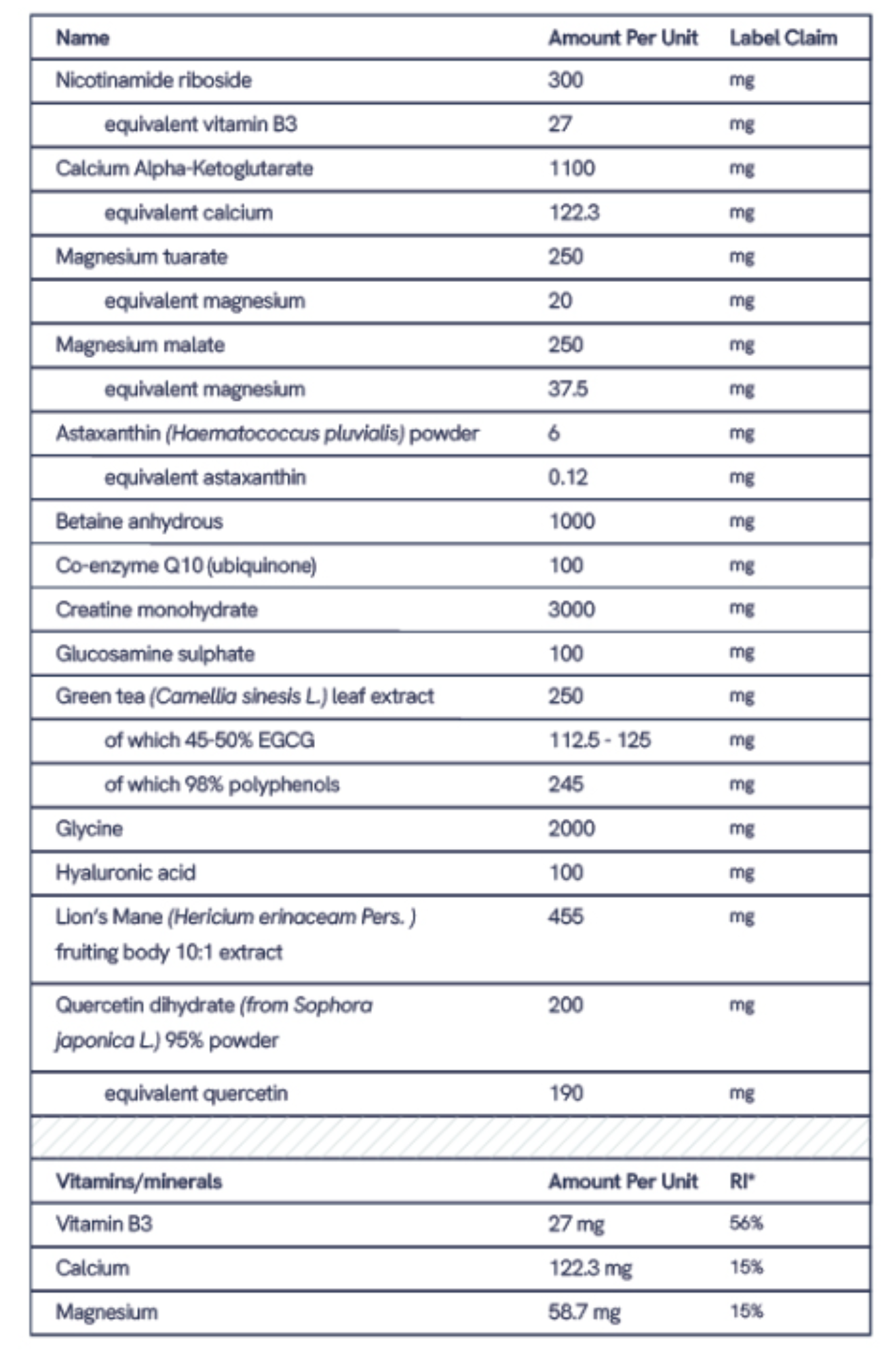
Some individuals exploring cold water immersion as a regular practice consider complementary nutritional strategies. Magnesium, for example, is involved in normal muscle function and contributes to the reduction of tiredness and fatigue, and some practitioners include it as part of a broader recovery approach. Coenzyme Q10 (CoQ10) has been studied in the context of mitochondrial energy metabolism. Neither of these supplements has been directly studied in human cold water immersion protocols, and no claims can be made about supplement-specific benefits for cold plunge practitioners. If supplementation is of interest, it is worth considering evidence-based options with established human safety profiles and appropriate quality assurance including third-party testing for purity and label accuracy.
References
- Srámek P, Simecková M, Janský L, Savlíková J, Vybíral S. Human physiological responses to immersion into water of different temperatures. Eur J Appl Physiol. 2000;81(5):436-442. View on PubMed ↗
- Xiao F, Kabachkova AV, Jiao L, Zhao H, Kapilevich LV. Effects of cold water immersion after exercise on fatigue recovery and exercise performance: meta analysis. Front Physiol. 2023;14:1006512. View on PubMed ↗
- Moore E, Fuller JT, Buckley JD, Saunders S, Halson SL, Broatch JR, Bellenger CR. Impact of cold-water immersion compared with passive recovery following a single bout of strenuous exercise on athletic performance in physically active participants: a systematic review with meta-analysis and meta-regression. Sports Med. 2022;52(7):1667-1688. View on PubMed ↗
- Soberg S, Lofgren J, Philipsen FE, Jensen M, Hansen AE, Ahrens E, et al. Altered brown fat thermoregulation and enhanced cold-induced thermogenesis in young, healthy, winter-swimming men. Cell Rep Med. 2021;2(10):100408. View on PubMed ↗
- Roberts LA, Raastad T, Markworth JF, Figueiredo VC, Egner IM, Shield A, et al. Post-exercise cold water immersion attenuates acute anabolic signalling and long-term adaptations in muscle to strength training. J Physiol. 2015;593(18):4285-4301. View on PubMed ↗
- Fyfe JJ, Broatch JR, Trewin AJ, Hanson ED, Argus CK, Garnham AP, et al. Cold water immersion attenuates anabolic signaling and skeletal muscle fiber hypertrophy, but not strength gain, following whole-body resistance training. J Appl Physiol (1985). 2019;127(5):1403-1418. View on PubMed ↗
- Moore E, Fuller JT, Bellenger CR, Saunders S, Halson SL, Broatch JR, Buckley JD. Effects of cold-water immersion compared with other recovery modalities on athletic performance following acute strenuous exercise in physically active participants: a systematic review, meta-analysis, and meta-regression. Sports Med. 2023;53(3):687-705. View on PubMed ↗
Educational content only. Not medical advice. Supplements are not intended to diagnose, treat, cure, or prevent any disease. Cold water immersion carries physiological risks. Consult a qualified healthcare professional before beginning any cold exposure practice, particularly if you have a cardiovascular, respiratory, or other chronic health condition or take medication.