Intermittent fasting (IF) restricts eating to a defined window each day. The 16:8 protocol -- 16 hours fasting, 8 hours eating -- is the most studied and accessible form. Human research supports associations with improvements in metabolic markers including insulin sensitivity, inflammatory markers, and body composition when combined with appropriate nutrition. IF is a behavioural tool, not a substitute for overall dietary quality.
Key Takeaways
- Intermittent fasting is a pattern of eating that alternates between fasting and eating windows; it is distinct from chronic caloric restriction, though the two can overlap.1
- The 16:8 protocol -- consuming all calories within an 8-hour window daily -- is the most commonly studied form of time-restricted eating in human RCTs.1
- Meta-analyses of human RCTs report that IF is associated with reductions in fasting insulin, body mass, fat mass, LDL cholesterol, and triglycerides compared with non-intervention diets in adults with overweight or obesity.3
- An 8-week RCT in resistance-trained males found that 16:8 time-restricted feeding maintained lean mass while reducing fat mass, without significant changes in strength when paired with a structured training programme.1
- Several populations -- including pregnant women, those with a history of disordered eating, people managing diabetes with medication, and those under close medical supervision -- should consult a healthcare professional before starting any fasting protocol.
- Hunger adaptation typically takes two to four weeks; electrolyte intake (including magnesium) during the fasting window may support comfort during the adjustment period.
- IF does not override poor dietary choices: the quality and composition of meals within the eating window remain the primary determinants of long-term metabolic outcomes.6
What Intermittent Fasting Is (and Is Not)
Intermittent fasting is a structured approach to eating that designates specific windows for food intake and fasting. It is not, in itself, a diet in the conventional sense -- it does not prescribe what you eat, only when. This distinction matters because IF can be combined with a wide range of dietary patterns and caloric targets, which is one reason the research literature is so varied in its outcomes.
The term covers a broad family of protocols. The most widely studied is time-restricted eating (TRE), in which all daily caloric intake is confined to a set window of four to twelve hours. The 16:8 protocol -- eating within an 8-hour window and fasting for the remaining 16 hours -- sits at the accessible end of this spectrum. The 18:6 variant narrows the eating window further. OMAD (one meal a day) represents the most compressed approach, with a single eating opportunity within a roughly one-hour window each day.
Beyond daily protocols, there are multi-day approaches. The 5:2 protocol involves eating normally for five days per week and restricting intake significantly (typically to around 500 kcal) on two non-consecutive days. Alternate-day fasting (ADF) alternates between unrestricted eating days and modified fasting days.
What counts as "breaking" a fast is a subject of ongoing discussion. Zero-calorie beverages -- plain water, black coffee, unsweetened tea, and plain electrolyte solutions without caloric content -- are generally considered compatible with maintaining a fasting state for metabolic purposes in most protocols. Caloric beverages, including those with small amounts of cream or sweeteners, technically end the fasting window, though the practical significance of this for all metabolic outcomes is debated.
It is also important to distinguish IF from caloric restriction (CR). CR reduces total daily energy intake on an ongoing basis, regardless of timing. IF may or may not involve caloric restriction: some practitioners consume identical total calories within a compressed window, while others find that a restricted window naturally reduces overall intake. The distinction matters for interpreting the evidence, as it is not always clear whether reported benefits stem from the timing element itself or from incidental reductions in caloric intake.3
Human Research on Intermittent Fasting: What We Know
The human evidence base for IF has grown considerably in the past decade, with multiple meta-analyses and systematic reviews now available. It is worth understanding the quality and limitations of this literature before drawing firm conclusions.
Body Composition and Metabolic Markers
A 2024 umbrella review by Sun et al. synthesised meta-analyses of RCTs and identified high-certainty evidence that IF is associated with reductions in waist circumference, fat mass, LDL cholesterol, triglycerides, total cholesterol, fasting insulin, and systolic blood pressure in adults with overweight or obesity, compared with non-intervention diets.3 The review also noted improvements in HDL cholesterol and fat-free mass. These associations were observed across multiple populations and IF modalities.
A separate 2024 umbrella review and network meta-analysis by Chen et al. compared different IF forms -- TRE, alternate-day fasting, and the 5:2 diet -- against continuous energy restriction and usual diets. Across 153 original studies and nearly 10,000 participants, IF demonstrated favourable effects on multiple metabolic markers, though the magnitude and certainty of effects varied by protocol and population.4
A 2022 systematic review and meta-analysis examining IF specifically in individuals with impaired glucose and lipid metabolism found that IF was associated with reductions in fasting blood glucose, glycosylated haemoglobin, insulin plasma levels, and HOMA-IR (a marker of insulin resistance). LDL cholesterol also showed statistically significant reductions.5 The authors noted that these findings were observed in individuals with pre-existing metabolic impairment, meaning the results may not translate directly to metabolically healthy populations.
Insulin Sensitivity
An RCT by Robertson et al. in 88 women with overweight examined IF against continuous energy intake at two caloric levels over 8 weeks. The group combining IF with caloric restriction showed greater reductions in weight, fat mass, LDL cholesterol, and non-esterified fatty acids than continuous restriction at the same caloric level. Insulin sensitivity was measured using the gold-standard hyperinsulinaemic-euglycaemic clamp method.7 The study highlighted that energy balance -- not timing alone -- substantially influenced cardiometabolic outcomes.
An earlier meta-analysis by Harris et al. (PMID 31601019) pooled 12 RCTs across 545 participants and found that IF was associated with significant declines in BMI, fasting glucose, and HOMA-IR compared with control diets.6 Study durations in this analysis were relatively short, typically under 6 months, limiting conclusions about long-term maintenance of these effects.
Muscle Mass and Performance
The effect of IF on muscle mass -- a concern particularly for older adults and athletes -- has been examined in several human studies. An 8-week RCT by Moro et al. in 34 resistance-trained males assigned participants to either a 16:8 TRF protocol (eating between 1 pm and 9 pm) or a normal diet, with both groups following an identical resistance training programme. The TRF group maintained lean mass and strength markers while significantly reducing fat mass compared with baseline, whereas no significant body composition changes were observed in the normal diet group.1 The TRF group also showed reductions in inflammatory cytokines and improvements in insulin sensitivity markers. An important limitation is that this study enrolled only healthy, experienced resistance-trained males, limiting generalisability.
A subsequent 12-month RCT by the same research group examined long-term TRE combined with resistance training in 20 healthy individuals. After one year, TRE participants showed significantly lower fat mass, improved inflammatory markers (including IL-6, IL-1beta, and TNF-alpha), improved insulin sensitivity, and improved lipid profiles compared with the normal diet group. No adverse events were reported, supporting the safety of long-term TRE in this population.2
A broader systematic review and meta-analysis by Ashtary-Larky et al. evaluated IF combined with resistance training across multiple human studies. The authors concluded that IF did not significantly reduce lean body mass when combined with structured resistance training, and that fat mass reductions were more consistently observed.8
Limitations of the Current Evidence Base
Several important limitations apply across the IF literature. Most RCTs are short in duration -- typically 8 to 12 weeks -- making it difficult to determine whether benefits are sustained long-term. Sample sizes are frequently small. Study populations are often homogeneous, with overrepresentation of adults with overweight or obesity and underrepresentation of older adults, athletes, and lean individuals. Dietary quality within eating windows is rarely standardised across studies, creating significant variability. Finally, distinguishing the effects of meal timing from those of incidental caloric restriction remains methodologically challenging.
How to Start the 16:8 Protocol: A Practical Guide
For most beginners, the 16:8 protocol offers a practical and relatively low-friction entry point into time-restricted eating. The following guidance is based on the protocols used in published human studies and commonly reported adaptation strategies.
Choosing Your Eating Window
The 8-hour eating window can be positioned at almost any point in the day, though a number of factors influence this choice. Some evidence suggests that earlier eating windows -- for example, 8 am to 4 pm -- may have greater alignment with circadian biology, as insulin sensitivity tends to be higher in the morning. However, for practical and social reasons, many people adopt a window such as 12 pm to 8 pm, which allows for a shared evening meal. The Moro et al. 2016 RCT used a window of 1 pm to 9 pm in resistance-trained males and observed positive outcomes.1 Consistency of the chosen window across days is more important than its precise position.
Managing the Hunger Adaptation Period
Most beginners report that the primary challenge during the first two to four weeks is managing hunger outside the eating window. This adaptation period is associated with the body adjusting its hunger hormone patterns -- particularly ghrelin, which tends to follow habitual meal schedules. Strategies that may support this period include staying well hydrated, consuming black coffee or tea (both of which are appetite-suppressing without meaningful caloric load), and ensuring adequate protein intake within the eating window to support satiety and lean mass.
What to Consume During the Fasting Window
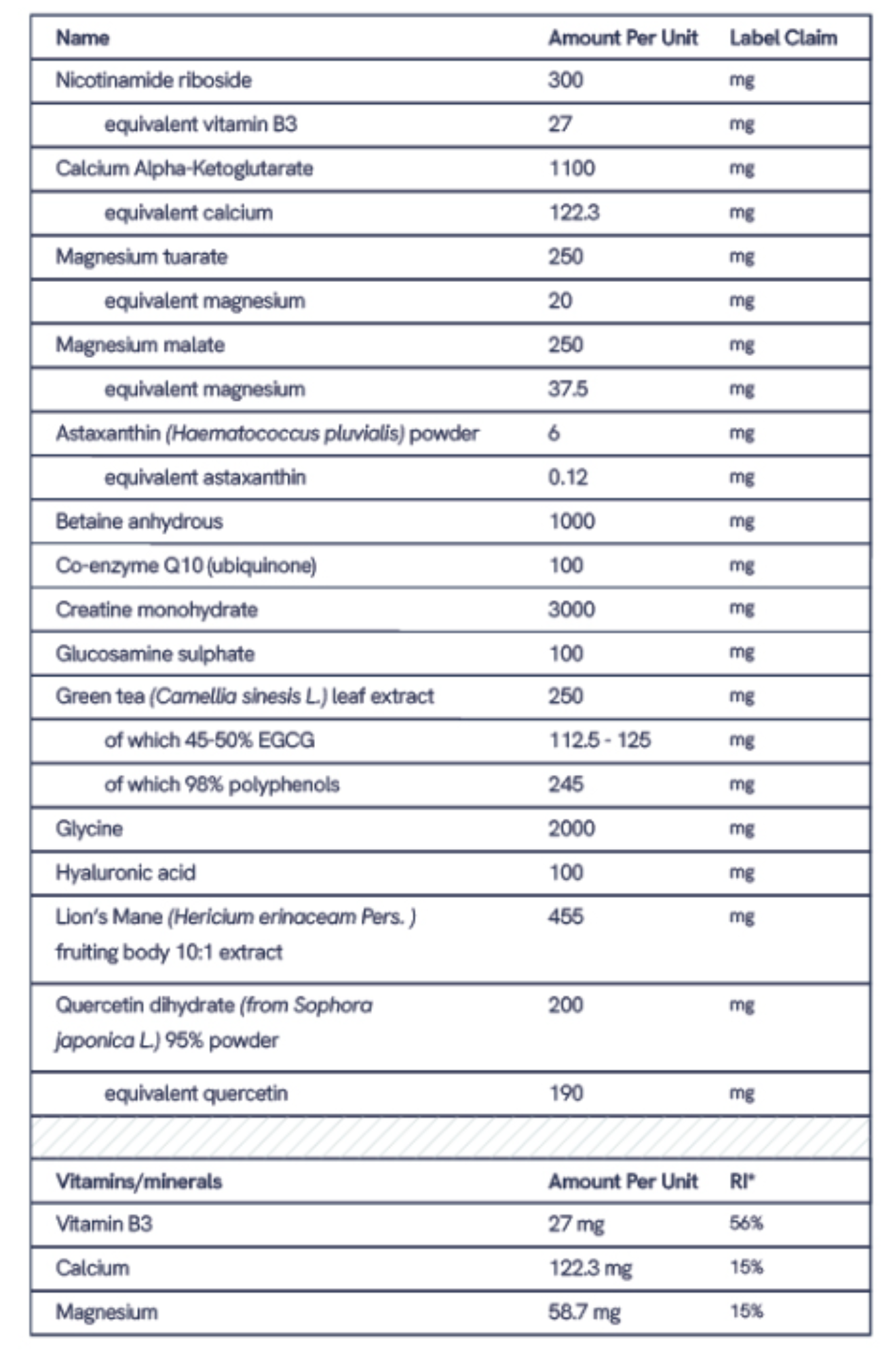
Plain water is the foundation of the fasting window. Unsweetened black coffee and plain herbal or green tea are commonly used and are generally considered metabolically neutral in terms of insulin response. Electrolyte solutions that are genuinely calorie-free may also be consumed and can support comfort during the fasting period, particularly in individuals who exercise in a fasted state. Magnesium, as an electrolyte that contributes to normal energy-yielding metabolism (an EFSA-approved claim), is one relevant consideration for individuals fasting alongside an active lifestyle.
Common Beginner Mistakes
Several patterns commonly undermine the potential benefits of a 16:8 protocol. First, overeating during the eating window -- often driven by excessive hunger from the fasting period -- can eliminate any incidental caloric reduction and may produce poor metabolic outcomes. Second, the quality of meals within the eating window matters: IF does not compensate for a low-protein, highly processed dietary pattern. Third, starting too aggressively -- moving directly from three meals a day to OMAD, for example -- tends to produce poor adherence and discomfort. A staged approach, beginning with 12:12 or 14:10 before progressing to 16:8, is often easier to sustain.
Breaking Your Fast: What to Eat and When
The composition of the first meal after a fasting period has received attention in both research and practice. Protein is a priority at fast-breaking for several reasons. It supports muscle protein synthesis, which operates most efficiently when protein intake is distributed around a resistance training stimulus. Prioritising protein at the first meal -- typically in the range of 30 to 40 g from whole food sources -- helps establish adequate daily protein intake within a compressed eating window.
There is no strong human evidence requiring a particularly gradual refeeding approach after a standard overnight-extended fast (as in 16:8). A normal mixed meal containing protein, fibrous vegetables, and a moderate amount of carbohydrate and fat is appropriate. However, those transitioning from longer fasting protocols (24 hours or more) may find that a smaller, protein-centred first meal before a full meal is more comfortable digestively.
Glucose management at fast-breaking is a consideration for individuals with insulin sensitivity concerns. Consuming easily digestible, high-glycaemic foods in isolation as the first meal may produce a sharp glucose rise in some individuals. Including protein, fat, and fibre alongside carbohydrate sources at the first meal generally produces a more gradual glucose response.
Practical first meal ideas within a 16:8 window include eggs with vegetables and whole grain toast, Greek yoghurt with nuts and berries, or a protein-rich mixed salad with legumes. The emphasis should be on nutrient density and adequate protein rather than on any specific "fast-breaking" foods with claimed special properties.
Who Should Be Cautious About Intermittent Fasting
Intermittent fasting is not appropriate for all individuals without modification or medical guidance. The following populations should consult a qualified healthcare professional before beginning any fasting protocol.
Pregnancy and breastfeeding. Fasting protocols that restrict caloric intake are contraindicated during pregnancy and are generally not appropriate during breastfeeding due to increased energy and nutrient demands.
History of disordered eating. Restrictive eating patterns, timed eating windows, and rules around food intake can be triggering for individuals with a history of anorexia, bulimia, binge eating disorder, or other eating disorders. Clinical guidance from a qualified professional is strongly advised before considering IF in this context.
Diabetes management with medication. Individuals managing blood glucose with insulin or certain oral medications face a risk of hypoglycaemia if meals are delayed or skipped. Any changes to meal timing in this population must be coordinated with a treating physician or diabetes specialist to allow appropriate medication adjustment.
Intense athletic training. Very high training volumes -- particularly in endurance sports or twice-daily training -- may make adequate fuelling within a compressed eating window challenging. Energy availability and recovery are important considerations, and some athletes find that IF protocols compromise performance or recovery without careful planning.
Certain medications requiring food intake. Some medications must be taken with food to avoid gastrointestinal side effects or to support absorption. Any individual on regular medication should confirm with their prescribing physician before changing meal timing.
Children and adolescents. Fasting protocols are not appropriate for individuals under 18 without medical supervision, given the energy demands of growth and development.
Supplements, Electrolytes, and Fasting Support
Several supplements are commonly discussed in the context of intermittent fasting. While no supplement can replicate the systemic metabolic effects of appropriate nutrition and fasting practice, a few considerations are relevant from an evidence-based standpoint.
Electrolytes and magnesium. Extended fasting periods can result in reduced electrolyte intake, particularly for those who fast while exercising. Magnesium contributes to normal energy-yielding metabolism and helps reduce tiredness and fatigue -- both EFSA-approved claims. For individuals incorporating regular training within a 16:8 or other IF protocol, maintaining adequate electrolyte intake from food or supplementation during the fasting window (using calorie-free forms) may support general wellbeing.
Creatine. Creatine increases physical performance in successive bouts of short-term, high-intensity exercise (at 3 g per day -- an EFSA-approved claim). For individuals combining IF with resistance training, creatine supplementation timing relative to the eating window has been a topic of interest. Evidence from the resistance training and IF literature suggests that maintaining overall creatine status, rather than precise post-fast timing, is the primary determinant of performance support.
B vitamins. Vitamin B6 and B12 contribute to normal energy-yielding metabolism and help reduce tiredness and fatigue (EFSA-approved claims). Individuals on highly restricted eating windows may wish to review micronutrient adequacy, as a compressed eating window requires a higher nutrient density per calorie consumed.
Q&A: Intermittent Fasting for Beginners
What is the easiest intermittent fasting protocol for beginners?
The 12:12 protocol -- 12 hours fasting, 12 hours eating -- is often the most accessible starting point. Many people already fast close to this window overnight without realising it. Progressing gradually to 14:10 and then 16:8 over several weeks tends to support better adherence and a more comfortable adaptation period than starting with more aggressive protocols such as OMAD or 24-hour fasting.
How does 16:8 fasting work?
The 16:8 protocol restricts all caloric intake to an 8-hour window each day. For example, eating between 12 pm and 8 pm and fasting from 8 pm until noon the following day. During the fasting window, plain water, black coffee, and unsweetened tea are generally consumed. The protocol is a form of time-restricted eating (TRE) and is the most widely studied IF approach in human RCTs.1
Does intermittent fasting work for weight loss?
Meta-analyses of human RCTs report that IF is associated with reductions in body weight and fat mass compared with non-intervention diets, particularly in adults with overweight or obesity.3 However, separating the effects of meal timing from incidental caloric reduction remains methodologically challenging. Current evidence suggests that energy balance -- total calories consumed -- remains the primary driver of body weight change, and that IF may facilitate this by compressing the opportunity for caloric intake rather than through a unique metabolic effect of timing alone.7
What are the different types of intermittent fasting?
The main protocols include: 16:8 (eating within an 8-hour window daily), 18:6 (eating within a 6-hour window daily), OMAD (one meal a day, typically within a 1-hour window), 5:2 (unrestricted eating for 5 days per week, with significant caloric restriction on 2 non-consecutive days), and alternate-day fasting (ADF), which alternates between unrestricted and restricted days. Each protocol varies in intensity, flexibility, and the type of evidence available.4
What can you consume during a fasting window without breaking the fast?
Plain water, black coffee, and unsweetened tea are generally considered compatible with a fasting state. Plain electrolyte solutions with zero calories may also be consumed. Caloric foods and beverages -- including those with small amounts of milk, cream, sugar, or sweeteners -- technically end the fasting window, though the practical significance for all metabolic outcomes is a matter of ongoing discussion. The clearest approach is to reserve all caloric intake for the designated eating window.
Is intermittent fasting safe for muscle mass?
A human RCT in resistance-trained males found that 16:8 TRF maintained lean mass and strength while reducing fat mass over 8 weeks when combined with a structured resistance training programme.1 A systematic review and meta-analysis examining IF combined with resistance training across multiple studies similarly found that lean body mass was not significantly reduced.8 Adequate protein intake within the eating window and continuation of resistance training are important variables for lean mass preservation during IF.
Does intermittent fasting affect insulin sensitivity?
Multiple meta-analyses of human RCTs report associations between IF and improved markers of insulin sensitivity, including reductions in fasting insulin and HOMA-IR.5,6 The magnitude of these effects is influenced by baseline insulin sensitivity, caloric intake, dietary quality, and study duration. Individuals with type 2 diabetes or impaired fasting glucose should approach fasting protocols under medical supervision, particularly if managing glucose with medication.
How long does it take for the body to adapt to intermittent fasting?
Most individuals report that the primary adaptation challenge -- managing hunger outside the eating window -- improves significantly within two to four weeks. During this period, hunger hormone patterns, particularly ghrelin, gradually shift to align with the new eating schedule. Adequate hydration, sufficient protein intake within the eating window, and consistent adherence to the chosen protocol are the factors most commonly associated with a more comfortable adaptation period.
Who should not do intermittent fasting?
Individuals for whom IF is contraindicated or requires medical supervision include: pregnant or breastfeeding women, those with a history of disordered eating, individuals managing diabetes with insulin or glucose-lowering medications, children and adolescents, and those with certain medical conditions or medications that require food intake. Anyone with a chronic health condition or on regular medication should consult a qualified healthcare professional before beginning any fasting protocol.
What is intermittent fasting?
Intermittent fasting (IF) is an eating pattern that alternates between defined fasting and eating windows. It does not prescribe what to eat but focuses on when food is consumed. The most common form is the 16:8 protocol, which confines all caloric intake to an 8-hour window each day, with a 16-hour fasting period.1
What are the main intermittent fasting protocols?
The primary protocols are: 16:8 (8-hour eating window daily), 18:6 (6-hour eating window daily), OMAD (one meal a day), 5:2 (normal eating 5 days per week, significant caloric restriction on 2 non-consecutive days), and alternate-day fasting (ADF). The 16:8 protocol is the most extensively studied in human RCTs and is generally considered the most accessible for beginners.4
What does human research say about intermittent fasting benefits?
Multiple meta-analyses of human RCTs report associations between IF and reductions in fat mass, fasting insulin, LDL cholesterol, triglycerides, and waist circumference, particularly in adults with overweight or obesity.3 The evidence is generally rated moderate to high certainty for these outcomes. Most studies are of short duration (under 6 months), and longer-term data remain limited.
How do I start 16:8 intermittent fasting?
Choose an 8-hour eating window that fits your lifestyle and social commitments -- for example, 12 pm to 8 pm. Consume only plain water, black coffee, or unsweetened tea during the 16-hour fasting window. Allow two to four weeks for hunger adaptation. Focus on adequate protein intake and food quality within the eating window. Starting from a less compressed protocol (such as 12:12) and progressing gradually tends to support better adherence.
What should I eat after intermittent fasting?
Prioritise protein at the first meal of your eating window -- ideally 30 to 40 g from whole food sources such as eggs, Greek yoghurt, lean meat, fish, or legumes. Include fibrous vegetables and a moderate amount of carbohydrate and fat. Avoid very high-glycaemic meals in isolation at fast-breaking, as this can produce a more pronounced glucose response. Focus on nutrient density across the eating window rather than any specific "fast-breaking" protocol.
Can I take supplements while intermittent fasting?
Supplements that contain calories (such as protein powders, mass gainers, or oil-based supplements) should generally be taken within the eating window. Non-caloric supplements such as plain electrolyte powders, creatine monohydrate (if unflavoured and calorie-free), and some vitamins can be taken during the fasting window in many protocols, though practices vary. Magnesium contributes to normal energy-yielding metabolism (an EFSA-approved claim) and is relevant for active individuals fasting alongside exercise. Consult a healthcare professional for personalised guidance.
References
- Moro T, Tinsley G, Bianco A, Marcolin G, Pacelli QF, Battaglia G, Palma A, Gentil P, Neri M, Paoli A. Effects of eight weeks of time-restricted feeding (16/8) on basal metabolism, maximal strength, body composition, inflammation, and cardiovascular risk factors in resistance-trained males. J Transl Med. 2016;14(1):290. View on PubMed ↗
- Moro T, Tinsley G, Pacelli FQ, Marcolin G, Bianco A, Paoli A. Twelve Months of Time-restricted Eating and Resistance Training Improves Inflammatory Markers and Cardiometabolic Risk Factors. Med Sci Sports Exerc. 2021;53(12):2577-2585. View on PubMed ↗
- Sun ML, Yao W, Wang XY, Gao S, Varady KA, Forslund SK, et al. Intermittent fasting and health outcomes: an umbrella review of systematic reviews and meta-analyses of randomised controlled trials. EClinicalMedicine. 2024;70:102519. View on PubMed ↗
- Chen YE, Tsai HL, Tu YK, Chen LW. Effects of different types of intermittent fasting on metabolic outcomes: an umbrella review and network meta-analysis. BMC Med. 2024;22(1):529. View on PubMed ↗
- Zhang Q, Liu L, Dong Z, Qin B, Wu Q. Effect of Intermittent Fasting Diet on Glucose and Lipid Metabolism and Insulin Resistance in Patients with Impaired Glucose and Lipid Metabolism: A Systematic Review and Meta-Analysis. Evid Based Complement Alternat Med. 2022;2022:6999405. View on PubMed ↗
- Harris L, Hamilton S, Azevedo LB, Olajide J, De Brún C, Waller G, Whittaker V, Sharp T, Lean M, Hankey C, Ells L. The Effectiveness of Intermittent Fasting to Reduce Body Mass Index and Glucose Metabolism: A Systematic Review and Meta-Analysis. J Health Popul Nutr. 2019;38(1):22. View on PubMed ↗
- Robertson LT, Tolar-Peterson T, Guo Q, Valcarcel A, Bassett J, Wood J, Hardy L. Effects of Intermittent Versus Continuous Energy Intakes on Insulin Sensitivity and Metabolic Risk in Women with Overweight. Obesity (Silver Spring). 2019;27(1):23-31. View on PubMed ↗
- Ashtary-Larky D, Bagheri R, Tinsley GM, Asbaghi O, Paoli A, Moro T. Effects of Intermittent Fasting Combined with Resistance Training on Body Composition: A Systematic Review and Meta-Analysis. Physiol Behav. 2021;237:113453. View on PubMed ↗