Hormesis is a biological phenomenon in which brief, low-dose exposure to a stressor triggers adaptive responses that strengthen the organism. Cold exposure, sauna, fasting, and exercise all activate hormetic pathways, including norepinephrine release, heat shock protein induction, AMPK activation, and sirtuin signalling. The critical factor is the dose-response relationship: too little produces no effect, the right dose generates adaptation, and too much causes harm.
Key Takeaways
- Hormesis follows an inverted U-shaped dose-response curve: a small stressor stimulates beneficial adaptation, while excessive exposure produces damage.1
- Cold water immersion activates the sympathetic nervous system, with studies in humans reporting plasma norepinephrine increases of over 500% compared to resting levels.2
- In a prospective Finnish cohort of over 2,000 men, more frequent sauna use was associated with substantially lower risk of fatal cardiovascular events compared to once-weekly use.3
- An acute bout of high-intensity interval exercise in humans activates AMPK and p38 MAPK in skeletal muscle and increases PGC-1alpha expression, signalling mitochondrial biogenesis.4
- Intermittent fasting activates autophagy via AMPK-mTOR signalling and increases sirtuin activity, two pathways associated with cellular maintenance and longevity.5
- The hormetic dose-response is highly conserved across biological systems and is relevant to understanding the limits of adaptive plasticity in humans.8
Chapter 1: The Hormesis Concept — How Stress Becomes Strength
The phrase "what does not kill you makes you stronger" is more than a proverb. It reflects a specific biological mechanism that researchers have studied for over a century under the term hormesis.
Hormesis describes a biphasic dose-response relationship in which a low dose of a stressor produces a stimulatory or beneficial effect, while a high dose of the same stressor produces an inhibitory or harmful effect.1 When plotted graphically, this produces the characteristic inverted U-shaped curve: a low-dose zone where biological performance improves, a peak, and a high-dose zone where performance declines or damage accumulates.
The concept has roots in the work of the sixteenth-century physician Paracelsus, who noted that the difference between a medicine and a poison is often the dose. The modern scientific framework for hormesis was developed substantially through the work of toxicologists and biogerontologists in the late twentieth century, who recognised that the phenomenon was not an exception but a rule across biological systems.1
What makes hormesis particularly relevant to longevity is the observation that many of the adaptive responses triggered by mild stressors — the production of heat shock proteins, the activation of repair enzymes, the stimulation of autophagy — are the same processes that decline with ageing. Researchers have proposed that the capacity to mount a robust hormetic response may itself define the limits of biological plasticity and, ultimately, longevity.8
Four practical stressors are of particular relevance to people interested in longevity: deliberate cold exposure, deliberate heat exposure, exercise, and periodic fasting. Each activates overlapping but distinct hormetic pathways, and the evidence base for each in humans is growing.
Chapter 2: Cold Hormesis — Norepinephrine, Brown Fat, and Cellular Adaptation
Cold water immersion and cold showers represent some of the oldest deliberate hormetic practices in recorded history. From a physiological standpoint, brief exposure to cold is a controlled stressor that activates the sympathetic nervous system, inducing a cascade of adaptive responses.
The most immediate and well-documented response is a sharp rise in plasma norepinephrine. In a controlled study of healthy men immersed in 14-degree Celsius water, researchers reported plasma noradrenaline concentrations increasing by approximately 530% compared to resting levels, with dopamine rising by approximately 250%.2 This sympathetic activation is understood to be one of the primary drivers of cold's acute effects on alertness and mood.
Beyond the immediate neurochemical response, repeated cold exposure is associated with adaptive changes in how the body regulates temperature and metabolic rate. Brown adipose tissue, a specialised fat depot that generates heat by burning calories, is known to be activated by cold and to increase in volume with repeated cold exposure in humans. The activation of this tissue represents a genuine metabolic adaptation, not merely an acute response to discomfort.
At the cellular level, cold exposure has been studied for its association with the expression of cold-inducible proteins and stress response elements. The central point from a hormesis perspective is dose dependency: brief, repeated exposures at an intensity that generates a significant but tolerable stress response are thought to be more beneficial than either minimal exposure or prolonged extreme cold. The adaptive stimulus, not the maximum endurable dose, is the goal.
From a practical standpoint, cold water immersion protocols studied in research settings have typically involved water temperatures between 10 and 20 degrees Celsius and durations of one to ten minutes. Individual variation in cold tolerance is substantial, and any individual considering deliberate cold exposure should approach it gradually and with awareness of contraindications, including cardiovascular conditions.
Chapter 3: Heat Hormesis — Heat Shock Proteins and Cardiovascular Adaptation
Heat exposure, particularly through traditional sauna use, is among the most extensively studied hormetic practices in humans. The Finnish cohort data in particular has produced some of the most compelling observational evidence linking a deliberate thermal stressor to longevity-associated outcomes.
In a prospective cohort study of 2,315 middle-aged Finnish men followed for up to 20 years, Laukkanen and colleagues examined the relationship between sauna bathing frequency and mortality. Compared with men who used the sauna once per week, those who used it four to seven times per week showed substantially lower rates of fatal cardiovascular events and all-cause mortality, with associations that persisted after adjustment for conventional cardiovascular risk factors, physical activity, and socioeconomic status.3 These findings were later extended to women in a separate analysis, with similar directional associations reported.7
Important caveats apply to these findings. Observational cohort studies cannot establish causation, and confounding factors — including healthy behaviours that co-occur with regular sauna use — cannot be fully excluded. The existing data represents associations rather than proven causal benefits.
The proposed biological mechanism through which heat exposure may produce adaptive benefits centres on heat shock proteins, particularly HSP70 and HSP90. These molecular chaperones are induced by the cellular stress of elevated temperatures and play roles in protecting proteins from misfolding, facilitating cellular repair, and supporting immune regulation. The induction of heat shock proteins represents a hormetic response: the mild thermal stress of a sauna session is sufficient to stimulate protective protein expression without causing tissue damage.
Additional physiological responses to heat exposure that have been documented in human studies include transient increases in heart rate, improvements in arterial compliance, and plasma volume expansion. These cardiovascular adaptations resemble, in some respects, the effects of moderate aerobic exercise, which has led researchers to describe sauna use as a form of passive cardiovascular conditioning.
Sauna temperatures in the Finnish tradition typically range from 80 to 100 degrees Celsius with low humidity, and sessions last 10 to 20 minutes. As with cold exposure, individual response varies, and heat exposure is contraindicated in certain clinical populations. Anyone with cardiovascular disease or other significant health conditions should consult a qualified healthcare professional before beginning a regular sauna practice.
Chapter 4: Exercise Hormesis — From Mitochondrial Stress to AMPK Activation
Exercise is perhaps the most thoroughly studied hormetic stressor. Each bout of physical exertion imposes a controlled stress on the body — elevating reactive oxygen species, depleting glycogen stores, generating metabolic byproducts — and the body responds by building adaptive capacity. The result, over time, is a stronger, more metabolically efficient organism.
At the cellular level, exercise activates two of the most important signalling proteins in longevity science: AMPK (AMP-activated protein kinase) and PGC-1alpha (peroxisome proliferator-activated receptor gamma coactivator 1-alpha).
In a human muscle biopsy study, Gibala and colleagues found that an acute session of high-intensity interval exercise significantly elevated AMPK phosphorylation and p38 MAPK activation in human vastus lateralis muscle, with PGC-1alpha mRNA increasing approximately twofold above resting levels during recovery.4 This molecular signature is associated with the initiation of mitochondrial biogenesis — the process by which cells build new mitochondria to increase their capacity for energy production.
AMPK itself functions as a cellular energy sensor. When the ratio of AMP to ATP rises — as it does during intense exercise, fasting, or periods of energy stress — AMPK is activated. Once active, AMPK promotes catabolic processes (glucose uptake, fat oxidation, mitochondrial biogenesis) and inhibits anabolic processes (cell growth, protein synthesis via mTOR). This metabolic switch is one of the central mechanisms linking exercise to longevity-associated cellular maintenance.
Two exercise modalities appear to activate partially distinct hormetic pathways. Zone 2 training, characterised by steady-state effort at a low-to-moderate intensity, is associated with sustained AMPK activation and robust mitochondrial biogenesis over time. High-intensity interval training produces sharper, more acute AMPK and p38 MAPK activation per unit of time, alongside myokine release — signalling molecules secreted by contracting muscle that influence other tissues including brain, liver, and adipose tissue. A well-designed exercise programme for longevity purposes may benefit from incorporating both modalities.
The hormesis principle applies clearly here: too little exercise produces no meaningful adaptive stimulus, the right dose produces adaptation, and excessive training without adequate recovery leads to overtraining syndrome, immune suppression, and an increased injury risk. Recovery is not the absence of training — it is when the adaptive response is consolidated.
Chapter 5: Fasting Hormesis — Autophagy, Sirtuin Activation, and Cellular Cleaning
Periodic fasting is one of the most potent hormetic stressors available to humans. When the body is deprived of caloric input for a sufficient period, it responds by activating a series of survival pathways that prioritise cellular maintenance and repair over growth and reproduction.
Two of the most important molecular events triggered by fasting are autophagy induction and sirtuin activation.
Autophagy — from the Greek for "self-eating" — is the cellular process by which damaged proteins, dysfunctional organelles, and other cellular debris are broken down and recycled. It represents a quality-control mechanism that is essential for cellular longevity and is impaired in ageing. Fasting activates autophagy through the AMPK-mTOR axis: as caloric availability decreases, AMPK is activated and mTOR (mechanistic target of rapamycin) is inhibited. Since mTOR normally suppresses autophagy, its inhibition allows the autophagy programme to proceed.5
Sirtuins are a family of deacetylase enzymes that regulate a wide range of biological processes including DNA repair, inflammation, and metabolic adaptation. Sirtuin activity is dependent on the availability of NAD+, levels of which increase during fasting as the cell shifts toward fatty acid oxidation. In this way, fasting links the cell's energy status directly to its capacity for maintenance and repair.6
A comprehensive review by de Cabo and Mattson in the New England Journal of Medicine summarised evidence suggesting that intermittent fasting — including time-restricted eating and alternate-day fasting protocols — activates these conserved adaptive pathways in humans and is associated with a range of metabolic improvements including improved insulin sensitivity, reduced inflammatory markers, and enhanced stress resistance.5 The reviewers noted, however, that translating results from animal models and short-term human trials into definitive long-term clinical recommendations requires further study.
The hormesis principle applies to fasting as it does to all stressors. Occasional fasting periods of 12 to 24 hours are consistent with the patterns under which humans evolved and are well-tolerated by most healthy adults. Extended fasting beyond this range involves a different risk profile and is outside the scope of this educational overview. Individuals with a history of disordered eating, diabetes, or other relevant health conditions should not undertake fasting protocols without medical supervision.
Chapter 6: The Dose-Response Principle — How Hormesis Fails When the Dose Is Wrong
Understanding hormesis is not complete without understanding where it breaks down. The inverted U-shaped curve means that the very same intervention that is beneficial at a moderate dose can be neutral at a low dose and harmful at a high dose.
In the context of exercise, this failure mode is overtraining syndrome — a state in which cumulative exercise stress without adequate recovery suppresses immune function, increases injury risk, elevates resting cortisol, and may accelerate rather than slow biological ageing markers. The adaptive response only occurs during the recovery window, not during the stress itself.
In the context of heat and cold, the failure modes are hyperthermia and hypothermia respectively — extremes that cause physiological harm rather than adaptation.
In the context of fasting, extended severe caloric restriction can lead to muscle loss, hormonal disruption, and nutrient deficiencies when pursued without adequate supervision.
A finding from hormesis research that has direct relevance to supplement use is the antioxidant paradox. High-dose antioxidant supplementation immediately following exercise has been shown in some studies to blunt the adaptive signalling associated with exercise, potentially because reactive oxygen species produced during exercise serve as the initial hormetic signal for AMPK activation and mitochondrial biogenesis. This does not mean antioxidants are harmful — they are beneficial in appropriate contexts — but it illustrates that the body's adaptive stress responses are finely calibrated and can be disrupted by overwhelming the signal.
The practical principle from hormesis research is this: seek the dose that produces a meaningful but recoverable stress response, allow adequate recovery, and repeat. Consistency and appropriate dosing produce adaptation. Extreme intensity without recovery does not.
Chapter 7: Supplements That Interact with Hormetic Pathways
Several supplements have been studied for their potential to support the cellular pathways activated by hormetic stressors. This section presents them in an educational context only. No supplement claim made here goes beyond what is currently supported by human evidence and regulatory frameworks.
Magnesium is involved in over 300 enzymatic reactions and plays a role in energy metabolism, muscle function, and protein synthesis. Magnesium contributes to normal energy-yielding metabolism and helps reduce tiredness and fatigue — two EFSA-approved health claims relevant to recovery from exercise stressors. Supplementing magnesium to maintain adequacy, particularly in individuals with high exercise loads, is a reasonable nutritional strategy.
Creatine increases physical performance in successive bouts of short-term, high-intensity exercise, and enhances muscle strength in adults over 55 with regular resistance training — both EFSA-approved claims. This makes creatine directly relevant to exercise hormesis, supporting the acute performance demands of high-intensity interval training and resistance exercise.
Resveratrol and related polyphenols have been studied as potential xenohormetic compounds — dietary molecules that may activate some of the same stress-response pathways as physical stressors, including sirtuin activation. Human evidence for these effects remains preliminary and warrants cautious interpretation.
NMN and NR, as precursors to NAD+, are studied for their potential to support the NAD+-dependent functions of sirtuins, which are activated by fasting hormesis. Human trials are ongoing, and claims about specific outcomes should not be made beyond what current evidence supports.
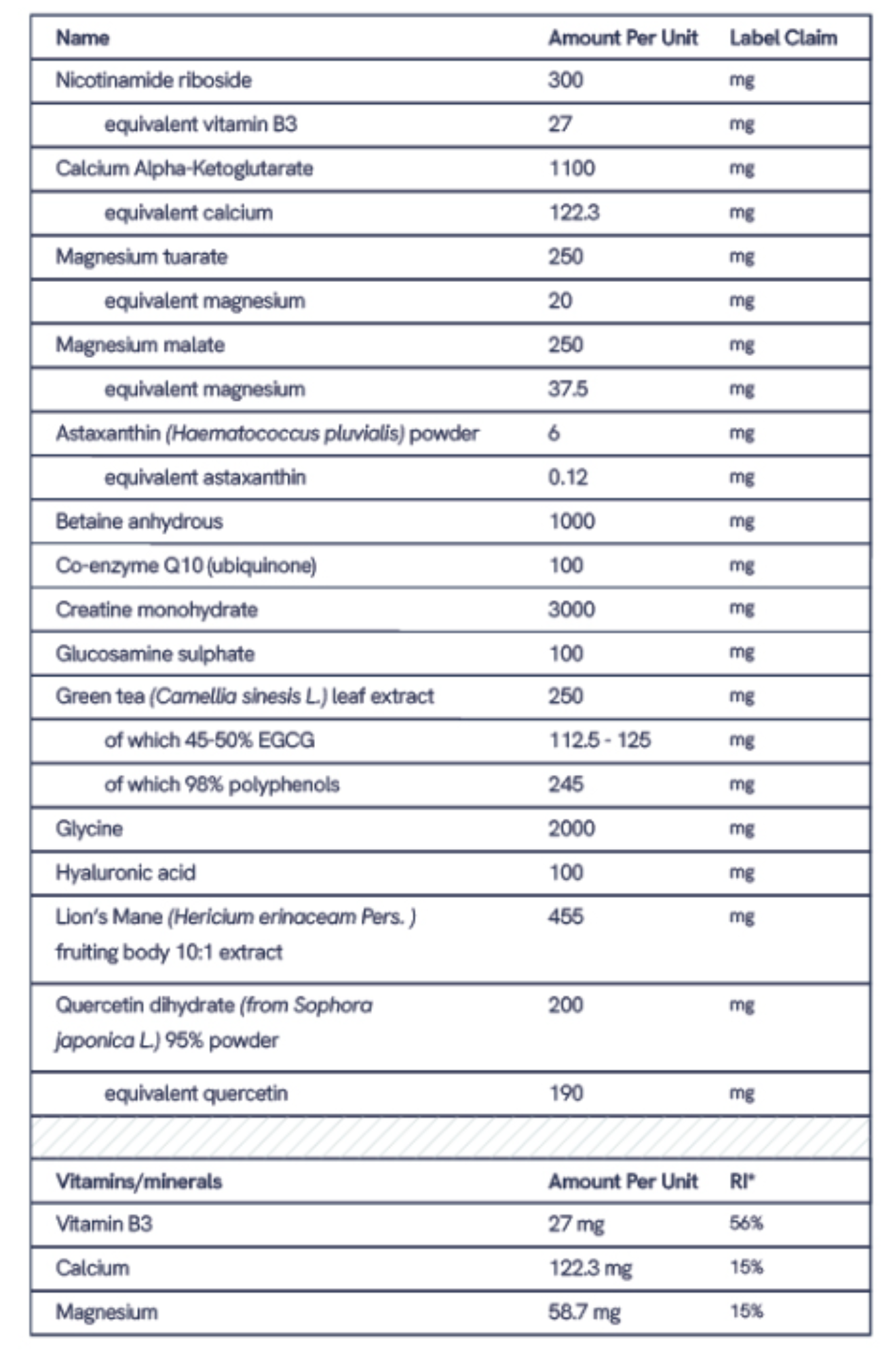
Longevity Complete from The Longevity Store is formulated to include magnesium, creatine, B vitamins, vitamin C, zinc, and other evidence-based nutrients. It has been independently tested at Eurofins laboratory and holds NZVT doping-free certification. Where relevant to supporting normal energy metabolism, muscle function, and recovery, its ingredients are formulated at researched doses.
Q&A
What does the word "hormesis" actually mean?
Hormesis comes from the Greek word meaning "to set in motion" or "to stimulate." In biology, it describes a dose-response phenomenon where a low dose of a stressor produces a beneficial stimulatory effect and a high dose of the same stressor produces an inhibitory or harmful effect.1 It is the scientific basis for the observation that small amounts of physical or physiological stress can strengthen rather than weaken biological systems.
Why does cold exposure seem to improve mood and energy?
Cold water immersion activates the sympathetic nervous system, producing a marked release of norepinephrine. Human studies have documented plasma norepinephrine increases of over 500% during cold immersion compared to resting levels.2 Norepinephrine is associated with alertness, attention, and positive affect. This acute neurochemical response is one likely contributor to the improved mood and energy many people report after cold exposure.
Is there human evidence for sauna and longevity?
Yes, though the evidence is observational rather than from randomised controlled trials. A Finnish prospective cohort study found that men who used the sauna four to seven times per week had substantially lower rates of fatal cardiovascular events compared to those who used it once per week, after adjusting for known cardiovascular risk factors.3 Subsequent research extended these findings to women.7 These studies cannot prove causation, but the data is consistent and the biological mechanism — heat shock protein induction and cardiovascular conditioning — is plausible.
What happens in muscle cells during exercise at the molecular level?
During intense exercise, the energy demands of contracting muscle cause the AMP-to-ATP ratio to rise. This activates AMPK, which in turn stimulates PGC-1alpha, a master regulator of mitochondrial biogenesis. Human muscle biopsy studies have confirmed that even a brief session of high-intensity interval exercise is sufficient to activate AMPK and p38 MAPK signalling and increase PGC-1alpha gene expression within hours.4 Over repeated sessions, this leads to increases in mitochondrial density and aerobic capacity.
How does fasting trigger autophagy?
During fasting, the depletion of glucose and amino acids reduces activity of mTOR, the cellular growth sensor that normally suppresses autophagy. Simultaneously, AMPK is activated by the fall in cellular ATP. These two changes together release the autophagy programme, allowing cells to break down and recycle damaged proteins and organelles. This process is thought to be an important cellular maintenance mechanism that declines with ageing.5
Do all four hormetic stressors — cold, heat, exercise, and fasting — work through the same pathways?
They share some common signalling nodes, particularly AMPK activation, but each stressor also activates distinct pathways. Cold primarily engages the sympathetic nervous system and cold-shock proteins. Heat primarily induces heat shock proteins and cardiovascular adaptations. Exercise activates AMPK, p38 MAPK, and myokine secretion. Fasting activates AMPK-mTOR signalling, sirtuin activity, and ketone body production. The overlap suggests synergy is possible when stressors are combined intelligently with adequate recovery, though formal evidence for optimal combination protocols in humans remains limited.6
Can you do too much hormesis?
Yes. The inverted U-shaped dose-response means that all hormetic stressors have an upper limit beyond which they become harmful. Overtraining syndrome, hyperthermia, hypothermia, and severe caloric restriction represent the failure modes when hormetic stressors are applied at excessive intensity or without adequate recovery. The goal is to identify the dose that produces a meaningful adaptive response — not the maximum tolerable dose.1
Should I take antioxidant supplements on days I exercise?
This is an area where the evidence suggests caution about timing. Some research indicates that high-dose antioxidant supplements taken immediately after exercise may blunt the reactive oxygen species that serve as the initial hormetic signal for AMPK activation and mitochondrial adaptation. This does not mean antioxidant nutrients are harmful overall — zinc, vitamin C, and selenium play important roles in supporting normal cellular protection — but timing relative to exercise may matter. Consulting a qualified healthcare professional about your specific supplement protocol is advisable.
FAQ
What is hormesis in simple terms?
Hormesis is the biological principle that small doses of a stressor can strengthen the body. Cold water, heat, exercise, and fasting are practical examples: each creates a controlled stress that prompts the body to adapt, becoming more resilient over time. The key is the dose — too little produces no benefit, the right amount produces adaptation, and too much causes harm.1
Is hormesis the same as stress?
Hormesis is a specific type of beneficial stress response. Not all stress is hormetic — chronic psychological stress, for example, does not produce the same adaptive benefits as brief physical stressors. Hormetic stress is characterised by brief duration, controlled intensity, and adequate recovery time, which allows the body to mount an adaptive response rather than being chronically depleted.
How does exercise hormesis relate to longevity?
Exercise activates AMPK and PGC-1alpha in human skeletal muscle, driving mitochondrial biogenesis and improvements in metabolic efficiency.4 These adaptations are associated with improved healthspan markers including aerobic capacity, insulin sensitivity, and inflammatory balance. The hormetic principle explains why moderate-intensity exercise done consistently is more beneficial for longevity than either no exercise or extreme, unrecovered training.
Can intermittent fasting support hormesis?
Yes. Periodic fasting activates the AMPK-mTOR pathway, stimulating autophagy and sirtuin activity — cellular maintenance processes associated with longevity research. A review published in the New England Journal of Medicine concluded that intermittent fasting activates these pathways in humans and is associated with metabolic improvements, though the authors noted that long-term clinical recommendations require further study.5
Is sauna use a form of hormesis?
Sauna use is considered a heat hormesis practice. It induces heat shock protein expression, cardiovascular adaptation, and transient inflammatory responses in humans. Observational cohort data from Finland associates regular sauna use with lower cardiovascular mortality, though the association cannot be interpreted as proof of direct causation.3,7
References
- Calabrese EJ, Dhawan G, Kapoor R, Iavicoli I, Calabrese V. What is hormesis and its relevance to healthy aging and longevity? Biogerontology. 2015 Dec;16(6):693-707. doi: 10.1007/s10522-015-9601-0. View on PubMed ↗
- Sramek P, Simeckova M, Jansky L, Savlikova J, Vybiral S. Human physiological responses to immersion into water of different temperatures. Eur J Appl Physiol. 2000 Mar;81(5):436-442. doi: 10.1007/s004210050065. View on PubMed ↗
- Laukkanen T, Khan H, Zaccardi F, Laukkanen JA. Association between sauna bathing and fatal cardiovascular and all-cause mortality events. JAMA Intern Med. 2015 Apr;175(4):542-548. doi: 10.1001/jamainternmed.2014.8187. View on PubMed ↗
- Gibala MJ, McGee SL, Garnham AP, Howlett KF, Snow RJ, Hargreaves M. Brief intense interval exercise activates AMPK and p38 MAPK signaling and increases the expression of PGC-1alpha in human skeletal muscle. J Appl Physiol. 2009 Mar;106(3):929-934. doi: 10.1152/japplphysiol.90880.2008. View on PubMed ↗
- de Cabo R, Mattson MP. Effects of intermittent fasting on health, aging, and disease. N Engl J Med. 2019 Dec 26;381(26):2541-2551. doi: 10.1056/NEJMra1905136. View on PubMed ↗
- Mattson MP, Longo VD, Harvie M. Impact of intermittent fasting on health and disease processes. Ageing Res Rev. 2017 Oct;39:46-58. doi: 10.1016/j.arr.2016.10.005. View on PubMed ↗
- Laukkanen T, Kunutsor SK, Khan H, Willeit P, Zaccardi F, Laukkanen JA. Sauna bathing is associated with reduced cardiovascular mortality and improves risk prediction in men and women: a prospective cohort study. BMC Med. 2018 Nov 29;16(1):219. doi: 10.1186/s12916-018-1198-0. View on PubMed ↗
- Calabrese V, Cornelius C, Cuzzocrea S, Iavicoli I, Rizzarelli E, Calabrese EJ. Hormesis, cellular stress response and vitagenes as critical determinants in aging and longevity. Mol Aspects Med. 2011 Aug;32(4-6):279-304. doi: 10.1016/j.mam.2011.10.007. View on PubMed ↗