Blue Zones are the five regions with the highest concentrations of centenarians: Sardinia (Italy), Okinawa (Japan), Nicoya (Costa Rica), Ikaria (Greece), and Loma Linda (California). Research led by Dan Buettner identified nine shared lifestyle patterns, called the Power Nine, including plant-predominant diets, daily natural movement, a clear sense of purpose, stress-reduction rituals, and strong community ties. These habits appear to work together as an integrated system rather than as isolated interventions.
Key Takeaways
- Blue Zones are five geographically confirmed regions where people live measurably longer, with centenarian rates up to ten times higher than the United States average.1
- The Danish Twin Study established that approximately 20% of longevity is dictated by genes, while roughly 80% is influenced by lifestyle and environment, which forms the scientific basis for studying Blue Zones populations.1
- Legumes are the dietary cornerstone of most centenarian populations; a multi-ethnic cohort study identified legume consumption as the single most consistent dietary predictor of survival in older adults across Japan, Sweden, Greece, and Australia.5
- A meta-analysis of 148 studies (308,849 participants) found that people with adequate social relationships had a 50% greater likelihood of survival, with the effect comparable to established risk factors such as smoking.6
- Prospective cohort data from Japan found that people reporting a sense of ikigai (purpose or reason for living) had a significantly lower risk of all-cause mortality over follow-up periods of 7 to 12 years.8
- Blue Zones longevity appears to emerge from environmental design rather than individual willpower: people are nudged into health-supporting behaviours by their surroundings, social norms, and cultural structures.1
- Criticism of the Blue Zones data exists, particularly around age-record accuracy in some regions; researchers have responded with rigorous age-validation methodology, and the broader lifestyle patterns remain consistent with independent longevity research.2
What Are Blue Zones and How Were They Identified?
The term "Blue Zone" originated in demographic research. Michel Poulain and Gianni Pes were investigating unusually high concentrations of male centenarians in the Ogliastra region of Sardinia when they marked the area in blue ink on a map. The term stuck. Dan Buettner, working with National Geographic and with funding from the National Institute on Aging, later expanded the concept globally, partnering with demographers to identify, confirm, and study populations where people were verifiably living the longest.1
The methodology was designed to guard against the age exaggeration and record-keeping errors that had undermined earlier longevity claims. A team that included S. Jay Olshansky, Gianni Pes, Luis Rosero-Bixby, and Michel Poulain developed systems to confirm ages using birth certificates, baptismal records, census data, and cross-referencing with family records. The Committee for Age Validation of Exceptional Long-Livers (CAVE), established in 2016, now provides a formal framework for this process.2
Following verification, five regions were identified as meeting the Blue Zones criteria: Sardinia (Italy), with the highest concentration of male centenarians in the world; Okinawa (Japan), where women over 70 have historically been among the longest-lived populations globally; Nicoya (Costa Rica), which has the world's lowest rates of middle-age mortality and a high concentration of male centenarians; Ikaria (Greece), a small Aegean island with residents who often live well into their 90s with low rates of chronic disease; and Loma Linda (California), home to a Seventh Day Adventist community that lives approximately ten years longer than their North American counterparts.1
Research teams including anthropologists, epidemiologists, dietitians, and demographers then spent time in each location conducting interviews, observational research, and dietary assessments. The goal was not to identify what centenarians were doing at age 100, but what they had done consistently throughout their lives. This longitudinal perspective helped researchers distinguish genuine lifestyle patterns from incidental behaviours.1
A 2025 review of the Blue Zones concept confirmed that four zones have been fully validated through demographic methodology: Okinawa, Sardinia, Nicoya, and Ikaria. Martinique has recently emerged as a potential fifth validated zone. The review also addressed the ongoing debate about data reliability in certain regions, noting that while criticism around record-keeping in some areas has merit, the validated zones have withstood rigorous demographic scrutiny, and the core lifestyle patterns identified remain consistent with broader longevity research.2
The Power Nine: A Habit-by-Habit Review with Research Context
Across all five Blue Zones, researchers identified nine common lifestyle patterns. These became known as the Power Nine. They are best understood not as a checklist of individual behaviours but as an interconnected system in which each element supports and reinforces the others.
1. Move Naturally
Blue Zones populations do not engage in structured gym-based exercise as a primary health strategy. Instead, they live in environments that continuously and naturally encourage physical activity. Sardinian shepherds walk steep mountain terrain daily. Okinawan women tend gardens well into old age. Seventh Day Adventists in Loma Linda walk regularly as part of religious and social routines. The physical demands are moderate, consistent, and embedded in daily life rather than scheduled and intense.1
This is consistent with the broader research literature on light-to-moderate physical activity and longevity. Regular, low-intensity movement contributes to cardiovascular and metabolic function, and is associated with lower all-cause mortality in large cohort studies. The Blue Zones model suggests that embedding movement into the physical environment, rather than relying on individual willpower, is a more sustainable population-level strategy.
2. Purpose (Ikigai / Plan de Vida)
Okinawans describe this as "ikigai" and Nicoyans call it "plan de vida." Both translate roughly to "the reason I get up in the morning." Buettner's research indicates that knowing your sense of purpose may be worth up to seven additional years of life expectancy.1
This is supported by prospective cohort data. The Ohsaki Study, a population-based prospective cohort of 43,391 Japanese adults, found that those who reported not having a sense of ikigai had a significantly higher risk of all-cause mortality over seven years of follow-up. The hazard ratio for all-cause mortality was 1.5 in those lacking ikigai compared with those who reported having it. The increased mortality risk was attributable primarily to cardiovascular disease and external causes.8
A separate analysis from the Japan Collaborative Cohort (JACC) Study, involving over 73,000 participants followed for a mean of 12.5 years, found that ikigai as a positive psychological factor was associated with decreased risks for all-cause mortality, cardiovascular mortality, and cerebrovascular disease mortality among both men and women.9
3. Downshift (Stress Reduction)
Every Blue Zone population has culturally embedded rituals for shedding stress. Sardinians observe a daily rest period in the early afternoon. Okinawans take moments each day to remember their ancestors. Adventists observe a weekly Sabbath from Friday sunset to Saturday sunset. Ikarians take afternoon naps. These are not ad hoc relaxation practices but structured, community-wide patterns that appear consistently across all five zones.1
Chronic stress is associated with elevated cortisol and systemic inflammation, both of which are established contributors to accelerated biological ageing and disease risk. The Blue Zones model suggests that stress reduction is most effective when it is institutionalised at the community level rather than managed individually.
4. 80% Rule (Hara Hachi Bu)
Okinawans recite a 2,500-year-old Confucian mantra before meals: "Hara hachi bu," which translates to "eat until you are 80% full." This practice functions as a behavioural brake on overconsumption, reducing caloric intake without formal calorie counting. Okinawan centenarians, as a population, historically consumed approximately 11% fewer calories than the Japanese average, and their meals were served on smaller plates with less food per sitting.1
Research on caloric restriction and longevity in humans is ongoing. CALERIE (Comprehensive Assessment of Long-term Effects of Reducing Intake of Energy), the largest randomised trial of caloric restriction in non-obese humans, found that a 25% caloric restriction over two years produced favourable changes in cardiometabolic risk markers. While human evidence for lifespan extension through caloric restriction remains limited, moderate, consistent reduction in caloric intake is associated with improved metabolic health markers in human studies.
5. Plant Slant
Blue Zones diets are predominantly plant-based, with beans, lentils, fava beans, and soy forming the cornerstone of most centenarian meals. Meat, primarily pork, is eaten on average only five times per month in most zones, with serving sizes of approximately 85 to 115 grams per occasion. Okinawans historically relied heavily on sweet potato as a dietary staple, which provided the majority of caloric intake for much of the 20th century. Ikarians consume large quantities of wild greens, olive oil, and legumes.1
The association between legume consumption and reduced mortality is supported by independent research. A 2023 systematic review and dose-response meta-analysis of 32 prospective cohorts involving 1,141,793 participants found an inverse association between legume intake and all-cause mortality. Higher legume consumption was associated with reduced mortality risk, with effects that were consistent across multiple cause-specific outcomes.4
An earlier cross-cultural study, the Food Habits in Later Life (FHILL) study, examined dietary predictors of survival in 785 older adults across Japan, Sweden, Greece, and Australia over seven years. The legume food group was identified as the single most consistent dietary predictor of survival across all ethnic groups, with a 7 to 8% reduction in mortality hazard ratio for every 20 grams of additional daily legume intake.5
The PURE (Prospective Urban Rural Epidemiology) study, a large prospective cohort spanning 135,335 individuals in 18 countries, found that higher combined fruit, vegetable, and legume intake was inversely associated with total mortality in fully adjusted models. When examined separately, legume intake was specifically associated with lower non-cardiovascular mortality and total mortality.10
6. Wine at 5 (Moderate Alcohol in Social Context)
All Blue Zones except the Loma Linda Adventists include moderate, regular alcohol consumption, typically one to two glasses of wine per day consumed with food and in a social setting. Sardinians favour Cannonau wine, a local variety with a notably high polyphenol content. In Ikaria, a strong local wine accompanies communal meals in the evenings.1
It is important to contextualise this habit carefully. The association between light-to-moderate alcohol consumption and health outcomes is contested in the current literature. While observational studies have reported inverse associations between moderate consumption and cardiovascular outcomes, Mendelian randomisation studies have questioned whether these associations are causal. Current evidence does not support recommending alcohol as a health-promoting behaviour. The Blue Zones observation is descriptive, not prescriptive. The social and dietary context in which Blue Zones populations consume wine may be as relevant as the alcohol content itself.
7. Belong (Faith-Based Community)
In Buettner's survey of 263 centenarians across all five Blue Zones, all but five belonged to some faith-based community. Research indicates that attending faith-based services four times per month is associated with four to fourteen additional years of life expectancy in observational data.1 Researchers note that the denomination does not appear to matter. The longevity benefit appears to derive from the community structure, stress-reduction rituals, regular social engagement, and shared sense of purpose that organised faith communities provide, rather than from theological belief itself.
8. Loved Ones First
Centenarians in Blue Zones consistently place family at the centre of their lives. Older parents and grandparents are kept nearby or within the family home. Children grow up in environments where multigenerational contact is normal. Substantial time and effort is invested in maintaining spouse and family relationships.1 Research in Sardinia involving long-lived individuals noted that community-dwelling centenarians reported high levels of perceived social support from family networks as a consistent feature of their lives.3
9. Right Tribe (Supportive Social Networks)
Blue Zones populations invest in and maintain social networks that support healthy behaviours. In Okinawa, children are placed into "moais," committed social groups of approximately five people, as early as age five. These groups provide financial and emotional support throughout life and meet regularly. One specific moai that Buettner encountered had been together for 97 years with an average age of 102.1
This is consistent with substantial independent evidence. A landmark meta-analysis by Holt-Lunstad and colleagues, covering 148 studies with 308,849 participants, found that individuals with adequate social relationships had a 50% greater likelihood of survival compared with those who were socially isolated. The effect size was comparable to established risk factors such as smoking and exceeded the effect of obesity, physical inactivity, and heavy drinking.6
A subsequent meta-analysis of 70 studies involving 3,407,159 participants found that both social isolation and loneliness were associated with a 26 to 29% increased likelihood of early mortality. The authors noted that the magnitude of effect was comparable to other public health concerns and warranted similar levels of social and clinical attention.7
What Blue Zones People Actually Eat: Dietary Patterns in Detail
Diet is one of the most studied aspects of Blue Zones populations, and the consistency across geographically and culturally different regions is notable. While each zone has its own culinary identity, several common patterns emerge.
Legumes as a daily staple: In every validated Blue Zone, legumes appear as a daily food. Sardinians consume large quantities of chickpeas, fava beans, and locally grown varieties. Nicoyans eat black beans with nearly every meal. Okinawans historically consumed fermented tofu (natto-like preparations) and edamame in high quantities. Ikarians use lentils and legumes extensively in their traditional cuisine. This cross-cultural convergence on legumes is what drove the FHILL study finding that legumes were the single most consistent dietary predictor of survival across multiple ethnic groups.5
Minimal processed meat and limited red meat: Meat consumption across all Blue Zones is infrequent and moderate in portion size. Researchers recorded centenarians consuming meat on average five or fewer times per month, in portions equivalent to approximately one deck of playing cards. This pattern aligns with research showing that higher red and processed meat consumption is associated with increased all-cause mortality risk in prospective cohort studies.
Wild and seasonal plants: Ikaria is particularly notable for its use of wild greens, many of which are rich in polyphenols, flavonoids, and antioxidants. Ikarians consume more than 150 varieties of wild plant foods throughout the year. Okinawans traditionally relied heavily on sweet potato (particularly the purple variety, high in anthocyanins), bitter melon (goya), and tofu. Sardinian centenarians consume substantial quantities of olive oil, pecorino cheese made from grass-fed sheep milk, and sourdough bread made with traditional starter cultures.
Whole grains and nuts: Seventh Day Adventists in Loma Linda, extensively studied through the Adventist Health Study cohort, have been shown to consume high quantities of nuts, legumes, and whole grains and relatively low quantities of meat and dairy. This population has been tracked in multiple large prospective studies, providing some of the most robust human dietary data in the Blue Zones context.
Low sugar and minimal ultra-processed foods: None of the Blue Zones food environments historically relied on ultra-processed or highly engineered food products. Sweetness in these diets came from whole fruits, occasional honey, and naturally sweet vegetables, not from added sugars or processed confectionery.
Moderate caloric intake: The dietary patterns of Blue Zones populations typically result in moderate total caloric intake, partly through the cultural practices described above (such as Hara Hachi Bu) and partly because the foods consumed, primarily fibre-rich plants and legumes, are naturally satiating at lower caloric loads.
What Modern Life Can Learn from Blue Zones
A recurring theme in Blue Zones research is that longevity in these populations is not primarily the result of deliberate health-seeking behaviour. Centenarians in Blue Zones did not design their lifestyles around longevity goals. They lived in environments and communities where the healthy choice was also the easy, natural, and culturally reinforced choice. Buettner's core argument is that individual willpower is a poor long-term strategy for behaviour change, while environmental and systemic design is highly effective.1
This insight has practical implications for how individuals approach longevity. Rather than asking "what supplements should I take?" or "what exercise protocol should I follow?", the Blue Zones model suggests asking "what does my daily environment nudge me toward?" and "who do I spend time with, and what behaviours does that social environment reinforce?"
Several elements of the Blue Zones model are transferable to modern urban contexts, though some adaptation is required:
From Move Naturally: Reducing reliance on cars and incorporating walking into daily routines, living in walkable neighbourhoods, gardening, and choosing physically active leisure activities can approximate the natural movement patterns of Blue Zones populations.
From Plant Slant: Increasing legume consumption is one of the most evidence-supported dietary changes available and is highly affordable and accessible in most global contexts. Making beans, lentils, and chickpeas a daily dietary fixture rather than an occasional addition is a practical starting point.4,5
From Downshift: Structuring deliberate, consistent daily periods of rest into the calendar, rather than treating rest as what happens when there is nothing else to do, mirrors the institutionalised stress-reduction practices of Blue Zones cultures.
From Right Tribe and Belong: Investing time in stable, long-term social relationships, and curating social environments that support healthy behaviours, is supported by the most robust independent research on longevity of any single factor in the Power Nine.6,7
From Ikigai: Research suggests that having a clear sense of purpose and meaning is measurably associated with better health outcomes. This does not require a dramatic life change but can be cultivated through identifying and prioritising activities and relationships that provide a sense of meaning and contribution.8,9
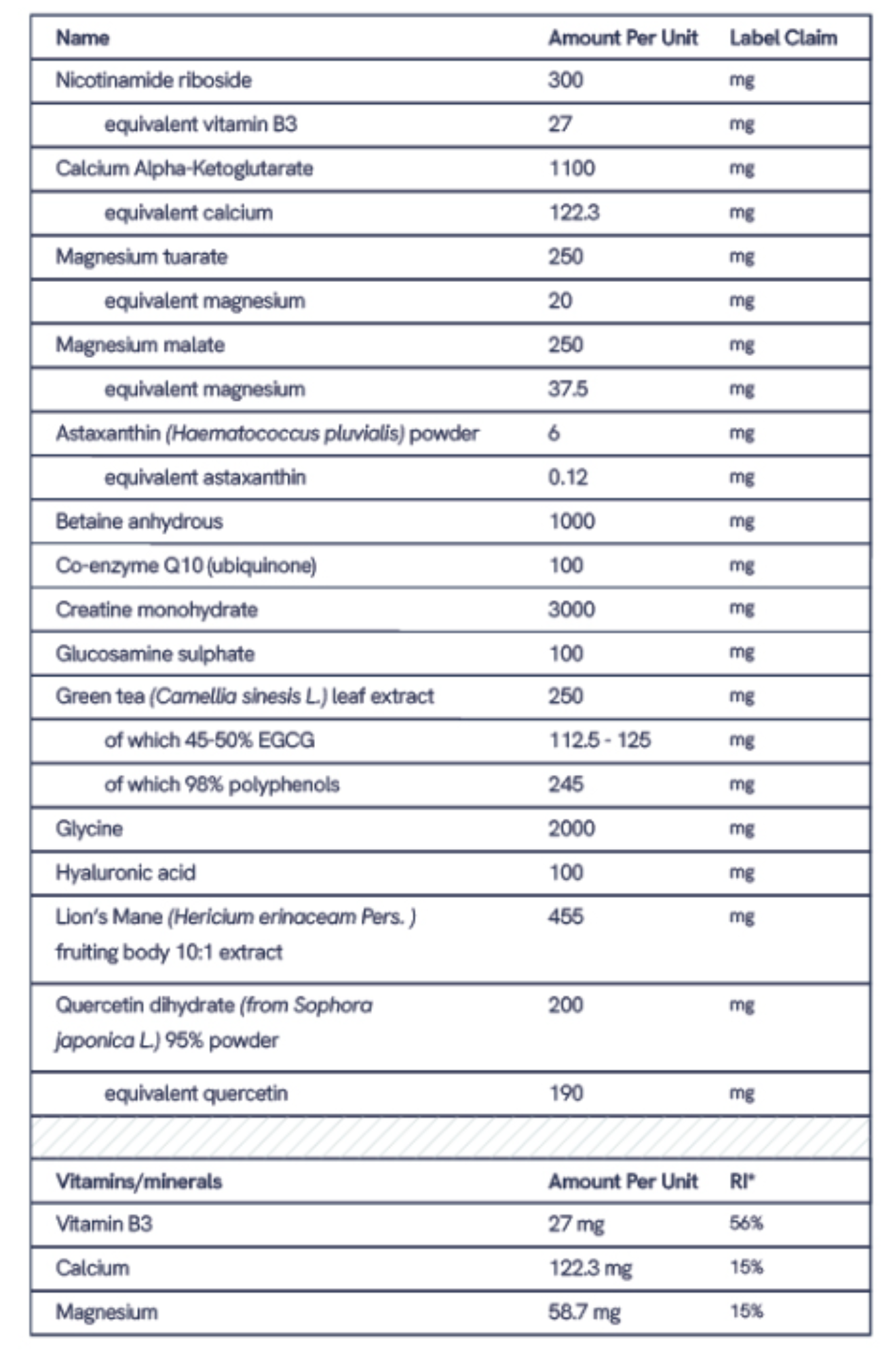
Supplement context: The Blue Zones model is fundamentally a lifestyle-first framework. It does not position supplements as a primary longevity strategy. However, those adapting Blue Zones principles in modern contexts may find that dietary gaps emerge, particularly where Western dietary environments make it difficult to achieve the nutrient density of traditional Blue Zones diets. Omega-3 fatty acids, for instance, are found in abundance in the fish-eating patterns of some zones and in the wild plant foods of Ikaria, but may be underrepresented in typical Western diets. Similarly, magnesium, found in the legume, whole grain, and vegetable-rich diets of Blue Zones populations, is one of the most common insufficiencies in Western dietary surveys. These considerations are best evaluated through individual dietary assessment rather than population-level generalisation.
A Note on Blue Zones Criticism and Scientific Limitations
Blue Zones research has faced criticism on several grounds, and it is important to address these transparently.
The most significant criticism concerns age record accuracy. A 2019 paper by demographer Saul Newman argued that many reported supercentenarians in Blue Zones originated from regions with poor birth record infrastructure, raising the possibility that some extreme ages represented record errors rather than genuine longevity. This criticism was widely covered in the media and prompted a direct response from the Blue Zones research community.
The 2025 review of Blue Zones methodology by Poulain and colleagues addressed this directly. It outlined the strict three-step age validation process applied in confirmed Blue Zones, including cross-referencing multiple administrative records, conducting in-person interviews, and applying statistical criteria requiring that longevity levels be at least 50% higher than the national average. Using this methodology, Martinique has recently been confirmed as a new validated Blue Zone. The authors acknowledged that age exaggeration remains a real challenge in some regions but maintained that the validated zones have withstood demographic scrutiny.2
A second category of criticism concerns the observational nature of Blue Zones research. The Power Nine are observational findings, not the result of controlled trials. It is not possible to isolate the individual contribution of any single habit and establish causality in the way a randomised controlled trial could. The longevity advantage of Blue Zones populations may reflect unmeasured genetic, environmental, or socioeconomic factors that the lifestyle analysis does not fully capture.
These are legitimate methodological limitations. They do not invalidate the research but they do mean that the Power Nine should be understood as a framework of plausible, evidence-consistent lifestyle principles rather than a proven protocol for individual longevity.
Q&A: Blue Zones and the Power Nine
What are the five Blue Zones?
The five original Blue Zones are Sardinia (Italy), Okinawa (Japan), Nicoya (Costa Rica), Ikaria (Greece), and Loma Linda (California). A 2025 demographic review confirmed that four have been fully validated through rigorous age-verification methodology: Okinawa, Sardinia, Nicoya, and Ikaria. Martinique has recently emerged as a potential fifth validated zone.2
What is the Power Nine?
The Power Nine is the set of nine shared lifestyle characteristics identified across all five Blue Zones. They are: Move Naturally, Purpose (Ikigai), Downshift, 80% Rule, Plant Slant, Wine at 5, Belong, Loved Ones First, and Right Tribe. They function as an integrated system rather than as isolated habits.1
Is the Blue Zones research scientifically valid?
The demographic foundations of Blue Zones research have been subject to scrutiny, particularly around the accuracy of centenarian ages in some regions. Researchers have responded by publishing detailed age-validation methodology. The lifestyle patterns identified are largely consistent with independent research from large human cohort studies on diet, social connection, and purpose. The observational nature of the findings means causal claims must be made carefully, but the patterns are well-supported as plausible longevity-associated behaviours.2,1
Why are legumes so central to Blue Zones diets?
Legumes are high in fibre, plant protein, and micronutrients. They are consumed daily in every validated Blue Zone. The FHILL study identified legumes as the single most consistent dietary predictor of survival across four different ethnicities, with a 7 to 8% reduction in mortality risk per additional 20 grams of daily intake. A 2023 meta-analysis of over one million participants confirmed an inverse association between legume consumption and all-cause mortality.5,4
What is ikigai and how does it relate to longevity?
Ikigai is a Japanese concept that translates approximately as "reason for living" or "that which makes life worth living." In Okinawan culture it refers to the sense of purpose and meaning that motivates each day. Prospective cohort data from two large Japanese studies found that individuals who reported having ikigai had significantly lower all-cause mortality risk over follow-up periods ranging from 7 to 12.5 years.8,9
How does social connection affect longevity?
The evidence is robust. A meta-analysis of 148 studies (308,849 participants) found that individuals with adequate social relationships had a 50% greater likelihood of survival. A separate meta-analysis found that loneliness and social isolation were associated with a 26 to 29% increase in early mortality risk. The effects are comparable in magnitude to established public health risks such as smoking and obesity.6,7
Do Blue Zones people intentionally pursue longevity?
No. This is one of the most important insights from Blue Zones research. Centenarians in these regions did not deliberately design health-oriented lifestyles. Their longevity emerged from the environments and communities they inhabited, where health-supporting behaviours were the path of least resistance rather than the result of conscious effort.1
Can I apply Blue Zones principles in a modern city?
Partially. Some elements, particularly plant-forward eating, reducing stress through structured daily rituals, investing in long-term social relationships, and identifying a sense of purpose, are transferable with intentional effort. Others, such as the built-environment design and community-level social norms of original Blue Zones, are harder to replicate individually. The Blue Zones Project has worked with communities in the United States to modify food environments, walkability, and social infrastructure, with promising but still-emerging results at population scale.1
What are Blue Zones?
Blue Zones are five geographically confirmed regions of the world where populations have disproportionately high concentrations of centenarians and long-lived individuals: Sardinia (Italy), Okinawa (Japan), Nicoya (Costa Rica), Ikaria (Greece), and Loma Linda (California). The term originates from demographic research and was popularised by Dan Buettner's work with National Geographic and the National Institute on Aging.1
What is the Blue Zones Power Nine?
The Power Nine is a set of nine shared lifestyle characteristics identified across all five Blue Zones: Move Naturally, Purpose, Downshift, the 80% Rule, Plant Slant, moderate Wine consumption, Belong (faith community), Loved Ones First, and Right Tribe (supportive social networks). These patterns were identified through interviews, observational fieldwork, and dietary assessment by teams of anthropologists, demographers, and epidemiologists.1
What do people in Blue Zones eat?
Blue Zones diets are predominantly plant-based, with legumes as the most consistent dietary cornerstone. Meat is consumed infrequently, typically fewer than five times per month in small portions. Wild and seasonal vegetables, whole grains, nuts, and olive oil feature prominently across zones. Okinawans historically relied heavily on sweet potato, while Sardinians and Ikarians consume significant quantities of legumes, olive oil, and seasonal greens.5,4
How important is social connection in Blue Zones?
Social connection is one of the most consistently supported elements of the Power Nine in independent research. The Right Tribe and Belong habits reflect environments where long-term, stable social relationships are culturally embedded. Meta-analyses of human studies have found that adequate social relationships are associated with a 50% greater likelihood of survival, an effect comparable in magnitude to smoking cessation.6
Are the Blue Zones findings scientifically valid?
The Blue Zones framework is based on observational research, which means causal claims must be made carefully. The demographic methodology has been independently scrutinised and updated, with a 2025 review confirming four fully validated zones. The lifestyle patterns identified are broadly consistent with independent human cohort research on diet, social connection, purpose, and physical activity. The framework provides a plausible, evidence-consistent model of longevity-associated behaviours rather than a proven protocol.2,1
References
- Buettner D. Lessons From the Blue Zones: There is No Silver Bullet (or Magic Pill) for a Long, Healthy Life. Am J Lifestyle Med. 2025. doi: 10.1177/15598276251327614. View on PubMed ↗
- Poulain M, Herm A, Pes G. Blue Zone, a Demographic Concept and Beyond. Am J Lifestyle Med. 2025. doi: 10.1177/15598276251339390. View on PubMed ↗
- Fastame MC, Mulas I, Pau M. Well-being, food habits, and lifestyle for longevity. Preliminary evidence from the sardinian centenarians and long-lived people of the Blue Zone. Int Psychogeriatr. 2021 Dec;33(12):1277-1288. doi: 10.1017/S1041610220001659. View on PubMed ↗
- Zargarzadeh N, Mousavi SM, Santos HO, Aune D, Hasani-Ranjbar S, Larijani B, Esmaillzadeh A. Legume Consumption and Risk of All-Cause and Cause-Specific Mortality: A Systematic Review and Dose-Response Meta-Analysis of Prospective Studies. Adv Nutr. 2023 Jan;14(1):64-76. doi: 10.1016/j.advnut.2022.10.009. View on PubMed ↗
- Darmadi-Blackberry I, Wahlqvist ML, Kouris-Blazos A, Steen B, Lukito W, Horie Y, Horie K. Legumes: the most important dietary predictor of survival in older people of different ethnicities. Asia Pac J Clin Nutr. 2004;13(2):217-20. View on PubMed ↗
- Holt-Lunstad J, Smith TB, Layton JB. Social relationships and mortality risk: a meta-analytic review. PLoS Med. 2010 Jul 27;7(7):e1000316. doi: 10.1371/journal.pmed.1000316. View on PubMed ↗
- Holt-Lunstad J, Smith TB, Baker M, Harris T, Stephenson D. Loneliness and social isolation as risk factors for mortality: a meta-analytic review. Perspect Psychol Sci. 2015 Mar;10(2):227-37. doi: 10.1177/1745691614568352. View on PubMed ↗
- Sone T, Nakaya N, Ohmori K, Shimazu T, Higashiguchi M, Kakizaki M, Kikuchi N, Kuriyama S, Tsuji I. Sense of life worth living (ikigai) and mortality in Japan: Ohsaki Study. Psychosom Med. 2008 Sep;70(7):709-15. doi: 10.1097/PSY.0b013e31817e7e64. View on PubMed ↗
- Tanno K, Sakata K, Ohsawa M, Onoda T, Itai K, Yaegashi Y, Tamakoshi A; JACC Study Group. Associations of ikigai as a positive psychological factor with all-cause mortality and cause-specific mortality among middle-aged and elderly Japanese people. J Psychosom Res. 2009 Jul;67(1):67-75. doi: 10.1016/j.jpsychores.2008.10.018. View on PubMed ↗
- Dehghan M, Mente A, Teo KK, et al. Associations of fruit and vegetable intake with cardiovascular events and mortality in 18 countries (PURE). Lancet. 2017 Nov 4;390(10107):2037-2049. doi: 10.1016/S0140-6736(17)32253-5. View on PubMed ↗