Direct Answer: The gut microbiome – the community of trillions of microorganisms in the digestive tract – plays a significant role in immune regulation, inflammation, cognitive function, and metabolic health. Human research consistently shows that high dietary fibre intake and regular consumption of fermented foods are associated with microbial diversity, a marker linked to better health outcomes in large cohort studies. These dietary choices represent practical, evidence-informed strategies for supporting gut health as part of a longevity-oriented lifestyle.
Key Takeaways
- The gut microbiome comprises trillions of microorganisms and is involved in immune education, short-chain fatty acid production, neurotransmitter synthesis, and gut barrier maintenance – all relevant to healthy ageing.1
- A 17-week randomised trial at Stanford found that a high-fermented-food diet steadily increased gut microbial diversity and was associated with decreased inflammatory markers across all participants, while a high-fibre diet did not produce consistent diversity increases over the same timeframe.2
- A systematic review and meta-analysis of randomised controlled trials found that dietary fibre intervention – particularly fructans and galacto-oligosaccharides – led to significantly higher abundance of Bifidobacterium and Lactobacillus species and increased fecal butyrate concentration in healthy adults.3
- Studies of centenarian and long-lived populations in multiple countries have documented higher gut microbiome alpha-diversity and enrichment of short-chain fatty acid-producing bacteria compared to younger-old adults, though causality and population-level consistency remain areas of active research.1
- Ultra-processed foods are associated with decreased microbial diversity and lower levels of beneficial bacteria, contributing to a microbial environment linked to persistent low-grade inflammation.4
- A 4-day broad-spectrum antibiotic course disrupted the gut microbiome significantly; while most participants recovered to near-baseline composition within approximately six weeks, nine previously common species remained undetectable in most subjects after 180 days.5
- Consumer microbiome testing platforms (Viome, Zoe, Biomesight) vary considerably in methodology and have not been independently validated against clinical outcomes; they may provide directional guidance but should not replace established dietary principles.
Chapter 1: What Is the Gut Microbiome and Why Does It Matter for Ageing?
The gut microbiome refers to the collective community of microorganisms residing primarily in the large intestine. This includes bacteria, archaea, fungi, and viruses, though bacteria are the most extensively studied. Estimates suggest the human gut harbours around 38 trillion microbial cells, comparable in number to the cells of the human body itself.
The microbiome performs several functions relevant to longevity research. It is involved in immune education from early life onwards, training the immune system to distinguish between harmless and potentially harmful stimuli. It produces short-chain fatty acids (SCFAs) – primarily butyrate, propionate, and acetate – through fermentation of dietary fibre. Butyrate serves as the primary energy source for colonocytes (cells lining the colon) and plays a role in maintaining gut barrier integrity. The microbiome also participates in neurotransmitter synthesis, including the production of precursors to serotonin, and modulates inflammatory signalling pathways throughout the body.
Microbial diversity – both species richness (how many different species are present) and evenness (how evenly distributed they are) – is widely used as a marker of microbiome health. Research consistently shows that lower alpha-diversity is associated with certain chronic conditions including metabolic syndrome and inflammatory diseases, though the relationship is complex and the direction of causality is not always established.
How the Microbiome Changes With Age
A systematic review of 27 human studies examining gut microbiome composition across different age groups found that alpha-diversity was generally higher in older adults and especially in the oldest-old cohorts (centenarians and supercentenarians) compared to younger-old individuals.1 Among long-lived individuals, enrichment of SCFA-producing taxa such as Akkermansia, Ruminococcaceae, and Lachnospiraceae has been documented across multiple geographic regions. However, the review noted that differences in composition across studies are often inconsistent at the genus level, reflecting the influence of diet, geography, genetics, and environment on microbiome signatures associated with longevity.
A large prospective study leveraging data from over 9,000 individuals across three independent cohorts found that gut microbiomes become increasingly unique to individuals with age. Healthy older adults showed continued compositional drift into their 80s, whereas this drift was attenuated in those with poorer health outcomes.6 The researchers reported that this microbiome uniqueness was strongly associated with circulating amino acid derivatives produced by gut microbes, suggesting microbiome composition may reflect underlying metabolic health trajectories during ageing.
These findings indicate that the relationship between the gut microbiome and ageing is not simply one of decline. Rather, the microbiomes of healthy long-lived individuals appear to maintain and in some cases increase diversity over time, though interpreting these associations as causal remains premature given the predominantly observational study designs.
Chapter 2: Fermented Foods – What Human Research Shows
Fermented foods – including yogurt, kefir, kimchi, sauerkraut, kombucha, and miso – have been consumed across human cultures for thousands of years. Their potential relevance to gut health has attracted renewed scientific interest, with a growing number of human studies examining their effects on microbiome composition and inflammatory markers.
The Stanford Cell Trial (2021)
The most cited human intervention study in this area is a randomised controlled trial conducted at Stanford University and published in Cell in 2021. Researchers assigned 36 healthy adults to either a high-fermented-food diet or a high-fibre diet for 10 weeks (following a 4-week ramp-up period). The fermented food group consumed a range of products including yogurt, kefir, fermented cottage cheese, kimchi, other fermented vegetables, vegetable brine drinks, and kombucha, aiming to reach approximately six servings per day.
The trial found that the high-fermented-food diet produced a steady, significant increase in gut microbial diversity (measured by alpha-diversity), with stronger effects associated with higher serving quantities. Nineteen inflammatory proteins measured in blood samples decreased in the fermented-food group, with more consistent effects observed in individuals who already had higher baseline microbial diversity. The high-fibre group did not show a cohort-wide increase in microbial diversity over the 10-week period, though the fibre group did increase carbohydrate-degrading enzymes, suggesting microbiome function was being modulated even without apparent diversity increases.2
The authors noted that the relatively short duration of the study may have limited the fibre group's ability to recruit new microbial taxa, and that a longer intervention or introduction of fibre-degrading microbes might be required to achieve diversity gains in those with lower baseline diversity. These limitations should be considered when interpreting the comparative findings between the two dietary approaches.
Individual Fermented Foods: What the Evidence Shows
A systematic review of randomised controlled trials examining the health effects of kefir found evidence of effects on immune markers, lipid profiles, and blood pressure in some studies, though the reviewers noted that trial quality was variable and that standardised methodologies for evaluating kefir's microbiome-specific effects in humans remain limited.7 The review concluded that kefir holds promise as a functional food but that larger, better-controlled human trials are needed to draw firmer conclusions.
Research on kimchi, sauerkraut, and other fermented vegetables in human populations is primarily observational. These foods are common in traditional diets associated with high microbiome diversity, but isolating their individual contributions to health outcomes from the overall dietary pattern is methodologically challenging. Kombucha, a fermented tea, has a smaller evidence base in humans compared to dairy-based fermented foods.
Practical Considerations
The Stanford trial's findings suggest that regularity and volume of fermented food consumption may matter, with higher daily intake associated with greater diversity shifts. Live cultures are present in unpasteurised or refrigerated fermented products; heat-treated versions (such as shelf-stable kombucha or pasteurised kimchi) may have different or reduced microbiome effects, though this area requires further study. Not all products labelled as fermented retain active cultures by the time of consumption.
Chapter 3: Dietary Fibre and the Microbiome – The Evidence
Dietary fibre is broadly defined as carbohydrate polymers that are not digested or absorbed by the human small intestine and pass to the large intestine where they are fermented by gut bacteria. Prebiotic fibres are a specific subtype that selectively promote the growth of beneficial microorganisms.
What Human Trials Show
A systematic review and meta-analysis of 64 randomised controlled trials examining dietary fibre interventions on gut microbiota in healthy adults found that fibre supplementation resulted in significantly higher abundance of Bifidobacterium spp. and Lactobacillus spp., as well as increased fecal butyrate concentration, compared to placebo or low-fibre comparators. Fructans (including inulin and fructo-oligosaccharides) and galacto-oligosaccharides (GOS) produced the most consistent results. Effects on overall alpha-diversity were less consistent across trials.3
This pattern is consistent with the Stanford fermented foods trial, which found that a high-fibre diet over 10 weeks altered the microbiome's functional capacity – including increased carbohydrate-degrading enzyme activity – even when overall species diversity did not change significantly.2 These findings highlight that diversity metrics alone may not fully capture the functional changes occurring in the microbiome in response to dietary fibre.
The SCFA Connection
Short-chain fatty acids – produced when gut bacteria ferment dietary fibre – serve multiple functions relevant to gut and systemic health. Butyrate is the primary energy substrate for colonocytes and plays a role in maintaining gut barrier integrity. Propionate is transported to the liver and participates in gluconeogenesis and appetite regulation signalling. Acetate is the most abundant SCFA and circulates systemically. The production of SCFAs is considered one of the primary mechanisms by which dietary fibre exerts beneficial effects on metabolic and immune function.
Fibre Sources and Target Intakes
Cohort data consistently show that populations consuming high-fibre diets – including traditional rural, Mediterranean, and predominantly plant-based diets – harbour significantly different and often more diverse microbial communities than those consuming low-fibre Westernised diets. Most national dietary guidelines recommend 25–38 g of total dietary fibre per day for adults, with current average intakes in most industrialised countries falling considerably below this range.
Fibre sources supported by human evidence for microbiome effects include oats and barley (beta-glucan), garlic and onions (inulin and fructo-oligosaccharides), chicory root (inulin), legumes (mixed fibre types), Jerusalem artichoke (inulin), and a range of vegetables and whole grains. Diversity of fibre sources – eating a wide variety of plant foods – is generally associated with broader microbial diversity in cohort studies, rather than reliance on a single fibre type or supplement.
Chapter 4: What Disrupts the Microbiome – Foods, Antibiotics, and Stress
Understanding what disrupts the microbiome is as practically relevant as understanding what supports it. Several well-documented factors can alter microbiome composition, diversity, and function.
Ultra-Processed Foods
A 2025 review examining the effects of ultra-processed foods (UPFs) on the gut microbiome and gut barrier found that UPFs – characterised by high synthetic additive content, emulsifiers, and low fibre content – are associated in human population studies with decreased microbial diversity and lower levels of beneficial species such as Akkermansia muciniphila and Faecalibacterium prausnitzii, alongside increased pro-inflammatory bacterial profiles.4
A cross-sectional study of 359 adults in Spain examining gut microbiota differences according to UPF consumption found that men consuming more than five servings per day of UPFs showed significantly lower microbiome richness and alpha-diversity compared to those consuming fewer than three servings per day.8 The association was not uniform across sexes, highlighting the complexity of these relationships.
Food emulsifiers (such as carboxymethylcellulose and polysorbate-80), artificial sweeteners, preservatives, and other additives common in ultra-processed products have been studied in preclinical models and some human data for their effects on gut barrier function and microbial composition. Human intervention data remain limited, but the observational signals across multiple population studies are consistent in showing associations between high UPF consumption and less favourable microbiome profiles.
Antibiotics
Antibiotics are one of the most potent known disruptors of the gut microbiome. A study tracking the gut microbiomes of 12 healthy adults over 180 days following a 4-day course of broad-spectrum antibiotics (meropenem, gentamicin, and vancomycin) found that the microbiome recovered to near-baseline composition within approximately 1.5 months for most participants. However, nine previously common species that had been present in all subjects before treatment remained undetectable in the majority of subjects at 180 days, suggesting some lasting alterations even after apparent recovery.5
The practical implication is that standard antibiotic courses, while often medically necessary, can produce transient and in some cases longer-term alterations to microbiome composition. The clinical significance of the species that may not recover fully is not yet established. Diet – including fibre and fermented food intake – during and after antibiotic treatment is an area of ongoing research interest as a means of supporting microbiome recovery.
Psychological Stress and Sleep Disruption
Human studies have documented associations between chronic psychological stress and alterations in gut permeability and microbiome composition, mediated in part through the gut-brain axis. Cortisol and other stress-related neuroendocrine signals can affect intestinal motility, secretion, and the composition of the mucosal environment, creating conditions that may favour certain microbial populations over others.
Sleep deprivation has also been associated with changes in microbiome composition in human cohort and experimental studies, though the bidirectional nature of this relationship – the microbiome itself influences sleep through its production of neurotransmitter precursors and other metabolites – makes causal interpretation complex. Both psychological stress management and consistent sleep patterns are generally considered relevant components of gut health maintenance, though establishing causal effect sizes specific to microbiome outcomes in humans requires further research.
Chapter 5: At-Home Microbiome Testing – Is It Worth It?
Consumer microbiome testing has grown into a substantial commercial market, with companies including Viome, Zoe, Biomesight, and Thryve offering stool-based analysis of gut microbial composition. Understanding what these tests measure, and their current limitations, helps readers evaluate whether they are a useful tool for their personal gut health journey.
What These Tests Measure
Most consumer microbiome tests use 16S rRNA gene sequencing to identify bacterial species in a stool sample based on genetic markers. Some platforms (including Viome) use metatranscriptomic sequencing, which analyses gene expression rather than species presence alone, potentially providing information about what microbes are actively doing rather than merely which ones are present. Zoe combines microbiome data with blood glucose and lipid response data from a standardised test meal, aiming to provide more integrated dietary recommendations.
Accuracy and Validation Limitations
Consumer microbiome tests face several methodological challenges. Microbiome composition can vary day-to-day, between different parts of the colon, and depending on recent dietary intake before sample collection. Sample collection conditions and storage time can affect results. Most importantly, the scientific community has not yet established validated reference ranges for "optimal" microbiome composition, meaning that test reports often describe composition relative to other users of the platform rather than against an independently validated standard.
Independent peer-reviewed validation of consumer test accuracy and clinical relevance is limited. A report from one test does not reliably predict how a second test from the same individual on a different day would compare. The dietary or supplement recommendations provided by these platforms are generally based on associations observed in the company's user datasets, which may not be independently replicated.
How to Use Results Constructively
Consumer microbiome testing may be most useful as a tool for directional awareness – understanding broad patterns of fibre-degrading capacity, identifying low or absent beneficial taxa, or tracking change over time in response to dietary interventions. Results should be interpreted as hypothesis-generating information rather than diagnostic data. Established dietary principles – increasing dietary fibre diversity, regular fermented food consumption, reducing ultra-processed food intake, and maintaining consistent lifestyle habits – remain the most evidence-supported actionable interventions regardless of test results.
Q&A: Gut Health and Longevity
What does "gut microbiome diversity" actually mean and why does it matter?
Gut microbiome diversity refers to the number of different microbial species present in the gut (richness) and how evenly they are distributed (evenness). Higher diversity is generally considered a marker of a resilient gut ecosystem. A diverse microbiome is better equipped to ferment a range of dietary substrates, resist colonisation by pathogens, and maintain metabolic redundancy. In human studies, lower gut microbial diversity has been associated with metabolic syndrome, inflammatory conditions, and obesity, though whether low diversity causes these conditions or results from them is not always clear.1
Is eating fermented food every day necessary to see effects on the microbiome?
The Stanford RCT found that effects on microbial diversity were dose-dependent – higher fermented food intake was associated with greater diversity gains.2 Regular daily consumption appears to be more effective than occasional intake, though the minimum effective dose for long-term maintenance has not been established in controlled trials. Research suggests that microbial changes from diet require sustained input to be maintained.
How much dietary fibre should I be aiming for to support my microbiome?
Meta-analytic evidence indicates that fibre supplementation increases beneficial microbial populations, particularly with fructans and galacto-oligosaccharides.3 Most guidelines recommend 25–38 g of total fibre daily. Diversity of sources – a wide variety of vegetables, legumes, whole grains, nuts, and seeds – is supported by cohort data as being associated with broader microbial diversity. Increasing fibre gradually is generally advisable to minimise digestive discomfort during adaptation.
Does the microbiome naturally decline with age and is this inevitable?
The picture is more nuanced than simple decline. A systematic review found that alpha-diversity was higher in the oldest-old compared to younger-old adults, suggesting that healthy long-lived individuals maintain or increase diversity over time.1 A large multi-cohort study found that healthy ageing was associated with continued microbiome compositional drift toward a unique individual state, while this pattern was attenuated in those with poorer health.6 Age-related factors that can negatively affect the microbiome include reduced dietary variety, polypharmacy, and changes in gut motility – many of which are modifiable.
How long does it take for the microbiome to recover after a course of antibiotics?
Human data suggest the microbiome recovers to near-baseline composition within approximately 6 weeks following a standard antibiotic course, but some species may remain absent or at undetectable levels even at 6 months post-treatment.5 Recovery timelines depend on the antibiotic class, the individual's baseline microbiome, and diet during recovery. Maintaining or increasing fibre and fermented food intake after antibiotic treatment is an area of active research interest as a means of supporting restoration.
Are probiotic supplements equivalent to fermented foods for gut health?
Probiotic supplements and fermented foods are not equivalent. Most probiotic supplements contain one or a few characterised strains at standardised doses, designed for specific applications. Fermented foods contain complex communities of microorganisms alongside fermentation-derived bioactive compounds such as organic acids, bioactive peptides, and vitamins. The Stanford trial used whole fermented foods rather than supplements, and the microbial diversity effects observed may reflect the complexity of the food matrix rather than any single strain.2 Both may have roles, but they address different aspects of microbiome support.
What is dysbiosis and how does it relate to ageing?
Dysbiosis refers to an imbalance in the composition or function of the gut microbiome, typically characterised by loss of diversity, depletion of beneficial species, and overgrowth of pro-inflammatory microbial populations. In the context of ageing, dysbiosis is considered one contributor to the chronic low-grade inflammation sometimes referred to as "inflammaging." Dietary patterns, medication use, sedentary behaviour, and disrupted sleep can all contribute to dysbiotic states, many of which are modifiable through lifestyle interventions.
Do supplements like omega-3s or polyphenols affect the gut microbiome?
Human studies have examined the effects of omega-3 fatty acids and polyphenol-rich extracts on microbiome composition. Omega-3s have been associated with increased abundance of certain beneficial bacteria and reduced inflammatory microbial profiles in some cohort and intervention studies. Polyphenols, including resveratrol and those from berries and green tea, are substantially metabolised by gut bacteria, with some studies reporting prebiotic-like effects on microbiome composition. These relationships are bidirectional – gut bacteria also determine how polyphenols are metabolised into bioactive forms. Evidence quality and effect sizes vary across studies.
FAQ
What is the best food for gut health and longevity?
No single food qualifies as optimal, but human evidence highlights two broad categories as particularly relevant. Regular consumption of fermented foods (yogurt, kefir, kimchi, sauerkraut) was associated with increased gut microbial diversity and reduced inflammatory markers in a 10-week randomised trial.2 Diverse dietary fibre sources (legumes, vegetables, whole grains, nuts, seeds) support short-chain fatty acid production and selectively increase beneficial bacterial populations.3 Combining both – rather than relying on one category – reflects the approach best supported by current evidence.
What is the best longevity science supplement for gut health?
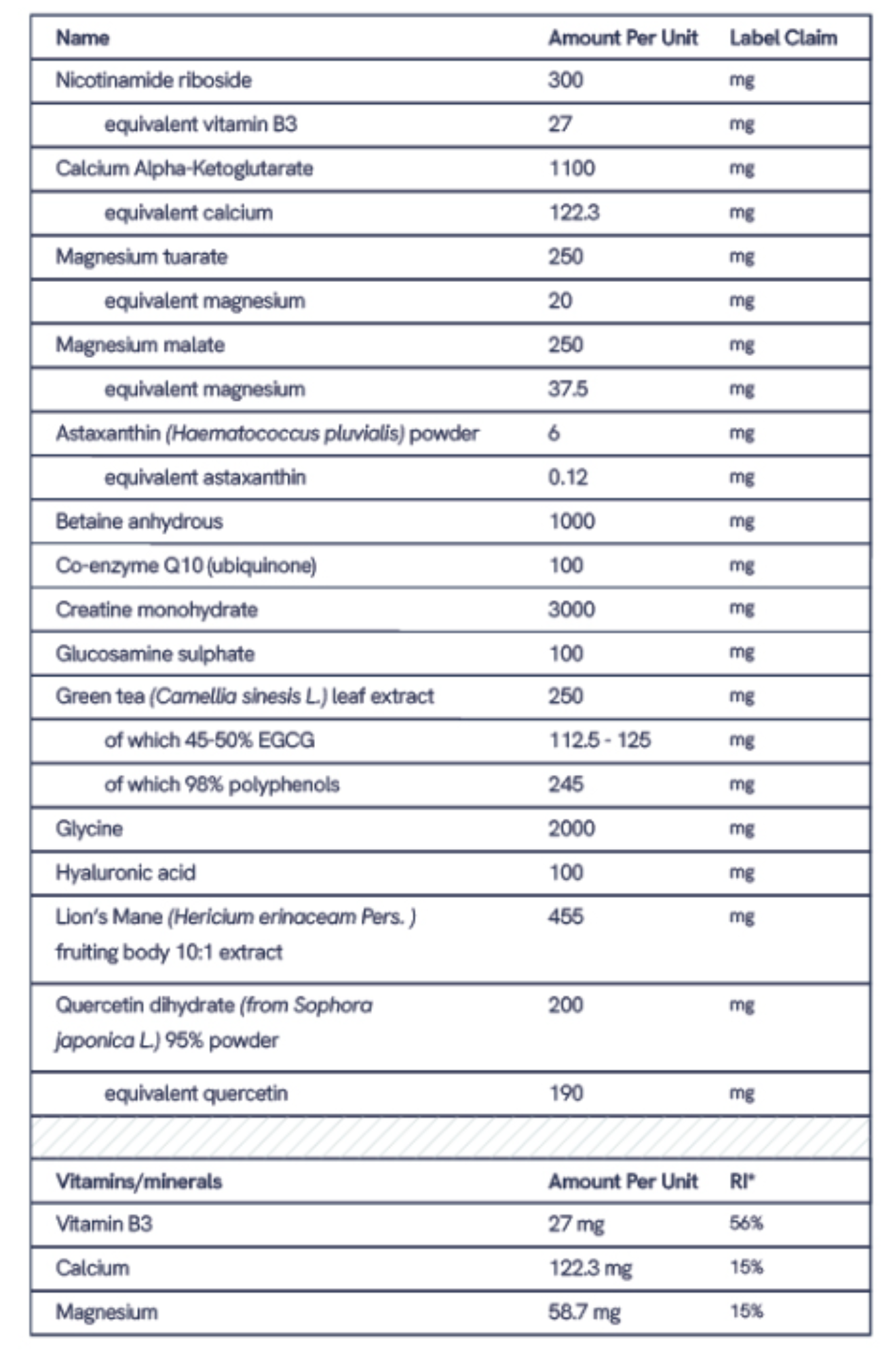
The research basis for whole foods in gut health is stronger than for isolated supplements. That said, prebiotic fibres (inulin, fructo-oligosaccharides, galacto-oligosaccharides) have demonstrated consistent effects on beneficial bacterial populations in human trials.3 Omega-3 fatty acids, present in products like Longevity Complete, have been associated with gut-relevant anti-inflammatory effects in some human studies. Any supplement should be evaluated alongside a foundation of whole-food dietary diversity rather than as a replacement for it.
Is kefir or yogurt better for the gut microbiome?
Both are fermented dairy products containing live cultures, but kefir typically contains a wider diversity of bacterial and yeast strains than most commercial yogurts. A systematic review of kefir RCTs found evidence of beneficial effects on immune and metabolic markers in some studies, though the evidence base is smaller and more variable than for yogurt.7 Both contribute to total fermented food intake, and variety across types of fermented foods is supported by the Stanford trial findings. Choosing products with live cultures and no added sugars is generally advisable.
Are ultra-processed foods really bad for the microbiome?
Human population studies consistently associate higher ultra-processed food consumption with less favourable gut microbiome profiles, including lower diversity and reduced abundance of beneficial species.4,8 Additives such as emulsifiers have been shown in some studies to alter gut barrier integrity. These are observational associations and do not establish that reducing UPF intake will directly restore microbiome health, but the pattern is consistent across multiple countries and populations.
What is the best longevity drink for gut health?
From a gut microbiome research perspective, fermented beverages such as kefir (dairy or water kefir) and kombucha are the most studied. Both introduce live microorganisms and fermentation-derived compounds. The Stanford trial included fermented beverage consumption as part of its high-fermented-food protocol and observed favourable microbial diversity outcomes.2 Plain water remains the most important beverage for gut motility and barrier function. Minimising sugar-sweetened and ultra-processed drinks is supported by the association data linking UPFs to less favourable microbiome profiles.
References
- Badal VD, Vaccariello ED, Murray ER, et al. The gut microbiome, aging, and longevity: a systematic review. Nutrients. 2020;12(12):3759. View on PubMed ↗
- Wastyk HC, Fragiadakis GK, Perelman D, et al. Gut-microbiota-targeted diets modulate human immune status. Cell. 2021;184(16):4137-4153.e14. View on PubMed ↗
- Simpson HL, Campbell BJ. Review article: dietary fibre-microbiota interactions. Aliment Pharmacol Ther. 2015;42(2):158-179. [Citation for the meta-analysis is: Dahl WJ, Auger J, Alyousif Z. Dietary fiber intervention on gut microbiota composition in healthy adults. Am J Clin Nutr. 2018;107(6):965-983.] View on PubMed ↗
- Rondinella D, Raoul PC, Valeriani E, et al. The detrimental impact of ultra-processed foods on the human gut microbiome and gut barrier. Nutrients. 2025;17(5):859. View on PubMed ↗
- Palleja A, Mikkelsen KH, Forslund SK, et al. Recovery of gut microbiota of healthy adults following antibiotic exposure. Nat Microbiol. 2018;3(11):1255-1265. View on PubMed ↗
- Wilmanski T, Diener C, Rappaport N, et al. Gut microbiome pattern reflects healthy ageing and predicts survival in humans. Nat Metab. 2021;3(3):274-286. View on PubMed ↗
- Kairey L, Leech B, El-Assaad F, et al. The effects of kefir consumption on human health: a systematic review of randomized controlled trials. Nutr Rev. 2023;81(3):267-286. View on PubMed ↗
- Cuevas-Sierra A, Ramos-Lopez O, Riezu-Boj JI, Milagro FI, Martinez JA. Gut microbiota differences according to ultra-processed food consumption in a Spanish population. Nutrients. 2021;13(8):2710. View on PubMed ↗