Biological age refers to how old your body's cells and systems function compared to a chronological baseline. Multiple methods measure biological age: epigenetic clocks (like GrimAge and DunedinPACE), blood-based biomarker panels, and physiological measures like VO2 max and grip strength. Human research shows lifestyle interventions — including exercise, sleep, and dietary changes — can measurably reduce biological age scores in clinical studies.
Key Takeaways
- Biological age and chronological age often diverge substantially. Two people born the same year can have cellular and physiological profiles that differ by a decade or more.
- Epigenetic clocks — particularly GrimAge and DunedinPACE — are currently the strongest DNA methylation-based predictors of mortality risk and pace of aging in human cohort studies.1,3
- VO2 max (cardiorespiratory fitness) is one of the strongest single physiological predictors of longevity. In a cohort of over 122,000 adults, low cardiorespiratory fitness was associated with a five-fold higher mortality risk compared to elite fitness.6
- Grip strength is a validated functional biomarker of biological aging. The PURE study (139,691 participants across 17 countries) found that grip strength was a stronger predictor of all-cause and cardiovascular mortality than systolic blood pressure.7
- A randomised controlled trial showed that a specific diet and lifestyle programme was associated with a 3.23-year decrease in DNA methylation age compared with controls over eight weeks.8
- Diet quality is consistently associated with slower epigenetic aging. In a study of 4,500 Women's Health Initiative participants, Mediterranean diet adherence was inversely associated with DunedinPACE — a pace-of-aging measure.10
- Biological age is modifiable. Unlike your birth certificate, your biological age score can shift in response to measurable lifestyle changes — though the size, speed, and durability of change vary across individuals and methods.
What Is Biological Age and How Is It Different from Your Birthdate?
Your chronological age is a simple calendar calculation: the number of years since you were born. It is fixed, universal, and shared by everyone born on the same day. Biological age is a fundamentally different concept. It attempts to capture how old your body actually functions — not how many trips it has made around the sun, but the functional and molecular state of its cells, tissues, and organ systems.
The distinction matters because chronological age is a poor predictor of individual health trajectories. Two people who are both 55 years old can look, perform, and measure very differently in the laboratory. One may have the cardiovascular function of a 40-year-old and the DNA methylation profile of someone ten years younger. The other may show signs of accelerated decline across multiple physiological systems. Chronological age cannot capture this divergence. Biological age attempts to.
The concept of biological age encompasses several measurement domains, each capturing a different dimension of how the body is aging. Epigenetic measures track chemical modifications to DNA that change predictably with age and lifestyle. Proteomic measures assess protein profiles in blood. Metabolomic measures look at metabolite patterns. Physiological and functional measures evaluate how well the body performs — how much oxygen it can use during exercise, how much force the hands can generate, how well the heart recovers after exertion.
None of these methods is perfect. Each captures a different dimension of aging, and they do not always agree with one another. A person can have a relatively young epigenetic clock score but older-than-expected grip strength decline, or vice versa. This is why researchers increasingly argue for multi-domain approaches that integrate several markers rather than relying on any single measure. In the consumer context, this is relevant when evaluating what a given biological age test is actually measuring — and what it is not.2
Why does biological age predict health outcomes better than chronological age? In large longitudinal studies, epigenetic age acceleration — the degree to which a person's biological age exceeds their chronological age — has been associated with increased risk of major diseases, disability, and all-cause mortality, independent of conventional risk factors. This makes biological age not just an interesting scientific concept but a potentially actionable health metric.
Understanding the distinction between chronological and biological age is foundational to the broader longevity strategy. For a broader introduction to longevity science, see our guide on What Is Longevity (LS-17). For a discussion of how biological age relates to healthspan versus lifespan, see Healthspan vs Lifespan (LS-18).
Epigenetic Clocks: GrimAge, DunedinPACE, and Horvath
Epigenetic clocks are among the most scientifically validated tools for estimating biological age. They work by measuring DNA methylation — the addition of chemical methyl groups to specific sites on the DNA molecule (called CpG sites). These methylation patterns change in predictable ways as humans age. By measuring thousands of these sites simultaneously using blood or saliva samples, researchers can construct mathematical models that estimate a person's biological age from their DNA alone.
The Horvath Clock: First-Generation Foundations
The original epigenetic clock, developed by Steve Horvath and published in 2013, was a landmark contribution to aging science. Using 8,000 samples from 82 different datasets covering 51 healthy tissues and cell types, Horvath demonstrated that DNA methylation patterns could estimate chronological age with striking accuracy across diverse tissues.2 The Horvath clock proved that the epigenome carries a persistent biological record of time elapsed.
However, the first-generation Horvath clock was primarily calibrated to predict chronological age — how old someone is, not how well they are aging. Its predictive utility for mortality and disease outcomes was weaker than later clocks. It was, nonetheless, a foundational proof of concept that spawned an entire field of epigenetic aging research.
GrimAge: The Mortality Predictor
GrimAge, developed by Ake Lu, Steve Horvath, and colleagues and published in 2019, represented a significant advance. Unlike earlier clocks, GrimAge was not designed to predict chronological age. Instead, it was trained against time-to-death data — meaning its CpG sites were selected specifically because they track biological processes associated with mortality risk.1
GrimAge is constructed as a composite of DNA methylation-based surrogates for seven plasma proteins (including PAI-1, leptin, and GDF-15) and smoking pack-years. In large-scale validation using thousands of individuals, GrimAge demonstrated remarkable predictive validity for time-to-death (Cox regression P = 2.0 x 10⁻⁷⁵), time to coronary heart disease, and time to cancer. Adjusting GrimAge for chronological age generates a measure called GrimAge Acceleration (GrimAgeAA), which reflects how much faster or slower a person's biology is aging relative to what would be expected for their calendar age.
Independent research confirmed GrimAge's superiority over earlier clocks in predicting clinical outcomes. A study of 490 participants in the Irish Longitudinal Study on Ageing found that GrimAge Acceleration was associated with walking speed, polypharmacy, frailty, and mortality across a ten-year follow-up — outperforming the Horvath, Hannum, and PhenoAge clocks on most outcomes.4 Faster GrimAge was associated with an 81% increase in mortality hazard per standard deviation increase in GrimAgeAA. This makes it the current gold standard for epigenetic mortality prediction in human research.
For a deeper exploration of epigenetic clocks and how to get tested, see our dedicated guide The Complete Guide to Epigenetic Clocks (LS-22).
PhenoAge: Bridging Phenotype and Methylation
PhenoAge, developed by Morgan Levine and colleagues and published in 2018, took a different approach. Rather than training directly on mortality data, it first constructed a phenotypic age score from nine clinical biomarkers — including CRP, creatinine, glucose, albumin, and alkaline phosphatase — that collectively predict biological aging. It then used DNA methylation data to create a methylation-based predictor of this phenotypic age score.5
PhenoAge is notable for predicting all-cause mortality, cancer, healthspan, physical functioning, and Alzheimer's disease more accurately than earlier first-generation clocks. Its composite approach — linking methylation to clinical biomarkers — also means it bridges the gap between blood-based biomarker testing and epigenetic measurement. PhenoAge is commonly included in consumer-facing epigenetic testing services.
DunedinPACE: Measuring the Speed of Aging
DunedinPACE represents a conceptually distinct advance. Where GrimAge asks "how biologically old is this person?", DunedinPACE asks "how fast is this person aging right now?" It was developed from the longitudinal Dunedin Study, which tracked 1,037 individuals born in 1972-1973 in Dunedin, New Zealand. Researchers measured 19 biomarkers of organ-system integrity — cardiovascular, metabolic, renal, hepatic, immune, dental, and pulmonary systems — at ages 26, 32, 38, and 45 years. This provided a measure of each person's actual rate of biological decline over two decades.
DunedinPACE is then a DNA methylation-based surrogate for this 20-year pace of aging, derived from a single blood sample. A score of 1.0 represents aging at the expected rate; higher scores indicate faster aging; lower scores indicate slower aging.3 DunedinPACE has shown high test-retest reliability and has been associated with morbidity, disability, and mortality. Critically, it also detects incremental changes in pace of aging — making it particularly valuable as an endpoint in intervention trials where researchers want to see whether a given lifestyle change is actually slowing biological aging.
Preliminary data suggests DunedinPACE responds to interventions such as caloric restriction and dietary change more readily than static clock estimates, though this is an active research area and caution is warranted before drawing firm conclusions about what a single test result means for any individual.
Limitations of Consumer Epigenetic Testing
These clocks were developed and validated in research settings using large cohorts with rigorous protocols. Applying them in the consumer context introduces several important limitations. Most clocks were developed predominantly in European-ancestry populations, and some evidence suggests their performance may differ across ethnicities. Clock scores can vary based on laboratory processing methods and sample handling. A single time-point measurement captures a snapshot, not a trajectory. And the research validating these clocks links population-level statistics to individual risk — which means a higher GrimAge score indicates higher average risk in groups, but cannot make deterministic predictions about any single person's health future.
Consumer testing services offering epigenetic clock analysis include TruDiagnostic and Elysium, among others. These tests are educational tools, not clinical diagnostics. They are most useful when repeated over time to track directional changes in response to lifestyle interventions, rather than as standalone absolute measurements.
Blood Biomarker Testing: What Panels Reveal About Biological Age
Blood-based biomarker panels offer a complementary approach to epigenetic clocks. Rather than measuring DNA methylation directly, they assess circulating molecules in blood — proteins, metabolites, hormones, and inflammatory markers — that reflect the functional state of multiple organ systems simultaneously.
Services such as InsideTracker, Function Health, and similar platforms offer comprehensive blood panels that can be used to construct multi-domain biological age estimates or simply to identify areas of accelerated physiological aging. The markers that tend to carry the most signal in biological age contexts include high-sensitivity CRP (a marker of systemic inflammation), homocysteine (a marker of methylation capacity and cardiovascular risk), HbA1c (reflecting average blood glucose over three months), lipid fractions including LDL and HDL cholesterol, IGF-1 (reflecting the growth hormone axis and metabolic vitality), DHEA-S (an adrenal hormone that declines progressively with age and is associated with healthspan), and kidney and liver function markers.
The advantage of blood biomarker testing over epigenetic clocks is that it provides more direct and actionable clinical information. Elevated homocysteine, for example, can be addressed through B-vitamin supplementation. Sub-optimal Vitamin D status can be corrected. Markers like Vitamin B6, B12, and Folate contribute to normal homocysteine metabolism (EFSA-approved). Similarly, Zinc and Selenium contribute to protection of cells from oxidative stress (EFSA-approved), and these nutrient markers are typically included in comprehensive panels.
The limitation is that blood biomarkers reflect recent physiological state rather than cumulative biological aging history. A single reading can be significantly affected by recent lifestyle events — a period of illness, a change in sleep, or an acute stress response. Multiple readings over time provide more reliable signal than any single test.
For a detailed comparison of InsideTracker, Function Health, and similar services, see our article InsideTracker vs Function Health vs Outlive.bio (LS-21).
Physiological Biological Age: VO2 Max, Grip Strength, and Other Markers
Not all biological age assessment requires laboratory testing. Several functional and physiological measures are strongly associated with biological aging rate and longevity outcomes — and some can be tracked with consumer fitness technology or even assessed at home.
VO2 Max: The Longevity Vital Sign
VO2 max — maximal oxygen uptake — is a measure of the maximum rate at which the cardiovascular and respiratory systems can deliver oxygen to working muscles. It declines with age at a rate of approximately 10% per decade after the age of 30 in sedentary adults, and it is strongly modifiable through aerobic exercise training.
VO2 max has emerged as one of the single strongest predictors of longevity in human cohort research. A retrospective cohort study of 122,007 patients undergoing exercise treadmill testing found that cardiorespiratory fitness was inversely associated with all-cause mortality, with no observed upper limit of benefit. Low fitness (below the 25th percentile for age and sex) was associated with a five-fold higher mortality risk compared to elite fitness (above the 97.7th percentile), a risk differential that exceeded that of conventional risk factors including smoking, diabetes, and coronary artery disease.6
Each 1 MET improvement in cardiorespiratory fitness is associated with a roughly 11-17% reduction in all-cause mortality risk in meta-analytic data. This dose-response relationship means that improving VO2 max from very low to moderate levels produces larger absolute mortality risk reductions than improving from moderate to high levels — making VO2 max improvement particularly valuable for those who are currently sedentary.
VO2 max can be estimated using wearable fitness devices (including some smartwatches and fitness trackers using heart rate variability algorithms) or by following standardised field tests. For a practical guide to testing and improving VO2 max, see our article How to Test and Improve Your VO2 Max (LS-11).
Grip Strength: A Simple Functional Age Marker
Hand grip strength — measured with a hand dynamometer — is a proxy for overall musculoskeletal strength and has been validated as a powerful predictor of biological aging outcomes across diverse populations. It is inexpensive, fast, and reproducible.
The PURE study, a large longitudinal investigation conducted across 17 countries involving 139,691 participants aged 35-70, found that grip strength was a stronger predictor of all-cause and cardiovascular mortality than systolic blood pressure. Each 5 kg reduction in grip strength was associated with a 16% increase in all-cause mortality risk (HR 1.16, 95% CI 1.13-1.20).7 This association was consistent across diverse income settings and demographic groups, suggesting it reflects a fundamental biological aging signal rather than a population-specific finding.
Grip strength norms by age and sex are well-established and can be used to estimate where a person falls relative to their age-matched peers. Values substantially below the 25th percentile for age and sex suggest an area worth addressing through resistance training and nutrition optimisation.
Resting Heart Rate and Heart Rate Variability
Resting heart rate and heart rate variability (HRV) are additional functional markers of cardiovascular and autonomic nervous system health that change with age and are modifiable through lifestyle. A lower resting heart rate (within the normal range) is generally associated with better cardiovascular fitness. Higher HRV — a measure of the variation between successive heartbeats — is associated with better autonomic nervous system function, resilience to stress, and healthier aging trajectories. Both markers are now readily trackable through consumer wearable devices.
Composite Physiological Age Scores
Some researchers have proposed combining multiple physiological markers into composite biological age scores — incorporating walking speed, chair-rise time, standing balance, grip strength, lung function (FEV1), resting blood pressure, and metabolic markers. These composite approaches tend to predict future health outcomes and mortality better than any single marker alone. Services like InsideTracker and Function Health attempt to synthesise similar multi-domain data into actionable biological age estimates that can be tracked over time.
How to Reduce Your Biological Age: Evidence from Human Studies
The question of whether biological age can be meaningfully reduced through lifestyle intervention — and not just measured — is increasingly supported by human research. The evidence base is still developing, and most intervention trials are small and short in duration. But the directional signals are consistent: certain lifestyle behaviours measurably affect biological age scores in humans.
Diet: Mediterranean Patterns and Epigenetic Age
The relationship between dietary quality and epigenetic aging has been studied in both observational and intervention contexts. A pilot randomised controlled trial tested an eight-week diet and lifestyle programme (including a plant-rich diet, targeted supplementation, exercise, sleep improvement, and relaxation practices) in 43 healthy adult males. Those in the treatment group were measured at an average of 3.23 years younger on the Horvath DNAmAge clock compared with controls at the end of the programme, with a within-group reduction of approximately 2.04 years compared to baseline. This was the first randomised controlled trial to suggest epigenetic age reversal using diet and lifestyle, though the study was small (n=43) and pilot in nature — results require confirmation in larger trials.8
A separate one-year pilot study from the NU-AGE project followed 120 elderly adults in Italy and Poland who followed a personalised Mediterranean-like dietary intervention. The study observed a trend toward epigenetic rejuvenation in the overall cohort, with a statistically significant 1.47-year reduction in DNA methylation age observed in the Polish female subgroup and in individuals who were epigenetically older at baseline.9 The sex- and country-specific effects highlight the need for personalised approaches and caution against overgeneralising these findings.
Observational data from larger cohorts provides additional supportive evidence. An analysis of 4,500 Women's Health Initiative participants found that higher adherence to Mediterranean, DASH, and Healthy Eating Index diets was consistently associated with slower DunedinPACE scores — suggesting that dietary quality is associated with a slower pace of biological aging across multiple metrics, independent of other lifestyle factors.10
Specific dietary factors that appear particularly relevant include adequate folate and B-vitamin intake (which support one-carbon metabolism, a key pathway for DNA methylation maintenance), polyphenol-rich foods (including green tea, olive oil, and berries), and overall dietary diversity. Anti-inflammatory dietary patterns consistently show the strongest associations with reduced epigenetic age acceleration.
Exercise: Aerobic and Resistance Training
Regular physical exercise is one of the most consistently supported lifestyle levers for maintaining young physiological biological age. As discussed in the VO2 max section above, higher cardiorespiratory fitness is among the strongest predictors of longevity across all human population studies examined.
Resistance training preserves lean muscle mass, maintains grip strength, supports bone density, and helps preserve metabolic function — all of which are associated with healthier biological aging trajectories. Zone 2 aerobic training specifically targets the mitochondrial density improvements that underpin VO2 max gains. For a comprehensive protocol incorporating both modalities, see our guide to The Complete Longevity Exercise Programme (LS-12).
Several small human studies have also observed epigenetic age improvements with exercise training interventions, though the evidence is less consistent than for diet. Highly trained athletes have been shown to have younger epigenetic age profiles than age-matched sedentary controls. However, acute overtraining and extreme exercise may not confer additional benefit over moderate, consistent exercise — and the optimal exercise dose for epigenetic age reduction in healthy adults remains to be established.
Sleep: Underappreciated but Measurable
Chronic sleep insufficiency is associated with accelerated biological aging across multiple measurement domains. Short sleep duration is associated with higher GrimAge acceleration in observational studies. Poor sleep quality affects HRV, elevates inflammatory markers (including CRP and IL-6), and impairs the glymphatic clearance of metabolic waste products from the brain. Improving sleep quality — through both duration and architecture — is one of the most accessible and underutilised biological age levers. For practical sleep optimisation strategies, see our guide Sleep Optimisation 101 (LS-13).
Stress Management and Social Connection
Chronic psychological stress is associated with accelerated epigenetic aging. Lifetime adversity and elevated glucocorticoid signalling have been linked to faster GrimAge acceleration in human cohort data. Conversely, interventions that reduce chronic stress — mindfulness practices, relaxing physical training, and strong social connections — have been associated with slower biological aging markers in pilot studies. These associations are directionally consistent but typically measured in small samples with limited follow-up.
Supplements: Where They Fit in the Picture
Several supplements have been studied in connection with biological age markers. NAD+ precursors (NMN and NR) have been researched for their potential to support the epigenetic maintenance pathways regulated by sirtuins — NAD-dependent deacetylases involved in chromatin regulation and genomic stability. Resveratrol has been studied in connection with sirtuin pathway activation. These areas are described in more detail in our NAD+ precursors article and relevant supplement articles.
It is important to frame these appropriately: no supplement has been shown in rigorous human trials to measurably reduce epigenetic age. The foundational lifestyle interventions — exercise, diet quality, sleep, and stress management — represent the current evidence-based core of biological age management. Where supplementation fits best is in addressing specific nutrient deficiencies or supporting the biochemical pathways that underpin healthy aging, within an overall lifestyle-first framework.
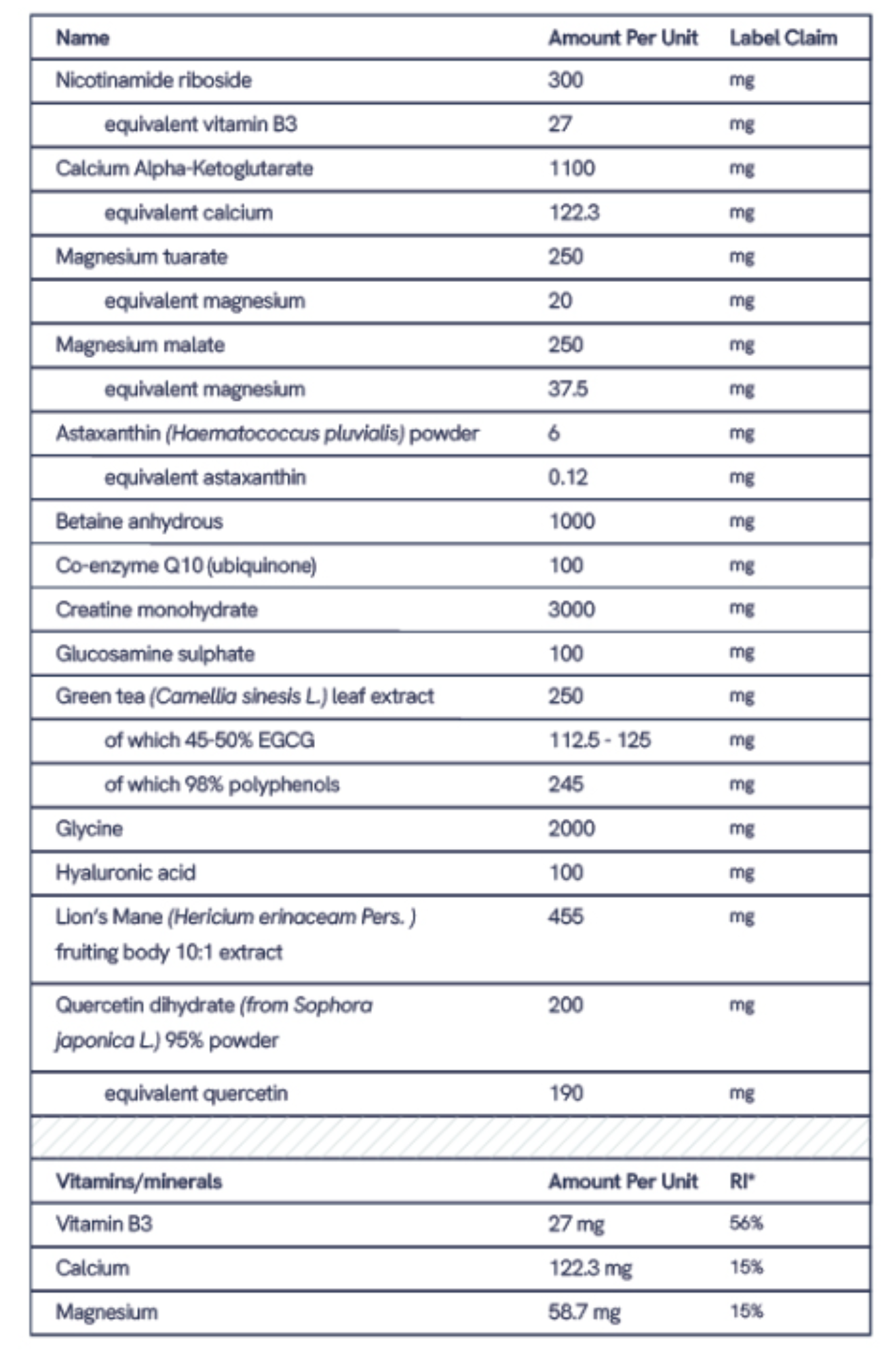
Longevity Complete, The Longevity Store's flagship formula, includes Vitamin B6, B12, and Folate (which contribute to normal homocysteine metabolism), Zinc (which contributes to normal DNA synthesis and protection of cells from oxidative stress), and Magnesium (which contributes to normal protein synthesis and plays a role in energy-yielding metabolism). These ingredients address nutritional foundations relevant to the mechanisms discussed in this article — within strict EFSA-approved claim language.
Q&A: Biological Age
What is the difference between biological age and chronological age?
Chronological age is the number of years since birth. Biological age attempts to measure how old the body's cells and systems actually function — based on DNA methylation patterns, blood biomarkers, or physiological markers. Two people of the same chronological age can have biological ages that differ by a decade or more, depending on their genetics, lifestyle, and health history.2
Which epigenetic clock is most accurate?
For predicting mortality risk, GrimAge is currently the most validated epigenetic clock in human research, having outperformed earlier clocks across multiple large cohorts.1,4 For measuring the pace or rate of aging (rather than an absolute age estimate), DunedinPACE has advantages as a dynamic, intervention-sensitive measure.3 No single clock is universally best for all purposes.
Can you reduce your biological age?
Human intervention studies suggest that specific lifestyle changes can shift epigenetic clock scores in a younger direction. The strongest evidence points to diet quality (particularly Mediterranean-pattern eating), regular aerobic and resistance exercise, and improved sleep.8,9 However, most intervention trials have been small and short in duration. The biological relevance of short-term clock changes — and their durability — requires further investigation in longer studies.
What is a good biological age score?
Broadly, a biological age lower than your chronological age is favourable. For epigenetic clocks, negative age acceleration (biological age younger than calendar age) is the goal. For physiological markers, being above average for your age and sex on VO2 max and grip strength norms is generally associated with better health outcomes.6,7 Context matters: a single number is less informative than tracking change over time.
Is VO2 max a reliable biological age marker?
VO2 max is one of the most strongly validated physiological predictors of longevity in human research. Its relationship with all-cause mortality is inverse and dose-dependent, without an observed upper limit of benefit.6 It is also highly modifiable through aerobic training, making it one of the most actionable physiological biological age markers available.
Can blood tests measure biological age?
Comprehensive blood panels — including markers such as CRP, homocysteine, HbA1c, lipid fractions, IGF-1, and DHEA-S — reflect the functional state of multiple organ systems and can provide a multi-dimensional view of physiological aging rate. Services like InsideTracker and Function Health use blood panels to estimate biological age and identify actionable areas. Blood markers tend to be more directly actionable than epigenetic clocks, as they often map to specific nutritional or lifestyle interventions.
What does DunedinPACE measure?
DunedinPACE measures the pace or speed of biological aging, expressed as a rate rather than an absolute age. A score of 1.0 represents aging at the expected rate; higher scores indicate faster aging. It was developed from two decades of longitudinal multi-organ tracking in the Dunedin birth cohort and distilled into a single-time-point DNA methylation blood test.3 It is designed to be sensitive to intervention effects, making it useful as a trial endpoint.
How does grip strength relate to aging?
Grip strength is a validated proxy for overall musculoskeletal health and biological aging. It declines with age in the absence of training. In the PURE study involving nearly 140,000 participants across 17 countries, grip strength was a stronger predictor of all-cause mortality than systolic blood pressure.7 Maintaining grip strength through resistance training is therefore a meaningful longevity intervention, not merely a fitness metric.
FAQ
What is biological age?
Biological age is a measure of how old the body's cells and systems function, as distinct from chronological age (years since birth). It can be estimated using epigenetic clocks (DNA methylation-based tools), blood biomarker panels, or physiological tests such as VO2 max and grip strength. Unlike chronological age, biological age is modifiable through lifestyle choices.
How is biological age measured?
Biological age can be measured via DNA methylation (epigenetic clocks such as GrimAge, DunedinPACE, or Horvath), comprehensive blood biomarker panels (assessing CRP, homocysteine, HbA1c, lipids, hormones, and metabolic markers), or physiological performance assessments (VO2 max, grip strength, resting heart rate, and HRV). Each approach captures different dimensions of aging, and they do not always agree.2
What is an epigenetic clock?
An epigenetic clock is a DNA methylation-based mathematical model that estimates biological age by measuring chemical modifications at specific sites across the genome. These patterns change with age in predictable ways. Different clocks are calibrated for different purposes: GrimAge predicts mortality risk,1 DunedinPACE measures aging pace,3 and PhenoAge integrates clinical biomarker data.5
Can lifestyle changes reduce biological age?
Human intervention studies suggest that dietary improvements, regular exercise, and better sleep can shift epigenetic clock scores in a younger direction.8 Most trials have been small and short in duration, so the magnitude and durability of change is not yet firmly established. The direction of evidence is consistent, however: lifestyle quality is measurably associated with biological age trajectories.
Is biological age testing available to consumers?
Yes. Epigenetic clock testing is available through companies such as TruDiagnostic and Elysium, which analyse DNA methylation from blood samples. Comprehensive blood biomarker panels are available through InsideTracker and Function Health. Physiological biological age can be partially assessed using VO2 max-estimating wearables and hand dynamometers for grip strength. These tools are best used for tracking change over time rather than as one-off absolute measurements.
Does diet affect biological age?
Yes, according to current human evidence. Higher dietary quality — particularly Mediterranean-pattern and anti-inflammatory diets — is consistently associated with slower epigenetic aging across multiple studies.10,9 Adequate intake of B vitamins (especially folate, B6, and B12), polyphenols, and overall dietary diversity appear particularly relevant to epigenetic maintenance pathways.
References
- Lu AT, Quach A, Wilson JG, et al. DNA methylation GrimAge strongly predicts lifespan and healthspan. Aging (Albany NY). 2019;11(2):303-327. View on PubMed ↗
- Horvath S. DNA methylation age of human tissues and cell types. Genome Biol. 2013;14(10):R115. View on PubMed ↗
- Belsky DW, Caspi A, Corcoran DL, et al. DunedinPACE, a DNA methylation biomarker of the pace of aging. Elife. 2022;11:e73420. View on PubMed ↗
- McCrory C, Fiorito G, Hernandez B, et al. GrimAge outperforms other epigenetic clocks in the prediction of age-related clinical phenotypes and all-cause mortality. J Gerontol A Biol Sci Med Sci. 2021;76(5):741-749. View on PubMed ↗
- Levine ME, Lu AT, Quach A, et al. An epigenetic biomarker of aging for lifespan and healthspan. Aging (Albany NY). 2018;10(4):573-591. View on PubMed ↗
- Mandsager K, Harb S, Cremer P, et al. Association of cardiorespiratory fitness with long-term mortality among adults undergoing exercise treadmill testing. JAMA Netw Open. 2018;1(6):e183605. View on PubMed ↗
- Leong DP, Teo KK, Rangarajan S, et al. Prognostic value of grip strength: findings from the Prospective Urban Rural Epidemiology (PURE) study. Lancet. 2015;386(9990):266-273. View on PubMed ↗
- Fitzgerald KN, Hodges R, Hanes D, et al. Potential reversal of epigenetic age using a diet and lifestyle intervention: a pilot randomized clinical trial. Aging (Albany NY). 2021;13(7):9419-9432. View on PubMed ↗
- Gensous N, Garagnani P, Santoro A, et al. One-year Mediterranean diet promotes epigenetic rejuvenation with country- and sex-specific effects: a pilot study from the NU-AGE project. Geroscience. 2020;42(2):687-701. View on PubMed ↗
- Kresovich JK, Shao Z, Hartman TJ, et al. Diet quality and epigenetic aging in the Women's Health Initiative. Am J Clin Nutr. 2024;119(4):900-912. View on PubMed ↗