Gut health supplementation for longevity centres on prebiotics (dietary fibre that feeds beneficial bacteria), probiotics (live beneficial microorganisms), and gut-supporting nutrients. Human research consistently links greater microbial diversity and a balanced gut environment with healthy immune function, reduced chronic inflammation, and metabolic wellbeing. Diet remains the primary driver of microbiome composition, and supplements may play a complementary role.
Key Takeaways
- The gut microbiome comprises trillions of microorganisms involved in immune regulation, nutrient metabolism, and inflammation modulation. Composition and diversity change meaningfully with age.1
- Human observational data links lower microbial diversity in older adults to increased frailty and poorer health markers, with diet identified as the primary modifiable factor.1
- A systematic review and meta-analysis of 64 randomised controlled trials found that dietary fibre intervention significantly increased Bifidobacterium and Lactobacillus abundance in healthy adults.3
- A 2023 meta-analysis of 26 human RCTs found that probiotic supplementation was associated with improved gut barrier function markers and reductions in inflammatory proteins.5
- A randomised study in healthy adults found that a high-fermented-food diet steadily increased microbiota diversity and was associated with decreased inflammatory markers.4
- Strain-specificity matters significantly in probiotic research; results from one bacterial strain cannot be assumed to apply to others. Effect sizes vary considerably across trials.
- Diet remains the foundation of microbiome health. Supplements are best understood as complementary to a fibre-rich, varied diet rather than a replacement for it.2
The Gut-Longevity Axis: Why the Microbiome Matters as We Age
The human gut microbiome -- the collective community of bacteria, archaea, fungi, and viruses residing primarily in the large intestine -- is now recognised as one of the most complex and influential ecosystems in human biology. With an estimated 100 trillion microbial cells and over 1,000 distinct bacterial species, the gut microbiome participates in fundamental physiological functions: nutrient digestion and absorption, short-chain fatty acid (SCFA) production, vitamin synthesis, xenobiotic metabolism, and immune system education.2
Ageing is associated with characteristic shifts in microbiome composition. A landmark study by Claesson and colleagues, published in Nature, examined the gut microbiota of 178 older adults (aged 64 to 102) in Ireland and found that microbial community diversity differed significantly between those living in long-term residential care and those living independently in the community. Crucially, the separation of microbiota composition correlated significantly with measures of frailty, co-morbidity, nutritional status, and markers of inflammation. Community-dwelling individuals had greater microbial diversity, and their dietary patterns -- higher in fibre, lower in saturated fat -- were associated with this more favourable microbiome profile.1
A 2020 systematic review synthesised findings from 27 empirical human studies of ageing and the gut microbiome. The review identified consistent patterns: alpha diversity was higher in the oldest-old individuals compared to younger-old adults, and specific genera such as Akkermansia were more consistently elevated with healthy ageing, while Faecalibacterium and certain Lachnospiraceae were often reduced. The authors noted the limitations of cross-sectional study designs and the need for longitudinal data, but the overall picture points toward a meaningful connection between microbiome composition and trajectories of healthy ageing.6
The gut-immune connection is a critical part of this picture. Approximately 70% of the body's immune tissue is located in or near the gastrointestinal tract. Short-chain fatty acids such as butyrate, produced by microbial fermentation of dietary fibre, serve as key signalling molecules for intestinal epithelial cells and immune regulators. Disruption of microbial diversity -- referred to as dysbiosis -- has been associated with increased intestinal permeability and low-grade systemic inflammation, a state increasingly studied in the context of age-related health changes. For a deeper exploration of gut dysbiosis as a hallmark of ageing, see our dedicated dysbiosis hallmark blog.
The gut-brain axis -- the bidirectional communication network between the gastrointestinal system and the central nervous system, mediated in part through the vagus nerve, gut hormones, and microbial metabolites -- also represents an active area of human research. Observational studies have linked microbiome composition to markers of cognitive and psychological function, though establishing causality in humans remains challenging.2
Prebiotics and Probiotics: What the Human Evidence Shows
Prebiotics: Feeding the Microbiome
Prebiotics are defined as substrates that are selectively utilised by host microorganisms in a way that confers a health benefit. In practical terms, this typically refers to certain types of dietary fibre that resist digestion in the small intestine and arrive in the colon where they serve as food for specific beneficial bacterial strains. The most studied prebiotic fibres include fructooligosaccharides (FOS), inulin, galactooligosaccharides (GOS), and resistant starch.
A systematic review and meta-analysis published in the American Journal of Clinical Nutrition analysed 64 randomised controlled trials involving 2,099 healthy adult participants. Dietary fibre intervention resulted in significantly higher abundance of Bifidobacterium species (standardised mean difference 0.64, P < 0.00001) and Lactobacillus species, as well as higher fecal butyrate concentrations compared with placebo or low-fibre comparators. The authors noted that fibre type mattered considerably: accepted prebiotic fibres (fructans and galactooligosaccharides) produced the most selective bifidogenic effects, while general fibres showed more variable results.3
The significance of increased Bifidobacterium abundance lies in what this genus does: it ferments fibres to produce acetate and lactate, supports intestinal barrier integrity, and is associated with the production of B vitamins. Butyrate -- a short-chain fatty acid produced through fermentation -- is the primary energy source for colonocytes (the cells lining the colon) and plays a role in maintaining gut barrier function and modulating mucosal immune responses. For a more detailed review of fibre and prebiotic supplementation, see our dedicated article on fibre and prebiotics (#12).
Probiotics: Live Microorganisms in Supplement Form
Probiotics are defined as live microorganisms that, when administered in adequate amounts, confer a health benefit on the host. The most commonly studied probiotic genera are Lactobacillus and Bifidobacterium, though Saccharomyces boulardii (a beneficial yeast) also has a well-studied evidence base.
A 2023 systematic review and meta-analysis published in Frontiers in Immunology pooled data from 26 randomised controlled trials (n = 1,891 participants) to assess the effects of probiotics on gut barrier function. Probiotic supplementation was associated with significant improvements in gut barrier markers, including reductions in serum zonulin, endotoxin, and lipopolysaccharide levels -- all markers of intestinal permeability. Probiotic groups also showed better outcomes in inflammatory markers including CRP, TNF-alpha, and IL-6 compared to control groups.5
A significant contribution to this area came from a 17-week randomised prospective trial at Stanford, published in Cell, which enrolled healthy adults and compared two dietary interventions: a high-fibre diet and a high-fermented-food diet. The high-fermented-food group -- consuming foods such as yogurt, kefir, fermented vegetables, and kombucha -- showed a sustained increase in microbiota diversity over the course of the study. Additionally, a panel of 19 inflammatory proteins decreased in the fermented-food group, while changes in the high-fibre group were more variable and dependent on baseline microbiota diversity. The authors concluded that fermented foods may be particularly valuable for countering the decrease in microbiome diversity and increase in inflammation characteristic of industrialised societies.4
An important caveat applies to all probiotic research: results are strain-specific and context-specific. A finding for Lactobacillus rhamnosus GG does not automatically apply to other Lactobacillus strains, or to Bifidobacterium species. Consumers looking at probiotic supplements should examine whether the specific strain used in a product has human evidence behind it, rather than generalising across genera.2
Synbiotics: Combining Prebiotics and Probiotics
Synbiotics refer to products that combine both prebiotic and probiotic components, designed so that the prebiotic preferentially supports the survival or activity of the included probiotic strain. The rationale is that including the specific fibre substrate alongside the beneficial bacteria may enhance the colonisation and activity of those bacteria in the gut. Evidence from human trials on synbiotics is growing but is currently less extensive than for prebiotics or probiotics independently. Meta-analyses have shown that synbiotic supplementation can enhance specific beneficial bacterial strains (notably Lactobacillus casei) and reduce markers of intestinal permeability, though heterogeneity between studies remains high.
Digestive Enzymes and Gut-Supporting Nutrients
Digestive Enzymes
Digestive enzyme supplementation is a distinct category from probiotic and prebiotic use. Enzymes such as amylase, protease, lipase, and lactase are involved in breaking down carbohydrates, proteins, fats, and lactose respectively. Endogenous production of digestive enzymes can decline with age or be insufficient in specific conditions such as lactose intolerance or exocrine pancreatic insufficiency. In these contexts, enzyme supplementation has clinical evidence. For generally healthy adults, the evidence supporting routine digestive enzyme supplementation is more limited and the decision is best made in consultation with a healthcare professional who can assess individual digestive function.
Zinc and Gut Barrier Function
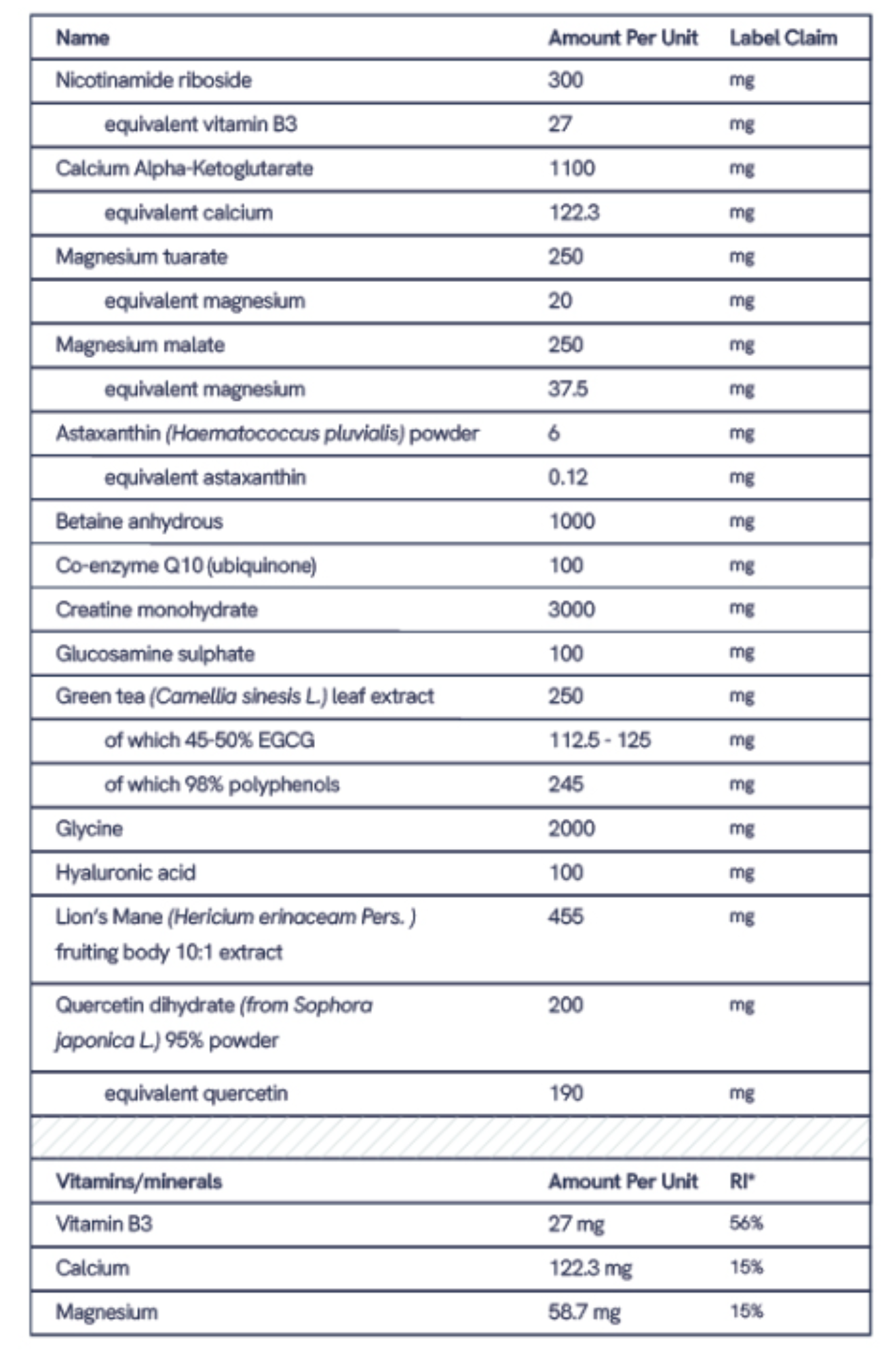
Zinc is an essential trace element with well-documented roles in gut epithelial integrity and immune function. Human studies have shown that zinc deficiency is associated with increased intestinal permeability -- sometimes described informally as "leaky gut" -- and that zinc repletion can support restoration of barrier function. At the regulatory level, zinc contributes to normal immune function and to normal DNA synthesis (EFSA-approved claims). While these claims do not speak specifically to gut health, the biological role of zinc in supporting epithelial cell turnover and mucosal immunity is established. Longevity Complete includes zinc, contributing to immune function, normal DNA synthesis, and protection of cells from oxidative stress.
Polyphenols and Microbiome Diversity
Dietary polyphenols -- bioactive plant compounds found in fruits, vegetables, tea, coffee, and red wine -- have been studied for their effects on gut microbiome composition. Because polyphenols are largely not absorbed in the small intestine, they reach the colon where they interact with resident bacteria. Human observational studies have linked higher polyphenol intake to greater microbiome diversity, and a smaller number of intervention studies have examined specific polyphenol-rich foods. Research published in the BMJ identifies polyphenol-rich foods as among the dietary patterns most consistently associated with favourable microbiome composition in human populations.2 This is an active area of research, and supplemental polyphenol concentrations have not yet been studied as thoroughly as whole food sources.
L-Glutamine and Intestinal Lining Support
L-glutamine is the most abundant amino acid in the bloodstream and serves as a primary fuel source for enterocytes (cells of the small intestinal lining). It is also required for the synthesis of nucleotides and is involved in tight junction protein expression. Human research on supplemental L-glutamine in the context of gut permeability exists primarily in populations with specific clinical conditions (critical illness, gastrointestinal surgery, intensive exercise). Evidence in generally healthy adults is more limited, and L-glutamine should not be framed as a routine gut supplement for longevity without specific indication. As always, consultation with a healthcare professional is advisable.
Practical Considerations for Gut-Supportive Supplementation
The primary driver of microbiome composition is diet, not supplements. A varied, fibre-rich diet including diverse plant foods, fermented foods, and adequate hydration provides the substrate that beneficial bacteria require to thrive.2,4 The following considerations apply when evaluating gut-focused supplements:
Prebiotic fibre dosage: Studies demonstrating bifidogenic effects have generally used doses of 5 to 20 g per day of specific prebiotic fibres. Higher doses may cause gastrointestinal symptoms (bloating, flatulence) in some individuals, particularly at initiation. A gradual introduction is generally recommended.3
Probiotic strain identification: Any probiotic product should clearly identify the strain used down to species and strain designation (for example, Lactobacillus rhamnosus GG, not just "Lactobacillus"). Colony-forming units (CFUs) at the time of consumption -- not at manufacture -- are the relevant potency figure. Third-party testing can verify CFU counts.
Storage and stability: Probiotic bacteria vary considerably in their stability at room temperature. Many strains require refrigeration to maintain viability. Some products use encapsulation technology to protect bacteria through the stomach acid environment. Third-party Certificate of Analysis (COA) documentation from an accredited laboratory provides the highest level of assurance about product quality.
Duration and consistency: Most human studies of probiotic supplementation run for 4 to 12 weeks. Effects on microbiome diversity and composition often require consistent, sustained intake to be detectable. Short-term use for specific purposes (such as alongside antibiotic treatment) follows different protocols from long-term general use.5
Individual variation: The human microbiome is highly individual. Response to both prebiotic and probiotic interventions varies considerably based on baseline microbiota composition, diet, age, and other factors. What works for one person may have a different effect in another.4
Q&A: Gut Health and Microbiome Supplementation
What is the difference between prebiotics and probiotics?
Prebiotics are dietary fibres and other substrates that feed beneficial bacteria already present in your gut. Probiotics are live beneficial microorganisms taken as supplements or consumed in fermented foods. Both have distinct mechanisms: prebiotics modify the environment to favour beneficial bacteria, while probiotics introduce specific strains directly.2 Many individuals benefit from both approaches, and combining them (synbiotics) is also studied.
Can gut health supplements improve longevity?
No supplement has been proven to extend human lifespan. However, human research consistently links greater microbiome diversity and a balanced gut environment with favourable immune function, metabolic health markers, and reduced inflammatory markers -- all of which are associated with healthy ageing.1,6 Gut health is best understood as a contributor to the broader foundation of healthy ageing, not a direct longevity intervention.
How does diet affect the gut microbiome?
Diet is the single most significant modifiable factor shaping the gut microbiome. A high-fibre, plant-diverse diet feeds Bifidobacterium and other beneficial genera and supports SCFA production.3 Fermented foods increase microbiome diversity and have been shown in human trials to decrease inflammatory markers.4 A low-fibre, high-processed-food diet is associated with reduced diversity.
Are probiotics effective for gut health?
Human RCT evidence supports the use of specific probiotic strains for certain outcomes, particularly gut barrier integrity and management of gastrointestinal symptoms.5 However, effects are strain-specific, and evidence for general longevity benefit in healthy adults is limited. The field is growing rapidly but results should not be over-generalised across products.
How does the microbiome change with age?
Ageing is associated with reduced microbial diversity and shifts in community composition, including declines in beneficial short-chain fatty acid-producing genera and increases in potentially inflammatory species.1,6 Factors including reduced dietary fibre intake, reduced physical activity, medication use, and changes in gastrointestinal motility all contribute to these shifts.
What are short-chain fatty acids and why do they matter?
Short-chain fatty acids (SCFAs) -- primarily butyrate, propionate, and acetate -- are produced when gut bacteria ferment dietary fibre. Butyrate is the primary fuel for colonocytes (cells lining the colon) and plays important roles in maintaining gut barrier integrity and modulating mucosal immune responses.2 Higher SCFA production is associated with greater prebiotic fibre intake in human studies.3
What is the gut-immune connection?
Approximately 70% of the body's immune tissue is associated with the gastrointestinal tract. Gut bacteria play a central role in educating and regulating the immune system. Dysbiosis -- imbalance in microbial community composition -- has been associated with increased intestinal permeability and systemic low-grade inflammation in human observational data.2 Nutrients with EFSA-approved immune function claims (vitamin C, D, B6, B12, folate, zinc, and selenium) provide a complementary foundation for immune support.
How do I choose a quality probiotic supplement?
Look for products that clearly identify the specific bacterial strain (genus, species, and strain designation), state the CFU count at time of consumption rather than manufacture, and provide third-party testing verification or a Certificate of Analysis from an accredited laboratory. Strain-specific human evidence is more informative than general claims about the genus. Storage requirements (refrigerated vs. room temperature stable) should be checked and respected.
What is the best diet for gut health and longevity?
Human research consistently points to diversity of plant foods, adequate dietary fibre (25-35 g daily from whole food sources), and regular consumption of fermented foods as the dietary pattern most associated with greater microbiome diversity and lower inflammatory markers.4,2 No single supplement replicates the full benefit of a varied, fibre-rich dietary pattern.
Do longevity drinks and blends support gut health?
Some multi-ingredient longevity formulations include gut-supportive components such as prebiotic fibres, digestive enzymes, or probiotic strains alongside vitamins and minerals. The clinical relevance depends on the specific ingredients and dosages included. Zinc, included in Longevity Complete, contributes to normal immune function and normal DNA synthesis (EFSA-approved). Evaluating any product requires looking at the specific formulation, rather than the product category as a whole.
How long does it take for gut supplements to work?
Changes in microbiome composition from dietary fibre or prebiotic supplementation can be detectable within 2 to 4 weeks of consistent intake.3 Probiotic effects on gut barrier markers and inflammation have been observed over 4 to 12 weeks in human RCTs.5 Consistency of intake matters more than short-term high dosing.
Are there EFSA-approved claims for gut health supplements?
EFSA has not approved general health claims specifically about probiotic bacteria or prebiotic fibres for gut health in the same way that claims exist for vitamins and minerals. Nutrients within gut-supporting formulations may carry approved claims: zinc contributes to normal immune function and normal DNA synthesis; vitamin C, zinc, and selenium contribute to protection of cells from oxidative stress. These ingredient-level claims reflect their established physiological roles.
Can I get enough prebiotics from food alone?
Yes, for many people a well-varied diet rich in whole grains, legumes, vegetables (particularly leeks, onions, garlic, asparagus), and fruits provides sufficient prebiotic fibre. Average fibre intake in many Western countries is below recommended levels. Prebiotic supplements may be useful for those who find it difficult to meet fibre targets through diet alone, but food sources remain the primary recommendation.2
Is third-party testing important for probiotic supplements?
Yes. Third-party testing for probiotic products is particularly important because viability -- the number of live bacteria -- can be significantly affected by manufacturing, packaging, and storage conditions. A Certificate of Analysis (COA) from an accredited laboratory such as Eurofins confirms that the stated CFU count is present at the time of testing. NZVT doping-free certification provides additional assurance of purity for relevant product categories.
References
- Claesson MJ, Jeffery IB, Conde S, Power SE, O'Connor EM, Cusack S, et al. Gut microbiota composition correlates with diet and health in the elderly. Nature. 2012;488(7410):178–184. View on PubMed ↗
- Valdes AM, Walter J, Segal E, Spector TD. Role of the gut microbiota in nutrition and health. BMJ. 2018;361:k2179. View on PubMed ↗
- So D, Whelan K, Rossi M, Morrison M, Holtmann G, Kelly JT, Shanahan ER, Staudacher HM, Campbell KL. Dietary fiber intervention on gut microbiota composition in healthy adults: a systematic review and meta-analysis. Am J Clin Nutr. 2018;107(6):965–983. View on PubMed ↗
- Wastyk HC, Fragiadakis GK, Perelman D, Dahan D, Merrill BD, Yu FB, et al. Gut-microbiota-targeted diets modulate human immune status. Cell. 2021;184(16):4137–4153.e14. View on PubMed ↗
- Zheng Y, Zhang Z, Tang P, Wu Y, Zhang A, Li D, Wang C-Z, Wan J-Y, Yao H, Yuan C-S. Probiotics fortify intestinal barrier function: a systematic review and meta-analysis of randomized trials. Front Immunol. 2023;14:1143548. View on PubMed ↗
- Badal VD, Vaccariello ED, Murray ER, Yu KE, Knight R, Jeste DV, Nguyen TT. The gut microbiome, aging, and longevity: a systematic review. Nutrients. 2020;12(12):3759. View on PubMed ↗
Disclaimer: Educational content only. Not medical advice. Supplements are not intended to diagnose, treat, cure, or prevent any disease. Consult a qualified healthcare professional if you have a medical condition or take medication.