Seniors benefit most from supplement approaches that address age-related nutrient absorption decline, bone and muscle maintenance, immune support, and cognitive function. The best stacks and superfood blends for adults over 55 prioritise well-absorbed nutrient forms, evidence-based doses, and ingredients with EFSA-approved health claims relevant to healthy ageing.
Key Takeaways
- Nutrient absorption efficiency declines with age, particularly for vitamin B12, calcium, and vitamin D, making targeted supplementation increasingly relevant for adults over 55.1
- A senior-focused supplement stack should prioritise bone and structural support (vitamin D, K, calcium, magnesium), energy and fatigue reduction (B vitamins), muscle maintenance (creatine), and immune function (vitamin C, D, zinc, selenium).
- Creatine supplementation at 3 g per day, combined with regular resistance training, has been shown in meta-analyses to enhance muscle strength and lean tissue mass in older adults.3
- Vitamin B12 deficiency is estimated to affect 10-15% of people over the age of 60, largely due to reduced gastric acid production and impaired absorption of protein-bound B12 from food.1
- Superfood blends for seniors should contain meaningful nutrient doses, avoid excessive caffeine or stimulants, and ideally provide well-absorbed forms such as methylcobalamin for B12.
- Medication interactions are a significant consideration for older adults, and any supplement routine should be discussed with a qualified healthcare professional, particularly when taking three or more medications.
- Sarcopenia (age-related loss of muscle mass and function) affects an estimated 10-16% of the elderly population worldwide, reinforcing the importance of nutritional and exercise strategies.5
Why Supplement Needs Change After 55
Ageing brings a series of physiological changes that directly affect how the body absorbs, processes, and utilises nutrients. Understanding these changes is the foundation for making informed supplement choices. For a broader overview of senior-specific supplement priorities, see our comprehensive guide to longevity supplements for seniors.
One of the most significant age-related changes is reduced gastric acid production. Atrophic gastritis, which becomes increasingly common with advancing age, decreases the acid and digestive enzymes needed to release vitamin B12 from food proteins. While the ability to absorb crystalline (supplemental) B12 typically remains intact, the absorption of protein-bound B12 from dietary sources declines substantially.1 This is one reason why supplemental forms of B12 become increasingly important after 50.
Vitamin D synthesis from sunlight also decreases with age. The skin's capacity to produce vitamin D3 (cholecalciferol) in response to ultraviolet B radiation diminishes progressively, while reduced outdoor activity and clothing habits further limit sun exposure in older populations.2 Calcium absorption from the intestine declines in parallel, partly due to lower vitamin D levels and partly due to age-related changes in intestinal transport mechanisms.
Muscle protein synthesis becomes less efficient with age, contributing to sarcopenia. A systematic review of meta-analyses estimated that sarcopenia affects 10-16% of the elderly worldwide, with prevalence increasing among those with chronic conditions.5 Adequate protein intake, resistance exercise, and targeted supplementation play important roles in supporting muscle maintenance.
Additionally, kidney function gradually declines with age, which can affect how minerals are cleared from the body and may require dose adjustments for certain nutrients. Polypharmacy (the concurrent use of multiple medications) is also common in older adults and introduces the risk of nutrient-drug interactions that must be carefully managed.
Building a Longevity Stack for Older Adults
A supplement "stack" refers to a combination of complementary nutrients taken together. For seniors, building an effective stack means selecting ingredients that address the most common age-related nutritional gaps, using evidence-based doses and well-absorbed forms. For general stacking principles that apply across all age groups, see our guide to building a longevity supplement stack.
Priority 1: Bone and Structural Support
Bone density naturally declines with age, making skeletal support a primary concern. A bone-focused stack for seniors typically includes vitamin D3, vitamin K2, calcium, and magnesium. Vitamin D, K, calcium, magnesium, and zinc all contribute to the maintenance of normal bones (EFSA-approved claim). Vitamin C contributes to normal collagen formation for the normal function of bones and cartilage (EFSA-approved claim).
Vitamin D3 is generally preferred over D2 due to its superior efficacy in raising and maintaining serum 25-hydroxyvitamin D levels. Fat-soluble absorption means vitamin D should ideally be taken with a meal containing dietary fat. Vitamin K2 (menaquinone) works synergistically with vitamin D by directing calcium to bone tissue rather than allowing it to accumulate in soft tissues. For a deeper exploration of vitamin D research, see our vitamin D article.
Priority 2: Energy and Fatigue Reduction
B vitamin status is a particular concern for older adults. Vitamin B12 deficiency, whether clinical or subclinical, affects a substantial proportion of the elderly population. One review estimated that 10-15% of people over 60 have frank deficiency, while marginal depletion may affect over 20% of those aged 60 and above.1,2
Magnesium, vitamin B6, and B12 help reduce tiredness and fatigue (EFSA-approved claim). Magnesium, vitamin B1, B3, B6, B12, and vitamin C contribute to normal energy-yielding metabolism (EFSA-approved claim). Vitamin B12 also contributes to the process of cell division (EFSA-approved claim). Supplemental B12 in crystalline form (such as methylcobalamin or cyanocobalamin) bypasses the need for gastric acid to release the vitamin from food proteins, making it more reliably absorbed in older adults.6 For more on B vitamins in a longevity context, see our B vitamins article.
Priority 3: Muscle Maintenance
Creatine is one of the most well-studied supplements for supporting muscle function in older adults. A meta-analysis of 22 randomised controlled trials involving 721 participants (mean age 57-70 years) found that creatine supplementation combined with resistance training resulted in significantly greater increases in lean tissue mass and both upper and lower body strength compared to resistance training with placebo.3
Creatine increases physical performance in successive bouts of short-term, high-intensity exercise at a dose of 3 g per day (EFSA-approved claim). Creatine enhances muscle strength in adults over 55 with regular resistance training (EFSA-approved claim). A further meta-analysis confirmed that creatine, independent of specific dosing strategy, augments lean tissue mass and strength gains from resistance training compared to placebo in ageing adults.4
Calcium and magnesium contribute to normal muscle function (EFSA-approved claim). Vitamin D contributes to normal muscle function (EFSA-approved claim).
Priority 4: Immune Support
Age-related changes in immune function, sometimes referred to as immunosenescence, make immune-supportive nutrients particularly relevant for older adults. Micronutrient deficiencies, including those of zinc and selenium, are more prevalent in ageing populations and have been associated with altered immune responses.7
Vitamin C, D, B6, B12, folate, zinc, and selenium contribute to the normal function of the immune system (EFSA-approved claim). Vitamin C, zinc, and selenium contribute to the protection of cells from oxidative stress (EFSA-approved claim). These nutrients work through multiple mechanisms in both innate and adaptive immune pathways.8
Priority 5: Cognitive Support
Maintaining cognitive function is a central concern for many older adults. Zinc contributes to normal cognitive function (EFSA-approved claim). Magnesium, vitamin B1, B3, B6, B12, biotin, and vitamin C contribute to normal psychological function and normal function of the nervous system (EFSA-approved claim). B vitamin status, particularly B12 and folate, has been studied extensively in relation to age-related cognitive changes, though the evidence for supplementation in cognitively healthy individuals remains an active area of investigation.2 For more on this topic, see our brain health article.
Interaction Awareness
Seniors building a supplement stack should be aware of key nutrient-drug and nutrient-nutrient interactions. Calcium can interfere with the absorption of thyroid medications (levothyroxine) and certain antibiotics, and should be taken at least four hours apart from these drugs. Vitamin K can interact with anticoagulant medications such as warfarin; individuals on anticoagulants should maintain consistent vitamin K intake and consult their healthcare provider before making changes. Iron and calcium compete for absorption and are best taken at separate times. For a comprehensive discussion of supplement-medication safety, see our safety and medications article.
Evaluating Superfood Blends for Seniors
Superfood blends, typically available as powders combining greens, berries, adaptogens, and other plant-based ingredients, have become an increasingly popular supplement category. For older adults, choosing a quality blend requires particular attention to several factors. For a broader evaluation of the superfood blend category, see our superfood blends guide.
Adequate B vitamin levels: Look for blends that provide meaningful amounts of B12, ideally in methylcobalamin form, which does not require conversion and is considered well-absorbed. Many superfood blends contain only trace amounts of B vitamins, which may not meaningfully contribute to daily intake requirements for older adults with elevated needs.
Meaningful doses rather than pixie-dusted blends: A blend listing 30 or more ingredients in a small serving size is unlikely to contain clinically relevant amounts of any single component. Check whether individual ingredient quantities are disclosed or hidden behind a proprietary blend label. Transparent dosing is a basic quality marker.
Absence of excessive stimulants: Some superfood and greens blends contain significant amounts of caffeine from green tea extract, guarana, or other sources. Older adults may be more sensitive to stimulant effects and may also be taking medications that interact with caffeine. Choose blends with clearly stated caffeine content, or opt for stimulant-free formulations.
Digestive enzyme inclusion: Given age-related declines in digestive enzyme production, blends that include digestive enzymes may offer an additional benefit for nutrient absorption in seniors. However, this should be considered a bonus feature rather than a primary selection criterion.
Easy-to-mix powder formats: Powder formats offer flexibility in serving size and can be mixed into water, smoothies, or other beverages. For seniors with swallowing difficulties, powder formats may be preferable to large capsules or tablets. Taste and mixability are practical considerations that influence long-term adherence.
Minimal added sugar: Some blends mask the taste of greens with substantial amounts of added sugar or artificial sweeteners. Read the nutrition label to assess total sugar content per serving. Products sweetened with small amounts of natural sweeteners are generally preferable to those with high sugar content.
Realistic expectations: Superfood blends provide supplemental nutrition and should not be expected to replace a balanced diet. They may contribute valuable micronutrients, fibre, and phytocompounds, but their primary role is nutritional supplementation rather than therapeutic intervention.
Practical Product Selection for Seniors
Format Considerations
Supplement format matters more for older adults than for younger populations. Difficulty swallowing (dysphagia) is common in ageing, and large capsules or tablets can pose genuine challenges. Practical alternatives include powders that dissolve in water or smoothies, liquid supplements or shots, smaller capsules, and sachets for convenient portion control. When choosing between formats, prioritise whatever supports consistent daily use, as adherence is ultimately more important than the theoretical superiority of any particular delivery method.
Timing Around Medications
For seniors taking multiple medications, timing of supplements relative to prescription drugs is an important practical consideration. General principles include separating calcium supplements from thyroid medication by at least four hours, taking iron and calcium at different times of day to avoid absorption competition, taking fat-soluble vitamins (D, K, E, A) with meals containing dietary fat, and considering whether any medications (such as proton pump inhibitors or metformin) may affect nutrient absorption.2
Cost Management
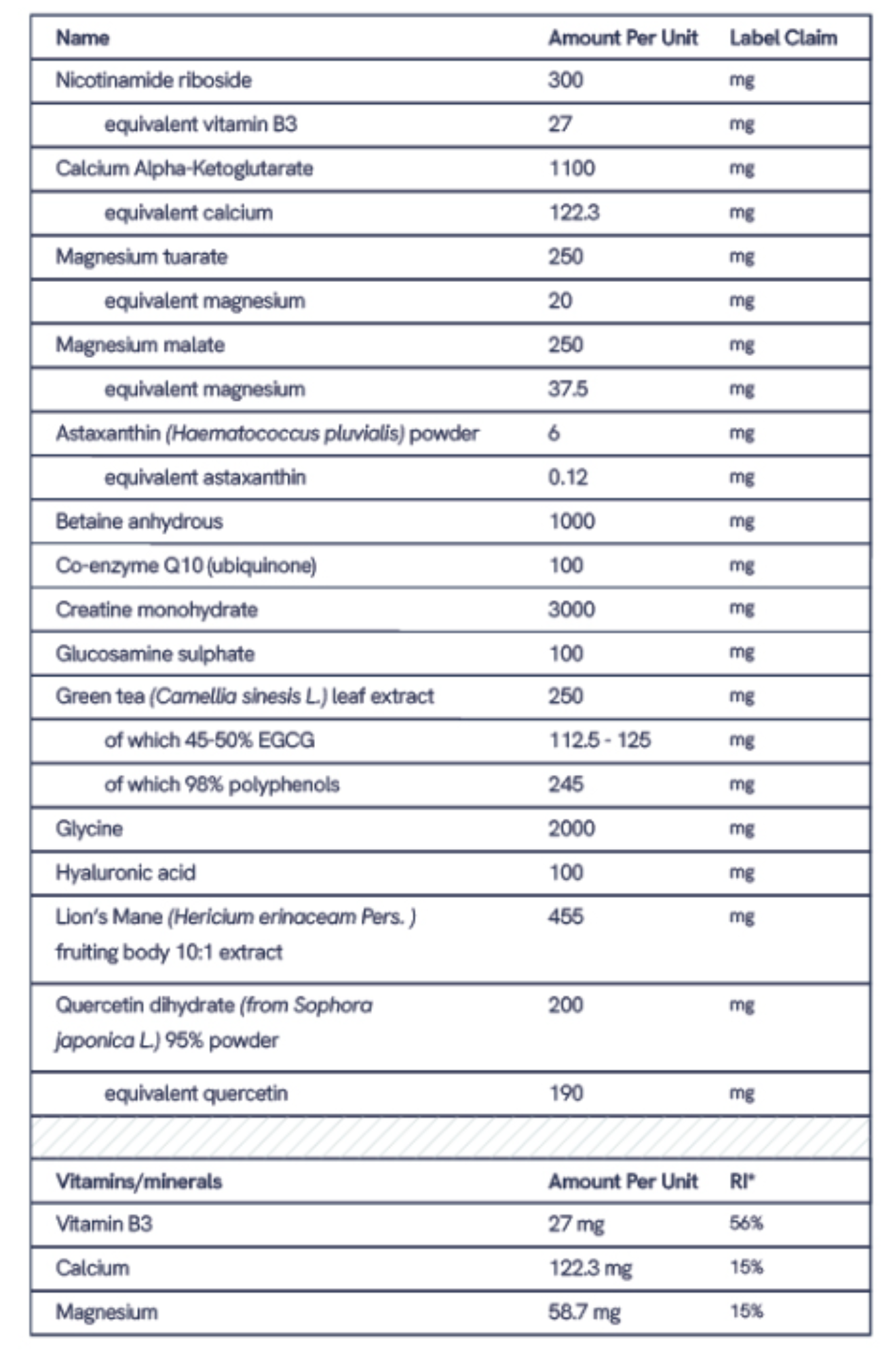
Managing supplement costs is a practical reality for many seniors. A sensible approach is to prioritise foundation nutrients first (vitamin D, B12, magnesium, and calcium are typically the most evidence-supported starting points), then add additional components based on individual needs, blood test results, and healthcare provider guidance. All-in-one formulas that combine multiple ingredients in a single daily serving can simplify routines and may be more cost-effective than purchasing numerous individual supplements. For example, comprehensive formulations like Longevity Complete aim to address multiple nutrient priorities in a single product, with ingredients selected for their EFSA-approved health claims and transparent dosing. Whichever approach you choose, our buying guide can help you evaluate products objectively.
Caregiver Guidance
For caregivers managing supplement routines on behalf of older adults, simplicity is essential. Weekly pill organisers can help track daily intake and reduce confusion. Maintaining a written list of all supplements (alongside medications) ensures accurate communication with healthcare providers. Monitoring for any changes in wellbeing after introducing new supplements, and reporting these promptly, supports safe long-term use.
When to Consult a Healthcare Provider
While this article provides educational information, several situations call for direct professional guidance before starting or modifying a supplement routine.
Polypharmacy situations: If you take three or more prescription medications, the potential for nutrient-drug interactions increases substantially. A healthcare provider or pharmacist can review your complete medication and supplement list for potential conflicts.
Kidney or liver conditions: Impaired kidney function affects how the body processes and excretes minerals such as potassium, magnesium, and phosphorus. Liver conditions may alter the metabolism of fat-soluble vitamins. Dose adjustments may be necessary, and some supplements may need to be avoided entirely.
High-dose single nutrients: Seniors should not self-prescribe high-dose single-nutrient supplements without professional guidance. While correcting a confirmed deficiency is appropriate, excessive intake of certain nutrients (such as vitamin A, iron, or calcium) can carry risks that outweigh potential benefits in older populations.
Blood testing recommendations: Baseline blood tests can identify specific deficiencies and guide targeted supplementation. Common tests relevant to older adults include serum 25-hydroxyvitamin D, serum B12 and methylmalonic acid, serum ferritin, and serum magnesium.6 Retesting after several months of supplementation helps confirm whether levels have normalised.
Q&A: Longevity Supplements for Seniors
What is the best longevity supplement stack for someone over 60?
There is no single "best" stack, as individual needs vary based on diet, health status, and medications. However, the most commonly evidence-supported foundation for adults over 60 includes vitamin D3, vitamin B12 (in crystalline form), magnesium, calcium, and zinc. Adding creatine at 3 g per day alongside resistance training is supported by meta-analysis evidence for muscle maintenance.3 A healthcare provider can help personalise this based on blood test results and medication interactions.
Are superfood blends safe for seniors with medications?
Most superfood blends are considered safe, but specific interactions are possible. Blends containing high levels of vitamin K may interact with anticoagulant medications. Those with significant caffeine content may interact with blood pressure or heart medications. Always check the ingredient list against your medication profile, and consult a pharmacist or physician if uncertain.
How much vitamin D should older adults take?
There is no single universally agreed dose. Many guidelines suggest that adults over 65 should aim for at least 800-1,000 IU of vitamin D3 per day, though some individuals may require higher doses to reach adequate serum levels. A blood test measuring 25-hydroxyvitamin D is the most reliable way to determine your personal requirements. Vitamin D contributes to the normal function of the immune system, to the maintenance of normal bones, and to normal muscle function (EFSA-approved claims).
Is creatine safe for seniors?
Creatine monohydrate has been studied extensively in older adult populations. A meta-analysis of 22 RCTs in adults aged 57-70 reported no significant adverse effects compared to placebo during resistance training programmes lasting 7-52 weeks.3 However, individuals with pre-existing kidney conditions should consult their healthcare provider before beginning creatine supplementation, as the kidneys are involved in creatine metabolism.
Do older adults need different supplement forms?
In some cases, yes. Methylcobalamin is often recommended over cyanocobalamin for B12, as it is a bioactive form that does not require conversion. Vitamin D3 (cholecalciferol) is generally preferred over D2 (ergocalciferol). Chelated mineral forms (such as magnesium glycinate or citrate) may offer better absorption than oxide forms. Powder and liquid formats can be preferable for individuals with swallowing difficulties.
Can a single product replace a multi-supplement stack for seniors?
Comprehensive all-in-one formulations can simplify a supplement routine by combining multiple ingredients into one daily serving. The key is to verify that each ingredient is present at a clinically meaningful dose. Products that list many ingredients but use proprietary blends may not deliver adequate amounts of any single nutrient. Evaluate based on dose transparency, third-party testing, and EFSA-compliant health claims.
How do I know if a superfood blend has enough B12 for my age group?
Check the Supplement Facts panel for the specific amount of B12 per serving and the form used. For adults over 50, supplemental B12 intake of at least 2.4 mcg per day (the recommended dietary allowance) is advised, with some researchers suggesting higher amounts of 500-1,000 mcg daily to reliably correct marginal deficiency.1 If your superfood blend provides only a fraction of this, you may need a separate B12 supplement.
Should seniors avoid certain supplement ingredients?
Seniors should exercise caution with high-dose iron (unless a confirmed deficiency exists, as iron overload carries risks), excessive vitamin A (preformed retinol, which can be toxic at high doses), high-dose caffeine (which may exacerbate anxiety, insomnia, or cardiac concerns), and any ingredient that interacts with their specific medications. When in doubt, consult a qualified healthcare professional.
How often should older adults review their supplement routine?
A review at least once per year is advisable, ideally in conjunction with annual blood tests and medication reviews. Life changes such as new diagnoses, medication changes, dietary shifts, or changes in physical activity level may all warrant adjustments to your supplement approach.
What blood tests should seniors request before starting supplements?
The most informative baseline tests for guiding supplementation include serum 25-hydroxyvitamin D (vitamin D status), serum B12 and methylmalonic acid (B12 status), serum ferritin (iron stores), serum magnesium, and a complete blood count. These results help identify specific deficiencies and prevent unnecessary supplementation of nutrients that are already adequate.6
Frequently Asked Questions
What nutrients do seniors need most from supplements?
The nutrients most commonly needed by adults over 55 include vitamin D (due to reduced skin synthesis), vitamin B12 (due to impaired absorption from food), calcium and magnesium (for bone maintenance), and zinc and selenium (for immune function). Individual needs vary, and blood testing is the most reliable way to identify personal deficiencies.1,2
Is creatine only for athletes, or can seniors benefit too?
Creatine is not only for athletes. Meta-analyses have demonstrated that creatine supplementation combined with resistance training significantly increases lean tissue mass and muscle strength in adults aged 57-70.3 The EFSA-approved claim specifically recognises that creatine enhances muscle strength in adults over 55 with regular resistance training.
How do I choose between a supplement stack and an all-in-one formula?
A custom stack allows precise control over individual ingredient doses but involves managing multiple products. An all-in-one formula simplifies the routine but requires careful evaluation to ensure doses are clinically meaningful. For seniors, simplicity often supports better adherence, making well-formulated all-in-one products a practical choice.
Are greens powders a good option for older adults?
Greens powders can contribute additional micronutrients and phytocompounds, but they should not replace whole vegetables in the diet. Look for products with transparent ingredient lists, meaningful doses, and minimal added sugar. Seniors should check for potential interactions between greens powder ingredients and their medications.
Can supplements help with age-related muscle loss?
Certain supplements, particularly creatine at 3 g per day combined with resistance training, have been shown in meta-analyses to support lean tissue mass and strength in older adults.3,4 Vitamin D and adequate protein intake also play supportive roles. However, supplements work best as part of a comprehensive approach that includes regular physical activity.
Should I take supplements with or without food?
Fat-soluble vitamins (D, K, E, A) are best absorbed with a meal containing dietary fat. B vitamins and water-soluble nutrients can generally be taken with or without food. Calcium is absorbed in doses of 500 mg or less at a time, so splitting larger doses across meals may improve absorption. Iron is best absorbed on an empty stomach but may cause gastric discomfort, in which case taking it with a small amount of food is acceptable.
References
- Baik HW, Russell RM. Vitamin B12 deficiency in the elderly. Annu Rev Nutr. 1999;19:357-377. View on PubMed ↗
- Green R, Allen LH, Bjorke-Monsen AL, et al. Vitamin B12 deficiency. Nat Rev Dis Primers. 2017;3:17040. View on PubMed ↗
- Chilibeck PD, Kaviani M, Candow DG, Zello GA. Effect of creatine supplementation during resistance training on lean tissue mass and muscular strength in older adults: a meta-analysis. Open Access J Sports Med. 2017;8:213-226. View on PubMed ↗
- Forbes SC, Candow DG, Ostojic SM, Roberts MD, Chilibeck PD. Meta-analysis examining the importance of creatine ingestion strategies on lean tissue mass and strength in older adults. Nutrients. 2021;13(6):1912. View on PubMed ↗
- Yuan S, Larsson SC. Epidemiology of sarcopenia: prevalence, risk factors, and consequences. Metabolism. 2023;144:155533. View on PubMed ↗
- Wong CW. Vitamin B12 deficiency in the elderly: is it worth screening? Hong Kong Med J. 2015;21(2):155-164. View on PubMed ↗
- Shakoor H, Feehan J, Al Dhaheri AS, et al. Immune-boosting role of vitamins D, C, E, zinc, selenium and omega-3 fatty acids: could they help against COVID-19? Maturitas. 2021;143:1-9. View on PubMed ↗
- Balamurugan BS, Marimuthu MMC, Sundaram VA, et al. Micro nutrients as immunomodulators in the ageing population: a focus on inflammation and autoimmunity. Immun Ageing. 2024;21(1):88. View on PubMed ↗
- Petermann-Rocha F, Balntzi V, Gray SR, et al. Global prevalence of sarcopenia and severe sarcopenia: a systematic review and meta-analysis. J Cachexia Sarcopenia Muscle. 2022;13(1):86-99. View on PubMed ↗
- Allen LH. How common is vitamin B-12 deficiency? Am J Clin Nutr. 2009;89(2):693S-696S. View on PubMed ↗
Disclaimer: Educational content only. Not medical advice. Supplements are not intended to diagnose, treat, cure, or prevent any disease. Consult a qualified healthcare professional if you have a medical condition or take medication. This guidance is especially important for older adults taking multiple medications or managing chronic conditions.