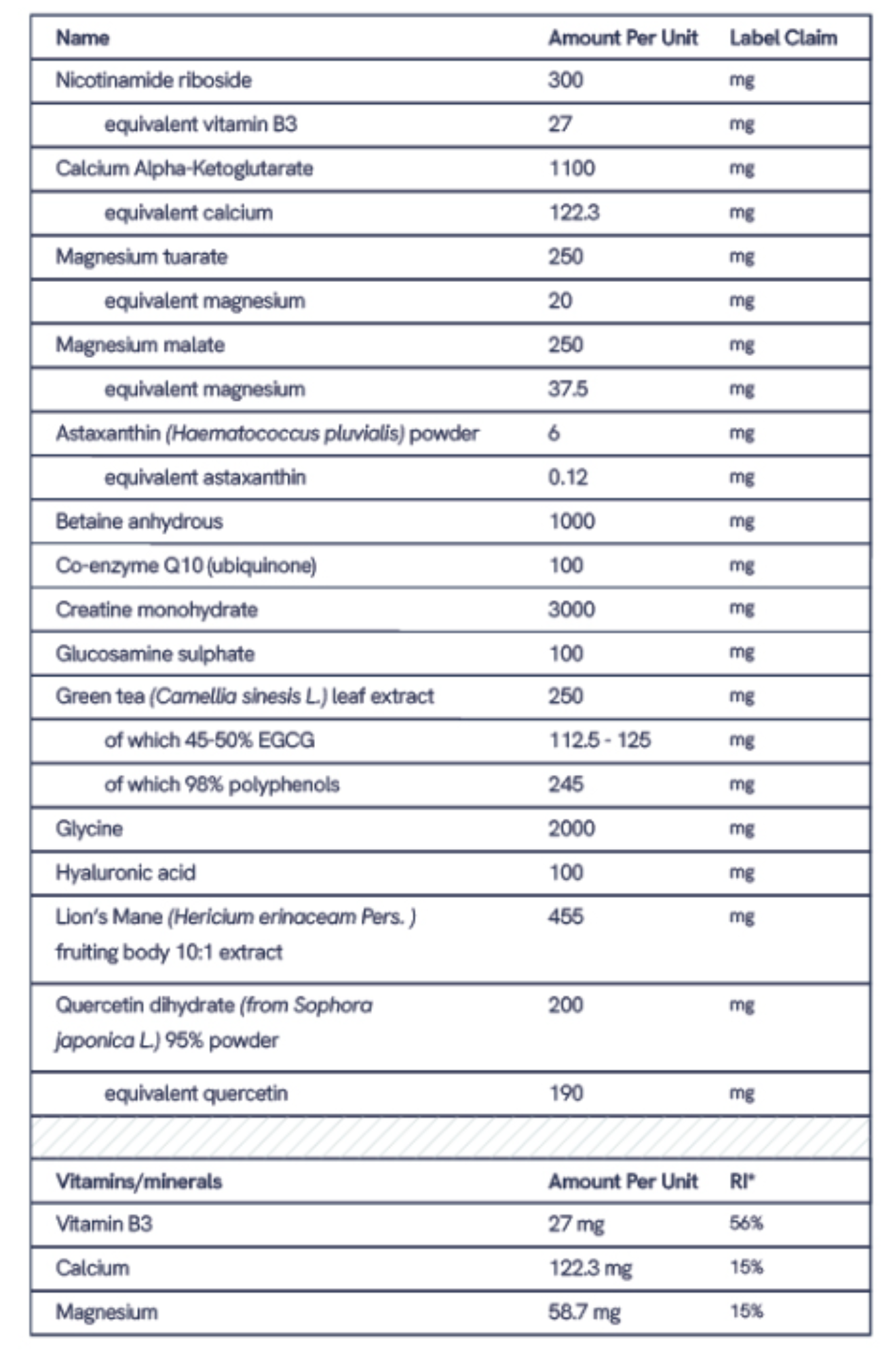
Many longevity supplements are suitable for vegans, but some nutrients require deliberate attention: vitamin B12 is absent from plant foods and must be supplemented; omega-3 DHA and EPA require an algae-sourced form; vitamin D3 is available from lichen rather than lanolin; and plant iron and zinc have lower bioavailability than animal-derived forms. Always verify capsule material and check for hidden animal-derived ingredients before purchasing.
Key Takeaways
- Vitamin B12 is not reliably present in any unfortified plant food; research consistently shows that unsupplemented vegans have significantly lower serum B12 and higher functional deficiency markers than omnivores.1
- Algae-sourced DHA and EPA are the only direct vegan alternatives to fish oil for long-chain omega-3s; plant sources such as flaxseed and walnuts provide ALA, which converts to EPA and DHA only in small amounts.4
- Lichen-derived vitamin D3 (cholecalciferol) offers a fully plant-based source of the same form of vitamin D the body produces from sunlight; vegans have been found to have significantly higher rates of vitamin D deficiency than omnivores in cross-sectional research.6
- Many longevity molecules such as NMN, resveratrol, and CoQ10 are synthesised or plant-derived and are typically vegan-friendly in their active ingredient; the capsule shell and excipients are where animal-derived components most commonly appear.
- Gelatin capsules are sourced from bovine or porcine connective tissue; vegan alternatives include HPMC (hydroxypropyl methylcellulose) vegetable capsules, clearly labelled as "V-Caps" or "veggie caps".
- Vitamin B12, vitamin D3 (lichen-sourced), and zinc contribute to normal immune function; vitamin B12 and folate contribute to normal homocysteine metabolism.7
- A well-planned vegan supplement protocol that addresses B12, vitamin D, and omega-3 DHA/EPA can support adequate micronutrient status; individual requirements vary and professional guidance is recommended.
What Makes a Longevity Supplement Vegan-Friendly?
The term "longevity supplement" covers a wide range of products, from single-ingredient capsules providing NMN or resveratrol to broad multi-nutrient formulas. Whether a product is vegan-friendly depends on two distinct layers: the active ingredient source, and the delivery system in which it is packaged.
Most modern longevity molecules are either synthesised in a laboratory or extracted from plant material, which makes them intrinsically compatible with a vegan lifestyle. Nicotinamide mononucleotide (NMN) and nicotinamide riboside (NR), for example, are generally produced through fermentation or chemical synthesis. Resveratrol is typically extracted from Japanese knotweed or grape skins. Coenzyme Q10 is commonly produced via yeast fermentation. These active ingredients are not the primary concern for vegans evaluating a product.
The more common points of non-vegan contamination are the capsule shell, excipients, and certain key nutrients. Standard softgel and hard capsules are frequently made from gelatin, which is derived from bovine or porcine connective tissue. Certain nutrients including omega-3 fatty acids, vitamin D3, and collagen are traditionally sourced from animals. Understanding these distinctions allows a vegan consumer to evaluate any product systematically, rather than assuming all supplements marketed as "natural" or "plant-based" are automatically free from animal-derived ingredients.
The Four Nutrients That Require Special Attention on a Vegan Longevity Plan
Vitamin B12: The Non-Negotiable Supplement
Vitamin B12 (cobalamin) is the single nutrient most reliably identified as a mandatory supplement for those following a vegan diet. It is not synthesised by plants and is not present in meaningful, biologically active amounts in any unfortified plant food. A large systematic review and meta-analysis including data from 17 studies found that vegan adults had significantly lower serum B12 concentrations and elevated homocysteine compared to omnivores, both markers of functional B12 insufficiency; importantly, supplementation was shown to significantly improve all biomarker concentrations.1
Cross-sectional data from the EPIC-Oxford cohort study, involving 232 vegan men, found that 52% met the threshold for vitamin B12 deficiency, compared with 7% of vegetarians and fewer than 1% of omnivores.2 A further review highlighted that vitamin B12 plays roles throughout the life course and that current recommended nutrient intakes may not fully account for the deficit experienced by those choosing a plant-based diet.3
Vitamin B12, along with vitamins B6 and folate, contributes to normal homocysteine metabolism. Vitamin B12 also contributes to normal psychological function and nervous system function, and to normal energy-yielding metabolism.
For supplement form, cyanocobalamin and methylcobalamin are both available in vegan formulations. Sublingual formats have shown effectiveness in improving B12 status in those with marginal deficiency. All B12 supplements should be verified as using HPMC or cellulose capsules, not gelatin.
Omega-3 Fatty Acids: Why ALA Is Not Enough
Plant foods such as flaxseed, chia seeds, hemp, and walnuts provide alpha-linolenic acid (ALA), a short-chain omega-3 fatty acid. However, ALA must be converted by the body into the long-chain forms eicosapentaenoic acid (EPA) and docosahexaenoic acid (DHA), a process that occurs with limited efficiency in humans. A scoping review of 13 randomised controlled trials found that high-dose flaxseed or echium seed oil supplements produced no meaningful increase in the Omega-3 Index (a composite measure of EPA and DHA in red blood cells), while microalgal oil supplementation increased the Omega-3 Index across all studies reviewed.4
A systematic review specifically examining algal DHA supplementation in vegetarian and vegan populations confirmed that algal sources of DHA significantly improve DHA concentrations in plasma, serum, platelets, and red blood cell fractions, as well as omega-3 indices.5 A 2025 randomised double-blind placebo-controlled trial in 74 adults demonstrated that the bioavailability of DHA and EPA from microalgal oil supplements was statistically non-inferior to fish oil, confirming algae oil as a reliable and bioavailable vegan source of these fatty acids.9
When selecting an algae-based omega-3 product, look for combined EPA and DHA content (not DHA alone), third-party testing for oxidation levels and contaminants, and confirmation of HPMC or tapioca-based softgel capsules rather than standard fish gelatin shells.
Vitamin D3: The Lichen Alternative to Lanolin
Vitamin D3 (cholecalciferol) is the form the body produces in skin upon sunlight exposure and is generally considered more effective than vitamin D2 at raising serum 25-hydroxyvitamin D concentrations. Most commercially available D3 is derived from lanolin, a waxy secretion from sheep's wool, making it unsuitable for vegans. However, cholecalciferol can also be extracted from lichen, which are symbiotic organisms composed of fungi and algae. Lichen-derived D3 is the only form of vitamin D3 approved by both the Vegan Society and the Vegetarian Society and is used in a growing range of vegan-certified supplement products.
A cross-sectional study involving 112 vegans, 96 lacto-ovo vegetarians, and 92 omnivores found that vitamin D deficiency (defined as serum 25-OHD below 25 nmol/L) was significantly higher in the vegan group compared to omnivores, while the overall prevalence of vitamin D insufficiency across all groups was 93.7% in the study population, underscoring the importance of supplementation regardless of dietary preference.6 Vitamin D contributes to normal muscle function and, alongside vitamin K, calcium, magnesium, and zinc, contributes to maintenance of normal bones. It also contributes to normal immune function.
When purchasing vitamin D supplements, look for explicit labelling such as "vitamin D3 from lichen" or trade names such as Vitashine, which confirms a plant-based cholecalciferol source. Products listing only "cholecalciferol" without indicating source should be queried with the manufacturer.
Zinc and Iron: Bioavailability Considerations from Plant Sources
Both zinc and iron are present in plant foods, including legumes, seeds, and whole grains, but their bioavailability from plant sources is lower than from animal sources due to the presence of phytates, which bind to these minerals and reduce intestinal absorption. Cross-sectional nutritional data from Switzerland found that vegans had the highest prevalence of zinc insufficiency among the three dietary groups studied, at 47%, and reported low intakes of calcium alongside marginal vitamin D and B12 consumption.7 A comprehensive analytical review of nutritional deficiencies in vegan diets confirmed that zinc, iron, and calcium represent important areas of attention alongside vitamin B12, vitamin D, and omega-3 fatty acids.8
Zinc contributes to normal cognitive function and to normal immune function, as well as to normal DNA synthesis and protection of cells from oxidative stress. Iron contributes to normal formation of red blood cells. Practical strategies to support zinc and iron absorption from plant foods include soaking and sprouting legumes (which reduces phytate content), combining iron-rich plant foods with vitamin C (which contributes to normal collagen formation and supports non-haem iron absorption), and considering a well-formulated multi-nutrient supplement containing zinc in a highly bioavailable form.
How to Verify That a Supplement Is Vegan-Friendly
Step 1: Check the Capsule Material
The most common point of hidden animal origin in supplements is the capsule itself. Gelatin capsules are made from bovine or porcine connective tissue. Look for one of the following on the label or specification sheet as confirmation of a vegan capsule shell: HPMC (hydroxypropyl methylcellulose), hypromellose, vegetable cellulose, V-Caps, or "veggie caps". Tapioca-based capsules and carrageenan-based softgels are also vegan-compatible alternatives used in some premium formats.
Step 2: Identify Hidden Animal-Derived Ingredients
Beyond the capsule shell, a small number of ingredients commonly appear in supplement formulations and are derived from animals without this being immediately obvious. Key ones to check for include:
Vitamin D3 without stated source (likely lanolin from sheep's wool unless labelled as lichen-derived). Omega-3 fatty acids without stated source (likely fish or krill oil unless labelled as algae-derived). Collagen, which is always animal-derived; products labelled "vegan collagen builders" contain amino acids and vitamin C to support the body's own production rather than exogenous animal collagen. Shellac, a resin secreted by the lac insect, sometimes used as a coating on tablets. Carmine, a red colourant derived from cochineal insects, occasionally found in supplement coatings or gummies. Beeswax, sometimes used as a coating agent in tablets. Magnesium stearate, a common flow agent that may be either animal-derived or vegetable-derived; most modern supplement manufacturers use the plant-based form, but it is worth confirming with the manufacturer if not stated.
Step 3: Look for Certification and Third-Party Verification
Certified Vegan logos from organisations such as the Vegan Society (trademarked "V" with a leaf), the Vegetarian Society Approved trademark, or third-party vegan certification bodies provide the most reliable assurance. These certifications require verification of every ingredient, including excipients and manufacturing processes, rather than relying solely on the active ingredient label.
Third-party testing through a Certificate of Analysis (COA) from an independent laboratory such as Eurofins provides verification of ingredient identity, potency, and freedom from contaminants such as heavy metals and microbial contamination. NZVT doping-free certification is an additional marker of manufacturing quality for those engaged in competitive sport. These quality markers apply regardless of dietary preference and represent good practice in supplement selection for any consumer.
Step 4: Verify Gluten-Free Status Separately
Being vegan and being gluten-free are distinct requirements that require separate verification. A supplement may be fully vegan while still containing gluten. Relevant ingredients to check include spermidine supplements, which are commonly extracted from wheat germ and may not be suitable for those with coeliac disease or gluten sensitivity unless the product is specifically certified gluten-free. Barley grass and wheatgrass powders, sometimes included in superfood blends, require a gluten-free certification to confirm absence of cross-contamination. Maltodextrin can be derived from wheat, though corn and potato-derived versions are more common in modern formulations. A product certified gluten-free will carry a recognised symbol from an independent body and will have been tested to below 20 parts per million of gluten.
Common Mistakes When Selecting Vegan Longevity Supplements
The most frequently encountered error is assuming that any supplement marketed as "plant-based" or "natural" is automatically vegan. This label describes the active ingredient source but does not address capsule material, excipients, or secondary nutrients such as vitamin D3. Always read the full ingredient list, including "Other Ingredients" or "Excipients", not just the supplement facts panel.
A second common oversight is supplementing only B12 while overlooking omega-3 DHA/EPA and vitamin D3. Research consistently shows that long-chain omega-3 status in unsupplemented vegans is significantly lower than in fish-eating populations, and that ALA conversion from plant sources is insufficient to maintain optimal omega-3 index values without direct algae supplementation.4
A third common mistake is selecting omega-3 supplements providing ALA only (typically flaxseed oil capsules) while believing this addresses EPA and DHA requirements. As reviewed above, human trial data does not support the assumption that high-dose ALA supplementation meaningfully raises the Omega-3 Index. Algae-sourced EPA and DHA are the appropriate solution for vegans seeking to support long-chain omega-3 status.
Finally, a general multi-nutrient supplement marketed as vegan is sometimes assumed to cover all bases without further consideration. Even well-formulated vegan supplements may not include nutrients outside their stated formula scope. Reviewing the certificate of analysis, understanding which approved health claims apply to specific ingredients, and confirming through a qualified healthcare professional whether individual requirements are being met remains best practice.
Longevity Supplements That Are Commonly Vegan-Friendly by Default
Many of the most researched longevity molecules are produced through synthesis or fermentation and present no inherent vegan concern in their active ingredient form. NMN (nicotinamide mononucleotide) and NR (nicotinamide riboside) are generally synthesised or fermentation-derived. Resveratrol is typically extracted from Japanese knotweed. Fisetin and quercetin are plant-derived flavonoids found in strawberries, apples, and onions. Spermidine is commonly extracted from wheat germ, soybeans, or mushrooms; wheat-derived versions require a gluten-free certification for those avoiding gluten. Berberine is extracted from plant roots including barberry and goldenseal. CoQ10 is most commonly produced through yeast fermentation.
The key verification step for all of these remains the delivery system: confirm HPMC capsules and check excipients before finalising any purchase.
Q&A
Are most longevity supplement products vegan?
Many modern longevity supplements use plant-derived or synthetically produced active ingredients, making their core compounds vegan-compatible. However, a significant proportion use gelatin capsules or animal-derived forms of vitamin D3 and omega-3. Checking the full ingredient list, including excipients, and looking for vegan certification logos provides reliable confirmation.8
Are longevity superfood blends vegan-friendly?
Many superfood-style blends are based on greens, adaptogens, and fruit extracts that are inherently plant-derived. However, some include collagen, bone broth protein, dairy-based probiotics, honey, bee pollen, or vitamin D3 from lanolin. Always check for an explicit "certified vegan" label rather than relying on the general marketing description of a product as "plant-based" or "natural".
Are longevity shots vegan and gluten-free?
Liquid "longevity shots" vary significantly by brand and formulation. Many use NAD+ precursors, antioxidants, and botanical extracts that are plant-derived, and some are explicitly certified vegan and gluten-free. However, shots containing collagen are not vegan, and some formulations include spermidine from wheat germ, which may not be suitable for those requiring a gluten-free product. Check the specific product label rather than generalising across the category.
Does the capsule type matter for vegan longevity supplements?
Yes. Gelatin capsules are sourced from bovine or porcine connective tissue and are not suitable for vegans. HPMC (vegetable cellulose) capsules, hypromellose capsules, and tapioca-based softgels are vegan-compatible alternatives. Look for explicit labelling such as "V-Caps", "veggie caps", or "vegetable cellulose capsule" in the other ingredients section.
Can vegans get adequate vitamin D without supplements?
Sunlight exposure triggers vitamin D3 production in the skin, which is the primary source for most individuals regardless of diet. However, sunlight exposure is insufficient at higher latitudes during winter months, and dietary sources of vitamin D3 are predominantly animal-derived. Cross-sectional research shows that vitamin D deficiency is significantly more prevalent in vegans than in omnivores, making supplementation with lichen-derived D3 an important consideration.6 Vitamin D contributes to normal muscle function and to maintenance of normal bones.
What is the difference between vegan D2 and vegan D3?
Vitamin D2 (ergocalciferol) is derived from ergosterol found in fungi and is inherently plant-based. Vitamin D3 (cholecalciferol) is more commonly animal-derived from lanolin, but lichen-based D3 provides a vegan source of the same bioidentical form the body produces from sunlight. Human research suggests vitamin D3 is more effective than D2 at raising serum 25-hydroxyvitamin D concentrations over time. Lichen-derived D3 is certified by the Vegan Society and Vegetarian Society and is available in a growing range of supplement products.
Do vegans need to supplement omega-3 fatty acids?
Vegans typically consume no EPA or DHA directly, as these long-chain omega-3 fatty acids are primarily found in fatty fish and seafood. ALA from plant sources converts inefficiently to EPA and DHA in humans. A scoping review of randomised controlled trials found that only microalgal oil supplementation reliably increased the omega-3 index in vegetarian and vegan populations; high-dose ALA from flaxseed or echium oils did not achieve meaningful increases.4 Algae-sourced omega-3 supplements providing both EPA and DHA are the recommended approach for vegans seeking to support long-chain omega-3 status.
How can I check for hidden animal ingredients in supplement labels?
Read the "Other Ingredients" section, not just the supplement facts panel. Key terms indicating animal origin include: gelatin (capsule), lanolin (vitamin D3 source), fish oil or krill oil (omega-3 source), collagen (protein source), shellac (coating), carmine (colourant), beeswax (coating), and casein or whey (protein or excipient). Absence of these terms and presence of vegan certification logos or HPMC capsule labelling provides greater confidence. Contacting the manufacturer directly for a full specification sheet is always an option if the label is unclear.
FAQ
Are longevity support supplements vegan-friendly?
Many longevity support supplements are formulated with plant-derived or synthetically produced active ingredients and can be vegan-friendly, but this depends entirely on the specific product. The active ingredient is only part of the picture; the capsule material, vitamin D source, and omega-3 source must also be verified. Look for vegan certification logos and check the full ingredient list including excipients before purchasing.
What is the most important supplement for vegans following a longevity protocol?
Vitamin B12 is the most consistently identified mandatory supplement for those following a plant-based diet. Research shows that unsupplemented vegans have significantly lower B12 status and elevated markers of functional deficiency compared to omnivores.1 Vitamin B12 contributes to normal nervous system function, normal energy-yielding metabolism, and normal homocysteine metabolism. It should be viewed as a foundational supplement rather than optional for anyone avoiding animal products.
What capsule type confirms a supplement is vegan?
HPMC (hydroxypropyl methylcellulose), hypromellose, and vegetable cellulose capsules are vegan. These are commonly labelled "V-Caps", "veggie caps", or "vegetable capsule" on the product label. Standard softgel and hard capsules made from gelatin are not vegan. Tapioca-based softgels and carrageenan-based capsules are additional vegan-compatible formats found in some premium supplement products.
Can I get vegan vitamin D3, or is it always from sheep's wool?
Lichen-derived vitamin D3 (cholecalciferol) is a fully plant-based source of D3, approved by the Vegan Society and the Vegetarian Society. It provides the same bioidentical form of vitamin D3 the body produces from sunlight. Look for explicit labelling such as "vitamin D3 from lichen" or recognised trade names on the product. Most standard vitamin D3 supplements use lanolin from sheep's wool and are not suitable for vegans.6
Are there vegan sources of DHA and EPA omega-3?
Yes. Microalgae are the original biological source of EPA and DHA in the marine food chain; fish accumulate these fatty acids by consuming algae. Algae-derived omega-3 supplements therefore provide DHA and EPA directly without any fish-sourced material and are fully vegan. A systematic review of relevant studies confirms that algal DHA supplementation significantly improves DHA concentrations and omega-3 indices in vegetarian and vegan populations.5
Is collagen in longevity supplements vegan?
No. Collagen is a structural protein derived exclusively from animal connective tissue, skin, and bones, typically from bovine, porcine, or marine (fish) sources. There is no plant-based collagen. Products marketed as "vegan collagen" or "vegan collagen builders" contain precursor nutrients -- typically vitamin C, zinc, and certain amino acids -- that support the body's own collagen synthesis, rather than providing exogenous collagen. These are vegan-compatible; true collagen supplements are not.
- Author(s) to be confirmed. A systematic review and meta-analysis of functional vitamin B12 status among adult vegans. Journal to be confirmed. 2024. View on PubMed ↗
- Gilsing AMJ, Crowe FL, Lloyd-Wright Z, et al. Serum concentrations of vitamin B12 and folate in British male omnivores, vegetarians and vegans: results from a cross-sectional analysis of the EPIC-Oxford cohort study. Eur J Clin Nutr. 2010;64(9):933-939. View on PubMed ↗
- Hanley B, Bates CJ, Prentice A, et al. The importance of vitamin B12 for individuals choosing plant-based diets. Eur J Nutr. 2022;62(1):1-17. View on PubMed ↗
- Sarter B, Kelsey KS, Schwartz TA, Harris WS. Bioavailability and conversion of plant based sources of omega-3 fatty acids -- a scoping review to update supplementation options for vegetarians and vegans. Nutr Res Rev. 2021;34(2):166-179. View on PubMed ↗
- Lane K, Derbyshire E, Li W, Brennan C. Algal supplementation of vegetarian eating patterns improves plasma and serum docosahexaenoic acid concentrations and omega-3 indices: a systematic literature review. J Hum Nutr Diet. 2017;27(3):219-225. View on PubMed ↗
- Garcia-Maldonado E, Gallego-Narbon A, Zapatera B, et al. Bone remodelling, vitamin D status, and lifestyle factors in Spanish vegans, lacto-ovo vegetarians, and omnivores. Nutrients. 2024;16(3):448. View on PubMed ↗
- Schupbach R, Wegmuller R, Berguerand C, Bui M, Herter-Aeberli I. Micronutrient status and intake in omnivores, vegetarians and vegans in Switzerland. Eur J Nutr. 2017;56(1):283-293. View on PubMed ↗
- Malhotra A, et al. Analytical review on nutritional deficiencies in vegan diets: risks, prevention, and optimal strategies. J Am Nutr Assoc. 2025;44(6):545-555. View on PubMed ↗
- Author(s) to be confirmed. Comparative bioavailability of DHA and EPA from microalgal and fish oil in adults. Journal to be confirmed. 2025. View on PubMed ↗
Disclaimer: Educational content only. Not medical advice. Supplements are not intended to diagnose, treat, cure, or prevent any disease. Consult a qualified healthcare professional if you have a medical condition or take medication.