Intermittent fasting research has largely been conducted in male or mixed populations. Human evidence suggests that women's hormonal systems, particularly the hypothalamic-pituitary-ovarian (HPO) axis, may respond differently to caloric restriction signals than men's. Some women experience changes in menstrual regularity or cortisol with aggressive fasting protocols. A more gradual, cycle-aware approach is often better supported by current evidence.
Key Takeaways
- Intermittent fasting research is predominantly conducted in male or mixed-sex populations, leaving female-specific evidence limited and often inconclusive.1
- The hypothalamic-pituitary-ovarian (HPO) axis is sensitive to energy availability signals. Kisspeptin neurons, which regulate GnRH secretion, are influenced by metabolic status and may respond to caloric restriction.4,5
- Short-term time-restricted eating (TRE) with modest weight loss (3-4%) did not significantly alter sex hormone levels in premenopausal or postmenopausal women with obesity in one study.2
- In women with polycystic ovary syndrome (PCOS), an 8-hour TRF window was associated with improvements in androgen markers and insulin resistance in a small clinical trial.3
- Warning signs that a fasting protocol may not be working well for an individual include menstrual irregularity, increased anxiety, persistent fatigue, and disrupted sleep. These signal a need to adjust or reduce fasting intensity.
- Starting with a 12-hour fasting window and adjusting progressively, with attention to menstrual cycle phase, is a more conservative and evidence-consistent approach for women new to fasting.
- Adequate nutrient intake during eating windows, particularly iron, magnesium, and protein, is important for women practicing any form of intermittent fasting.
Chapter 1: Why Women's Hormonal Physiology Matters for Fasting
Intermittent fasting is widely discussed across health and wellness communities, yet much of the foundational research has involved male participants, lean athletic males in particular, or mixed populations where women were not analysed separately. This matters because the hormonal architecture of the female body differs in fundamental ways from the male body, and those differences may affect how the body responds to caloric restriction and extended fasting periods.
At the centre of female reproductive physiology is the hypothalamic-pituitary-ovarian (HPO) axis. This regulatory system coordinates the hormonal signals that govern menstrual cycling, ovulation, and fertility. The hypothalamus releases gonadotropin-releasing hormone (GnRH) in a pulsatile pattern, which in turn signals the pituitary to release luteinising hormone (LH) and follicle-stimulating hormone (FSH), which then act on the ovaries.
A key molecule in this cascade is kisspeptin, a neuropeptide that acts as a powerful upstream regulator of GnRH secretion. Kisspeptin neurons are highly sensitive to metabolic status. Research has shown that these neurons integrate signals related to energy availability, including leptin, insulin, and ghrelin, and relay that metabolic information to GnRH neurons.4 In states of severely altered energy balance, whether from prolonged fasting, excessive exercise, or disordered eating, kisspeptin signalling can become suppressed, reducing GnRH pulsatility and potentially impairing the downstream hormonal cascade.5
This mechanism is well-described in functional hypothalamic amenorrhea, a condition in which low energy availability disrupts menstrual cycling. The key question for intermittent fasting research is whether shorter-duration or moderate fasting protocols produce similar effects, and the answer, based on current human evidence, appears to be: probably not in most women, provided fasting is not combined with very low total caloric intake. However, individual variability is real, and some women may be more sensitive to energy availability signals than others.
The important takeaway from this physiology is not that fasting is harmful for women, but that aggressive fasting protocols, particularly those that create a significant energy deficit, carry a different risk profile for women than for men. The HPO axis does not have an equivalent in male physiology, and this distinction is worth understanding before designing a fasting practice.
Hormonal Circadian Rhythms and Fasting Timing
An additional layer of complexity for women relates to how fasting interacts with circadian hormone rhythms. Research on hormonal fluctuations during fasting has shown that the timing of the eating window may affect which hormones are influenced.6 For example, a review examining IF and reproductive hormones in women found that when food consumption was confined to earlier in the day (before 4 pm), greater changes in androgen markers were observed in premenopausal women with obesity.1 The clinical significance of this for healthy-weight women is not yet established, but it suggests that the timing of the eating window, not just its duration, may matter.
Chapter 2: What Human Evidence on IF in Women Actually Shows
The available human research on intermittent fasting in women is growing, but it remains limited in scope, duration, and population diversity. The majority of IF trials have enrolled mixed-sex populations or have not stratified results by sex. Female-specific analyses are therefore constrained to a smaller evidence base, and this caveat should inform how confidently any claims are made about IF effects in women.
What a Key Review Found
A 2022 review by Cienfuegos and colleagues examined all available human trials investigating the effect of intermittent fasting on reproductive hormone levels in women and men.1 The review, published in the journal Nutrients, found that IF was associated with decreases in testosterone and the free androgen index, and increases in sex hormone binding globulin (SHBG), in premenopausal women with obesity. The authors noted this effect was more likely to occur when food intake was restricted to earlier in the day. Critically, fasting did not appear to affect estrogen, gonadotropins (LH, FSH), or prolactin levels in women across the studies reviewed. The authors also noted that future research should specifically include perimenopausal and postmenopausal women, populations for whom no studies existed at that time.
Effects on Sex Hormones in Premenopausal and Postmenopausal Women
A secondary analysis published in Obesity (2023) examined how 8 weeks of time-restricted eating (4-6 hour eating window) affected sex steroids in premenopausal and postmenopausal women with obesity.2 After the intervention, body weight declined by 3-4% in both groups. However, testosterone, androstenedione, and SHBG did not change significantly in either premenopausal or postmenopausal women. The study authors noted this was a small secondary analysis requiring confirmation by larger, well-powered trials that specifically design for hormonal outcomes in women of different ages.
These findings carry an important nuance. The participants in this study were women with obesity, and the degree of weight loss was modest. Whether these findings apply to lean women, women without metabolic dysfunction, or women following more aggressive fasting protocols is not established by this study alone.
IF and PCOS
One area where female-specific evidence is developing involves polycystic ovary syndrome (PCOS), a condition characterised by hyperandrogenism, anovulation, and insulin resistance. A clinical trial published in the Journal of Translational Medicine examined the effect of a 6-week, 8-hour time-restricted feeding window in 30 women diagnosed with anovulatory PCOS.3 The intervention was associated with significant reductions in BMI, waist-to-hip ratio, free androgen index, and insulin resistance markers (HOMA-IR). The authors described improvements in reproductive hormonal profiles among participants. These are preliminary findings from a small, non-randomised study and should not be generalised, but they suggest a direction worth further investigation.
Metabolic Benefits: General Evidence
More broadly, an umbrella review published in JAMA Network Open (2021), examining meta-analyses of randomised clinical trials, found that intermittent fasting was associated with improvements in BMI, body weight, fasting glucose, and blood pressure in adults.7 A subsequent 2024 umbrella review similarly found evidence supporting IF's effects on fat mass reduction.8 These reviews were not specific to women, and they underline that fasting can produce meaningful metabolic outcomes, while also highlighting the gap in female-specific evidence.
Chapter 3: Cycle-Aware Fasting: Working with Your Menstrual Cycle
One of the most practically relevant aspects of IF for women with regular menstrual cycles is the concept of adapting fasting intensity to cycle phase. The menstrual cycle involves dramatic shifts in hormonal levels across its roughly 28-day course, and these shifts have real effects on hunger, energy levels, sleep quality, and stress reactivity. Ignoring these natural fluctuations when designing a fasting protocol may make it harder to sustain and may create unnecessary physiological stress.
The Follicular Phase (Days 1-14)
The follicular phase begins on the first day of menstruation and ends at ovulation. During this phase, estrogen rises progressively, and many women report improved energy, motivation, and mental clarity, particularly in the days following menstruation. Hunger tends to be lower relative to the luteal phase, and the body's tolerance for caloric restriction is generally higher. For women who choose to practise intermittent fasting, this phase is typically better tolerated for longer eating windows (16:8 or even shorter windows) because estrogen has appetite-modulating effects and supports energy metabolism.
The Luteal Phase (Days 15-28)
The luteal phase follows ovulation and is characterised by the rise and subsequent fall of progesterone. During this phase, basal metabolic rate increases slightly, progesterone promotes appetite, and many women experience greater hunger and food cravings, particularly in the week before menstruation. Serotonin and GABA activity may also be more sensitive to nutritional signals during this phase, contributing to mood vulnerability if caloric restriction is too aggressive. Applying the same fasting protocol during the luteal phase as during the follicular phase may therefore be more challenging and potentially counterproductive for some women.
A practical cycle-aware approach would involve maintaining a more relaxed eating window (10-12 hours) during the luteal phase, focusing on nutrient density rather than restriction, while applying a moderate fasting window (14-16 hours) during the follicular phase when tolerance is typically higher. This is not a rigid prescription, but a general framework aligned with the physiological reality of the menstrual cycle.
Nutrition Priorities by Phase
Regardless of fasting duration, the quality of nutrition within the eating window matters greatly. During the follicular phase, complex carbohydrates, lean protein, and iron-rich foods support the replenishment of iron lost during menstruation. During the luteal phase, magnesium-rich foods (dark leafy greens, nuts, legumes) may help to modulate mood and muscle function. Magnesium contributes to normal psychological function and helps reduce tiredness and fatigue according to established EFSA-approved claims, making adequate intake particularly relevant for women during this phase of the cycle.
Chapter 4: Warning Signs That a Fasting Protocol Is Not Working for You
Intermittent fasting is not a universally appropriate strategy for all women at all life stages. Paying attention to physiological signals is essential, particularly in the early weeks of adopting any new fasting protocol. The following are meaningful indicators that a current fasting approach may need adjusting:
Menstrual Cycle Changes
Changes in cycle length, flow, or regularity after starting a fasting protocol are worth noting. Occasional minor variation is normal, but consistent shortening of the cycle, absence of a period, or substantially altered flow after several weeks of fasting should prompt a reassessment of fasting intensity, total caloric intake, and exercise volume. These changes may indicate that the HPO axis is responding to energy restriction signals.
Increased Anxiety or Mood Disturbance
Fasting can temporarily elevate cortisol, the body's primary stress hormone. For women whose cortisol reactivity is already elevated, or who are under significant life stress, adding fasting-related cortisol elevation may contribute to increased anxiety, irritability, or mood instability. If these symptoms appear or worsen after beginning a fasting protocol, they represent a signal to reduce fasting duration or frequency.
Persistent Fatigue or Declining Exercise Performance
A brief period of adaptation fatigue in the first week of IF is common. However, fatigue that persists beyond two to three weeks, or a sustained decline in exercise capacity, may reflect insufficient caloric intake, disrupted sleep, or hormonal changes that warrant attention. Adequate sleep and total energy intake should be reviewed before attributing fatigue solely to fasting.
Hair Loss
Telogen effluvium, a form of diffuse hair shedding triggered by physiological stress, nutritional deficiency, or rapid weight loss, can emerge several months after a significant dietary change. If noticeable hair loss appears following the adoption of a fasting protocol, total caloric intake and micronutrient density (particularly iron, zinc, and protein) should be assessed.
Sleep Disruption
Some women find that fasting, particularly when the fasting window extends into the evening and night, affects sleep quality. Hunger-related cortisol or blood glucose fluctuations can disrupt sleep architecture. If fasting coincides with sleep problems that were not previously present, adjusting the eating window earlier in the day may help.
When to Consult a Healthcare Professional
Any of the above symptoms, if sustained and clearly linked to dietary change, warrants a conversation with a qualified healthcare provider. Women who are pregnant, trying to conceive, breastfeeding, or who have a history of disordered eating should approach intermittent fasting with particular care and should seek professional guidance before making significant changes to eating patterns.
Chapter 5: A Women-Friendly Starting Protocol
Based on the current evidence and understanding of female hormonal physiology, the following represents a conservative and thoughtful starting framework for women who are interested in intermittent fasting. It is not a prescription, and individual responses will vary.
Week 1-2: The 12-Hour Window
Begin by aligning the eating window with natural circadian rhythms. A 12-hour eating window (for example, 7:00 am to 7:00 pm, or 8:00 am to 8:00 pm) is a gentle starting point that provides a 12-hour overnight fast, already achievable for most people. During this period, focus on establishing nutrient-dense eating patterns within the window before introducing any further restriction.
Week 3-4: Progressive Shortening
After two weeks of 12-hour fasting, if no adverse symptoms are present, the eating window can be shortened by one to two hours. A 14:10 protocol (14-hour fast, 10-hour eating window) is a moderate and well-tolerated approach for many women. Monitor mood, energy, menstrual symptoms, and sleep during this phase.
Cycle-Phase Variation
From this point, consider applying cycle-phase variation. Use the slightly longer fasting window (14-16 hours) during the follicular phase when tolerance tends to be higher. Revert to the shorter window (12-13 hours) during the luteal phase, particularly in the week before menstruation, when hunger and emotional sensitivity are typically elevated.
What to Eat During the Eating Window
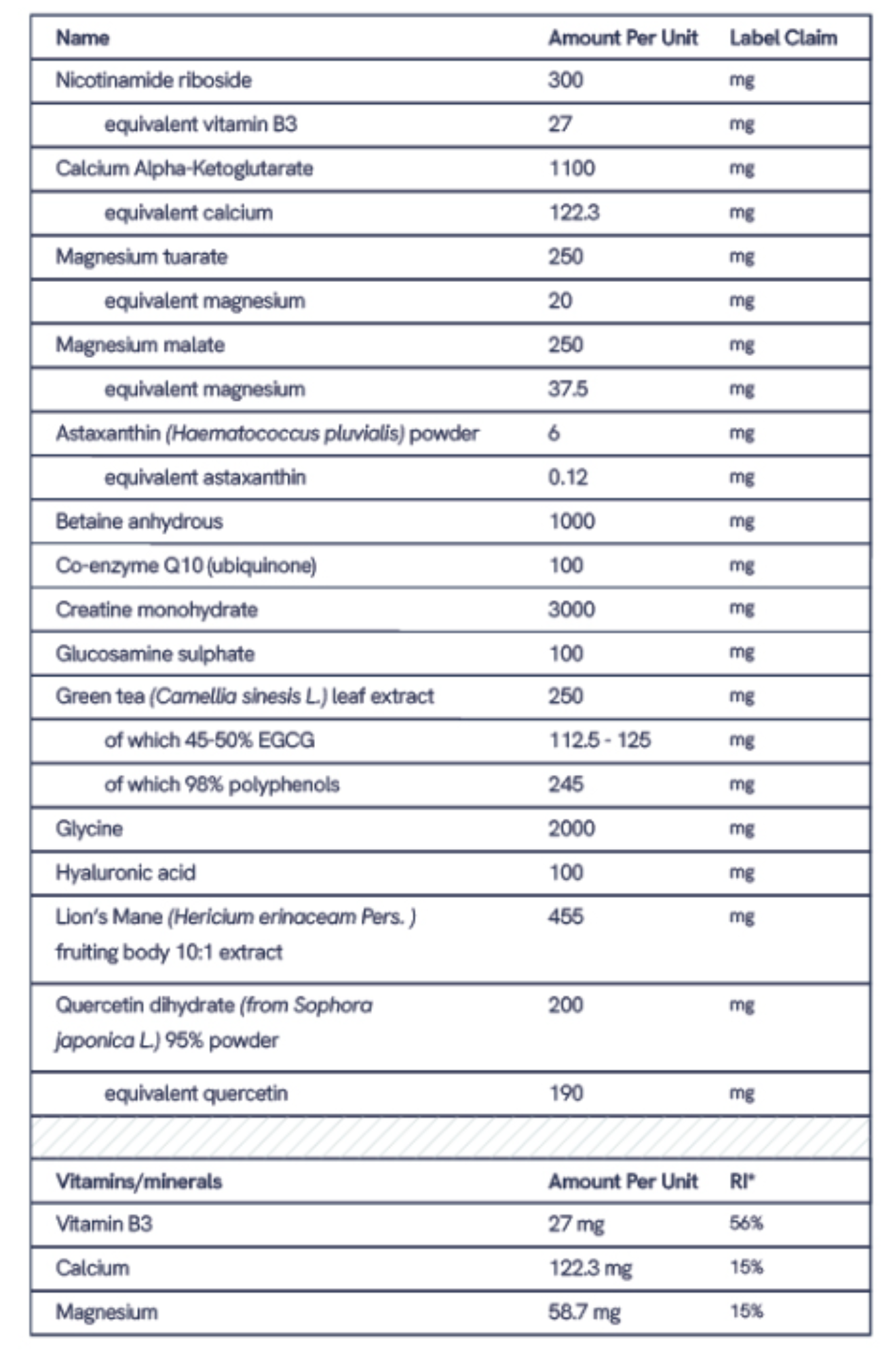
The quality of nutrition within the eating window matters as much as its timing. For women, specific priorities include adequate protein (to preserve lean mass), iron-rich foods (particularly relevant for menstruating women), leafy greens for magnesium and folate, healthy fats for hormone synthesis, and diverse fibre sources for gut health. A well-formulated multivitamin and mineral supplement designed to complement a healthy diet may support micronutrient coverage on days when dietary variety is limited.
Caution for Active Women
Women who train regularly at moderate to high intensity need to be especially attentive to total energy availability. Combining significant fasting windows with high exercise volumes can create a pattern of low energy availability that places additional stress on the HPO axis. If performance metrics decline or hormonal symptoms appear, reducing fasting intensity before reducing exercise volume is generally the more appropriate adjustment.
Q&A: Intermittent Fasting and Women
Is intermittent fasting safe for all women?
Intermittent fasting is not universally appropriate for all women. Women who are pregnant, trying to conceive, breastfeeding, or who have a history of disordered eating should exercise caution and seek guidance from a healthcare professional before beginning any fasting protocol. For healthy adult women without these considerations, moderate fasting approaches are generally well-tolerated, though individual responses vary.
Will intermittent fasting disrupt my menstrual cycle?
Current human evidence does not confirm that moderate time-restricted eating disrupts menstrual cycles in most women.2 However, very aggressive fasting protocols combined with significant caloric deficit and high exercise volumes may affect the HPO axis in some women. Menstrual changes are a signal to reassess fasting intensity rather than a certainty when beginning IF.
Does intermittent fasting affect estrogen levels in women?
A review of human trials found that intermittent fasting did not appear to significantly affect estrogen or gonadotropin (LH, FSH) levels in women across the studies examined.1 Most changes observed involved androgen markers (testosterone and the free androgen index), primarily in women with obesity or PCOS. The human evidence base for effects on estrogen in healthy-weight women remains very limited.
Is the 16:8 fasting protocol appropriate for women?
A 16-hour fasting window is used by many women without apparent adverse effects. However, it may be more appropriate for some women to start with a shorter window (12-14 hours) and progress gradually, particularly if they are new to fasting, are highly active, or are in the luteal phase of their cycle. The 16:8 protocol may be better reserved for the follicular phase, when tolerance is typically higher.
What does cycle syncing with fasting mean?
Cycle syncing with fasting involves adjusting the length of the fasting window based on the phase of the menstrual cycle. During the follicular phase (roughly days 1-14), longer fasting windows may be better tolerated due to higher estrogen and lower hunger. During the luteal phase (roughly days 15-28), appetite increases and nutritional demands may be higher, making a shorter or less restrictive eating window more appropriate for many women.
Can intermittent fasting help with PCOS?
A small clinical trial found that 8-hour time-restricted feeding was associated with improvements in androgen markers and insulin resistance in women with anovulatory PCOS.3 These are preliminary findings, and no fasting protocol has been established as a treatment for PCOS. Any dietary intervention for PCOS should be discussed with a qualified healthcare provider.
What are the warning signs I should stop or modify fasting?
Key warning signs include changes in menstrual regularity or flow, increased anxiety, persistent fatigue lasting beyond two to three weeks, disrupted sleep, or noticeable hair shedding. These signals indicate that the current fasting protocol may be creating more physiological stress than benefit, and a reduction in fasting duration or total intensity is appropriate.
Does intermittent fasting work the same for women as men?
Most IF research has been conducted in male or mixed populations, so direct comparisons are limited. The HPO axis represents a distinct feature of female physiology with no male equivalent, and kisspeptin neurons that regulate reproductive hormones are sensitive to energy availability signals.4 This provides a physiological rationale for why women may need to adopt a more gradual and cycle-aware approach to fasting than is typically recommended in general guidance.
FAQ
What is intermittent fasting for women?
Intermittent fasting for women refers to structured patterns of time-limited eating adapted to female physiology, particularly the hormonal variability of the menstrual cycle. Unlike standard IF protocols developed largely from male research populations, a women-specific approach considers the sensitivity of the HPO axis to energy availability, cycle phase-based hunger and metabolic changes, and individual hormonal responses when designing fasting windows.1
Why is intermittent fasting different for women?
Women have a hypothalamic-pituitary-ovarian (HPO) axis that regulates reproductive hormones and is sensitive to metabolic signals. Kisspeptin neurons within this axis relay information about energy availability to GnRH neurons, which regulate the reproductive cycle.5 In states of low energy availability, this system may be downregulated. Additionally, hormonal fluctuations across the menstrual cycle affect hunger, energy expenditure, and stress reactivity, meaning that a single fasting protocol applied uniformly throughout the month may be suboptimal for many women.
What is the best intermittent fasting protocol for women?
There is no single protocol established by research as optimal for all women. A conservative starting approach is a 12-hour overnight fast, progressing to 14:10 if well-tolerated, with cycle-phase adjustments: a longer fasting window during the follicular phase and a shorter or more flexible window during the luteal phase. Individual response, activity level, overall dietary quality, and life stage (including pregnancy status and age) should inform the protocol chosen. Consulting a healthcare professional is advisable for personalised guidance.
Can intermittent fasting affect hormones in women?
Human evidence suggests that moderate time-restricted eating does not consistently alter estrogen or gonadotropin levels in most women.2 Some changes in androgen markers have been observed in premenopausal women with obesity, particularly with earlier eating windows.1 The evidence base for hormonal effects in healthy-weight women following moderate fasting protocols is currently insufficient to draw definitive conclusions.
Is intermittent fasting safe during the luteal phase?
The luteal phase is characterised by elevated progesterone, increased basal metabolic rate, and heightened appetite and hunger compared to the follicular phase. Applying an aggressive fasting window during the luteal phase may be harder to sustain and may create additional physiological stress for some women. A shorter, more flexible eating window (12-13 hours) during the luteal phase, with emphasis on nutrient-dense foods, is a more conservative and physiologically aware approach.
References
- Cienfuegos S, Corapi S, Gabel K, Ezpeleta M, Kalam F, Lin S, Pavlou V, Varady KA. Effect of Intermittent Fasting on Reproductive Hormone Levels in Females and Males: A Review of Human Trials. Nutrients. 2022;14(11):2343. View on PubMed ↗
- Kalam F, Akasheh RT, Cienfuegos S, Ankireddy A, Gabel K, Ezpeleta M, Lin S, Tamatam CM, Reddy SP, Spring B, Khan SA, Varady KA. Effect of time-restricted eating on sex hormone levels in premenopausal and postmenopausal females. Obesity (Silver Spring). 2023 Feb;31(Suppl 1):57-62. View on PubMed ↗
- Li C, Xing C, Zhang J, Zhao H, Shi W, He B. Eight-hour time-restricted feeding improves endocrine and metabolic profiles in women with anovulatory polycystic ovary syndrome. J Transl Med. 2021;19(1):148. View on PubMed ↗
- Sanchez-Garrido MA, Tena-Sempere M. Metabolic regulation of kisspeptin: the link between energy balance and reproduction. Nat Rev Endocrinol. 2020;16(7):407-420. View on PubMed ↗
- De Bond JA, Smith JT. Kisspeptin and energy balance in reproduction. Reproduction. 2014;147(3):R53-63. View on PubMed ↗
- Kim BH, Joo Y, Kim MS, Choe HK, Tong Q, Kwon O. Effects of Intermittent Fasting on the Circulating Levels and Circadian Rhythms of Hormones. Endocrinol Metab (Seoul). 2021;36(4):745-756. View on PubMed ↗
- Patikorn C, Roubal K, Veettil SK, Chandran V, Pham T, Lee YY, Giovannucci EL, Varady KA, Chaiyakunapruk N. Intermittent Fasting and Obesity-Related Health Outcomes: An Umbrella Review of Meta-analyses of Randomized Clinical Trials. JAMA Netw Open. 2021;4(12):e2139558. View on PubMed ↗
- Sun ML, Yao W, Wang XY, Gao S, Varady KA, Forslund SK, et al. Intermittent fasting and health outcomes: an umbrella review of systematic reviews and meta-analyses of randomised controlled trials. eClinicalMedicine. 2024;71:102550. View on PubMed ↗