Breathing is one of the few physiological processes that can be both automatic and consciously directed. Deliberate breathwork techniques, including box breathing (4-4-4-4) and slow diaphragmatic breathing, are associated with measurable changes in the autonomic nervous system, heart rate variability, and stress hormone levels. Research now supports breathwork as a practical, low-cost tool for autonomic regulation. This guide explains what the evidence shows, how each technique works, and how to build a sustainable practice.
Key Takeaways
- A 2023 meta-analysis of 12 randomised controlled trials found that breathwork interventions were associated with significantly lower self-reported stress compared to control conditions, with a small-to-medium effect size (Hedges' g = -0.35).1
- A large meta-analysis of 223 studies confirmed that voluntary slow breathing consistently increases vagally-mediated heart rate variability during, immediately after, and following multi-session interventions, providing objective evidence for parasympathetic nervous system engagement.2
- An eight-week RCT involving diaphragmatic breathing at approximately 4 breaths per minute showed significant reductions in salivary cortisol and improvements in sustained attention compared to a control group.3
- The Wim Hof Method, which combines cyclic hyperventilation with breath retention and cold exposure, was studied in a randomised controlled trial at Radboud University Medical Centre; trained participants demonstrated attenuated pro-inflammatory cytokine responses and reported fewer flu-like symptoms following endotoxin challenge.5
- Nasal breathing introduces substantially more nitric oxide to the lungs than mouth breathing; nitric oxide plays a role in bronchodilation and pulmonary vasodilation.6
- Research comparing nasal and oral breathing during exercise found measurable differences in anaerobic power output and metabolic responses, suggesting that breathing route may influence exercise physiology.7
- Most breathwork techniques are accessible, require no equipment, and can be integrated into a daily five-to-ten-minute practice; the scientific literature supports both immediate (single-session) and cumulative (multi-week) benefits.
What Is Breathwork and Why Does It Matter?
Breathwork refers to any deliberate, intentional control of breathing patterns for a specific physiological or psychological purpose. Unlike passive, automatic respiration, breathwork recruits conscious attention to alter breathing rate, depth, or ratio, with downstream effects on the autonomic nervous system, cardiovascular function, and stress physiology.
Interest in breathwork has accelerated in recent years, driven in part by accessible techniques such as box breathing, popularised among military and performance communities, and the Wim Hof Method, which attracted scientific scrutiny after its practitioner made claims about voluntary immune modulation. However, the underlying science of controlled breathing predates these modern frameworks. Yogic pranayama traditions, structured resonance-frequency breathing in clinical psychology, and respiratory biofeedback all share a common physiological mechanism: modulation of the vagus nerve and the autonomic nervous system through patterned respiration.
For someone new to breathwork, the landscape of techniques and claims can appear complex. This guide provides an evidence-based foundation, drawing only on peer-reviewed human studies, to help readers understand which techniques have measurable support, what those techniques actually do physiologically, and how to begin.
The Science of Breathwork: How Breathing Affects Your Nervous System
The autonomic nervous system governs involuntary physiological functions including heart rate, blood pressure, digestion, and the stress response. It operates through two primary branches: the sympathetic system, which mediates arousal and the fight-or-flight response, and the parasympathetic system, which supports rest, recovery, and relaxation. Heart rate variability (HRV), which measures the variation in time between heartbeats, serves as a widely used non-invasive index of autonomic tone; higher HRV generally reflects greater parasympathetic activity and adaptive flexibility in the nervous system.
Breathing is unique among physiological processes in that it can be both autonomic and volitional. Deliberately slowing the breath engages the vagus nerve, the primary conduit of parasympathetic signalling, through several mechanisms including pulmonary stretch receptors and baroreflex sensitivity pathways. This engagement is measurable: slow, controlled breathing consistently raises vagally-mediated HRV parameters.
A comprehensive meta-analysis published in 2022 reviewed 223 studies on voluntary slow breathing and HRV.2 The analysis examined three time points: during the breathing session, immediately after a single session, and following multi-session interventions. Significant increases in vagally-mediated HRV were found at all three points, providing robust quantitative support for the premise that slow breathing modulates parasympathetic activity. The authors noted that voluntary slow breathing could be considered a low-cost, low-risk technique with potential relevance across a broad range of health contexts.
Breathwork also appears to influence the hypothalamic-pituitary-adrenal (HPA) axis, which regulates cortisol secretion in response to stress. In an eight-week randomised controlled trial, forty participants practising slow diaphragmatic breathing at approximately 4 breaths per minute showed significantly reduced salivary cortisol after training, compared to no significant change in the control group.3 The same study also observed improvements in sustained attention in the breathing group, suggesting that autonomic modulation through breath may have cognitive as well as physiological correlates.
A 2023 meta-analysis of 12 randomised controlled trials (785 participants) found that breathwork was associated with significantly lower self-reported stress than control conditions, with a small-to-medium effect size (Hedges' g = -0.35, p = 0.0009).1 The effect was consistent across different breathwork types, though slow-paced techniques had the most research support. The authors encouraged caution in interpretation, noting moderate risk of bias across included studies, and called for further high-quality research.
It is important to note that breathwork operates on multiple systems simultaneously. Altered CO2 and O2 levels during different breathing patterns influence cerebral blood flow and pH. The act of focused attention on breathing itself may engage overlapping neural circuits with mindfulness practice. These mechanisms are not fully disentangled in the current literature, and researchers continue to investigate which variables are most responsible for observed effects.
Box Breathing: The Evidence-Based Starting Point
Box breathing, also referred to as four-square breathing or tactical breathing, follows a structured 4-4-4-4 pattern: inhale for four counts, hold for four counts, exhale for four counts, and hold again for four counts before repeating the cycle. This protocol creates a slow, regulated breathing rate of approximately 3-4 breaths per minute, placing it within the resonance frequency range identified in HRV biofeedback research as particularly effective for engaging the baroreflex and increasing parasympathetic tone.
The technique gained widespread recognition within military and first-responder communities as a tool for managing acute stress responses under performance conditions. Its regularity and the inclusion of breath holds may facilitate the kind of attentional focus that reduces sympathetic arousal while simultaneously engaging the physiological machinery of parasympathetic activation.
Research on slow-paced breathing interventions generally supports the underpinning physiology of box breathing. The systematic review examining diaphragmatic breathing found that slow breathing interventions across included studies consistently reduced physiological and psychological markers of stress, including respiratory rate, salivary cortisol, and blood pressure.4 The precise 4-4-4-4 box breathing format has not been studied as a standalone protocol in long-term RCTs with large samples, and this represents a gap in the current evidence base. The available data on slow structured breathing more broadly, including the HRV meta-analysis, suggests that the underlying mechanism is well-supported.2
For practical use, box breathing requires no equipment and can be performed discreetly in any setting. A standard starting practice involves four to six complete cycles, taking approximately five minutes. The technique is generally considered safe for healthy adults; individuals with respiratory conditions, cardiovascular concerns, or anxiety disorders should consult a healthcare professional before adopting any structured breathwork practice.
How to Practise Box Breathing
Sit or lie comfortably with a straight spine. Exhale fully to clear the lungs. Inhale through the nose for a slow count of four. Hold the breath for a count of four. Exhale through the nose or mouth for a count of four. Hold the empty breath for a count of four. This completes one cycle. Repeat for four to six cycles. Begin with a single session of five minutes per day and extend gradually as comfortable.
Wim Hof Method: What the Research Shows
The Wim Hof Method (WHM) is a multi-component practice developed by Wim Hof, combining cyclic hyperventilation breathing exercises, breath retention, and voluntary cold exposure. The breathing component involves approximately 30-40 deep, rapid breaths followed by a maximal exhalation breath retention, during which participants are encouraged to tolerate the urge to breathe for as long as comfortable. This cycle is typically repeated three to four times. The physiological result of this pattern is transient respiratory alkalosis, as CO2 is washed out during the hyperventilation phase, followed by periods of relative hypoxia during breath holds.
The most robust human research on the WHM to date was conducted at Radboud University Medical Centre in the Netherlands. In a randomised controlled trial published in the Proceedings of the National Academy of Sciences, 24 healthy male volunteers were randomised to either a trained intervention group (n=12 for the endotoxin challenge) or an untrained control group (n=12).5 The intervention group participated in a ten-day training programme involving breathing exercises, meditation, and cold immersion. Both groups subsequently received an intravenous injection of bacterial endotoxin to induce a controlled, standardised immune response.
The researchers reported that participants in the trained group demonstrated significantly elevated plasma epinephrine levels during the breathing exercises, which correlated with attenuated pro-inflammatory cytokine responses (lower TNF-alpha, IL-6, and IL-8) and higher anti-inflammatory IL-10 levels following endotoxin challenge. The trained group also reported significantly fewer and less severe flu-like symptoms. The authors concluded that this demonstrated voluntary modulation of the sympathetic nervous system and the innate immune response in humans, which had previously been considered impossible.
Several important caveats apply when interpreting this research. The study involved only male participants, and generalisability to other populations is unknown. The ten-day training programme combined breathing, cold exposure, and meditation, making it impossible to attribute the observed effects to any single component in isolation. The endotoxin model, while established and considered safe in controlled research settings, differs substantially from real-world infectious challenges. Additionally, the sample size was small (12 per group for the primary outcome), and the study has not been fully replicated with independent cohorts across all outcome measures. Researchers note that this remains an emerging and evolving area of investigation.
The WHM breathing protocol itself carries specific practical considerations. Cyclic hyperventilation reduces blood CO2, which can cause lightheadedness, tingling in extremities, or brief lapses in consciousness. This practice should always be performed lying down or seated in a safe position, never in water, while driving, or in any situation where a loss of consciousness would be dangerous. Individuals with cardiovascular conditions, epilepsy, or a history of fainting should not practise the WHM breathing exercises without first seeking medical guidance.
Nasal Breathing for Everyday Life and Exercise
While not typically classified as a breathwork technique in the same sense as box breathing or the WHM, conscious nasal breathing represents a foundational respiratory practice with meaningful physiological implications. The nasal passages serve multiple functions beyond simple air conduction: they filter, humidify, and warm incoming air, and they produce nitric oxide, a signalling molecule with roles in bronchodilation and cardiovascular function.
A study in tracheotomised patients quantified the nasal contribution to inhaled nitric oxide and found substantial differences between nasal and oral breathing routes.6 Nasal breathing introduces significantly more nitric oxide to the lower airways compared to oral breathing; the sinuses are a primary source of this endogenous nitric oxide, which is continuously released into the nasal airstream. This finding has been interpreted as one potential mechanism through which nasal breathing may support pulmonary function, though the clinical significance of this pathway in healthy adults during normal activity requires further investigation.
In the context of exercise, a study comparing nasal and oral breathing during physical activity found differences in anaerobic power output and metabolic responses between conditions.7 The research suggested that breathing route during exercise influences physiological parameters, though the optimal strategy for different exercise intensities and populations requires further characterisation. Transitioning from habitual mouth breathing to consistent nasal breathing during moderate-intensity exercise typically requires a period of adaptation during which perceived exertion may initially increase before the respiratory system adjusts.
Habitual nasal breathing throughout the day, including during rest and sleep, is increasingly discussed in relation to sleep quality and upper airway health, though the breathwork research literature on this topic is still developing. Readers interested in nasal breathing in greater depth, including the practice of mouth taping, are encouraged to consult a dedicated resource on that topic.
Building a Daily Breathwork Practice
The evidence base for breathwork is most consistent for regular, sustained practice rather than isolated sessions. The HRV meta-analysis found that increases in vagally-mediated HRV were observed not only during and immediately after breathing sessions, but also following multi-session interventions, indicating cumulative physiological adaptation over time.2
A practical daily breathwork routine for a beginner might include five to ten minutes of structured slow breathing. Box breathing (4-4-4-4) is a natural starting point given its simplicity and the moderate body of research supporting its underlying mechanism. Alternatively, resonance-frequency breathing at approximately 5-6 breaths per minute, which some HRV biofeedback protocols use, involves an equal inhale and exhale of approximately five to six seconds each, without breath holds. Both approaches produce slow breathing rates consistent with those studied in the research literature.
A suggested starter framework is as follows. In the morning or before a period requiring focus, practise five minutes of box breathing (4-4-4-4). In the evening or during a rest period, practise five minutes of slow breathing at five to six breaths per minute, using a simple count of five in and five out. Tracking HRV using a wearable device, if available, provides an objective window into how breathing practice is influencing autonomic tone over time, though it is not required for benefit.
Several smartphone applications provide guided breathwork sessions and some offer HRV tracking integration. These tools can be helpful for maintaining consistency and providing real-time feedback, particularly during the early stages of establishing a practice. However, no specific application endorsements are made here; users should evaluate options based on their own preferences and the quality of guidance provided.
For those interested in exploring the Wim Hof Method, the WHM app and courses provide structured guidance directly from the source. Given the specific safety considerations associated with the hyperventilation component, beginning with official materials and, ideally, guidance from a trained instructor is advisable.
Consistency matters more than duration in the early stages. A five-minute daily practice maintained for four to eight weeks is likely to produce more measurable change in autonomic tone than occasional longer sessions. As with many health practices, the compounding effect of regular engagement over time appears central to outcomes observed in the research literature.
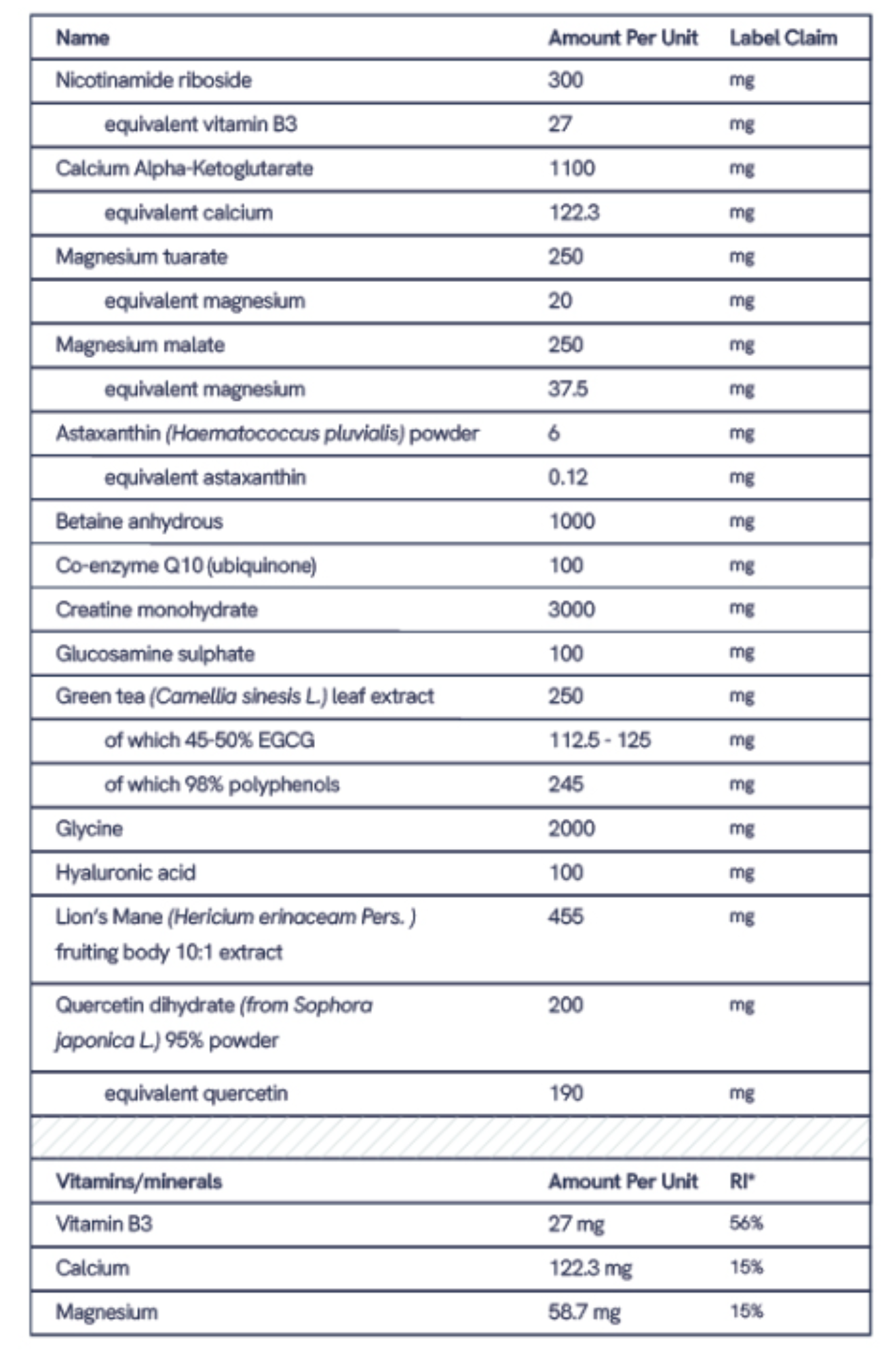
Magnesium contributes to normal psychological function and helps reduce tiredness and fatigue. For those seeking to support overall physiological resilience alongside a breathwork practice, ensuring adequate magnesium intake as part of a comprehensive nutritional approach is worth considering.
Q&A: Breathwork for Beginners
What is breathwork and is it the same as meditation?
Breathwork refers specifically to deliberate, structured manipulation of breathing patterns, such as controlling rate, depth, or ratio of inhalation and exhalation. Meditation can involve breath as a focus of attention but does not necessarily involve altering the breathing pattern itself. The two practices overlap in some frameworks and share physiological mechanisms related to autonomic modulation, but they are distinct categories. Breathwork research focuses on measurable changes in HRV, cortisol, and autonomic function, whereas meditation research more often examines neural and attentional outcomes.
How quickly can breathwork produce noticeable effects?
Single sessions of slow breathing have been shown to produce immediate, measurable increases in vagally-mediated HRV during and shortly after the session.2 Subjectively, many people report a sense of calm or reduced tension within minutes of beginning a slow breathing practice. Cumulative benefits in cortisol regulation and attention have been observed over multi-week programmes.3 As with most physiological adaptations, consistency over time produces more robust outcomes than single-session use.
What is the 4-4-4-4 box breathing pattern and why is it used?
Box breathing involves inhaling for four counts, holding for four counts, exhaling for four counts, and holding again for four counts, creating a cycle resembling the four sides of a square. The structured equal phases produce a slow breathing rate of approximately three to four breaths per minute, which research on HRV biofeedback identifies as within the resonance frequency range for optimising baroreflex sensitivity and parasympathetic activity.2 The breath-hold phases add a component of attentional focus and controlled CO2 modulation.
Is box breathing suitable for beginners with no prior breathwork experience?
Box breathing is widely considered one of the most accessible structured breathing techniques for beginners. It requires no equipment, can be performed in any position, and the protocol is straightforward. Most healthy adults can practise it without difficulty. Those with anxiety may initially find breath holds mildly uncomfortable; reducing the hold count to two or three counts and increasing gradually is a practical adaptation. Anyone with a diagnosed respiratory or cardiovascular condition should consult a healthcare professional before beginning structured breathwork.
What does the Wim Hof Method actually do physiologically?
The breathing component of the WHM involves cyclic hyperventilation followed by breath retention. Hyperventilation reduces blood CO2 (causing respiratory alkalosis), which in turn triggers epinephrine release from the adrenal medulla. Research at Radboud University found that this epinephrine response appeared to attenuate the innate immune response to an experimental endotoxin challenge, reducing pro-inflammatory cytokines and flu-like symptoms in trained participants compared to controls.5 However, because the WHM training also included cold exposure and meditation, isolating the specific contribution of the breathing component remains a methodological challenge.
Can I practise Wim Hof breathing at home safely?
The WHM breathing exercises carry specific safety considerations. The hyperventilation phase substantially lowers blood CO2, which can cause lightheadedness and, in some cases, a brief loss of consciousness. This risk is real and well-documented. The technique must never be practised in or near water, while driving, or in any situation where losing consciousness would be dangerous. The practice should always be performed lying down or seated on a safe surface. Individuals with cardiovascular conditions, epilepsy, a history of fainting, pregnancy, or high blood pressure should not practise the WHM breathing exercises without explicit medical clearance.
Why does nasal breathing matter?
The nasal passages are the body's primary air-conditioning system, filtering, warming, and humidifying inhaled air. They are also a significant source of nitric oxide, which is introduced to the lower airways during nasal inhalation and plays a role in bronchodilation and pulmonary vasodilation.6 Research comparing nasal and oral breathing during exercise found differences in anaerobic power output and metabolic responses, suggesting that breathing route influences exercise physiology in measurable ways.7 Habitual nasal breathing is increasingly recommended as a baseline respiratory default for both rest and moderate exercise.
How do I start a daily breathwork practice if I have never done it before?
Begin with five minutes of box breathing (4-4-4-4) once per day for two weeks. Choose a consistent time, such as first thing in the morning or before sleep, and a quiet location. Focus on the count rather than forcing relaxation. After two weeks, if the practice feels comfortable, consider extending to ten minutes or adding an evening session of slow breathing at five to six breaths per minute. Track how you feel over several weeks, noting any changes in perceived stress or sleep quality. Research supports both immediate and cumulative benefits with consistent practice.1,2
Does breathwork have any risks I should know about?
Slow, controlled breathing in the forms described in this article is generally well-tolerated by healthy adults. The most commonly reported side effects of extended slow breathing include mild lightheadedness and tingling in the hands or face, which typically resolve when normal breathing resumes. The Wim Hof hyperventilation protocol carries a more significant risk of transient loss of consciousness due to CO2 reduction and must be practised with appropriate precautions. Individuals with any pre-existing health condition should seek professional guidance before beginning any structured breathwork practice.
Frequently Asked Questions
What is box breathing?
Box breathing is a structured breathing technique that follows a 4-4-4-4 pattern: inhale for four counts, hold for four counts, exhale for four counts, and hold for four counts before repeating. It produces a slow breathing rate associated with increases in parasympathetic nervous system activity and is used for stress regulation, focus, and autonomic modulation. Research on slow-paced breathing supports the physiological mechanisms underlying this approach.2
Is the Wim Hof Method scientifically supported?
The Wim Hof Method has been studied in at least one notable randomised controlled trial at Radboud University Medical Centre, which found that trained participants demonstrated attenuated innate immune responses to experimental endotoxin challenge compared to untrained controls.5 However, the study used a combined intervention (breathing, cold exposure, and meditation), had a small sample size, and enrolled only male participants. The results are scientifically interesting but should be interpreted cautiously, and further independent research is needed.
Does breathwork reduce stress?
A 2023 meta-analysis pooling data from 12 randomised controlled trials (785 participants) found that breathwork interventions were associated with significantly lower self-reported stress compared to control conditions, with a small-to-medium effect size.1 The authors noted moderate risk of bias in included studies and encouraged cautious interpretation, while acknowledging that breathwork may offer a practical, accessible contribution to stress management.
What is heart rate variability and how does it relate to breathwork?
Heart rate variability (HRV) measures the variation in time between successive heartbeats. Higher vagally-mediated HRV is associated with greater parasympathetic tone and adaptive flexibility of the autonomic nervous system. Slow, controlled breathing consistently increases vagally-mediated HRV, providing an objective, measurable indicator of autonomic modulation.2 HRV tracking via wearable devices can be used to monitor how a breathwork practice influences autonomic function over time.
How long should I practise breathwork each day?
Research suggests that even short sessions of five to ten minutes of slow, structured breathing can produce measurable immediate effects on HRV.2 Cumulative benefits in cortisol regulation and attention have been observed following programmes of several weeks.3 For beginners, five minutes daily of box breathing is a practical starting point. Consistency over time appears to be more important than session length in the early stages of establishing a practice.
Can breathwork help with sleep?
The relationship between breathwork and sleep quality is a growing area of research. Slow breathing interventions have been associated with reductions in physiological and psychological stress markers, including cortisol, which may create conditions more conducive to sleep.3 Evening practices of five to ten minutes of slow breathing or box breathing are commonly recommended as part of pre-sleep winding-down routines, though specific RCT evidence for breathwork as a sleep intervention in otherwise healthy adults remains limited.
What is nasal nitric oxide and why does it matter?
Nitric oxide (NO) is a gaseous signalling molecule produced in the paranasal sinuses and released continuously into the nasal airways. When breathing nasally, this NO is carried into the lower respiratory tract with each inhalation, where it contributes to bronchodilation and pulmonary vasodilation. Research in tracheotomised patients demonstrated that nasal breathing introduces significantly more NO to the lungs compared to oral breathing.6 This is one proposed mechanism through which nasal breathing may support respiratory function.
References
- Fincham GW, Strauss C, Montero-Marin J, Cavanagh K. Effect of breathwork on stress and mental health: A meta-analysis of randomised-controlled trials. Sci Rep. 2023;13(1):432. doi:10.1038/s41598-022-27247-y. View on PubMed ↗
- Laborde S, Allen MS, Borges U, Dosseville F, Hosang TJ, Iskra M, Mosley E, Salvotti C, Spolverato L, Zammit N, Javelle F. Effects of voluntary slow breathing on heart rate and heart rate variability: A systematic review and a meta-analysis. Neurosci Biobehav Rev. 2022;138:104711. doi:10.1016/j.neubiorev.2022.104711. View on PubMed ↗
- Ma X, Yue ZQ, Gong ZQ, Zhang H, Duan NY, Shi YT, Wei GX, Li YF. The effect of diaphragmatic breathing on attention, negative affect and stress in healthy adults. Front Psychol. 2017;8:874. doi:10.3389/fpsyg.2017.00874. View on PubMed ↗
- Hopper SI, Murray SL, Ferrara LR, Singleton JK. Effectiveness of diaphragmatic breathing for reducing physiological and psychological stress in adults: a quantitative systematic review. JBI Database System Rev Implement Rep. 2019;17(9):1855-1876. doi:10.11124/JBISRIR-2017-003848. View on PubMed ↗
- Kox M, van Eijk LT, Zwaag J, van den Wildenberg J, Sweep FCGJ, van der Hoeven JG, Pickkers P. Voluntary activation of the sympathetic nervous system and attenuation of the innate immune response in humans. Proc Natl Acad Sci U S A. 2014;111(20):7379-7384. doi:10.1073/pnas.1322174111. View on PubMed ↗
- Tornberg DCF, Marteus H, Schedin U, Alving K, Lundberg JON, Weitzberg E. Nasal and oral contribution to inhaled and exhaled nitric oxide: a study in tracheotomized patients. Eur Respir J. 2002;19(5):859-864. doi:10.1183/09031936.02.00273502. View on PubMed ↗
- Recinto C, Efthemeou T, Boffelli PT, Navalta JW. Effects of nasal or oral breathing on anaerobic power output and metabolic responses. Int J Exerc Sci. 2017;10(4):506-514. View on PubMed ↗