At-home hormone testing — using dried blood spot or saliva samples posted to a certified laboratory — allows individuals to measure key hormones including testosterone (total and free), oestradiol, cortisol, thyroid hormones (TSH, T3, T4), DHEA-S, and LH/FSH without a clinic visit. Results require interpretation in the context of symptoms, lifestyle, and chronological age, and significant findings should always be reviewed with a qualified clinician.
Key Takeaways
- At-home hormone testing uses dried blood spot (DBS) or saliva samples collected by the individual and posted to an accredited laboratory for analysis. Validated research confirms that DBS sampling can accurately measure testosterone, oestradiol, progesterone, and TSH when compared with venous serum samples.1,2
- Key hormones relevant to longevity and health optimisation include testosterone, oestradiol, progesterone, cortisol (diurnal profile), DHEA-S, thyroid hormones (TSH, free T3, free T4), and insulin. Each provides a different window into metabolic and endocrine function.
- Salivary cortisol is a well-established, non-invasive measure of free cortisol and is widely used in physiological research; however, single-day measurements are subject to variability, and multi-day sampling is recommended for reliable assessment of diurnal rhythm.3,4
- Reference ranges in laboratory reports describe population norms, not necessarily optimal ranges. Age-specific context and symptom correlation are essential for meaningful interpretation. Significant findings should always be discussed with a qualified clinician.
- Evidence from human studies indicates that adequate zinc intake is associated with testosterone levels in men, and selenium plays a role in thyroid hormone metabolism, with supplementation studied in the context of autoimmune thyroid conditions.5,6
- Leading at-home testing services including Medichecks (UK), Forth, Lets Get Checked, and Everlywell offer a range of hormone panels at varying price points. Key differentiators include panel breadth, laboratory accreditation, and the quality of clinical reporting.
- At-home hormone testing is a useful monitoring tool, not a diagnostic instrument. It works best when integrated into a broader approach to health that includes lifestyle, nutrition, and appropriate clinical follow-up.
Which Hormones Should You Track and Why?
Not all hormones are equally relevant for every individual. The decision about which hormones to test should be guided by age, symptoms, health goals, and any known risk factors. That said, several hormones are particularly relevant for adults interested in understanding their metabolic and endocrine health over time.
Testosterone (total and free): Testosterone is the primary androgen in both men and women, though it circulates at much higher concentrations in men. It contributes to muscle mass, bone density, mood regulation, libido, and energy. Total testosterone measures the combined bound and unbound fraction. Free testosterone — the biologically active form — is not attached to carrier proteins and represents a small but functionally significant proportion. Age-related decline in testosterone is well documented in men, with levels typically decreasing by approximately 1 to 2 percent per year from around the fourth decade. In women, testosterone is present at lower levels but still plays a role in energy, mood, and reproductive function.
Oestradiol and Progesterone: These are the two key sex hormones in women and fluctuate substantially across the menstrual cycle. Oestradiol supports bone density, cardiovascular function, and cognitive health. Progesterone plays a role in the second half of the cycle and in pregnancy support. For women approaching or navigating perimenopause, tracking both hormones can provide useful context for symptom changes. For men, oestradiol is present in smaller quantities and is involved in bone health and libido regulation.
Cortisol (diurnal profile): Cortisol is secreted by the adrenal glands in a pronounced daily rhythm, peaking within 30 to 45 minutes of waking and declining throughout the day. This pattern, known as the cortisol awakening response (CAR), is considered a meaningful biomarker of HPA-axis function. Chronic disruption of the cortisol rhythm has been associated in observational studies with poor sleep, prolonged psychological stress, and metabolic changes. Saliva-based cortisol testing captures free cortisol and is the standard method for assessing the diurnal profile at home.
DHEA-S (Dehydroepiandrosterone Sulphate): DHEA-S is a hormone produced predominantly by the adrenal glands and serves as a precursor to both oestrogens and androgens. It is one of the most abundant circulating steroids in the human body and declines markedly with age. While research on DHEA supplementation has produced mixed results, measuring DHEA-S can provide a useful snapshot of adrenal androgen production.
Thyroid Hormones (TSH, free T3, free T4): Thyroid-stimulating hormone (TSH) is produced by the pituitary gland and regulates the output of thyroid hormones T3 and T4. These hormones govern metabolic rate, temperature regulation, mood, cognitive function, and energy production. Subclinical thyroid dysfunction — particularly hypothyroidism — is among the most common endocrine findings in adults, and symptoms often overlap with general fatigue, weight changes, and cognitive fog. TSH is typically the initial screening marker; free T3 and T4 provide additional granularity about conversion and hormonal availability.
LH and FSH (Luteinising Hormone and Follicle-Stimulating Hormone): These pituitary gonadotropins regulate the sex glands. In women, tracking LH and FSH alongside oestradiol provides insight into cycle regularity and ovarian reserve. Elevated FSH is a key marker in perimenopause. In men, LH and FSH help distinguish primary hypogonadism (testicular origin) from secondary hypogonadism (pituitary or hypothalamic origin).
Insulin and Blood Glucose Markers: While not classical sex or adrenal hormones, fasting insulin and HbA1c are increasingly included in comprehensive longevity-oriented panels. Insulin resistance can emerge years before type 2 diabetes and is associated with hormonal disruption, including changes in SHBG (sex hormone binding globulin), which affects free testosterone.
How At-Home Hormone Testing Works
At-home hormone tests are available in three primary formats: dried blood spot (DBS), saliva, and venous blood via an at-home phlebotomy kit. Each has distinct methodological characteristics, and the choice of method affects both what can be measured and how results should be interpreted.
Dried Blood Spot (DBS) Testing
Dried blood spot testing involves a finger-prick to collect a small volume of capillary blood onto a specialist filter paper card. The card is dried, sealed, and posted to the laboratory at ambient temperature, eliminating the need for cold-chain logistics. This approach was originally developed for neonatal screening programmes and has since been adapted for adult endocrine testing.
Validation research supports the accuracy of DBS for several key hormones. A 2024 study published in Andrologia validated a DBS-based testosterone assay using liquid chromatography-tandem mass spectrometry (LC-MS/MS), reporting intra- and inter-day coefficients of variation below 10% and a strong clinical correlation with venous serum testosterone across a reportable range of 0.1 to 100 ng/mL.1 For reproductive steroid hormones including oestradiol, progesterone, and testosterone in women, earlier validation work showed that blood spot hormone levels explained an average of 88.6% of the variance in serum gonadal hormones in females, though correlation in males was lower.2
For thyroid function, DBS screening for TSH in adults has been validated against serum. Research demonstrates that individuals can be screened for hypothyroidism using finger-stick DBS specimens collected at non-clinical locations, with results comparable to serum assays when samples are processed at an accredited laboratory.7
Practical considerations for DBS collection include adequate hydration before testing (which affects blood flow and spot quality), collecting at the recommended time of day for the specific hormone being measured, and following temperature and handling guidelines provided by the testing service.
Saliva Testing
Salivary hormone testing is non-invasive and particularly well-suited for measuring free (unbound) hormones, especially cortisol. Because cortisol in saliva reflects the unbound, biologically active fraction rather than total cortisol bound to carrier proteins, it has been described as an excellent index of plasma free cortisol concentrations.3
The primary application for saliva testing in the at-home context is cortisol diurnal profiling, where samples are collected at multiple time points throughout the day — typically upon waking, 30 minutes after waking, midday, and evening. This captures the natural rise and fall of the cortisol rhythm and allows assessment of the cortisol awakening response. A systematic review examining the use of salivary diurnal cortisol as an outcome measure in randomised controlled trials noted that reliable measurements require collection over at least two days, with day-to-day variability of the diurnal slope observed in a meaningful proportion of individuals.4
Saliva can also be used to measure testosterone, progesterone, and oestradiol, though sensitivity may be lower than blood-based methods for hormones present at very low concentrations. Methodological factors such as collection time, food and drink avoidance beforehand, and the type of collection device can all affect sample quality.
Venous Blood via At-Home Phlebotomy
Some premium testing services offer at-home visits from a trained phlebotomist who collects a standard venous blood sample. This provides the same sample quality as a clinic visit and supports the full range of biomarker testing, including markers that require greater sample volume or cannot be accurately assessed from capillary blood alone. This is the gold standard option when comprehensive panel breadth and highest analytical precision are priorities.
Comparing the Leading At-Home Testing Services
The at-home hormone testing market has expanded substantially in recent years. The following services represent established options with laboratory accreditation and clinician-reviewed reporting. Panel composition, pricing, and availability vary by country.
Medichecks (UK): One of the UK's largest direct-to-consumer testing services, Medichecks processes samples in UKAS-accredited laboratories. They offer a wide range of hormone panels from basic thyroid profiles to comprehensive male or female hormone panels. Results are reviewed by a doctor and delivered via an online dashboard with reference range context. Panels range from approximately £29 for a basic TSH test to £150 or more for comprehensive hormone profiles including sex hormones, thyroid, cortisol, and metabolic markers.
Forth (UK): Forth focuses on health optimisation rather than clinical diagnostics. They offer a blood biology service that maps key biomarkers including hormones, metabolic markers, and vitamins, and provides a health score with personalised recommendations. Their approach is particularly suited to individuals who want to track trends over time. Forth also offers phlebotomy-based collection for their more comprehensive panels.
Lets Get Checked (Ireland/US/UK): Lets Get Checked operates across multiple markets and uses certified laboratories including CLIA-certified facilities in the United States. Their hormone panels use DBS collection kits and include thyroid function, male hormone, and female hormone options. Results are available within a few days with access to a nurse via phone for interpretation support.
Everlywell (US): A leading US-based direct-to-consumer testing company, Everlywell offers a range of hormone panels using DBS and saliva collection. Their Women's Health and Men's Health tests include multiple hormone markers alongside metabolic and nutritional biomarkers. Results are reviewed by a licensed physician before release. Pricing typically ranges from $79 to $199 depending on panel depth.
When comparing services, the key factors to evaluate are laboratory accreditation (UKAS in the UK, CLIA in the US), the specific hormones included and the measurement methodology used, whether a clinician review is included in the result, and whether the service provides contextualised reference ranges that account for age and biological sex.
Interpreting Your Results: Reference Ranges, Context, and Next Steps
Receiving a hormone test result is the beginning of a process, not the end. The most common misconception is that a result falling within the laboratory reference range is synonymous with optimal health, and that any result outside this range is pathological. Both assumptions require careful qualification.
Laboratory reference ranges are typically established from population data — the range within which a defined percentage (often 95%) of a reference population falls. These ranges are derived from statistical distributions, not from clinical evidence about what levels are associated with best health outcomes. A result at the lower end of a reference range may be normal by population standards but symptomatic for a particular individual. Conversely, a result marginally outside the range does not automatically indicate a clinical problem.
Age is a critical contextual variable. Testosterone levels in a 60-year-old man that fall below the reference range established from a younger population may represent normal age-related change rather than a treatable condition. Similarly, FSH levels that are elevated in the context of perimenopause are expected physiological findings rather than pathology.
Symptom correlation matters significantly. A hormone panel is most informative when interpreted alongside how you are actually feeling. Fatigue, mood changes, sleep disruption, body composition shifts, and libido changes are all symptoms that can have multiple causes — some hormonal, some not. A result that sits in an unexpected range combined with symptoms that match that hormone's function warrants clinician review. A result in the same range in the absence of symptoms may require no action at all.
Timing of collection is also crucial for accurate interpretation. Testosterone in men is highest in the morning and declines throughout the day; samples collected in the afternoon may appear lower than a morning collection. Cortisol follows its own diurnal pattern. Sex hormone levels in premenopausal women vary substantially across the menstrual cycle, and any interpretation should specify cycle day. Following the collection timing guidance provided by the testing service is not optional — it directly affects the validity of the result.
When results raise questions, the appropriate next step is always a consultation with a qualified clinician — ideally one with experience in endocrinology or hormone health. At-home testing services are designed to inform, not to replace clinical assessment.
Supporting Healthy Hormone Balance Through Lifestyle
While at-home testing provides a snapshot of hormonal status, the levers for supporting healthy hormone function over time are primarily lifestyle-based. Evidence from human studies supports several modifiable factors.
Sleep and Cortisol
The diurnal cortisol pattern is tightly linked to the sleep-wake cycle. Poor sleep quality and insufficient sleep duration have been consistently associated with dysregulation of the HPA axis in observational research. Salivary cortisol measures are established biomarkers in psychobiological stress research and are used to assess the impact of stress and recovery interventions.8 Prioritising consistent sleep timing, duration, and quality is among the most accessible ways to support a healthy cortisol rhythm.
Resistance Training and Testosterone
Physical activity, particularly resistance training, is consistently associated with testosterone levels in men in observational and intervention research. The mechanisms are thought to involve both acute hormonal responses to exercise and longer-term adaptations in Leydig cell function and gonadotropin signalling. Sedentary behaviour and excess body fat are associated with lower testosterone through mechanisms including increased aromatase activity, which converts testosterone to oestradiol.
Zinc and Testosterone
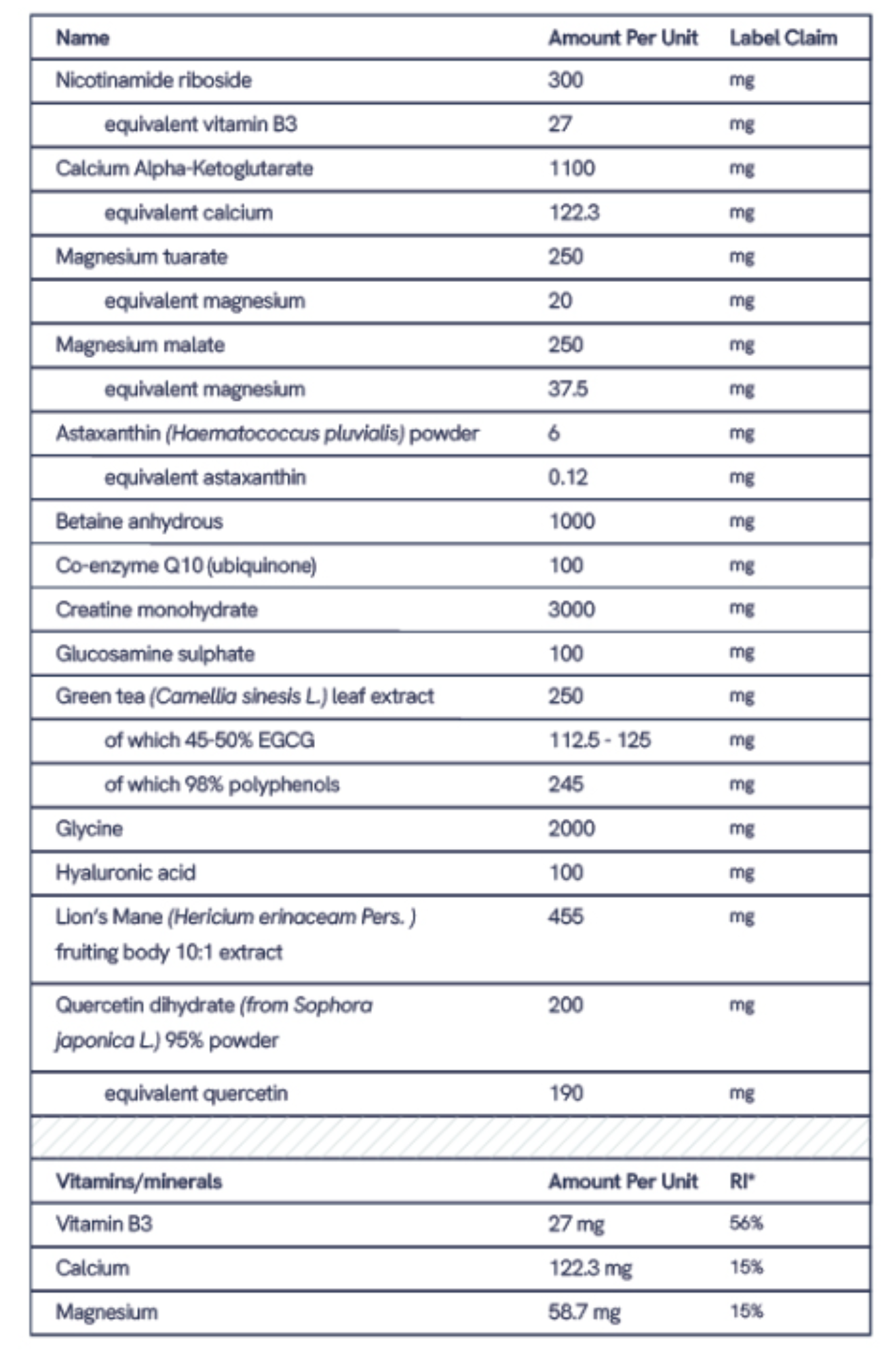
Zinc is involved in multiple steps of testosterone synthesis and is required for normal pituitary and gonadal function. Human studies have examined the relationship between zinc status and testosterone levels in men. A controlled dietary restriction study found that zinc restriction in young men over 20 weeks was associated with a significant decrease in serum testosterone, while zinc supplementation in marginally deficient elderly men resulted in a near-doubling of serum testosterone levels over six months.5 A 2022 systematic review including eight clinical studies concluded that zinc deficiency is associated with reduced testosterone levels and that supplementation improves testosterone in deficient individuals, while noting that effects may be limited in those with adequate zinc status.9 In the context of EFSA-approved health claims, zinc contributes to normal cognitive function and contributes to normal DNA synthesis. Zinc is present in Longevity Complete as part of a comprehensive formulation.
Selenium and Thyroid Function
Selenium is required for the function of deiodinase enzymes that convert the relatively inactive thyroxine (T4) into the more metabolically active triiodothyronine (T3). The thyroid contains the highest selenium concentration per gram of tissue of any organ in the body. Selenium deficiency has been linked to impaired thyroid hormone metabolism and is associated with autoimmune thyroid conditions in epidemiological research.
A 2024 systematic review and meta-analysis of 35 randomised controlled trials involving patients with Hashimoto thyroiditis found that selenium supplementation was associated with a decrease in TSH in patients not on thyroid hormone replacement therapy, and with reductions in thyroid peroxidase antibodies (TPOAb) across multiple cohorts.6 Evidence remains mixed and researchers note that selenium supplementation may be most relevant for individuals with documented selenium insufficiency. The EFSA-approved claim for selenium states that selenium contributes to the maintenance of normal hair and nails, and to the normal function of the immune system. Selenium is included in the Longevity Complete formulation.
Body Composition, Nutrition, and Hormonal Health
Visceral adiposity is associated with elevated oestradiol in men (via aromatase activity), reduced SHBG, and lower free testosterone. Dietary patterns — particularly those supporting a healthy body weight and limiting ultra-processed foods — are associated with favourable hormonal profiles in observational studies. Adequate iodine intake is essential for thyroid hormone synthesis. A Mediterranean-style dietary pattern has the most consistent evidence base for supporting metabolic and hormonal health.
Q&A: At-Home Hormone Testing, Interpretation, and Action
Is at-home hormone testing accurate enough to be useful?
For the hormones most commonly included in consumer panels — testosterone, thyroid hormones, oestradiol, progesterone, and cortisol — validated methods using DBS or saliva have demonstrated acceptable accuracy when compared with venous serum in published human studies.1,2 Accuracy depends on sample quality, correct collection timing, and use of accredited laboratories. Results should be interpreted as indicative rather than diagnostic and should prompt clinical follow-up if significant findings are identified.
How is dried blood spot testing different from a standard blood test?
Standard blood tests use venous blood collected via a needle into a tube, which is then centrifuged to separate serum or plasma. DBS testing uses a small volume of capillary blood from a finger-prick collected onto filter paper, which dries and can be posted at room temperature. Both methods can measure hormones accurately; venous sampling typically allows a larger volume for more markers and may have slightly better sensitivity for some analytes at very low concentrations.
What time of day should I collect my hormone samples?
Timing is critical. Testosterone in men is at its highest in the morning, typically between 7 and 10 AM, and testing should be done at this time for reliable results. Cortisol follows a pronounced diurnal rhythm peaking shortly after waking; a diurnal profile requires multiple samples across the day. Sex hormones in women need to be collected at the appropriate point in the menstrual cycle as specified by the testing service. Always follow the specific guidance provided with the testing kit.
What is the cortisol awakening response and why does it matter?
The cortisol awakening response (CAR) is the sharp increase in cortisol levels that occurs in the 30 to 45 minutes after waking. It is considered a marker of HPA-axis reactivity and is used in research as an indicator of how the body's stress regulation system is functioning.8 Blunted or exaggerated CARs have been associated with burnout and prolonged stress in observational studies, though single-day variability is high; reliable assessment requires averaging across at least two days.4
My testosterone result is within the reference range but I feel fatigued. Does this mean my hormones are not the cause?
Not necessarily. Laboratory reference ranges represent population norms, not individual optimal values. A testosterone result at the lower end of a wide reference range may still be suboptimal for a particular individual. Additionally, fatigue has many causes — thyroid function, iron status, sleep quality, cortisol patterns, and nutritional deficiencies can all contribute. A single hormone result in isolation rarely explains complex symptoms. A full panel combined with clinical assessment provides far more meaningful information.
What does the TSH result tell me about my thyroid health?
TSH (thyroid-stimulating hormone) reflects the pituitary's signal to the thyroid gland. A high TSH suggests the pituitary is working harder than usual to stimulate an underactive thyroid (hypothyroidism); a low TSH suggests the pituitary is suppressing stimulation in the context of an overactive thyroid (hyperthyroidism). TSH is the standard initial screening marker for thyroid function. Free T3 and free T4 provide additional information about how much active thyroid hormone is available and how well conversion from T4 to T3 is occurring.7
Can lifestyle changes meaningfully affect hormone levels?
Yes, within limits. Sleep quality has a well-documented effect on cortisol regulation. Body composition improvements are associated with favourable changes in testosterone and oestradiol balance. Zinc and selenium adequacy are relevant for testosterone and thyroid function respectively, based on human research.5,6 Resistance training is consistently associated with testosterone levels. That said, hormonal health is influenced by genetics, age, and medical factors that lifestyle alone cannot address; clinician support is appropriate when results suggest pathology.
How often should I test my hormones at home?
Testing frequency depends on what you are monitoring and why. For general health awareness in a healthy adult, a comprehensive annual panel provides useful trend data. If tracking a specific concern — such as symptoms suggestive of thyroid dysfunction or perimenopause — more frequent monitoring (every three to six months) may be appropriate in consultation with a clinician. Retesting is most meaningful when collection conditions are standardised, allowing valid comparison across time points.
FAQ
What hormones can be tested at home?
At-home testing services commonly measure testosterone (total and free), oestradiol, progesterone, DHEA-S, LH, FSH, TSH, free T3, free T4, and cortisol (diurnal profile). More comprehensive panels may also include thyroid antibodies (TPOAb, TGAb), insulin, HbA1c, and SHBG. The specific markers available depend on the testing service and the collection method used.
Is dried blood spot testing as accurate as a clinic blood test?
Validated DBS assays for key hormones including testosterone and thyroid hormones have demonstrated acceptable accuracy compared with venous serum in published human research.1 Accuracy depends on correct collection technique, adequate sample volume, appropriate handling, and the use of an accredited laboratory. DBS is not equivalent to venous sampling for all markers; for the most comprehensive or clinically sensitive assessments, venous sampling remains the gold standard.
What is the best at-home hormone test for women?
The most appropriate test depends on age, cycle status, and symptoms. Premenopausal women interested in cycle health typically benefit from a panel including oestradiol, progesterone, LH, FSH, and testosterone collected at the correct cycle day. Women in perimenopause may prioritise FSH and oestradiol alongside thyroid and cortisol. Services such as Medichecks and Forth offer UK-specific panels with clinical review. In the US, Everlywell's Women's Health Test includes multiple hormone markers with physician review.
What is the best at-home hormone test for men?
For men, a useful starting panel typically includes total testosterone, free testosterone (or SHBG to calculate it), LH, FSH, and TSH. More comprehensive panels add oestradiol, cortisol, and DHEA-S. Medichecks and Lets Get Checked both offer dedicated male hormone panels using DBS with morning collection guidance. Results should be interpreted in the context of age, as testosterone declines gradually from the fourth decade.
Can I test my cortisol at home?
Yes. Saliva-based cortisol testing is available from most at-home hormone testing services and is the standard method for assessing the diurnal cortisol rhythm without a clinic visit. A comprehensive cortisol profile typically requires four saliva samples collected at set times across a single day. Salivary cortisol is a validated measure of free cortisol and is used extensively in clinical and research settings.3
Do I need to fast before a hormone blood spot test?
Requirements vary by hormone and service. Morning testosterone testing does not typically require fasting, though consistent timing is important. Panels that include fasting insulin or blood glucose markers do require an overnight fast of at least eight hours. Cortisol testing requires specific timing relative to waking rather than fasting. Always follow the preparation guidance included with your specific testing kit, as deviating from it can affect result accuracy.
References
- Hajj L, et al. Validation of a Dried Blood Spot Assay for Testosterone Measurement Using Liquid Chromatography-Tandem Mass Spectrometry. Andrologia. 2024;56:e15000. View on PubMed ↗
- Worthman CM, Stallings JF. Measurement of Gonadal Hormones in Dried Blood Spots versus Serum: Verification of Menstrual Cycle Phase. Horm Behav. 2000;38(2):137-147. View on PubMed ↗
- Raff H, et al. Measurement of salivary cortisol in 2012 — laboratory techniques and clinical indications. Curr Opin Endocrinol Diabetes Obes. 2013;20(3):161-170. View on PubMed ↗
- Clow A, et al. Use of Salivary Diurnal Cortisol as an Outcome Measure in Randomised Controlled Trials: a Systematic Review. Ann Behav Med. 2016;50(3):210-236. View on PubMed ↗
- Prasad AS, et al. Zinc status and serum testosterone levels of healthy adults. Nutrition. 1996;12(5):344-348. View on PubMed ↗
- Kolanu BB, et al. Selenium Supplementation in Patients with Hashimoto Thyroiditis: A Systematic Review and Meta-Analysis of Randomized Clinical Trials. Thyroid. 2024;34(3):310-323. View on PubMed ↗
- Foley TP Jr, et al. Assays for thyroid-stimulating hormone using dried blood spotted filter paper specimens to screen for hypothyroidism in older children and adults. Clin Chem. 2003;49(8):1323-1333. View on PubMed ↗
- Hellhammer DH, Wust S, Kudielka BM. Salivary cortisol as a biomarker in stress research. Psychoneuroendocrinology. 2009;34(2):163-171. View on PubMed ↗
- Te L, et al. Correlation between serum zinc and testosterone: A systematic review. J Trace Elem Med Biol. 2023;76:127130. View on PubMed ↗