Dietary fiber and prebiotics serve as fuel for beneficial gut bacteria, supporting the microbial diversity associated with healthy ageing. Human research consistently links a diverse and functionally rich gut microbiome to improved immune regulation, metabolic health, and reduced chronic low-grade inflammation. Fiber and prebiotic intake is one of the most well-studied, actionable strategies for supporting the gut ecosystem that may contribute to longevity.
Key Takeaways
- The gut microbiome undergoes significant age-related changes; microbiomes that maintain diversity and uniqueness in later life are associated with better health outcomes and lower mortality risk in human cohort studies.2
- A systematic review of 27 human studies found that healthy ageing and longevity are consistently associated with distinct microbial diversity patterns and the presence of specific beneficial taxa.1
- Prebiotics, particularly inulin and fructo-oligosaccharides (FOS), have been shown in human trials to selectively increase populations of beneficial bacteria such as Bifidobacterium and Lactobacillus.3,5
- A meta-analysis of 64 randomised controlled trials involving over 2,000 adults found that dietary fiber intervention significantly increased Bifidobacterium and Lactobacillus abundance, as well as fecal butyrate levels.5
- A Stanford randomised trial in healthy adults found that high-fiber and fermented-food diets modulated gut microbial function and immune status in distinct ways, with individual baseline microbiome composition influencing the response.4
- Different fiber types (soluble, insoluble, resistant starch, beta-glucan) ferment at different rates and in different gut regions, producing varied metabolic outputs — particularly short-chain fatty acids — that support gut barrier function and systemic health.6
- Probiotics (live bacteria) and prebiotics (substrate for bacteria) serve distinct but complementary roles; the combination is referred to as synbiotics, and human trials suggest their combined use may offer additive microbiome-modulating effects.
The Gut Microbiome and Longevity
The human gut is home to an estimated 38 trillion microbial cells — bacteria, archaea, fungi, and viruses — collectively referred to as the gut microbiome. This ecosystem performs functions essential to human health: fermenting dietary fibers, synthesising vitamins, regulating immune responses, maintaining the gut epithelial barrier, and producing signalling molecules that communicate with the brain, liver, and other organs.
Ageing is associated with substantial changes to this ecosystem. Large cross-sectional studies comparing gut microbiome composition across different age groups consistently document shifts in microbial diversity, the relative abundance of specific taxa, and metabolic output. A 2020 systematic review of 27 human studies examining the gut microbiome in normal and successful ageing found that alpha diversity — a measure of species richness within an individual — was higher in oldest-old adults (particularly those over 90 years of age) compared to younger-old adults.1 Additionally, specific taxa such as Akkermansia were more consistently enriched in older individuals with better health profiles, while taxa associated with gut inflammation tended to increase with declining health.
A landmark study published in Nature Metabolism in 2021 analysed gut microbiome data from over 9,000 individuals across three independent cohorts. The investigators found that, starting in mid-to-late adulthood, healthy ageing is characterised by a process of microbiome individuation: microbiomes become increasingly unique to the individual over time. In those over the age of 80, continued microbiome drift toward compositional uniqueness — away from common, dominant taxa such as Bacteroides — was associated with better metabolic markers, faster walking speed, higher vitamin D levels, and lower mortality over a four-year follow-up period. Individuals whose microbiomes showed less uniqueness over time had a nearly twofold higher risk of death during the study period.2
These findings do not establish causality — whether a diverse or unique microbiome drives better health outcomes, or whether it is itself a downstream reflection of healthier habits and biology, is still being investigated. However, they do highlight the gut microbiome as a meaningful marker of biological ageing and a compelling target for dietary intervention.
Among the most consistently identified factors supporting a diverse and health-associated gut microbiome is dietary fiber intake. Fiber provides the primary carbon source for gut bacteria, and different fiber types selectively nourish different microbial populations. The gut microbiome's capacity to ferment fiber to produce beneficial metabolites — including short-chain fatty acids (SCFAs) such as butyrate, propionate, and acetate — lies at the heart of the gut-longevity connection.
Prebiotics: Feeding Your Beneficial Bacteria
The term "prebiotic" has a specific scientific definition: a substrate that is selectively used by host microorganisms to confer a health benefit. Not all fiber qualifies as a prebiotic — prebiotics must be fermented selectively by beneficial bacteria and produce measurable physiological effects. The most well-researched prebiotic types are inulin-type fructans (inulin and fructo-oligosaccharides, or FOS), galacto-oligosaccharides (GOS), and resistant starch.
How prebiotics work: When prebiotic fibers reach the large intestine undigested, resident bacteria ferment them through a process of selective fermentation. This generates short-chain fatty acids as primary byproducts, particularly butyrate. Butyrate is the preferred energy source for colonocytes — the cells lining the gut — and plays an important role in maintaining the integrity of the gut epithelial barrier, modulating local immune responses, and influencing systemic inflammation markers.
Human evidence on inulin: A systematic review of nine human studies examining inulin's effects on gut microbial composition found that the most consistent and reproducible response to inulin supplementation in adults was a selective increase in Bifidobacterium populations.3 Secondary consistent changes included increases in Anaerostipes and Faecalibacterium, two butyrate-producing genera, with a concurrent decrease in less desirable taxa. Supplementation protocols in included studies ranged from 5 to 20 g per day, with most positive outcomes observed at the higher end of this range. The review noted important variability across individual responses, reflecting the highly personalised nature of microbiome interventions.
Broader fiber meta-analysis findings: A meta-analysis pooling data from 64 randomised controlled trials involving over 2,000 healthy adult participants assessed the effect of various dietary fiber types on gut microbiota composition. Dietary fiber intervention led to significantly higher fecal abundance of Bifidobacterium (standardised mean difference: 0.64, p < 0.00001) and Lactobacillus (SMD: 0.22, p = 0.02), as well as increased fecal butyrate concentration (p = 0.05) compared to low-fiber or placebo comparators. Subgroup analysis confirmed that fructans (including FOS and inulin) and GOS produced the strongest bifidogenic effects.5 Importantly, while bacterial abundance effects were robust, no significant change in overall alpha diversity was observed — suggesting that prebiotics modulate specific taxa without necessarily broadening the total ecosystem.
Cross-feeding and the microbiome community: Prebiotic fermentation does not occur in isolation. Bifidobacterium metabolises inulin and FOS, producing acetate and lactate that butyrate-producing bacteria can then use as substrate. This ecological interaction — referred to as cross-feeding — is one reason why prebiotic intake tends to benefit a broader constellation of beneficial bacteria beyond just the primary fermenters. The gut microbiome's response to fiber is highly community-dependent and personalised.
Fiber Types and Their Distinct Roles
Dietary fiber is not a single entity. It is a diverse group of non-digestible carbohydrates with distinct chemical structures, physical properties, and physiological effects. Understanding the differences helps in evaluating food sources and supplements.
Soluble Fiber
Soluble fiber dissolves in water to form a gel-like substance. This viscosity affects digestion by slowing gastric emptying and modulating nutrient absorption rates. Primary sources include oats (beta-glucan), psyllium husk, legumes, apples, and citrus fruit (pectin). Soluble fiber is readily fermented by gut bacteria and contributes substantially to butyrate and other SCFA production. A Harvard cohort study examining over 300 healthy adult men found that fiber intake was significantly associated with the composition and metabolic function of the gut microbiome, with higher fiber intake linked to microbial profiles producing lower inflammatory markers.6
Insoluble Fiber
Insoluble fiber does not dissolve in water and passes through the digestive tract largely intact, adding bulk to stool and supporting bowel transit regularity. Primary sources include whole wheat, brown rice, nuts, and the skins of many vegetables and fruits. Insoluble fiber ferments more slowly and selectively, but still supports gut motility and acts as a physical scaffold for beneficial bacteria.
Beta-Glucan
Beta-glucan is a soluble, viscous polysaccharide found primarily in oats and barley. It has the strongest evidence base of any dietary fiber type for specific physiological effects in humans, particularly support of normal cholesterol metabolism. Thiamine, which contributes to normal heart function (EFSA-approved), is found alongside beta-glucan in whole grain oat-based foods, illustrating how dietary patterns often deliver multiple beneficial compounds simultaneously.
Resistant Starch
Resistant starch escapes digestion in the small intestine and reaches the colon largely intact, where it functions as a highly effective substrate for butyrate-producing bacteria. Types include unripe bananas (type 2), cooked and cooled potatoes or rice (type 3), and some processed cereal products (type 4). Human intervention studies demonstrate significant butyrogenic effects from resistant starch, making it a compelling target for microbiome-directed dietary strategies.
Pectin
Pectin is a soluble fiber found in the skin and pulp of fruits (particularly apples, citrus, and berries). It is fermented by a wide range of gut bacterial taxa and may support a broader set of microbiome species than narrower-spectrum prebiotics like inulin or FOS. This diversity of fermentation makes pectin an interesting component of high-variety fiber approaches.
Probiotics vs. Prebiotics: Understanding the Difference
The terms probiotic and prebiotic are often used interchangeably in popular media but describe fundamentally different strategies for supporting the gut microbiome.
Probiotics are live microorganisms that, when consumed in adequate amounts, may confer a health benefit on the host. Common probiotic species include Lactobacillus and Bifidobacterium strains. Probiotics work by temporarily introducing beneficial bacteria into the gut environment. Their colonisation is generally transient — most strains do not permanently establish themselves in the gut — but during their passage they may produce beneficial metabolites, modulate local immune responses, and competitively exclude less desirable species.
Prebiotics work differently: rather than introducing bacteria, they feed and selectively expand the populations of beneficial bacteria already resident in the gut. This distinction is important from a supplementation perspective. Prebiotic effects are generally considered more durable, as they nurture established microbial communities rather than relying on transient colonisation by exogenous strains.
Quality markers for probiotic supplements: When considering probiotic products, meaningful quality indicators include strain-level specificity (the genus and species alone is insufficient — the strain identity should be declared), colony-forming unit (CFU) count at the end of shelf life (not just at manufacture), viability delivery system, and independent third-party verification of label accuracy. Human evidence tends to be highly strain-specific, meaning that benefits observed in trials using one Lactobacillus strain should not be assumed to apply to other strains of the same species.
Synbiotics — the combined approach: A synbiotic is a product or dietary approach that combines probiotics and prebiotics. The prebiotic component selectively nourishes the co-administered probiotic, potentially supporting its survival and activity in the gut. Human trials on synbiotics have shown generally favourable effects on gut microbiome composition, with some studies demonstrating additive or synergistic benefits compared to either component alone. This remains an active area of research with growing evidence but still relatively limited long-term outcome data in healthy adults.
Dietary Fiber, the Gut Microbiome, and Immune Status: Human Evidence
A 17-week randomised trial at Stanford University enrolled 36 healthy adults and assigned them to either a high-fiber diet or a high-fermented food diet. Participants underwent comprehensive immune profiling and gut microbiome sequencing throughout the intervention. The high-fiber diet significantly increased microbiome-encoded carbohydrate-degrading enzyme activity, indicating a functional shift in the microbial community toward enhanced fiber processing. However, overall microbial diversity did not increase uniformly across participants — three distinct immunological response patterns emerged based on baseline microbiome composition. In contrast, the fermented food diet increased overall microbiota diversity and decreased 19 inflammatory proteins in the blood.4
The study's findings underscore two important principles. First, the gut microbiome's response to dietary fiber is highly individual, with baseline microbial composition predicting response patterns. Second, fiber's functional effects may operate primarily through changes in microbial metabolic capacity — particularly SCFA production — rather than through broad shifts in diversity. These nuances are important context for interpreting population-level dietary guidance at the individual level.
A large cohort study analysing dietary fiber intake and gut microbiome composition in healthy adult men found that higher fiber intake was associated with lower systemic inflammatory markers, an association that appeared to be partially mediated by the gut microbiome. Specifically, fiber-associated changes in gut bacterial profiles were linked to lower levels of inflammatory cytokines in blood, offering human observational evidence for a fiber-microbiome-inflammation pathway.6
How to Evaluate Prebiotic and Fiber Supplements
The prebiotic and fiber supplement market is large and varied, with products ranging from isolated single fibers (inulin, FOS, GOS, psyllium) to complex multi-fiber blends. Several considerations can guide informed evaluation.
Type specificity: Different fiber types have different fermentation profiles and physiological outcomes. A product should clearly declare the type and source of fiber it contains, not just a generic "dietary fiber" label.
Dose adequacy: Human trials on inulin have used doses ranging from 5 to 20 g per day.3 Most trials demonstrating meaningful microbiome effects used at least 5 g per day of fermentable fiber. Doses that are substantially below studied ranges may not produce comparable effects.
Third-party testing: Fiber supplements should be independently verified for label accuracy — declared fiber type, amount, and absence of contaminants. A Certificate of Analysis (COA) from an accredited laboratory provides objective verification that what is on the label is what is in the product.
Tolerability: Prebiotic fibers, particularly at higher doses, can cause temporary bloating, flatulence, or altered stool consistency as the gut microbiome adapts. Starting with lower doses and gradually increasing over several weeks is a commonly recommended approach to minimise these transient effects.
Whole food vs. supplement: The human evidence for fiber benefits includes both whole food dietary patterns and isolated prebiotic supplementation. Whole foods provide a diversity of fiber types alongside additional nutrients (vitamins, minerals, polyphenols) that may contribute synergistically. Supplements offer convenience and dose precision. Both approaches can support gut microbiome health when used thoughtfully.
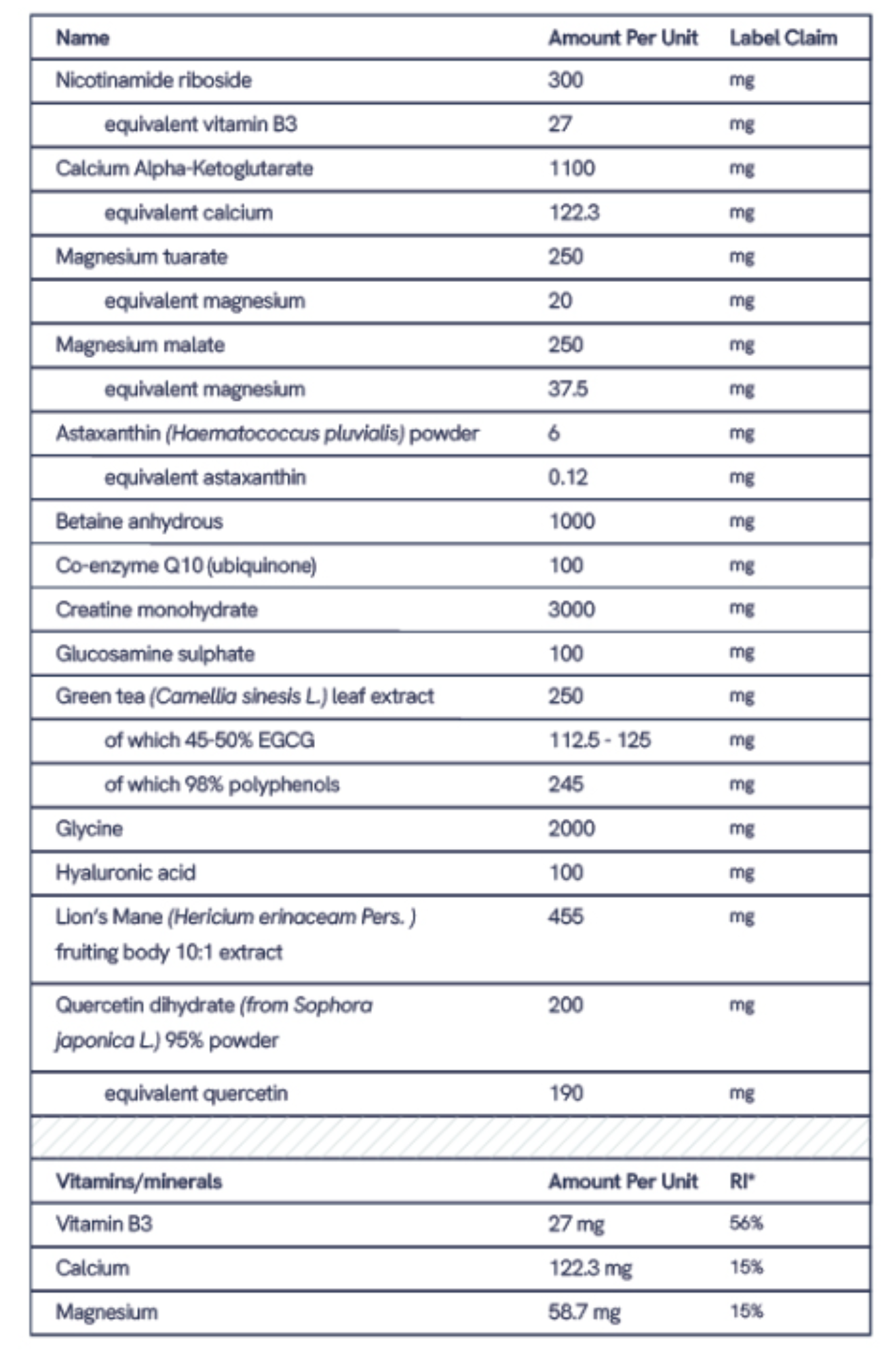
Where supplement quality and transparency are relevant, The Longevity Store's philosophy prioritises third-party tested, clearly labelled formulations. While Longevity Complete is not a dedicated prebiotic product, it is formulated to complement a nutrient-rich, fiber-adequate diet. Zinc, for example, contributes to normal immune function and to the normal function of the immune system — an EFSA-approved claim — reflecting the immune-gut axis through a mineral foundation.
Q&A: Fiber, Prebiotics, and the Gut-Longevity Connection
What is the difference between fiber and prebiotics?
Dietary fiber is a broad term for non-digestible carbohydrates that reach the colon intact. Prebiotics are a specific subset of fibers that are selectively fermented by beneficial gut bacteria to confer a health benefit. All prebiotics are a type of fiber, but not all dietary fiber qualifies as a prebiotic by the scientific definition. Inulin, FOS, and GOS are among the best-characterised prebiotic fibers in human research.3
How does the gut microbiome change with age?
As humans age, the gut microbiome typically becomes less stable and less populated by core widespread taxa. In those who age healthily, however, human cohort data shows that gut microbiomes maintain or even increase their individuality and functional diversity.2 Age-related declines in microbial diversity are associated with increased frailty, immune dysregulation, and poorer health outcomes across multiple studies.1
What are short-chain fatty acids and why do they matter?
Short-chain fatty acids (SCFAs) — primarily butyrate, propionate, and acetate — are produced when gut bacteria ferment dietary fiber and prebiotics in the large intestine. Butyrate is the primary energy source for colonocytes, supports the gut epithelial barrier, and plays a role in modulating local and systemic immune responses. Fecal butyrate levels are considered a useful functional marker of fiber fermentation activity in the gut.5
How much fiber do I need for gut microbiome support?
Most dietary guidelines recommend at least 25 to 30 g of total dietary fiber per day for adults, though intakes in many populations fall below this level. Human trials examining prebiotic-specific effects on the gut microbiome have used supplemental doses of 5 to 20 g per day of specific prebiotic fibers in addition to background dietary intake.3 Optimal amounts appear to vary depending on baseline microbiome composition, habitual diet, and the type of fiber being consumed.
Are the effects of prebiotics the same for everyone?
No. Human trial data clearly shows that the gut microbiome's response to fiber and prebiotic supplementation is highly personalised. A Stanford randomised trial found three distinct immunological response patterns to a high-fiber diet, all correlated with baseline microbiome composition.4 The same fiber type can stimulate different microbial responses in different individuals, making personalised dietary approaches an area of growing scientific interest.
What is a synbiotic?
A synbiotic is a combination of probiotics (live beneficial bacteria) and prebiotics (substrate that feeds beneficial bacteria), formulated to work together. The prebiotic component is intended to selectively nourish the co-administered probiotic strain(s), potentially enhancing their survival, activity, and effect in the gut. Human trials on synbiotics have generally demonstrated favourable effects on gut microbiome composition, though research in healthy adults over the long term remains limited.
Can I get enough prebiotics from food alone?
Many whole foods are naturally rich in prebiotic fibers: chicory root, Jerusalem artichoke, garlic, onions, leeks, asparagus, and green bananas are among the highest in inulin and FOS. Oats and barley contain beta-glucan. Legumes and lentils provide resistant starch and pectin. A varied diet rich in these foods can supply substantial prebiotic fiber. Supplemental prebiotics offer a convenient way to reach higher target doses or maintain consistency when dietary intake is variable.
Is there a risk of taking too much prebiotic fiber?
Prebiotic fibers are generally well tolerated, but higher doses are commonly associated with temporary gastrointestinal symptoms including bloating, flatulence, and altered bowel habits — particularly in individuals not accustomed to high fiber intake. These effects typically diminish as the gut microbiome adapts. A gradual increase in intake is recommended. Individuals with specific gastrointestinal conditions should consult a healthcare professional before significantly increasing prebiotic or fiber supplementation.
Does the type of fiber matter for longevity?
The type of fiber does influence which bacteria it feeds and which metabolites are produced. Inulin and FOS are particularly effective at increasing Bifidobacterium populations; resistant starch is among the most butyrogenic (butyrate-producing) fibers; pectin supports a broader range of bacterial species. A varied fiber intake from multiple sources is considered optimal for supporting a diverse and metabolically active gut microbiome, consistent with patterns observed in populations with healthy ageing trajectories.1,6
What makes a high-quality prebiotic supplement?
Quality indicators include: declared fiber type and source (not generic "fiber"), dose matching studied ranges in clinical trials, independent third-party testing with a Certificate of Analysis, and absence of unnecessary additives. Products that clearly disclose their ingredient identity, amount, and testing results provide the highest level of transparency for informed decision-making.
Frequently Asked Questions
What are prebiotics?
Prebiotics are a specific type of dietary fiber that is selectively fermented by beneficial gut bacteria, such as Bifidobacterium and Lactobacillus, to produce metabolites including short-chain fatty acids. They are defined scientifically as substrates that confer a health benefit through selective microbiome modulation. Well-studied prebiotics include inulin, fructo-oligosaccharides (FOS), and galacto-oligosaccharides (GOS).3
How does gut microbiome diversity relate to healthy ageing?
Large human studies have found that individuals who age with a more compositionally unique and diverse gut microbiome show better metabolic markers, higher physical function, and lower all-cause mortality compared to peers with less diverse gut environments.2 However, the causal direction of this relationship is still being studied.
What is the best longevity supplement for gut health?
No single supplement has been proven to extend lifespan via gut microbiome modulation. However, prebiotic fiber supplements (such as inulin, FOS, and GOS) are among the most well-studied dietary interventions for supporting gut microbiome diversity and function in humans. The most robust evidence supports a varied, fiber-rich dietary pattern as the foundation for gut microbiome health, with targeted supplementation as a complementary strategy.5
What is the difference between a probiotic and a prebiotic supplement?
Probiotics are live bacteria that may temporarily colonise the gut and provide benefits during their transit. Prebiotics are non-digestible fibers that feed beneficial bacteria already resident in the gut, supporting their growth and metabolic activity. A synbiotic combines both. Each approach has its own research evidence, and the most appropriate choice depends on individual gut health status, dietary context, and health goals.
Which foods are naturally richest in prebiotic fiber?
High-prebiotic foods include chicory root (the richest natural source of inulin), Jerusalem artichoke, garlic, onions, leeks, asparagus, and ripe bananas for FOS and inulin-type fructans. Oats and barley are rich in beta-glucan. Cooked and cooled potatoes and rice provide type 3 resistant starch. Legumes (lentils, chickpeas, beans) provide a combination of resistant starch, pectin, and other fermentable fibers.
How long does it take for fiber or prebiotics to affect the gut microbiome?
Human studies have observed measurable changes in gut microbiome composition within one to four weeks of initiating a dietary fiber or prebiotic supplementation protocol.5 Longer interventions generally produce more sustained effects, though individual responses vary depending on baseline microbiome composition and habitual diet. Gastrointestinal adaptation (reduction of initial bloating or flatulence) typically occurs within two to four weeks of consistent intake.
References
- Dahl WJ, Rivero Mendoza D, Lambert JM. Diet, nutrients and the microbiome. Progress in Molecular Biology and Translational Science. 2020;171:237–263. View on PubMed ↗
- Wilmanski T, Diener C, Rappaport N, et al. Gut microbiome pattern reflects healthy ageing and predicts survival in humans. Nature Metabolism. 2021;3(2):274–286. doi:10.1038/s42255-021-00348-0. View on PubMed ↗
- Dahl WJ, Zhu H, Guan X, et al. The effects of inulin on gut microbial composition: a systematic review of evidence from human studies. European Journal of Clinical Microbiology & Infectious Diseases. 2020;39(3):403–413. doi:10.1007/s10096-019-03715-2. View on PubMed ↗
- Wastyk HC, Fragiadakis GK, Perelman D, et al. Gut-microbiota-targeted diets modulate human immune status. Cell. 2021;184(16):4137–4153.e14. doi:10.1016/j.cell.2021.06.019. View on PubMed ↗
- So D, Whelan K, Rossi M, et al. Dietary fiber intervention on gut microbiota composition in healthy adults: a systematic review and meta-analysis. American Journal of Clinical Nutrition. 2018;107(6):965–983. doi:10.1093/ajcn/nqy041. View on PubMed ↗
- Ma W, Nguyen LH, Song M, et al. Dietary fiber intake, the gut microbiome, and chronic systemic inflammation in a cohort of adult men. Genome Medicine. 2021;13(1):102. doi:10.1186/s13073-021-00921-y. View on PubMed ↗