The gut-brain axis is a bidirectional communication network linking the enteric nervous system, vagus nerve, immune system, and gut microbiome with the central nervous system. Human research shows associations between microbiome composition and mood, cognitive performance, and neuroinflammation. As the microbiome changes with aging, this axis is increasingly studied as a modifiable factor in cognitive longevity.
Key Takeaways
- The gut-brain axis operates through four documented communication pathways: the vagus nerve, immune signalling via cytokines and lipopolysaccharides, enteroendocrine signalling involving serotonin precursors, and short-chain fatty acid (SCFA) production by gut bacteria.1
- Microbiome diversity tends to decrease with age, and this shift is associated with increased systemic inflammation and reduced production of neuroprotective metabolites.2
- A meta-analysis of 34 controlled clinical trials found that probiotic supplementation was associated with small but statistically significant improvements in depressive and anxiety symptoms compared to placebo.3
- A Stanford RCT found that a fermented-food diet over 10 weeks increased gut microbial diversity and reduced 19 inflammatory proteins in healthy adults, while a high-fibre diet alone did not produce these changes within the same timeframe.4
- Human research consistently identifies associations between gut microbiome dysbiosis and increased risk of cognitive decline; Mediterranean dietary patterns are among the most studied protective approaches via gut-mediated pathways.5
- Sleep disruption negatively affects gut barrier function and microbial composition, while gut-derived serotonin precursors play a role in sleep regulation, creating a bidirectional relationship between gut health and sleep quality.
- Evidence-based approaches that support the gut-brain axis include increasing dietary fibre diversity, regularly consuming fermented foods, managing psychological stress, prioritising sleep quality, and limiting ultra-processed food intake.
Chapter 1: Understanding the Gut-Brain Axis
The term "gut-brain axis" describes a complex, bidirectional communication system connecting the gastrointestinal tract, its resident microbial community, and the brain. This connection is not metaphorical. Researchers have identified multiple structural and biochemical pathways through which signals travel continuously in both directions between the gut and the central nervous system.1
The gut itself houses approximately 500 million neurons, collectively known as the enteric nervous system. This network governs digestive function but also communicates extensively with the brain via the autonomic nervous system. The gut microbiome, a community of trillions of microorganisms inhabiting the gastrointestinal tract, sits at the centre of this axis, producing metabolites, neurotransmitter precursors, and immune-modulating compounds that influence brain function across the lifespan.5
From a longevity perspective, this axis receives increasing research attention because the microbiome changes substantially with age. Microbial diversity, broadly associated with better health outcomes, tends to decline in older adults. The resulting shifts in microbial composition may contribute to increased systemic inflammation, reduced SCFA production, and altered neurotransmitter availability, all of which have downstream relevance for mood, cognitive function, and neurological resilience.2
This article is for educational purposes only. It examines what current human research reveals about the gut-brain axis, how it changes with aging, and what evidence-based dietary approaches may help support it.
Chapter 2: The Four Communication Pathways of the Gut-Brain Axis
Researchers have identified four principal pathways through which the gut microbiome communicates with the brain. Understanding these pathways helps clarify why gut health is considered relevant to cognitive and psychological wellbeing.1
The Vagus Nerve Pathway
The vagus nerve is the longest cranial nerve in the body, running from the brainstem to the abdomen. It functions as a primary neural highway between gut and brain, transmitting sensory information from the gastrointestinal environment to the central nervous system. Approximately 80 to 90 percent of the fibres in the vagus nerve are afferent, meaning they carry signals from the gut to the brain rather than the reverse. Gut microbes communicate with the vagus nerve via enteroendocrine cells lining the intestinal wall. These cells sense microbial metabolites and release signalling molecules that activate vagal neurons, influencing mood, satiety, and stress responses.1
The Immune Signalling Pathway
The gut is the largest immune organ in the body, housing approximately 70 percent of the body's immune cells. The gut microbiome plays a critical role in educating and calibrating immune responses. When gut microbial balance is disrupted, a state called dysbiosis, immune signalling can become dysregulated. Bacteria and their structural components, including lipopolysaccharides (LPS), may translocate across a compromised gut barrier into systemic circulation, triggering low-grade inflammation. Elevated circulating inflammatory cytokines such as interleukin-6 and tumour necrosis factor-alpha can influence the blood-brain barrier, activating microglial cells and contributing to neuroinflammatory states associated with cognitive decline and mood disturbance.1,2
The Enteroendocrine Signalling Pathway
Enteroendocrine cells produce a range of signalling molecules in response to luminal contents, including serotonin precursors and gut peptides such as glucagon-like peptide-1. Approximately 90 to 95 percent of the body's serotonin is synthesised in the gut. Gut bacteria influence the availability of tryptophan, the dietary amino acid from which serotonin is made, through competitive metabolism and enzymatic activity. Shifts in the microbiome can therefore alter the pool of serotonin and related neuroactive compounds available to the brain, with potential consequences for mood and cognitive function.5
The Short-Chain Fatty Acid Pathway
When gut bacteria ferment dietary fibre, they produce SCFAs, particularly butyrate, propionate, and acetate. Butyrate is the primary energy source for colonocytes, the cells lining the colon, helping maintain gut barrier integrity. SCFAs also have systemic anti-inflammatory effects and can influence blood-brain barrier permeability and microglial function. The production of SCFAs depends heavily on the diversity and composition of the gut microbiome. Reduced SCFA production, associated with lower fibre intake and reduced microbial diversity in aging, is a candidate mechanism linking gut dysbiosis to increased neuroinflammatory risk.1
Chapter 3: The Microbiome and Mood: What Human Studies Show
The relationship between gut microbiome composition and psychological wellbeing has attracted substantial research attention. Importantly, this relationship is bidirectional: the gut microbiome influences mood via the pathways described above, while psychological stress has documented effects on gut barrier function and microbial composition.5
Observational Evidence
Observational studies in human populations have identified associations between specific microbiome profiles and depression and anxiety risk. Reduced microbial diversity, lower abundance of certain Lactobacillus and Bifidobacterium species, and elevated populations of pro-inflammatory bacteria have been reported in people with clinical depression compared to healthy controls, although the direction of causality remains under active investigation. These associations do not establish that microbiome changes cause depression; they may instead reflect shared upstream factors such as diet quality, stress, or medication use.5
Probiotic Intervention Trials
A systematic review and meta-analysis examining 34 controlled clinical trials found that probiotic supplementation was associated with small but statistically significant reductions in depressive symptoms (effect size d = -0.24) and anxiety symptoms (effect size d = -0.10) compared to placebo.3 The researchers noted that clinical and medical samples showed larger effects than community samples, suggesting that individuals with more pronounced symptoms may experience more detectable benefits. Prebiotics, by contrast, did not demonstrate significant effects on depression or anxiety in the same analysis. The authors emphasised that pooled effects were modest and the field would benefit from larger trials with clearly diagnosed clinical populations.
Fermented Foods and Mood Outcomes
A meta-analysis of 8 cohort studies including 83,533 participants found that higher consumption of fermented dairy foods was associated with a statistically significant reduction in depression risk (odds ratio 0.89; 95% confidence interval 0.81 to 0.98). In subgroup analysis, yogurt and cheese consumption were each independently associated with reduced depression risk.6 The researchers proposed gut-brain axis modulation as a plausible contributing mechanism, while noting that observational studies cannot establish causation and that dietary patterns are typically correlated with other healthy lifestyle behaviours.
The Psychobiotic Concept
The term "psychobiotic" refers to live microorganisms that, when consumed in adequate quantities, may confer mental health benefits through gut-brain axis interactions. This concept has generated considerable research interest, though the field is still developing. Current evidence supports the general principle that gut-targeted dietary interventions can influence biomarkers relevant to mood and cognition; translating this into specific clinical recommendations remains the subject of ongoing research.3
Chapter 4: Gut Health and Cognitive Aging: The Emerging Research
Beyond mood, researchers are examining whether the gut microbiome is relevant to the trajectory of cognitive aging. As the global population ages, understanding modifiable factors that influence cognitive longevity has become a research priority.
Microbiome Diversity and Cognitive Function
Several human cohort studies have reported associations between lower gut microbiome diversity and poorer cognitive performance in older adults. Reduced diversity is associated with elevated systemic inflammation, lower SCFA production, and increased intestinal permeability, all of which may create conditions unfavourable to optimal brain function. The gut microbiota is described as an emerging target for strategies aimed at preserving brain health during aging, though the field acknowledges that human intervention data are still developing.2
Dysbiosis and Neuroinflammation
Gut microbial dysbiosis has been associated with inflammatory microbiome profiles that may contribute to neuroinflammation, a process implicated in the pathogenesis of several age-related neurodegenerative conditions. Elevated LPS translocation through a compromised gut barrier can activate peripheral immune cells that in turn signal across the blood-brain barrier, promoting microglial activation and sustained low-grade neuroinflammation.1 While this mechanistic pathway is well-characterised in preclinical models, establishing its clinical significance in human cognitive aging remains an active area of research.
Mediterranean Diet, Microbiome, and Cognitive Outcomes
Among dietary patterns, the Mediterranean diet has the most robust evidence base in relation to gut microbiome composition and cognitive health. Research has shown that adherence to a Mediterranean dietary pattern is associated with greater gut microbial diversity, higher proportions of SCFA-producing bacteria, reduced inflammatory markers, and lower risk of cognitive decline over time. Analyses suggest that the microbiome may partially mediate the cognitive benefits observed in Mediterranean diet adherents, though disentangling dietary effects from other lifestyle variables in observational data remains methodologically challenging.5
Key features of the Mediterranean dietary pattern that appear relevant to gut-brain axis health include high diversity of plant foods, substantial dietary fibre from legumes, vegetables, and whole grains, polyphenol-rich foods such as olive oil, berries, and herbs, and moderate consumption of fermented dairy products such as yogurt. The combined prebiotic and anti-inflammatory profile of this pattern creates conditions associated with a more diverse and metabolically active microbiome.
Chapter 5: The Gut-Sleep Connection: A Two-Way Relationship
Sleep and gut health are linked bidirectionally. Disrupted sleep has documented effects on gut physiology, while microbiome composition influences the availability of compounds that regulate the sleep-wake cycle.
How Poor Sleep Affects the Gut
Human research has shown that sleep deprivation and circadian disruption are associated with increased intestinal permeability, sometimes described informally as increased gut barrier dysfunction. This may allow bacterial components to translocate into the bloodstream, triggering inflammatory responses. Sleep disruption is also associated with unfavourable shifts in gut microbial composition, including reductions in beneficial bacteria and increases in pro-inflammatory species. Shift workers and individuals with chronic sleep disorders show altered microbiome profiles compared to those with consistent sleep patterns, though causality is difficult to establish in observational research.5
How the Gut Influences Sleep
The gut produces precursors to melatonin and serotonin, both involved in regulating the sleep-wake cycle. Tryptophan, derived from dietary protein and microbially influenced in its metabolic availability, is the dietary precursor to serotonin and ultimately melatonin. A microbiome that supports optimal tryptophan metabolism may therefore contribute to healthy circadian regulation. Gut-derived SCFAs have also been studied for their potential influence on hypothalamic signalling pathways relevant to sleep architecture.
This bidirectional relationship means that supporting gut health may represent one component of a broader approach to improving sleep quality, while simultaneously prioritising sleep quality may help preserve microbiome integrity. For a detailed examination of sleep optimisation strategies, see our related article on deep sleep and the glymphatic system.
Chapter 6: Practical Steps for Supporting the Gut-Brain Axis
Based on current human evidence, the following approaches are associated with supporting gut microbiome health in ways relevant to the gut-brain axis. These are evidence-informed lifestyle strategies, not medical treatments.
Increase Dietary Fibre Diversity
Dietary fibre is the primary substrate for SCFA-producing bacteria. Research consistently associates higher fibre intake with greater microbial diversity and more favourable SCFA profiles. Diversity of fibre sources appears to matter as much as total quantity. Consuming a wide variety of plant foods, including different vegetables, legumes, whole grains, nuts, and seeds, provides a diverse range of prebiotic substrates that support different bacterial populations.5
Incorporate Fermented Foods Regularly
A randomised controlled trial at Stanford University demonstrated that a diet rich in fermented foods over 10 weeks led to increased gut microbiome diversity and reductions in 19 inflammatory proteins, including interleukin-6, in healthy adults. These changes were not observed in participants assigned to a high-fibre diet alone during the same period.4 Foods in the fermented category include yogurt, kefir, fermented cottage cheese, kimchi, sauerkraut, and kombucha. Consistent moderate consumption across the week appears more relevant than occasional large portions.
Prioritise Polyphenol-Rich Foods
Polyphenols, bioactive plant compounds found abundantly in berries, green tea, olive oil, dark chocolate, and colourful vegetables, are partially metabolised by gut bacteria into bioactive derivatives. These microbially-produced compounds have demonstrated anti-inflammatory properties in human research. A polyphenol-rich diet is a key feature of the Mediterranean dietary pattern associated with more favourable microbiome and cognitive outcomes.5
Consider Omega-3 DHA Intake
Docosahexaenoic acid (DHA), an omega-3 fatty acid found in oily fish, contributes to the maintenance of normal brain function (EFSA-approved claim). DHA also has anti-inflammatory properties relevant to gut barrier integrity, and dietary omega-3 fatty acid intake is associated with more favourable microbiome profiles in human observational research. For individuals whose dietary oily fish intake is low, a high-quality omega-3 supplement providing DHA may be worth discussing with a healthcare professional.
Manage Psychological Stress
Psychological stress activates the hypothalamic-pituitary-adrenal axis, which has direct effects on gut motility, barrier function, and microbial composition. Chronic stress is associated with increased intestinal permeability and dysbiotic microbiome patterns. Evidence-based stress management approaches, including regular physical activity, mindfulness practices, adequate social connection, and sufficient recovery time, are all associated with more favourable gut microbiome profiles.5
Limit Ultra-Processed Foods
Ultra-processed foods are associated with reduced microbial diversity and increased gut barrier disruption in human epidemiological research. Their combination of high refined carbohydrates, artificial additives, and low fibre content creates conditions unfavourable to a diverse, balanced microbiome. Reducing ultra-processed food consumption while increasing whole, minimally processed food intake is among the most evidence-consistent dietary strategies for gut-brain axis support.5
Protect Sleep Quality
As outlined in Chapter 5, consistent, adequate sleep is important for gut barrier integrity and microbial balance. Prioritising consistent sleep timing, minimising bright light exposure before bed, and addressing sleep disturbances through evidence-based means all support the gut-microbiome-sleep relationship. For further reading, see our related article on deep sleep and the glymphatic system.
Magnesium and the Nervous System
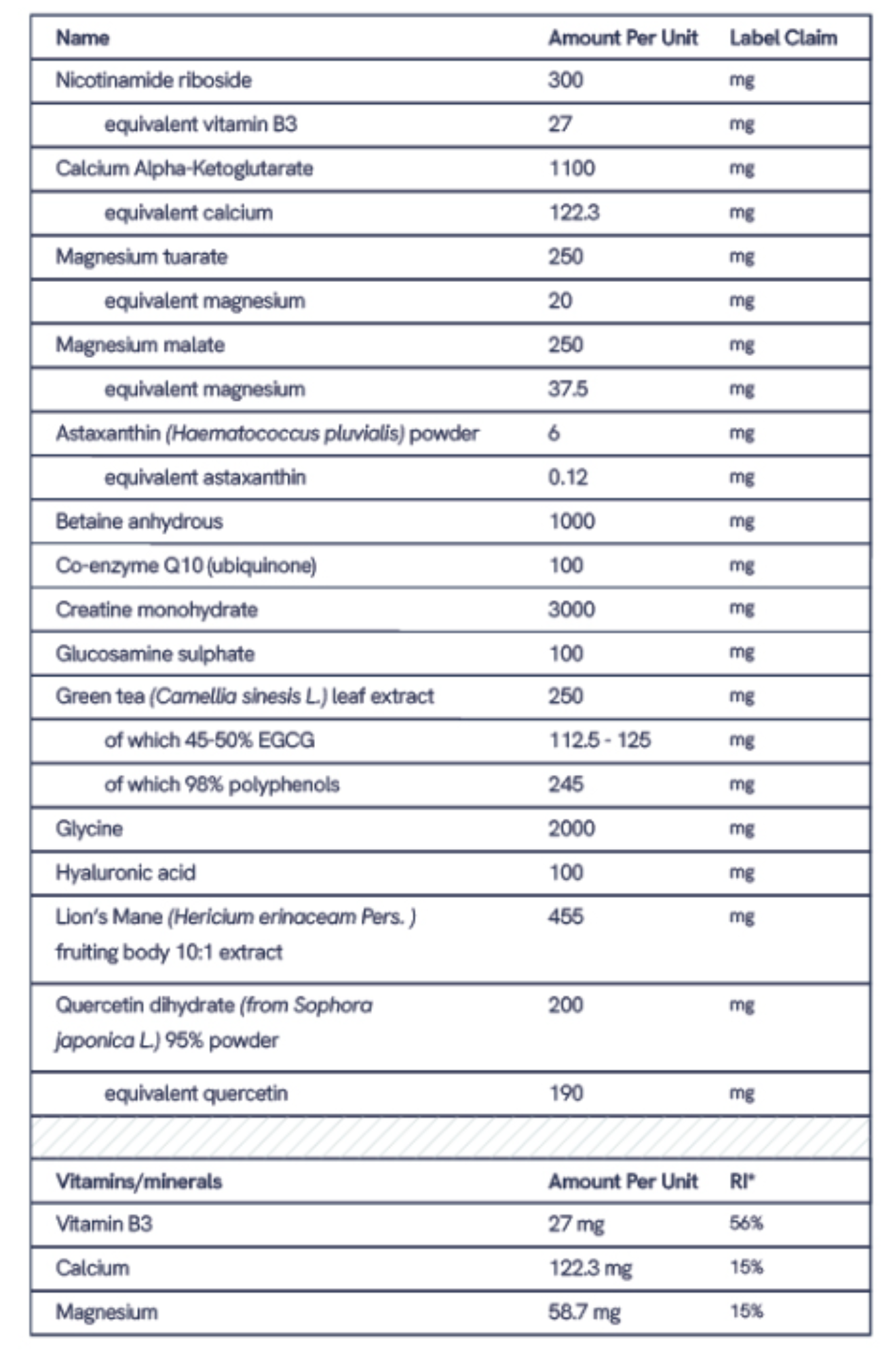
Magnesium contributes to normal psychological and nervous system function (EFSA-approved claim). Many adults have suboptimal magnesium intake. While magnesium does not act primarily through the gut-brain axis, it plays a role in neurotransmitter regulation and stress response pathways that intersect with gut-brain axis signalling. Ensuring adequate dietary magnesium, or supplementing where intake is low, is a reasonable component of overall brain health support. Longevity Complete includes magnesium alongside other nutrients that have EFSA-approved claims for normal psychological function and energy-yielding metabolism, formulated for third-party tested quality.
Q&A: Your Gut-Brain Axis Questions Answered
What is the gut-brain axis?
The gut-brain axis is a bidirectional communication network connecting the gut, its microbiome, and the brain through neural, immune, endocrine, and metabolic pathways. It enables continuous cross-talk that influences mood, cognition, stress responses, and digestive function.1
How does the vagus nerve connect the gut and brain?
The vagus nerve runs from the brainstem to the abdomen and carries sensory information about the gut environment to the brain. Approximately 80 to 90 percent of its fibres transmit gut signals upward to the brain. Gut bacteria communicate with vagal neurons via enteroendocrine cells, influencing mood, appetite, and stress regulation.1
Does gut health affect mood?
Human research has identified associations between gut microbiome composition and mood. A meta-analysis of 34 controlled trials found that probiotics were associated with small but significant reductions in depressive and anxiety symptoms compared to placebo.3 Large cohort data also associate fermented food consumption with lower depression risk.6 These findings suggest a relationship, though the mechanisms and clinical magnitude remain under investigation.
Can improving gut health support cognitive aging?
The gut microbiome is described as an emerging target for strategies aimed at preserving cognitive health with aging. Human research has identified associations between microbiome dysbiosis and increased cognitive decline risk. Whether actively improving microbiome health through diet can modify cognitive trajectories is the subject of ongoing clinical research; current evidence is promising but not yet definitive.2
What are psychobiotics?
Psychobiotics are live microorganisms that, when consumed in adequate quantities, may provide mental health benefits through gut-brain axis interactions. The concept also includes prebiotic compounds that modulate gut microbial activity relevant to psychological outcomes. Clinical evidence is still maturing, and no psychobiotic is approved as a treatment for any mental health condition.3
How does aging affect the gut-brain axis?
With aging, gut microbial diversity typically declines, beneficial SCFA-producing bacteria decrease, gut barrier integrity may weaken, and systemic inflammatory markers tend to rise. These changes are associated with shifts in neurotransmitter availability, increased neuroinflammatory signalling, and reduced neuroprotective metabolite production, all of which are studied in relation to age-related cognitive change.2
What foods support the gut-brain axis?
Human research most consistently supports diverse plant foods for fibre variety, fermented foods such as yogurt and kefir for microbiome diversity, polyphenol-rich foods such as berries and olive oil, and oily fish providing omega-3 DHA, which contributes to normal brain function (EFSA-approved claim). The Mediterranean dietary pattern, which incorporates all of these, has the most robust evidence base in relation to both microbiome health and cognitive outcomes.5
Is there a gut-sleep connection?
Yes. Human studies show that disrupted sleep is associated with increased intestinal permeability and unfavourable microbiome shifts. Conversely, the gut influences the sleep-wake cycle through production of serotonin and melatonin precursors and via SCFA signalling pathways. This bidirectional relationship means gut health and sleep quality are mutually reinforcing, or mutually undermining, depending on lifestyle choices.
Frequently Asked Questions
What is the gut-brain axis in simple terms?
The gut-brain axis is the communication system between your gut and your brain. It works through your nervous system, your immune system, hormones, and bacterial metabolites. What happens in your gut sends signals to your brain, and your brain sends signals back. This means your microbiome, the community of bacteria in your digestive system, can influence how you feel, think, and how your brain ages.1
Can probiotics help with mood and anxiety?
A meta-analysis of 34 controlled clinical trials found that probiotics were associated with small but statistically significant reductions in depressive and anxiety symptoms compared to placebo.3 Larger effects were observed in clinical populations. Current evidence is supportive but not conclusive enough to recommend probiotics as standalone treatments for mood disorders. If you have a mental health condition, consult a qualified healthcare professional.
What does gut microbiome diversity mean for brain health?
Gut microbiome diversity refers to the number and variety of bacterial species in your digestive tract. Greater diversity is broadly associated with more resilient immune function, more robust SCFA production, and better metabolic health. In older adults, lower microbiome diversity has been associated with elevated inflammation and increased risk of cognitive decline. A diverse whole-food diet rich in plant variety is one of the most practical ways to support microbial diversity.2
How do fermented foods support the gut-brain axis?
Fermented foods such as yogurt, kefir, kimchi, and sauerkraut contain live microorganisms that can contribute to gut microbiome composition. A randomised controlled trial found that a fermented-food diet increased gut microbial diversity and reduced 19 inflammatory proteins in healthy adults over 10 weeks.4 Reduced systemic inflammation is relevant to gut-brain axis health because inflammatory signals can influence brain function and neuroinflammation risk.
How does DHA relate to the gut-brain axis?
Docosahexaenoic acid (DHA), an omega-3 fatty acid found in oily fish, contributes to the maintenance of normal brain function (EFSA-approved claim). DHA also has anti-inflammatory properties relevant to gut barrier integrity, and dietary omega-3 intake is associated with more favourable microbiome profiles in human observational research. For individuals with low fish intake, a high-quality omega-3 supplement providing DHA may be a practical option to discuss with a healthcare professional.
References
- Loh JS, Mak WQ, Tan LKS, et al. Microbiota-gut-brain axis and its therapeutic applications in neurodegenerative diseases. Signal Transduct Target Ther. 2024;9(1):37. doi: 10.1038/s41392-024-01743-1. View on PubMed ↗
- Boehme M, Guzzetta KE, Wasen C, Cox LM. The gut microbiota is an emerging target for improving brain health during ageing. Gut Microbiome (Camb). 2023;4:e2. doi: 10.1017/gmb.2022.11. View on PubMed ↗
- Liu RT, Walsh RFL, Sheehan AE. Prebiotics and probiotics for depression and anxiety: a systematic review and meta-analysis of controlled clinical trials. Neurosci Biobehav Rev. 2019;102:13-23. doi: 10.1016/j.neubiorev.2019.03.023. View on PubMed ↗
- Wastyk HC, Fragiadakis GK, Perelman D, et al. Gut-microbiota-targeted diets modulate human immune status. Cell. 2021;184(16):4137-4153. doi: 10.1016/j.cell.2021.06.019. View on PubMed ↗
- Berding K, Vlckova K, Marx W, et al. Diet and the microbiota-gut-brain axis: sowing the seeds of good mental health. Adv Nutr. 2021;12(4):1239-1285. doi: 10.1093/advances/nmaa181. View on PubMed ↗
- Luo Y, Li Z, Gu L, Zhang K. Fermented dairy foods consumption and depressive symptoms: a meta-analysis of cohort studies. PLoS One. 2023;18(2):e0281346. doi: 10.1371/journal.pone.0281346. View on PubMed ↗
Disclaimer: Educational content only. Not medical advice. Supplements are not intended to diagnose, treat, cure, or prevent any disease. Consult a qualified healthcare professional if you have a medical condition or take medication.