Key Takeaways
- Magnesium is a cofactor in more than 300 enzyme systems that regulate energy production, muscle contraction, protein synthesis, and nervous system function.1
- Population surveys indicate that close to half of adults in Western countries consume less magnesium than the estimated average requirement.2
- Ageing is an independent risk factor for magnesium insufficiency, driven by reduced dietary intake, impaired intestinal absorption, and increased urinary losses.3
- A systematic review found that magnesium status was significantly associated with muscle mass, muscle strength, and physical performance in older adults.5
- In a randomised controlled trial of 139 older women, 12 weeks of oral magnesium supplementation (300 mg/day) was associated with improved physical performance scores, particularly in those with low baseline intake.6
- Organic magnesium forms (such as citrate and glycinate) have demonstrated higher bioavailability in human studies compared with magnesium oxide.7
- Magnesium contributes to the reduction of tiredness and fatigue, normal psychological function, and maintenance of normal bones (EFSA-approved claims).
Why Magnesium Is Central to Longevity
Magnesium (Mg) is the fourth most abundant cation in the human body and an essential cofactor in more than 300 enzymatic reactions. These reactions span nearly every major biological process: energy production, protein synthesis, DNA and RNA stability, muscle and nerve signalling, blood glucose regulation, and bone mineralisation.1 Without sufficient magnesium, cells cannot efficiently produce adenosine triphosphate (ATP), the primary energy currency of the body.
Approximately 60% of the body's magnesium is stored in bone, 39% in soft tissue and muscle, and roughly 1% circulates in blood. This distribution means that serum magnesium levels, the most commonly used clinical measurement, may not accurately reflect total body magnesium status. An individual can have suboptimal tissue magnesium while blood values remain within normal range, a situation sometimes referred to as subclinical or latent magnesium deficiency.4
From a longevity perspective, magnesium sits at a crossroads of several biological processes that are known to change with age. Its involvement in mitochondrial energy production, protein synthesis, cell division, and nervous system function makes it relevant across multiple hallmarks of ageing research. Adequate magnesium status has been associated with lower levels of systemic inflammation markers such as C-reactive protein in large population studies.3
Magnesium and Energy Metabolism
Magnesium is directly involved in mitochondrial ATP production. Every molecule of ATP in the body exists primarily as a magnesium-ATP complex; magnesium stabilises the ATP structure and is required for ATP to be biologically active. This means that cellular energy production is fundamentally dependent on adequate magnesium availability.1
According to EFSA, magnesium contributes to normal energy-yielding metabolism and helps reduce tiredness and fatigue. These are approved health claims supported by the mineral's established biochemical roles.
Population data consistently links low magnesium intake with subjective fatigue and reduced vitality. NHANES analyses have found that close to half of adults in the United States consume less magnesium than the estimated average requirement from food alone.2 In older populations, this shortfall is typically more pronounced due to reduced dietary variety, lower caloric intake, and the use of medications that increase magnesium excretion, such as certain diuretics and proton pump inhibitors.3
While magnesium deficiency can impair energy production at a cellular level, it is important to note that supplementation is most likely to benefit individuals who have suboptimal intake. In people with adequate magnesium status, additional supplementation has not been shown to enhance energy beyond normal levels.
Magnesium and Muscle Function
Magnesium plays several roles in muscle physiology. It is essential for neuromuscular signal transmission, muscle contraction, and muscle relaxation. During contraction, calcium flows into muscle cells to initiate the process; magnesium acts as a natural counterbalance, helping muscles relax afterwards. An imbalance between calcium and magnesium can contribute to cramping and tension.1
According to EFSA, magnesium contributes to normal muscle function and normal protein synthesis. These claims reflect the mineral's established roles in muscle biology.
An updated systematic review (2023) examining 45 studies on minerals and sarcopenia in older adults found moderate-quality evidence that magnesium status was significantly associated with muscle mass, muscle strength, and physical performance, as well as with the prevalence of sarcopenia (age-related muscle loss).5 A cross-sectional study using NHANES data also found a protective association between higher oral magnesium intake and lower prevalence of sarcopenia.8
In one of the few randomised controlled trials directly examining this relationship, Veronese and colleagues (2014) randomised 139 healthy women aged 65 and older to receive either 300 mg of magnesium per day or no intervention for 12 weeks, alongside a weekly exercise programme. The magnesium group showed significantly greater improvements in Short Physical Performance Battery scores and chair stand time compared with controls. These benefits were most pronounced in participants whose baseline dietary magnesium intake was below the Recommended Dietary Allowance.6
While these findings are encouraging, the evidence base remains limited. Most studies are observational, and more large-scale RCTs are needed to confirm the role of magnesium supplementation in supporting muscle health during ageing.
Magnesium Forms: Bioavailability and Selection
Not all magnesium supplements are absorbed equally. Magnesium supplements can be broadly categorised into organic forms (where magnesium is bound to an organic molecule, such as citrate, glycinate, malate, or taurate) and inorganic forms (such as magnesium oxide, hydroxide, or sulfate).
A randomised, double-blind study comparing magnesium citrate, amino acid chelate, and magnesium oxide (300 mg elemental magnesium per day for 60 days) found that magnesium citrate produced significantly higher serum magnesium levels than magnesium oxide after both acute and chronic supplementation.7 A subsequent crossover study in magnesium-saturated subjects confirmed this finding, showing that urinary magnesium excretion (a marker of absorption) was significantly higher after magnesium citrate than after magnesium oxide.9
Common forms and their general characteristics include:
Magnesium citrate is one of the most studied organic forms. It offers a good balance of bioavailability and tolerability and is widely available. It may have a mild laxative effect at higher doses.
Magnesium glycinate (bisglycinate) is chelated with the amino acid glycine, which may support absorption via the dipeptide transport pathway. It is often considered gentler on the digestive system.
Magnesium oxide contains a high percentage of elemental magnesium but has lower bioavailability. It is more commonly associated with gastrointestinal side effects at supplemental doses.
Magnesium taurate and magnesium threonate are newer forms that have attracted research interest, though human bioavailability comparison data remains limited for these forms.
The optimal choice of magnesium form depends on individual tolerance, the amount of elemental magnesium provided, and personal goals. Regardless of form, consistent daily intake is likely more important than the specific salt chosen.
Dietary Sources and Supplementation Considerations
Magnesium is found naturally in a variety of foods. Particularly rich sources include dark leafy greens (spinach, Swiss chard), nuts and seeds (pumpkin seeds, almonds, cashews), legumes (black beans, edamame), whole grains (brown rice, oats), and dark chocolate. Mineral water can also contribute meaningfully to daily intake depending on the source.
The Recommended Dietary Allowance (RDA) for magnesium varies by age and sex. For adults, it ranges from approximately 310 mg/day for women to 420 mg/day for men. However, the gap between recommended and actual intake is well documented. NHANES data shows that 48% of the US population consumed below the estimated average requirement in 2005-2006.2
Common factors that can increase the risk of suboptimal magnesium status include: ageing (reduced absorption and increased renal losses), use of proton pump inhibitors, certain diuretics, alcohol consumption, high-sugar diets, and chronic stress.3
For those considering supplementation, typical studied doses in human trials range from 200 to 400 mg of elemental magnesium per day. The tolerable upper intake level for supplemental magnesium (from supplements and fortified foods) is set at 350 mg/day by the Institute of Medicine, primarily to avoid gastrointestinal effects such as loose stools, which are the most commonly reported side effect.
Magnesium can interact with certain medications, including antibiotics (tetracyclines, quinolones), bisphosphonates, and some diuretics. It is advisable to separate magnesium supplements from these medications by at least two hours and to consult a healthcare professional before starting supplementation, particularly if you have kidney concerns or take prescription medications.
Longevity Complete: Magnesium in Context
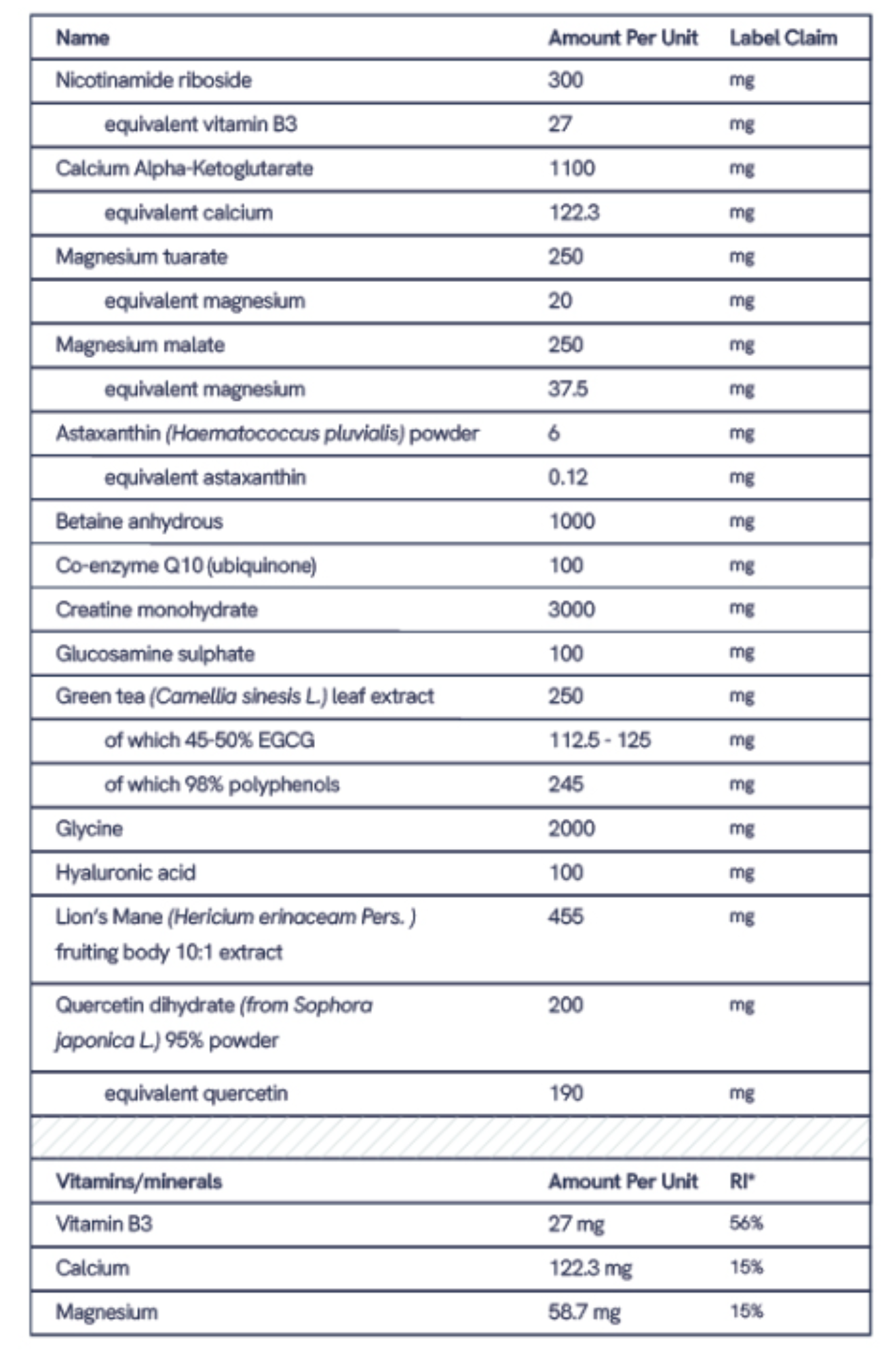
Longevity Complete includes magnesium as part of its comprehensive formulation. The inclusion reflects the mineral's broad biological significance and the widespread prevalence of suboptimal intake in ageing populations. Within this formulation, magnesium works alongside other nutrients such as B vitamins, zinc, and vitamin D that share overlapping roles in energy metabolism, cell division, and immune function.
The EFSA-approved claims applicable to magnesium in Longevity Complete include: contributes to normal energy-yielding metabolism, helps reduce tiredness and fatigue, contributes to normal muscle function, contributes to normal protein synthesis, contributes to normal nervous system function, contributes to normal psychological function, contributes to maintenance of normal bones, and contributes to the process of cell division.
As with all Longevity Store products, Longevity Complete undergoes third-party testing, and a Certificate of Analysis (COA) is available. This includes independent verification by Eurofins laboratory and NZVT doping-free certification, reflecting a commitment to transparency and quality control.
Questions and Answers
Why is magnesium important for energy?
Magnesium is required for the formation and utilisation of ATP, the body's primary energy molecule. Every ATP molecule must bind to a magnesium ion to be biologically active. Magnesium contributes to normal energy-yielding metabolism (EFSA-approved claim).1
How common is magnesium deficiency?
Subclinical magnesium inadequacy is widespread. Data from large population surveys suggest that approximately 48% of adults consume less magnesium from food than the estimated average requirement.2 Older adults are at particular risk due to reduced dietary intake, impaired absorption, and medication-related losses.3
Does magnesium help with muscle function in older adults?
Magnesium contributes to normal muscle function (EFSA-approved claim). Observational studies have linked higher magnesium status with greater muscle strength and physical performance in older adults.5 One RCT found that 12 weeks of supplementation improved physical performance scores in older women, especially those with low baseline intake.6
Which form of magnesium is best absorbed?
Human studies indicate that organic forms such as magnesium citrate and magnesium glycinate are generally better absorbed than inorganic forms like magnesium oxide.7,9 The best choice depends on individual tolerance and goals. Consistent daily intake matters more than the specific form.
How much magnesium should I take?
The RDA for adults ranges from 310 to 420 mg/day depending on age and sex. Most supplementation studies use 200-400 mg of elemental magnesium per day. The tolerable upper intake level for supplemental magnesium is 350 mg/day. Starting at a moderate dose and consulting a healthcare provider is recommended.
Can I get enough magnesium from food alone?
It is possible but often challenging, particularly for older adults. Rich food sources include dark leafy greens, nuts, seeds, legumes, and whole grains. However, population data shows that most adults fall short of recommended intake from diet alone.2
Does magnesium interact with medications?
Yes. Magnesium can reduce the absorption of certain antibiotics (tetracyclines, fluoroquinolones) and bisphosphonates. Some medications such as proton pump inhibitors and certain diuretics can deplete magnesium levels over time.3 It is important to discuss supplementation with a healthcare professional if you take prescription medications.
Are there side effects of magnesium supplementation?
The most common side effect is gastrointestinal discomfort, including loose stools, particularly with magnesium oxide at higher doses. Organic forms such as citrate and glycinate tend to be better tolerated. Serious adverse effects are rare at standard supplemental doses in people with normal kidney function.1
Frequently Asked Questions
What does magnesium do in the body?
Magnesium is a cofactor in more than 300 enzymatic reactions. It is essential for energy production (ATP synthesis), muscle contraction and relaxation, protein synthesis, nervous system signalling, blood glucose regulation, and bone mineralisation.1 Magnesium contributes to normal energy-yielding metabolism and normal muscle function (EFSA-approved claims).
Why do magnesium levels decline with age?
Ageing is associated with reduced dietary magnesium intake, impaired intestinal magnesium absorption, decreased bone magnesium stores, and increased urinary magnesium losses. Medications commonly used by older adults, such as proton pump inhibitors and diuretics, can further deplete magnesium levels.3
Is magnesium citrate better than magnesium oxide?
Human bioavailability studies have found that magnesium citrate produces higher serum magnesium levels than magnesium oxide at equivalent elemental doses.7 While magnesium oxide contains more elemental magnesium per weight, less of it is absorbed. Individual response and tolerance may vary.
Can magnesium support muscle health in older adults?
Magnesium contributes to normal muscle function and normal protein synthesis (EFSA-approved claims). Observational research links adequate magnesium intake with greater muscle mass and strength in older populations.5 An RCT in older women showed improvements in physical performance after 12 weeks of supplementation.6
What are the best food sources of magnesium?
Rich dietary sources include pumpkin seeds, almonds, spinach, Swiss chard, dark chocolate, black beans, avocado, and whole grains such as brown rice and oats. Despite the availability of magnesium-rich foods, population data shows that most adults do not reach recommended daily intake from diet alone.2
When is the best time to take magnesium?
Magnesium can be taken at any time of day, ideally with food to improve absorption and reduce the likelihood of digestive discomfort. Some individuals find that taking magnesium in the evening supports relaxation, though this is not a formally approved claim. Consistency of daily intake is more important than timing.
References
- de Baaij JH, Hoenderop JG, Bindels RJ. Magnesium in man: implications for health and disease. Physiol Rev. 2015;95(1):1-46. View on PubMed ↗
- Rosanoff A, Weaver CM, Rude RK. Suboptimal magnesium status in the United States: are the health consequences underestimated? Nutr Rev. 2012;70(3):153-164. View on PubMed ↗
- Barbagallo M, Veronese N, Dominguez LJ. Magnesium in Aging, Health and Diseases. Nutrients. 2021;13(2):463. View on PubMed ↗
- DiNicolantonio JJ, O'Keefe JH, Wilson W. Subclinical magnesium deficiency: a principal driver of cardiovascular disease and a public health crisis. Open Heart. 2018;5(1):e000668. View on PubMed ↗
- van Dronkelaar C, Fultinga M, Hummel M, Kruizenga H, Weijs PJM, Tieland M. Minerals and Sarcopenia in Older Adults: An Updated Systematic Review. J Am Med Dir Assoc. 2023;24(8):1163-1172. View on PubMed ↗
- Veronese N, Berton L, Carraro S, et al. Effect of oral magnesium supplementation on physical performance in healthy elderly women involved in a weekly exercise program: a randomized controlled trial. Am J Clin Nutr. 2014;100(3):974-981. View on PubMed ↗
- Walker AF, Marakis G, Christie S, Byng M. Mg citrate found more bioavailable than other Mg preparations in a randomised, double-blind study. Magnes Res. 2003;16(3):183-191. View on PubMed ↗
- Yang SW, Chen YY, Chen WL. Association between oral intake magnesium and sarcopenia: a cross-sectional study. BMC Geriatr. 2022;22(1):816. View on PubMed ↗
- Kappeler D, Heimbeck I, Herpich C, et al. Higher bioavailability of magnesium citrate as compared to magnesium oxide shown by evaluation of urinary excretion and serum levels after single-dose administration in a randomized cross-over study. BMC Nutr. 2017;3:7. View on PubMed ↗
- Zhang Y, Xun P, Wang R, Mao L, He K. Can Magnesium Enhance Exercise Performance? Nutrients. 2017;9(9):946. View on PubMed ↗
- Dominguez LJ, Veronese N, Barbagallo M. Magnesium and the Hallmarks of Aging. Nutrients. 2024;16(4):496. View on PubMed ↗
Disclaimer: Educational content only. Not medical advice. Supplements are not intended to diagnose, treat, cure, or prevent any disease. Consult a qualified healthcare professional if you have a medical condition or take medication.