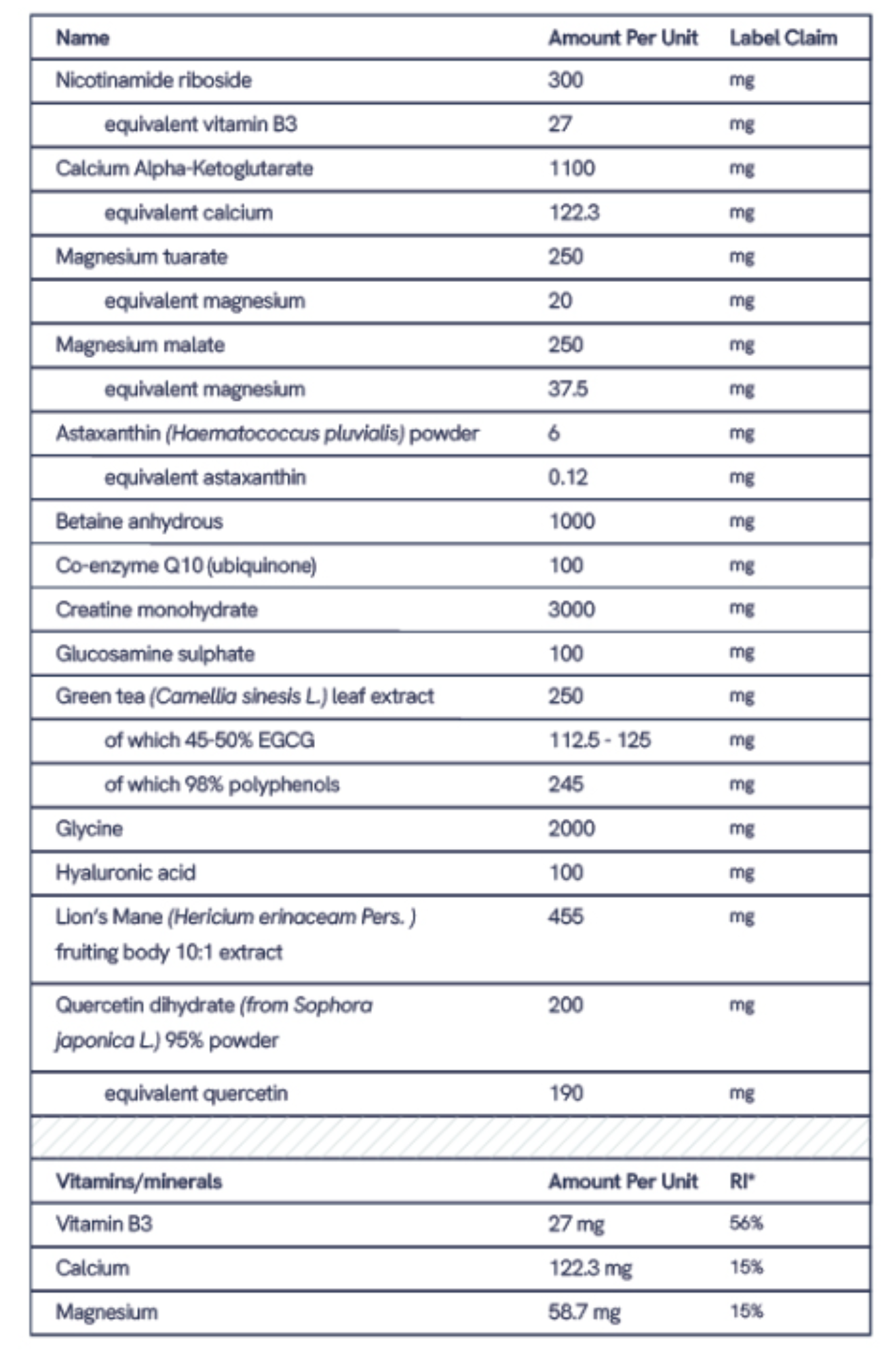
Sleep optimisation combines evidence-based behavioural practices with supportive technology. The strongest human research supports consistent sleep timing, a dark and cool sleep environment (around 18 to 20 degrees Celsius), and limiting blue light in the two to three hours before bed. Wearable sleep trackers help identify patterns. Magnesium supplementation has emerging evidence for sleep quality support, particularly in individuals with low dietary intake.
Key Takeaways
- Both short sleep (under 7 hours) and long sleep (over 9 hours) are independently associated with increased all-cause mortality in large prospective cohort analyses, with short sleep linked to a 14% higher risk and long sleep to a 34% higher risk compared to 7 to 8 hours per night.1
- Sleep regularity, meaning the day-to-day consistency of your sleep and wake timing, has been identified in a UK Biobank study of over 60,000 participants as a stronger predictor of all-cause mortality than sleep duration alone.2
- Evening exposure to blue-wavelength light suppresses melatonin and delays circadian phase, and a randomised crossover trial found that wearing amber-tinted blue-light-blocking lenses for two hours before bedtime improved sleep outcomes in individuals with insomnia symptoms.4
- A human cohort study found sleep efficiency was most optimal when bedroom nighttime temperature ranged between 20 and 25 degrees Celsius, with a 5 to 10 percentage point drop in efficiency as temperatures rose above 25 degrees.3
- Caffeine consumed 6 hours before bedtime produces measurable disruption to total sleep time and sleep efficiency, providing empirical support for limiting caffeine intake well before the evening hours.5
- A systematic review of magnesium supplementation studies in older adults with insomnia found a pooled reduction in sleep onset latency of approximately 17 minutes compared to placebo, though the overall quality of evidence was rated as low to very low.7
- Magnesium contributes to normal psychological and nervous system function (EFSA-approved claim). Supplementation should be considered as one layer of a broader sleep optimisation approach, not a standalone solution.
Why Sleep Is the Foundation of Recovery and Longevity
Sleep is not passive downtime. During sleep, the brain clears metabolic waste through the glymphatic system, the immune system consolidates its responses, muscle tissue is repaired, and memories are processed and transferred to long-term storage. Disrupting this process repeatedly does not merely leave you feeling tired the next day. Over time, chronically insufficient or irregular sleep is associated with measurable changes in mortality risk.
A 2025 meta-analysis of 79 cohort studies, incorporating data from millions of adults, examined the relationship between sleep duration and all-cause mortality. The analysis reported that short sleep duration, defined as fewer than 7 hours per night, was associated with a 14% increase in mortality risk compared to the reference of 7 to 8 hours. Long sleep duration, defined as 9 or more hours per night, was associated with a 34% higher risk. The researchers noted that the effect was present in both men and women, though the magnitude differed by sex.1
Duration is only one dimension of sleep health. Emerging research has shifted attention toward sleep regularity as an equally, or possibly more, important variable. A 2024 prospective cohort study using accelerometer data from 60,977 UK Biobank participants calculated Sleep Regularity Index scores derived from over 10 million hours of objective recordings. The investigators found that sleep regularity was a stronger predictor of all-cause mortality than sleep duration, with the least regular sleepers showing substantially elevated risk of death from all causes and from cardiometabolic diseases specifically.2
These findings have direct practical implications. Going to bed and waking at inconsistent times, whether from late weeknights, irregular weekend patterns, or shift-related disruptions, appears to have consequences for health independent of how many total hours of sleep a person logs. The circadian system, which governs hormone secretion, immune activity, glucose regulation, and many other physiological processes, depends on stable timing signals to function properly. When those signals become irregular, downstream disruption follows.
Understanding Sleep Architecture
Sleep proceeds through repeated cycles of approximately 90 minutes, alternating between non-REM (NREM) and REM stages. NREM sleep includes lighter stages and the deeper slow-wave sleep (SWS) phase, sometimes called stage 3, which is particularly important for physical restoration, immune function, and growth hormone secretion. REM sleep, which intensifies in the final cycles of the night, plays a central role in memory consolidation, emotional processing, and cognitive performance.
Both the quantity and the timing of these stages matter. Slow-wave sleep is concentrated in the earlier cycles of the night, while REM sleep is weighted toward the later cycles. This means that a person who consistently goes to bed late and wakes early may lose disproportionately more SWS or REM, depending on which end of the night is compressed. Total sleep time alone does not capture this nuance.
The Evidence-Based Habits: Behavioural Sleep Optimisation
Before exploring technology or supplementation, the human research base most strongly supports a set of behavioural changes. These habits address the physiological mechanisms that regulate sleep onset and maintenance: circadian entrainment, thermoregulation, and the management of stimulants.
Consistent Sleep and Wake Times
The most well-supported behavioural intervention is maintaining consistent bed and wake times across all days of the week, including non-working days. Circadian rhythms are set primarily by the timing of light exposure and activity, but they are reinforced by the regularity of sleep and waking itself. The 60,977-person UK Biobank cohort discussed above found that irregular sleep patterns were independently associated with elevated mortality risk, providing large-scale observational support for what circadian biology predicts mechanistically.2
A practical starting point is to choose a wake time that is manageable on all days and work backwards by 7 to 8 hours to establish a target bedtime. Keeping this schedule stable, even on weekends, is more effective than trying to compensate for weekday sleep debt with extended weekend sleep. While catch-up sleep may partially reduce some deficits, it does not fully restore all aspects of sleep quality and can shift circadian timing in ways that make the following week more disruptive.
Morning Bright Light Exposure
Natural light in the morning is one of the most potent signals for anchoring the circadian clock. Retinal exposure to bright light in the first hour after waking suppresses residual melatonin, advances the circadian phase, and sets the timing for the melatonin rise that will initiate sleep roughly 14 to 16 hours later. On clear days, spending 10 to 20 minutes outdoors shortly after waking, or near a bright window, supports this process. On overcast days or in winter months at higher latitudes, a dedicated bright light device producing 10,000 lux at eye level can serve a similar function.
Evening Blue Light Reduction
The photoreceptor cells in the retina that communicate most directly with the suprachiasmatic nucleus (the brain's master circadian clock) are maximally sensitive to short-wavelength blue light in the 460 to 480 nanometre range. LED-backlit screens, including smartphones, tablets, computers, and televisions, emit light concentrated in this range. Evening exposure delays the rise of melatonin, shifts circadian phase later, and increases sleep onset latency.
A randomised crossover trial examined 14 adults with insomnia symptoms who wore amber-tinted blue-light-blocking lenses for two hours before bedtime for seven consecutive nights, compared to clear placebo lenses. The researchers reported improvements in sleep quality scores and actigraphy-measured outcomes in the blue-blocking condition.4 While the evidence base for blue-blocking glasses is still developing and results across trials have been inconsistent, the underlying mechanism, melatonin suppression by short-wavelength light, is well-established in human research.
Practical steps include enabling warm-colour (red-shifted) night modes on screens from two hours before bed, dimming ambient lighting in living spaces during the evening, and using amber-lens glasses if screen use cannot be avoided close to bedtime.
Bedroom Temperature
Core body temperature naturally declines in the hours before and during sleep, and this thermal drop plays an important role in initiating and maintaining the deeper stages of sleep. A bedroom environment that is too warm impedes this thermoregulatory process.
A longitudinal study using wearable sleep monitors and environmental sensors in community-dwelling older adults found that sleep was most efficient and restful when nighttime ambient bedroom temperature ranged between 20 and 25 degrees Celsius, with a clinically relevant 5 to 10 percentage point drop in sleep efficiency as temperatures climbed above 25 degrees Celsius.3 The researchers noted substantial between-person differences, suggesting that optimal temperature is partly individual. Most sleep medicine guidance points to the 18 to 20 degree range as a practical starting point for adults who do not have insulating constraints such as cold-climate housing without climate control.
Caffeine Timing
Caffeine extends wakefulness by blocking adenosine receptors in the brain. Adenosine is a sleep-pressure chemical that accumulates throughout the day and promotes sleepiness. By occupying these receptors, caffeine delays the subjective sensation of tiredness without actually clearing the accumulated adenosine. When caffeine is eventually metabolised, the suppressed adenosine signal reasserts itself.
The half-life of caffeine in healthy adults ranges from approximately 2 to 10 hours, meaning that meaningful amounts of caffeine may remain active in the body well into the evening if consumed in the afternoon. A controlled study in which participants consumed caffeine at 0, 3, and 6 hours before bedtime found that caffeine taken as early as 6 hours before bed produced significant reductions in total sleep time and sleep efficiency. The researchers concluded that this provided empirical support for limiting caffeine intake for at least 6 hours before the target sleep time.5
For individuals who are more sensitive to caffeine, for example those who metabolise it slowly (associated with variants in the CYP1A2 gene) or who sleep lightly, a longer cutoff of 8 to 10 hours may be warranted. Tracking sleep quality in relation to last caffeine intake can help identify the relevant personal threshold.
Sleep Technology: What the Evidence Actually Supports
The consumer sleep technology market has expanded considerably in recent years. Wearable rings, wrist trackers, smart mattresses, and specialised lighting products all position themselves as tools for improving sleep. It is worth distinguishing what these tools can and cannot reliably do.
Consumer Sleep Trackers: Capabilities and Limitations
Devices such as the Oura Ring, WHOOP, and several smartwatch platforms estimate sleep stages using a combination of actigraphy (movement detection), heart rate, and heart rate variability. These devices can track total time in bed, time asleep, rough sleep staging, nocturnal heart rate, and trends over time. They are reasonably accurate at detecting whether a person is awake or asleep, but their ability to reliably distinguish between NREM stages and REM sleep is limited compared to laboratory polysomnography (PSG).
The primary value of consumer sleep trackers is not precise staging but pattern identification. A tracker that consistently shows a person sleeping 5.5 hours per night when they believe they are sleeping 7 hours provides genuinely useful information. Similarly, tracking how metrics such as resting heart rate, heart rate variability, and sleep timing shift in response to changes in lifestyle, alcohol intake, exercise timing, or travel can inform practical decisions.
A limitation worth acknowledging is orthosomnia, a term used to describe excessive preoccupation with optimising tracker-defined sleep metrics in ways that generate anxiety and paradoxically worsen sleep. The tool should serve the user, not create a new source of sleep-related worry. If tracking produces anxiety about sleep quality, it may be worth taking a break from monitoring and focusing on the behavioural foundations described above.
Smart Mattresses and Cooling Pads
Temperature-regulating mattress covers and smart mattresses (such as the Eight Sleep Pod) work by circulating water through a pad beneath the sleeper to actively cool or warm the surface, which in turn facilitates thermoregulation. This addresses the same physiological mechanism as optimising bedroom temperature: reducing the thermal barrier to the core temperature drop that supports deeper sleep stages.
Controlled human research specifically examining smart mattresses is limited, and the broader evidence base for their benefit comes primarily from the general sleep temperature literature discussed above, including the Baniassadi et al. cohort study showing optimal sleep efficiency in the 20 to 25 degree ambient range.3 For individuals who sleep in environments that are difficult to cool, or who share a bed with a partner who has different thermal preferences, active cooling technology represents a practical alternative to environmental temperature management.
Light Alarm Clocks and Sunrise Simulators
Sunrise alarm clocks gradually increase light intensity over 20 to 30 minutes before the target wake time, mimicking the gradual brightening of natural dawn. They are designed to facilitate gentler awakening from sleep and to provide early morning bright light input. The evidence for clinical sleep improvement is modest, but for individuals who wake before natural daylight, particularly in winter, they represent a low-risk way to begin the morning light signal that anchors circadian timing.
Blackout Solutions
Light entering the bedroom at night, whether from street lighting, early sunrise in summer, or electronic standby lights, can suppress melatonin and fragment sleep. Blackout curtains or eye masks are simple, evidence-adjacent interventions that address this. The biological rationale is well-established: even low levels of light exposure during the night shift circadian phase and can reduce melatonin levels.
Magnesium and Sleep: The Supplement Bridge
Magnesium is an essential mineral involved in over 300 enzymatic reactions in the body, including those that regulate neurotransmitter activity, muscle relaxation, and the function of GABA receptors. GABA is the primary inhibitory neurotransmitter in the central nervous system and plays a key role in reducing neuronal excitability to facilitate sleep. This mechanistic link between magnesium status and sleep regulation has generated interest in magnesium supplementation as a potential support for sleep quality.
It is important to note that Magnesium contributes to normal psychological and nervous system function (EFSA-approved claim). Any discussion of magnesium and sleep improvement in supplementation contexts should be understood within this regulatory framework.
What the Human Research Shows
A systematic review examining the association between magnesium status and sleep health across 9 published studies, including cross-sectional surveys, cohort studies, and randomised controlled trials, found that observational studies consistently reported associations between higher magnesium intake and better sleep outcomes including shorter sleep onset latency, longer sleep duration, and less daytime sleepiness. The RCTs in the review showed a less consistent picture, with some trials reporting improvements and others not, leading the authors to conclude that well-designed trials with larger samples and longer follow-up periods are needed.8
A systematic review and meta-analysis focused specifically on older adults with insomnia pooled data from three RCTs involving 151 participants. The analysis found that magnesium supplementation was associated with a statistically significant reduction in sleep onset latency of approximately 17 minutes compared to placebo. The authors noted, however, that all trials were at moderate to high risk of bias and that the quality of evidence was rated as low to very low.7
A double-blind, placebo-controlled RCT in elderly participants with primary insomnia found that magnesium supplementation was associated with improvements in subjective insomnia score, sleep efficiency, sleep time, sleep onset latency, and early morning awakening compared to placebo.9
Observational data from the CARDIA study, a large US longitudinal cohort, found that magnesium intake was associated with both sleep duration and sleep quality in a dose-dependent manner, though the authors noted this was an observational association and that randomised controlled trials with objective sleep measures are needed to establish causal inference.6
Magnesium Forms and Supplementation Context
Not all magnesium compounds have the same bioavailability or pharmacological profile. Magnesium glycinate (also called magnesium bisglycinate) is chelated to the amino acid glycine, which itself has some evidence for sleep support and is generally well-tolerated. Magnesium threonate has attracted research attention for its ability to cross the blood-brain barrier more readily than other forms, though the specific sleep evidence for threonate remains preliminary.
The RCT evidence for magnesium and sleep is most concentrated in older adults, where magnesium deficiency is more prevalent due to lower dietary intake and reduced absorption with age. For individuals with adequate magnesium status from diet, the incremental benefit of supplementation on sleep is less clear. Magnesium is found in leafy green vegetables, nuts, seeds, whole grains, and legumes. Dietary assessment before supplementation is a reasonable first step.
Typical supplemental doses studied in sleep research range from 300 to 500 milligrams of elemental magnesium daily. Doses above the tolerable upper intake level (generally 350 mg per day of supplemental magnesium for adults from the EU EFSA framework) should be approached with caution and professional guidance, particularly for individuals with kidney impairment.
Building Your Personal Sleep Optimisation Protocol
The most effective approach to sleep optimisation is progressive. Attempting to implement every possible change simultaneously makes it difficult to identify which interventions are driving improvements and can be overwhelming to sustain. A systematic, layered approach tends to yield better results.
Step 1: Audit Your Current Sleep
Before making changes, spend one to two weeks recording actual sleep times, wake times, estimated time to fall asleep, and how you feel on waking. A simple sleep diary is sufficient. If you already wear a fitness tracker, reviewing its sleep data retrospectively can provide a useful baseline. Key patterns to look for: variability in bed and wake times across the week, consistent difficulty falling asleep, frequent waking in the night, and whether you feel rested after what should be sufficient hours.
Step 2: Address the Environment First
Environmental changes are low-effort and high-impact for many people. The priority targets are:
Temperature: aim for a bedroom temperature in the 18 to 20 degree Celsius range if possible. If your environment is difficult to cool, consider a fan, cooling mattress pad, or breathable bedding materials. Darkness: use blackout curtains or a quality eye mask. Check for and remove small LED indicator lights from electronics in the bedroom. Noise: consistent low-level sound masking (a fan, white noise device, or earplugs) can reduce noise-related awakenings without disrupting sleep architecture.
Step 3: Layer in Behavioural Changes
Once the environment is addressed, establish consistent sleep and wake times. Pick a wake time and stick to it every day for at least three weeks. Gradually shift bedtime earlier if needed, rather than making abrupt changes. Implement an evening wind-down period of 30 to 60 minutes before the target bedtime: dim lights, warm colour screens or blue-blocking glasses, and activities that are calm and non-stimulating. Set a caffeine cutoff at least 6 hours before bedtime, or earlier if you are sensitive.5
Step 4: Add Technology Selectively
After establishing the behavioural and environmental foundations, a sleep tracker can help monitor whether improvements are occurring. Use the data as information rather than a performance metric. If you find that tracking creates anxiety, pause or reduce your engagement with the data. Consider a sunrise alarm clock if you wake before natural daylight, particularly in winter months.
Step 5: Consider Supplementation
If sleep difficulties persist after environmental and behavioural foundations are solid, magnesium glycinate is a reasonable first supplemental consideration, particularly if dietary assessment suggests low intake. It is safe, widely available, and has the most consistent evidence among commonly used sleep supplements. Start at a lower dose (200 to 300 milligrams elemental magnesium) taken 30 to 60 minutes before bed, and assess response over 3 to 4 weeks.
Supplements should be understood as additive support within a well-constructed routine, not as replacements for the behavioural and environmental foundations that drive the majority of sleep quality outcomes.
A 4-Week Improvement Framework
Week 1: Focus solely on consistent wake time and evening light reduction. Week 2: Add temperature optimisation and a caffeine cutoff. Week 3: Introduce a structured 30-minute wind-down routine. Week 4: Evaluate progress with data or subjective rating, and decide whether to add a tracker or supplementation based on remaining difficulties.
Q&A: Sleep Optimisation Explained
How many hours of sleep do most adults actually need?
The majority of human research points to 7 to 9 hours as the range associated with lowest mortality and best health outcomes in adults. Both short sleep under 7 hours and long sleep over 9 hours are independently associated with elevated risk in prospective cohort analyses.1 Individual variation exists, but the proportion of adults who genuinely function well on under 6 hours is much smaller than commonly believed.
Is sleep regularity more important than sleep duration?
Large-scale cohort data from the UK Biobank suggests that sleep regularity, meaning day-to-day consistency in sleep and wake timing, predicts all-cause mortality at least as strongly as, and in some analyses more strongly than, average sleep duration.2 Both dimensions matter, but if you have to prioritise one habit, maintaining a consistent wake time every day is likely the highest-value single change for most people.
What is the most evidence-supported thing I can do tonight to sleep better?
Reducing blue-wavelength light exposure in the two hours before bed is one of the most actionable immediate changes. This means dimming lights, enabling warm colour modes on screens, or using amber-tinted glasses. This supports the natural rise of melatonin that facilitates sleep onset. Simultaneously, keeping the bedroom cool (around 18 to 20 degrees Celsius) and dark will support deeper sleep stages.4,3
Does the Oura Ring or WHOOP accurately measure sleep stages?
Consumer wearables estimate sleep stages from movement, heart rate, and heart rate variability data. They can reliably distinguish sleep from wakefulness and provide useful pattern data. Their accuracy for identifying specific NREM stages versus REM sleep is more limited compared to laboratory polysomnography. The primary value of these devices is trend tracking over time rather than precise nightly staging.
How far in advance should I stop drinking coffee?
A controlled study found that caffeine consumed 6 hours before bedtime produced significant reductions in total sleep time, providing empirical support for a minimum 6-hour cutoff.5 The caffeine half-life in adults ranges from 2 to 10 hours. Individuals who are slow metabolisers, or who sleep lightly, may benefit from pushing the cutoff to 8 or even 10 hours before their target sleep time.
What temperature should my bedroom be for optimal sleep?
Human cohort research found sleep efficiency was highest when nighttime ambient bedroom temperature was between 20 and 25 degrees Celsius, with a clinically relevant drop in efficiency above 25 degrees.3 Most sleep medicine guidance recommends a slightly cooler range of 18 to 20 degrees for adults. Individual preference varies, so using a thermometer to assess actual bedroom temperature and adjusting incrementally is a practical approach.
Does magnesium actually help with sleep?
The human evidence is promising but limited. A systematic review of older adults with insomnia found a pooled reduction in sleep onset latency of roughly 17 minutes with magnesium supplementation compared to placebo, though all included trials were rated at moderate to high risk of bias.7 The evidence is more consistent in individuals with low magnesium status, which is more common in older adults. Magnesium contributes to normal psychological and nervous system function and is generally safe at supplemental doses within recommended limits.
What form of magnesium is best for sleep?
Magnesium glycinate is among the better-studied and better-tolerated forms. It is chelated to glycine, which itself has some evidence for supporting calmness and sleep quality. Magnesium threonate is a newer form with higher theoretical brain bioavailability, though the specific sleep-focused RCT evidence is still early. Magnesium oxide, while widely available, has lower bioavailability and is a less well-supported choice for sleep applications specifically.
Is it worth investing in a smart mattress like Eight Sleep?
The core mechanism, active thermal regulation of the sleep surface, is scientifically grounded. The human evidence base for bedroom temperature effects on sleep is solid.3 Smart mattresses with active cooling may be particularly valuable for individuals who share a bed (allowing different temperature settings), live in hot climates, or cannot otherwise control bedroom temperature effectively. Whether the cost is justified depends on the individual's specific barrier to optimal sleep temperature and budget considerations.
Can I catch up on lost sleep at weekends?
Weekend sleep extension can partially reduce some of the short-term deficits associated with weekday sleep restriction, but it does not fully reverse all cognitive and physiological consequences. More importantly, irregular sleep timing across the week, with later nights and later mornings on non-working days (social jetlag), is itself associated with adverse health outcomes independent of total sleep time.2 The priority should be preventing the deficit in the first place through consistent sleep timing rather than relying on compensatory catch-up.
Frequently Asked Questions
What is sleep optimisation?
Sleep optimisation refers to the structured use of evidence-based behavioural habits, environmental adjustments, and supportive technologies to improve sleep quality, duration, and consistency. It encompasses factors including sleep timing, bedroom conditions, light management, and dietary or supplement considerations that the research base has linked to measurable sleep outcomes.
What are the most evidence-based habits for better sleep?
The habits with the strongest human research support are: maintaining consistent sleep and wake times every day, reducing blue-wavelength light exposure in the two hours before bed, keeping the bedroom cool (18 to 20 degrees Celsius) and dark, and observing a caffeine cutoff at least 6 hours before the target sleep time.4,3,5
Do sleep trackers like the Oura Ring actually improve sleep?
Sleep trackers do not directly improve sleep; they provide data. The value lies in identifying patterns, such as inconsistent timing, short actual sleep duration, or elevated resting heart rate on certain nights, that can then inform behavioural changes. Their stage-detection accuracy is limited compared to clinical polysomnography, so they are best used as trend tools rather than precise diagnostic instruments.
What is the best supplement for sleep?
Among commonly used supplements, magnesium glycinate has the most consistent human evidence for supporting sleep quality, particularly in older adults or those with lower dietary magnesium intake. Magnesium contributes to normal psychological and nervous system function. The evidence base has limitations, including small sample sizes and high risk of bias in some trials, so supplementation should be viewed as one component of a broader sleep routine rather than a primary intervention.7,9
How does sleep affect longevity?
Large prospective cohort studies and meta-analyses consistently show U-shaped relationships between sleep duration and all-cause mortality, with both very short and very long sleep associated with elevated risk.1 Sleep regularity also predicts mortality independently of duration.2 Sleep supports immune function, cardiovascular regulation, metabolic health, and cognitive maintenance, all of which contribute to healthy ageing.
Is magnesium glycinate safe to take daily for sleep?
Magnesium glycinate is generally well-tolerated at supplemental doses within the recommended range. The EFSA tolerable upper intake level for supplemental magnesium in adults is 350 mg per day of elemental magnesium. At standard sleep-support doses (200 to 400 mg elemental magnesium), adverse effects are uncommon. Individuals with kidney impairment should consult a healthcare professional before supplementing. Educational content only. Not medical advice.
References
- Ungvari Z, et al. Imbalanced sleep increases mortality risk by 14-34%: a meta-analysis. GeroScience. 2025. View on PubMed ↗
- Windred DP, Burns AC, Lane JM, Saxena R, Rutter MK, Cain SW, Phillips AJK. Sleep regularity is a stronger predictor of mortality risk than sleep duration: A prospective cohort study. Sleep. 2024;47(1):zsad253. View on PubMed ↗
- Baniassadi A, Manor B, Yu W, Travison T, Lipsitz L. Nighttime ambient temperature and sleep in community-dwelling older adults. Sci Total Environ. 2023;899:165623. View on PubMed ↗
- Shechter A, Kim EW, St-Onge MP, Westwood AJ. Blocking nocturnal blue light for insomnia: A randomized controlled trial. J Psychiatr Res. 2018;96:196-202. View on PubMed ↗
- Drake C, Roehrs T, Shambroom J, Roth T. Caffeine effects on sleep taken 0, 3, or 6 hours before going to bed. J Clin Sleep Med. 2013;9(11):1195-1200. View on PubMed ↗
- Zhang Y, Chen C, Lu L, et al. Association of magnesium intake with sleep duration and sleep quality: findings from the CARDIA study. Sleep. 2022;45(4):zsab276. View on PubMed ↗
- Mah J, Pitre T. Oral magnesium supplementation for insomnia in older adults: a Systematic Review and Meta-Analysis. BMC Complement Med Ther. 2021;21(1):125. View on PubMed ↗
- Arab A, Rafie N, Amani R, Shirani F. The Role of Magnesium in Sleep Health: a Systematic Review of Available Literature. Biol Trace Elem Res. 2023;201(1):121-128. View on PubMed ↗
- Abbasi B, Kimiagar M, Sadeghniiat K, Shirazi MM, Hedayati M, Rashidkhani B. The effect of magnesium supplementation on primary insomnia in elderly: a double-blind placebo-controlled clinical trial. J Res Med Sci. 2012;17(12):1161-1169. View on PubMed ↗