NAD+ (nicotinamide adenine dinucleotide) is a coenzyme present in every human cell, essential for energy production and DNA repair. NAD+ levels naturally decline with age. NAD+ precursors such as NMN (nicotinamide mononucleotide) and NR (nicotinamide riboside) are supplemental forms studied for their role in supporting cellular NAD+ levels. Human evidence is growing but still emerging, and no disease claims can be made.
Key Takeaways
- NAD+ is a coenzyme involved in over 500 enzymatic reactions, including mitochondrial energy production and DNA repair.
- Human NAD+ levels decline progressively from around age 30–40, with observational data suggesting roughly 50% reduction by middle age.1
- NMN and NR are the two most studied NAD+ precursors; both have been shown to elevate blood NAD+ levels in human trials.2,6
- Multiple randomised controlled trials exist, but most are small and short-duration; long-term outcome data is limited.5
- A 2024 meta-analysis of 12 NMN RCTs (513 participants) confirmed NAD+ elevation but found most clinical endpoints did not reach statistical significance.4
- Quality markers to look for include third-party testing, Certificate of Analysis, dosage transparency, and stability data.
- Vitamin B3 (niacin/niacinamide), a related NAD+ precursor form, contributes to normal energy-yielding metabolism (EFSA-approved claim).
What Is NAD+ and Why Does It Matter for Longevity?
Nicotinamide adenine dinucleotide, commonly abbreviated as NAD+, is a coenzyme found in every living cell. It is involved in more than 500 enzymatic reactions and plays a central role in converting the nutrients you eat into usable cellular energy in the form of adenosine triphosphate (ATP).8 Without adequate NAD+, mitochondria – the energy-producing compartments within cells – cannot function efficiently.
Beyond energy production, NAD+ serves as a substrate for several important enzyme families. Sirtuins (SIRT1–SIRT7) are NAD+-dependent deacetylases involved in gene expression, stress resistance, and metabolic regulation. Poly(ADP-ribose) polymerases (PARPs) consume NAD+ during the process of DNA damage repair. CD38, an enzyme expressed on immune cells, also uses NAD+ and is thought to be one of the primary drivers of age-related NAD+ decline.9
Observational data from human studies suggests that NAD+ levels decrease progressively with age. Research published in Rejuvenation Research measured plasma NAD+ metabolites across different age groups (20–87 years) and found significant age-dependent decline.1 By middle age, tissue NAD+ levels may be substantially reduced compared to younger individuals, though exact figures vary across studies and measurement methods.
This age-related decline has attracted considerable scientific interest. Researchers are investigating whether restoring NAD+ levels through precursor supplementation could support cellular function. However, it is important to note that the presence of a biological decline does not automatically mean supplementation will produce measurable health outcomes. The relationship between NAD+ status and functional health outcomes in humans remains an active area of research.
NMN vs NR: Understanding the Key NAD+ Precursors
The body produces NAD+ through several biosynthetic pathways. Two precursors have received the most research attention in the supplement context: nicotinamide mononucleotide (NMN) and nicotinamide riboside (NR). Both are forms of vitamin B3 and both feed into the NAD+ salvage pathway, the primary route through which cells recycle and maintain their NAD+ supply.8
NMN (Nicotinamide Mononucleotide): NMN is one enzymatic step closer to NAD+ in the biosynthetic pathway. Once inside the cell, NMN is converted directly to NAD+ by the enzyme NMNAT. The question of how NMN enters cells has been a subject of scientific debate. Research has identified a specific transporter (Slc12a8) in some tissues, though NMN may also be converted to NR extracellularly before cellular uptake. Human pharmacokinetic studies have confirmed that oral NMN supplementation increases blood NAD+ levels in a dose-dependent manner.2
NR (Nicotinamide Riboside): NR enters cells via equilibrative nucleoside transporters and is then phosphorylated to NMN by nicotinamide riboside kinases (NRK1 and NRK2) before conversion to NAD+. NR has a somewhat longer research history in human trials, with studies dating back to 2016. It has been granted Generally Recognised as Safe (GRAS) status in the United States and has been the subject of multiple pharmacokinetic and safety studies.10
Key differences: Both precursors effectively raise blood NAD+ levels in humans. Direct head-to-head comparison data in humans is limited. Some researchers have noted differences in tissue distribution and metabolic fate, but these distinctions have not yet translated into clear clinical preference for one form over the other.8 The gut microbiome also plays a role in how these precursors are metabolised, which may contribute to individual variation in response.
What Human Research Shows About NAD+ Supplementation
The number of human clinical trials on NAD+ precursors has grown substantially since 2020. Below is a summary of key findings, presented with appropriate caveats about study limitations.
NMN Human Trials
A multicentre, randomised, double-blind, placebo-controlled trial enrolled 80 healthy middle-aged adults at dosages of 300, 600, and 900 mg per day for 60 days. Blood NAD+ concentrations increased significantly across all NMN-treated groups compared to placebo. Walking distances in a six-minute walking test were significantly greater in the 600 mg and 900 mg groups. Self-reported health scores also improved. The study was well-designed but limited by its 60-day duration and relatively small sample size.2
A separate randomised, double-blind, placebo-controlled study examined 250 mg NMN per day for 12 weeks in older Japanese adults. The study reported maintained walking speed and improved sleep quality metrics in the NMN group. Blood NAD+ levels increased significantly compared to placebo. Adverse events were comparable between groups, supporting a favourable safety profile at this dose.3
A 2024 systematic review and meta-analysis pooled data from 12 RCTs involving 513 participants. The analysis confirmed that NMN supplementation significantly elevated blood NAD+ levels. However, most clinically relevant metabolic outcomes – including fasting glucose, triglycerides, total cholesterol, LDL-C, and HDL-C – were not significantly different between NMN and placebo groups. The authors noted that risk-of-bias concerns existed in several included studies and cautioned against overstating the current evidence.4
A broader review of NMN safety and antiaging effects across multiple clinical trials noted that while NAD+ elevation is consistently achieved, the translation to robust clinical endpoints remains an area requiring further investigation.5
NR Human Trials
A crossover trial in 24 healthy middle-aged and older adults administered 500 mg NR twice daily for six weeks. NR was well tolerated and raised whole blood NAD+ by approximately 60%. The study also observed a trend toward reduced systolic blood pressure in participants with pre-existing elevated levels, though this did not reach significance after correction for multiple comparisons.6
A study in older men (aged 70–80) supplemented with 1,000 mg NR per day for 21 days confirmed augmentation of the skeletal muscle NAD+ metabolome and detected anti-inflammatory transcriptomic signatures. While these molecular changes were notable, functional outcomes were not the primary endpoint.7
A 2024 randomised clinical trial studied NR in 90 individuals and found that NR supplementation was associated with improved six-minute walking distance. This trial provided encouraging functional data, though confirmatory studies are needed.11
Overall Assessment
Both NMN and NR consistently raise blood NAD+ levels in humans. This is well established.2,6 However, whether elevated NAD+ levels translate into measurable health benefits in generally healthy individuals over the long term remains an open question. Most trials have been short (8–12 weeks), with small sample sizes (20–100 participants), and have not been powered to detect major clinical endpoints. The field would benefit from larger, longer-duration trials with functional outcome measures.4,5
NAD+ and DNA Health: What We Currently Know
One of the most scientifically interesting aspects of NAD+ biology is its connection to DNA maintenance. NAD+ is consumed by PARPs (poly(ADP-ribose) polymerases) during the DNA damage response. When cells detect DNA strand breaks, PARP enzymes use NAD+ to synthesise poly(ADP-ribose) chains that recruit repair machinery to the damage site. This process is critical for maintaining genomic stability.9
Sirtuins, particularly SIRT1 and SIRT6, also depend on NAD+ and are involved in chromatin regulation and DNA repair coordination.8 Research in cell models and animal studies has shown that depleting NAD+ impairs DNA repair capacity, while restoring NAD+ levels appears to support repair activity.
In humans, the evidence connecting NAD+ supplementation directly to improved DNA repair is still limited. Some biomarker studies have measured markers such as gamma-H2AX (a marker of DNA double-strand breaks) and 8-OHdG (a marker of oxidative DNA damage) in the context of NR or NMN supplementation, but results have been mixed and study populations small. The biological rationale is strong, but human proof-of-concept data is still accumulating.5
It is important to frame this area accurately: NAD+ is involved in the cellular machinery that supports DNA repair. This does not mean that taking an NAD+ precursor supplement will repair damaged DNA or prevent genomic instability. These are areas of active investigation, not established supplement benefits.
How to Evaluate NAD+ Supplement Quality
The NAD+ precursor supplement market has grown rapidly, making quality evaluation essential for informed decision-making. Several criteria can help distinguish rigorously produced products from those with less transparency.
Third-party testing: Independent laboratory verification confirms that a product contains what its label states, at the declared dosage, and is free from contaminants such as heavy metals, microbial contamination, and residual solvents. Look for products that publish or make available their Certificate of Analysis (COA) from an accredited laboratory.
Stability data: NMN in particular has been the subject of stability discussions, as the molecule can degrade under certain storage conditions. Products that provide stability data or use packaging designed to protect against moisture and heat offer a higher level of assurance.
Dosage transparency: Human clinical trials have used NMN dosages ranging from 250 mg to 900 mg per day,2 and NR dosages from 250 mg to 2,000 mg per day.10 Products should clearly state the amount of active precursor per serving, distinguishing it from any additional ingredients.
Precursor form: Some products use beta-nicotinamide mononucleotide (β-NMN), which is the biologically relevant form. Others may not specify. For NR, Niagen (a patented form of nicotinamide riboside chloride) has been the form used in the majority of published clinical trials.10
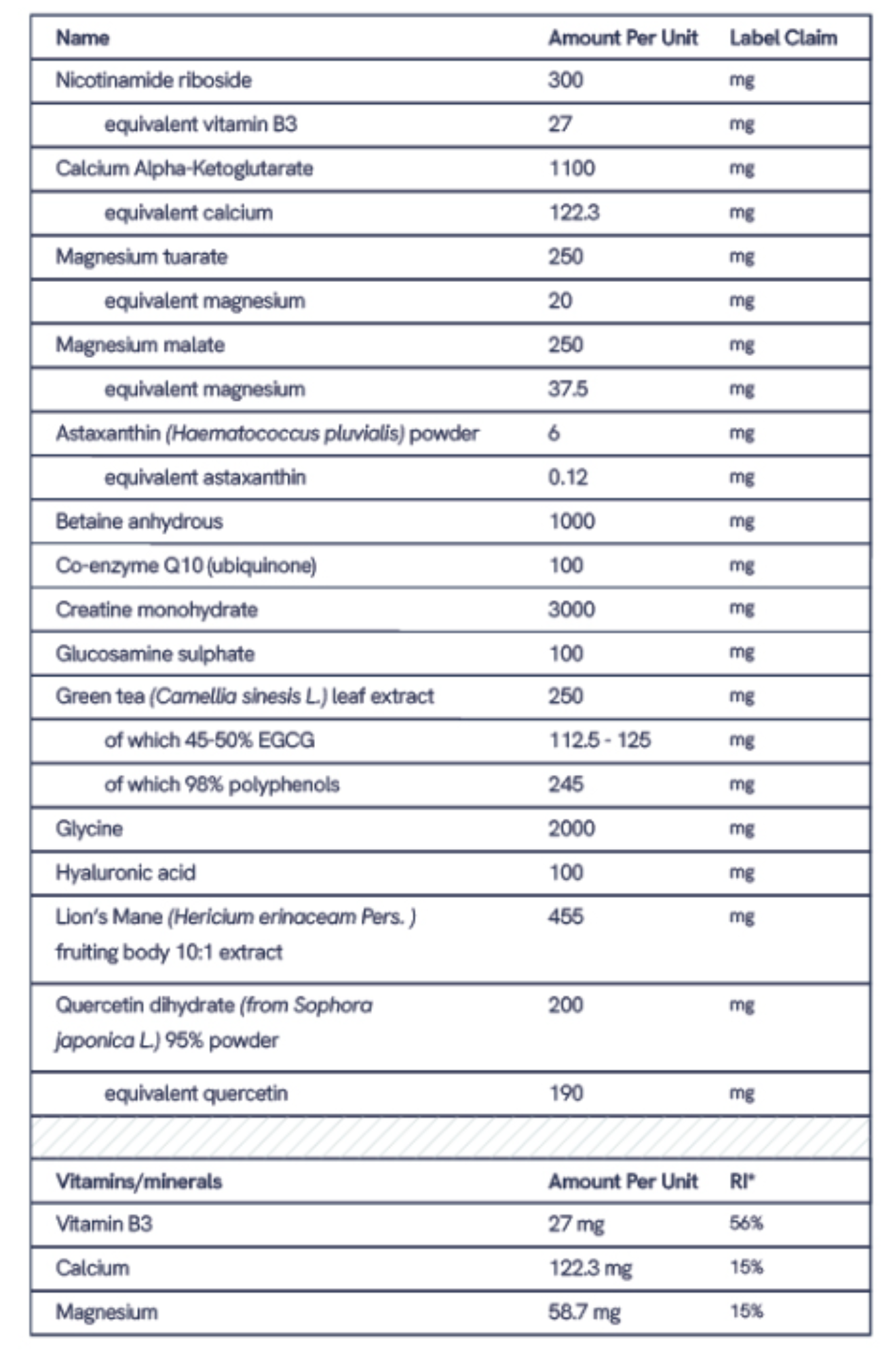
The Longevity Store applies a quality-first philosophy that prioritises third-party testing, Certificate of Analysis availability, and ingredient transparency. While Longevity Complete does not contain NMN or NR, it does include niacin (vitamin B3), which is an established NAD+ precursor and contributes to normal energy-yielding metabolism (EFSA-approved). This inclusion reflects the principle of building formulations around ingredients with strong regulatory and scientific foundations.
Practical Considerations: Dosing, Timing, and Safety
Studied dosage ranges: Human trials have used oral NMN at 250–900 mg per day2,3 and oral NR at 250–2,000 mg per day.6,10 No single optimal dose has been established, as responses appear to vary based on individual factors including baseline NAD+ status, age, and metabolic health.
Timing: NAD+ metabolism follows circadian patterns, with levels typically peaking during active periods. Some researchers have suggested that morning administration may align better with this natural rhythm, though direct evidence from human timing studies is limited. Most clinical trials have administered precursors in the morning, either before or with breakfast.3
Known side effects: Both NMN and NR have shown favourable safety profiles in published trials, with adverse event rates generally comparable to placebo.2,10 Niacin (nicotinic acid), another NAD+ precursor, is well known for causing flushing – a temporary warming and reddening of the skin. Niacinamide and NR do not typically produce this effect. Gastrointestinal symptoms have been reported occasionally at higher doses.
Interactions and precautions: Individuals taking medications, particularly those affecting metabolic pathways, should consult a qualified healthcare professional before starting any NAD+ precursor supplement. There is limited data on long-term safety beyond 12 weeks of continuous use, and no trials have established safety during pregnancy or lactation.
EFSA-approved claim: Vitamin B3 (niacin/niacinamide) contributes to normal energy-yielding metabolism. Vitamin B3 contributes to normal psychological function and to the normal function of the nervous system.
Q&A: NAD+ Precursors
What is the difference between NMN and NR?
Both NMN and NR are precursors to NAD+. NMN is one step closer to NAD+ in the biosynthetic pathway, while NR requires an additional phosphorylation step via NRK enzymes before becoming NMN and then NAD+. Both have been shown to raise blood NAD+ levels in human trials.2,6 Direct head-to-head comparison data in humans is limited, and neither has been demonstrated to be clearly superior to the other for specific health outcomes.8
Can NAD+ precursors reverse ageing?
No supplement can reverse ageing. NAD+ precursors have been studied for their ability to support cellular NAD+ levels, which decline naturally with age.1 Some trials have observed improvements in biomarkers and physical performance metrics, but these findings do not constitute evidence of reversing the ageing process.5 This remains an active area of research.
How long does it take to notice effects from NAD+ supplementation?
Human trials have measured increases in blood NAD+ levels within two to four weeks of supplementation.10 Whether this translates into noticeable subjective effects varies between individuals. Most clinical trials measuring functional outcomes have run for 8 to 12 weeks.2,3
Are NAD+ supplements safe for long-term use?
Published trials of up to 12 weeks have generally reported favourable safety profiles for both NMN and NR, with adverse events comparable to placebo.2,10 However, long-term safety data beyond this timeframe is lacking. Ongoing monitoring and consultation with a healthcare provider is advisable.
Can I get NAD+ from food?
NAD+ itself is not absorbed efficiently from food, but NAD+ precursors are present in the diet. Tryptophan (found in poultry, fish, and dairy), niacin (found in meat, legumes, and whole grains), and small amounts of NMN and NR (found in foods such as edamame, broccoli, and milk) all contribute to NAD+ biosynthesis.8 Dietary intake alone may not compensate for age-related decline, which is part of the rationale for supplementation research.
Do NAD+ precursors interact with medications?
There is limited published data on specific drug interactions with NMN or NR. Theoretically, compounds that affect NAD+-dependent enzymes (such as PARP inhibitors used in certain medical contexts) could interact.9 Anyone taking prescription medication should consult a healthcare professional before beginning supplementation.
What is the optimal dose of NMN or NR?
No single optimal dose has been established. Human trials have tested NMN at 250–900 mg per day2 and NR at 250–2,000 mg per day.6,10 Response appears to vary by individual factors including age, baseline NAD+ status, and overall health. Starting at a lower dose and consulting a healthcare provider is a reasonable approach.
Should I combine NAD+ precursors with other supplements?
Some formulations combine NAD+ precursors with other ingredients. Research on specific combinations is limited. Vitamin B3 (niacin/niacinamide) itself is an established NAD+ precursor and contributes to normal energy-yielding metabolism (EFSA-approved). A well-formulated multivitamin/mineral product may support NAD+ metabolism through B-vitamin provision alongside other cellular cofactors.
Is NMN or NR better for older adults?
Both precursors have been studied in middle-aged and older populations.3,7 Some trials suggest that individuals with lower baseline NAD+ levels may respond more noticeably to supplementation. Neither precursor has been conclusively shown to be superior in older adults. Individual response varies, and healthcare guidance is recommended.
Does NAD+ supplementation support brain function?
NAD+ is involved in neuronal energy metabolism and plays a role in normal nervous system function.9 A small trial of NR in older adults with mild cognitive impairment found it raised NAD+ levels but did not significantly alter cognition. Vitamin B3 contributes to normal psychological function (EFSA-approved claim). Research into NAD+ and brain health is ongoing but not yet conclusive.
Frequently Asked Questions
What are NAD+ precursors?
NAD+ precursors are compounds that the body can convert into NAD+ (nicotinamide adenine dinucleotide), a coenzyme essential for cellular energy production and DNA repair. The two most studied precursors are NMN (nicotinamide mononucleotide) and NR (nicotinamide riboside).8
Why do NAD+ levels decline with age?
NAD+ levels decline due to a combination of reduced biosynthesis, increased consumption by enzymes such as CD38 and PARPs, and chronic low-grade inflammation associated with ageing. This decline has been observed in human blood and tissue studies.1,9
Is NMN or NR better?
Both NMN and NR raise blood NAD+ levels in humans.2,6 Direct comparison data is limited. Neither has been shown to be clearly superior. The best choice may depend on individual factors, formulation quality, and healthcare guidance.
What dose of NMN has been studied in humans?
Human trials have used NMN at 250 to 900 mg per day for periods of 4 to 12 weeks. Blood NAD+ increases have been observed at all studied doses, with higher doses generally producing greater elevation.2
Are NAD+ precursor supplements safe?
Published clinical trials of up to 12 weeks report that both NMN and NR are well tolerated, with adverse events similar to placebo.2,10 Long-term safety data is not yet available. Consult a healthcare professional before starting any supplement.
Does vitamin B3 support NAD+ levels?
Yes. Niacin and niacinamide are forms of vitamin B3 that serve as NAD+ precursors.8 Vitamin B3 contributes to normal energy-yielding metabolism (EFSA-approved claim). B3 forms are included in many comprehensive supplement formulations.
References
- Clement J, Wong M, Poljak A, Sachdev P, Braidy N. The plasma NAD+ metabolome is dysregulated in "normal" aging. Rejuvenation Res. 2019;22(2):121–130. View on PubMed ↗
- Yi L, Maier AB, Tao R, et al. The efficacy and safety of β-nicotinamide mononucleotide (NMN) supplementation in healthy middle-aged adults: a randomized, multicenter, double-blind, placebo-controlled, parallel-group, dose-dependent clinical trial. GeroScience. 2023;45(1):29–43. View on PubMed ↗
- Kim M, Seol J, Sato T, Fukamizu Y, Sakurai T, Okura T. Effect of 12-week intake of nicotinamide mononucleotide on sleep quality, fatigue, and physical performance in older Japanese adults. Nutrients. 2022;14(4):755. View on PubMed ↗
- Zhang J, Poon ETC, Wong SHS. Efficacy of oral NMN supplementation on glucose and lipid metabolism for adults: a systematic review with meta-analysis. Crit Rev Food Sci Nutr. 2025;65(22):4382–4400. View on PubMed ↗
- Song Q, Zhou X, Xu K, Liu S, Zhu X, Yang J. The safety and antiaging effects of nicotinamide mononucleotide in human clinical trials: an update. Adv Nutr. 2023;14(6):1416–1435. View on PubMed ↗
- Martens CR, Denman BA, Mazzo MR, et al. Chronic nicotinamide riboside supplementation is well-tolerated and elevates NAD+ in healthy middle-aged and older adults. Nat Commun. 2018;9(1):1286. View on PubMed ↗
- Elhassan YS, Kluckova K, Fletcher RS, et al. Nicotinamide riboside augments the aged human skeletal muscle NAD+ metabolome and induces transcriptomic and anti-inflammatory signatures. Cell Rep. 2019;28(7):1717–1728. View on PubMed ↗
- Yoshino J, Baur JA, Imai SI. NAD+ intermediates: the biology and therapeutic potential of NMN and NR. Cell Metab. 2018;27(3):513–528. View on PubMed ↗
- Covarrubias AJ, Perrone R, Grozio A, Verdin E. NAD+ metabolism and its roles in cellular processes during ageing. Nat Rev Mol Cell Biol. 2021;22(2):119–141. View on PubMed ↗
- Conze D, Brenner C, Kruger CL. Safety and metabolism of long-term administration of NIAGEN (nicotinamide riboside chloride) in a randomized, double-blind, placebo-controlled clinical trial of healthy overweight adults. Sci Rep. 2019;9(1):9772. View on PubMed ↗
- McDermott MM, Leeuwenburgh C, Engelen MPKJ, et al. Nicotinamide riboside for peripheral artery disease: the NICE randomized clinical trial. Nat Commun. 2024;15:5093. View on PubMed ↗
- Wen SA, Noor NM, Redzuan SN, et al. Improved physical performance parameters in patients taking nicotinamide mononucleotide (NMN): a systematic review of randomized control trials. Cureus. 2024;16(8):e66399. View on PubMed ↗
Disclaimer: Educational content only. Not medical advice. Supplements are not intended to diagnose, treat, cure, or prevent any disease. Consult a qualified healthcare professional if you have a medical condition or take medication.