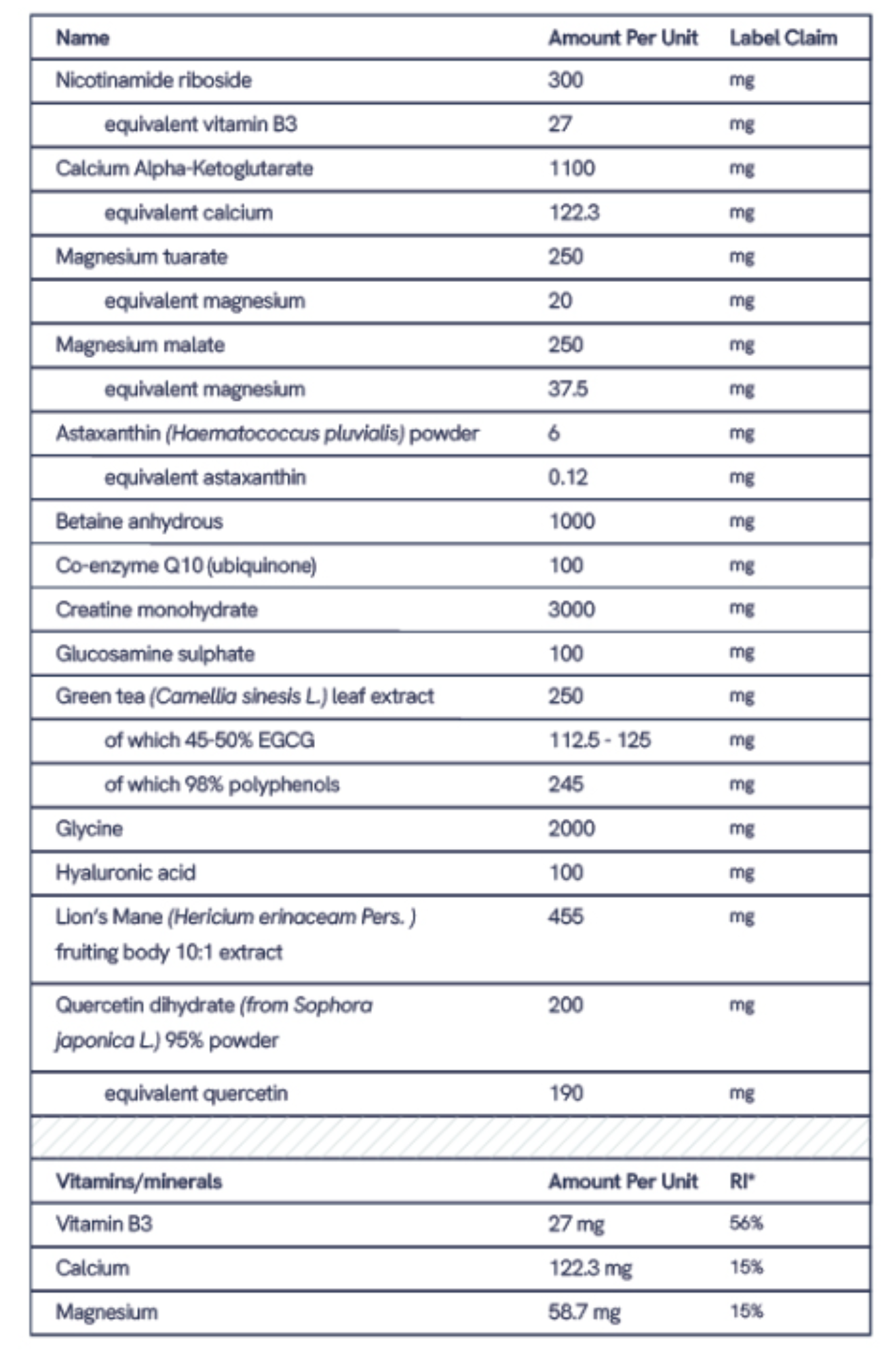
Human research consistently identifies several lifestyle factors with robust associations with preserved cognitive function in aging adults: regular aerobic exercise, consistent deep sleep, social engagement, continuous learning, a Mediterranean-style dietary pattern, chronic stress management, and sensory health maintenance. No supplement replaces these fundamentals, though several have emerging evidence as complementary support.
Key Takeaways
- Regular aerobic exercise has the strongest human evidence for preserving cognitive function in older adults, with meta-analyses of randomised controlled trials confirming benefits across multiple cognitive domains.1
- Deep sleep supports glymphatic clearance of metabolic waste products including amyloid-beta; even one night of sleep deprivation has been shown in human studies to increase beta-amyloid burden in the hippocampus.2
- Social isolation is consistently associated with accelerated cognitive decline across large international longitudinal cohort studies spanning 24 countries and over 100,000 participants.3
- The MIND dietary pattern has been studied in both RCT and large observational cohort settings; adherence is associated with reduced cognitive impairment risk, though the 2023 RCT found no significant difference over three years in cognitively healthy adults.4,5
- Higher plasma cortisol levels predict greater hippocampal atrophy and faster progression from mild cognitive impairment in longitudinal human studies, highlighting chronic stress management as a modifiable brain health lever.6
- Treating age-related hearing loss may slow cognitive decline: the ACHIEVE randomised controlled trial in the Lancet found hearing intervention reduced cognitive decline trajectory by approximately 48% in higher-risk adults over three years.7
- These lifestyle strategies work synergistically; no single factor is sufficient, and the cumulative benefit of addressing multiple domains simultaneously likely exceeds any individual strategy.
Why Brain Health Is the New Longevity Frontier
Cognitive longevity — the preservation of memory, processing speed, executive function, and mental clarity across the lifespan — has become a central focus of aging science. Researchers increasingly distinguish between chronological age and brain biological age, recognising that these two can diverge substantially depending on how a person lives.
The global burden of dementia is substantial. Approximately 57 million people worldwide are currently living with the condition, with projections suggesting this number could triple by 2050. Yet dementia is not an inevitable feature of aging. The 2020 Lancet Commission on Dementia Prevention identified twelve modifiable risk factors that collectively account for approximately 40% of dementia cases worldwide — the majority of which are lifestyle-related.
Understanding which lifestyle factors carry the strongest human evidence, and how to prioritise them, is the central purpose of this article. What follows draws exclusively on human studies — randomised controlled trials, meta-analyses, and large prospective cohort data — to present the seven strategies with the most consistent evidence base.
Strategy 1: Regular Aerobic Exercise — The Strongest Cognitive Signal
What the Human Evidence Shows
Of all modifiable lifestyle factors, regular aerobic exercise carries the most consistently positive evidence for cognitive function in aging adults. A 2023 systematic review and meta-analysis of randomised controlled trials, drawing on data across multiple cognitive domains, concluded that both aerobic and resistance exercise interventions improved cognitive function in older adults across all mental states.1 The authors recommended at least moderate-intensity aerobic and resistance exercise on as many days per week as feasible.
The Mechanism: BDNF and Hippocampal Volume
One well-studied mechanism involves brain-derived neurotrophic factor (BDNF), a protein that supports neuronal survival, synaptic plasticity, and the growth of new connections in brain regions critical for memory — particularly the hippocampus. Human RCT and cohort data indicate that aerobic exercise elevates circulating BDNF levels, with moderate-intensity training appearing to produce more consistent elevations than very high-intensity protocols in some studies. Aerobic exercise has also been associated with preserved or increased hippocampal volume in older adults, a finding with direct relevance to memory and spatial navigation.
Practical Guidance
Current evidence suggests moderate-intensity aerobic exercise — equivalent to brisk walking, cycling, or swimming at an effort level where conversation is possible but somewhat effortful — performed for 150 minutes or more per week, distributing sessions across multiple days. Resistance training two or more days per week provides additional, potentially complementary, benefits through different pathways including IGF-1 elevation and muscle-brain signalling.
Zone 2 cardio — the low-to-moderate aerobic intensity range often described as "conversational pace" — has attracted particular attention for its mitochondrial and metabolic benefits, which may compound over time into preserved cerebrovascular function and sustained BDNF responses.
Strategy 2: Prioritising Deep Sleep — The Brain's Self-Cleaning Mechanism
The Glymphatic System and Cognitive Risk
Sleep is not simply a period of reduced activity for the brain — it is when the brain performs critical maintenance. The glymphatic system, a network of fluid channels surrounding the brain's blood vessels, is most active during non-REM deep sleep. During this phase, cerebrospinal fluid flows through brain tissue, helping to clear metabolic waste products that accumulate during waking hours — including amyloid-beta and tau proteins associated with neurodegenerative processes.
Human Research on Sleep and Amyloid
A landmark human PET imaging study found that a single night of sleep deprivation resulted in a significant increase in amyloid-beta burden in the right hippocampus and thalamus, regions with direct relevance to memory function.2 This finding suggests the glymphatic clearance process is disrupted even by acute sleep loss in humans.
A separate randomised clinical trial examined the effect of one night of total sleep deprivation on cerebrospinal fluid amyloid-beta 42 levels in cognitively normal middle-aged men, finding that sleep deprivation interfered with the physiological morning decrease in amyloid-beta concentrations.8 The researchers concluded that chronic sleep deprivation may elevate cerebral amyloid-beta levels over time, potentially increasing Alzheimer's disease risk.
What Qualifies as Good Sleep Architecture
Sleep quality matters as much as quantity. Deep slow-wave sleep (N3 stage) is the phase most associated with glymphatic activity and memory consolidation. Adults who achieve 7–9 hours of sleep per night with a reasonable proportion of deep sleep cycles, minimal fragmentation, and consistent timing with natural light cycles are likely to support optimal glymphatic function. Sleep position (lateral, or side-sleeping) has been proposed in some research as potentially supporting glymphatic flow compared to back-sleeping, though this remains an area of active investigation.
Practical sleep hygiene measures with evidence of benefit include a consistent sleep schedule, a cool sleeping environment (approximately 18–20°C), darkness, and avoiding bright screens and stimulants in the two hours before bedtime.
Strategy 3: Social Engagement — Cognitive Reserve Through Human Connection
Scale of the Evidence
Social isolation consistently emerges as one of the strongest modifiable risk factors for cognitive decline in large-scale human research. A 2025 longitudinal study drawing on harmonised data from five major aging studies across 24 countries — comprising over 101,000 participants — used linear mixed models and meta-analyses to examine the relationship between social isolation and cognitive ability over time.3 Social isolation was significantly associated with lower cognitive scores across multiple domains including memory, orientation, and executive ability.
A 2024 longitudinal cohort study examined changes in social isolation and loneliness over time and their relationship to subsequent cognitive function in Chinese adults, finding that persistent or newly developed social isolation was associated with faster cognitive decline and higher risk of cognitive impairment.9
The Cognitive Reserve Concept
One framework for understanding how social engagement protects brain function is cognitive reserve — the brain's resilience to neuropathological damage, built up through a lifetime of mental stimulation and social connection. People with higher cognitive reserve can tolerate greater levels of brain damage before showing clinical symptoms of cognitive decline. Education level, occupational complexity, and social network richness are among the factors consistently associated with cognitive reserve in human epidemiological research.
Social engagement demands cognitive effort across multiple domains simultaneously — language processing, facial recognition, emotional regulation, perspective-taking, and working memory — providing a form of integrated mental exercise that passive activities do not replicate. Community participation, maintaining meaningful relationships, and engaging in group activities or shared interests all contribute to this form of ongoing cognitive stimulation.
Strategy 4: Continuous Learning and Skill Acquisition — Neuroplasticity in Practice
The Brain's Capacity for Adaptation
The brain retains the capacity for structural and functional change — neuroplasticity — well into older adulthood, though the rate and extent of this capacity decreases with age and sedentary cognitive lifestyles. Human research demonstrates that learning genuinely novel skills activates neuroplasticity pathways more effectively than practising already-acquired abilities. This distinction matters: doing a familiar crossword puzzle may maintain existing networks, but learning to play a musical instrument, acquiring a new language, or mastering a craft requiring fine motor coordination and pattern recognition actively builds new neural architecture.
Relevant Human Findings
Neuroimaging studies in older adults have demonstrated structural and functional changes in response to sustained skill learning — including changes in cortical thickness, white matter connectivity, and resting-state network organisation — though the timeline and magnitude of these changes vary by activity type, individual, and intensity of engagement. Research on older adults who began playing a musical instrument later in life shows measurable differences in auditory cortex organisation compared to matched non-musicians, supporting the functional relevance of sustained novel learning.
Practical Application
The most cognitively protective forms of learning appear to share several characteristics: they require sustained attention and effort; they involve the acquisition of genuinely unfamiliar skills rather than repetition of known ones; and they engage multiple cognitive domains simultaneously. Activities meeting these criteria include learning a new language, studying a new instrument, taking up dancing (which combines motor learning, music, and social elements), engaging in complex craft or construction projects, or beginning formal study in an entirely new academic area.
Strategy 5: The MIND Dietary Pattern — Brain-Supportive Nutrition
What the MIND Diet Consists Of
The MIND diet — Mediterranean-DASH Intervention for Neurodegenerative Delay — was specifically developed to combine elements of the Mediterranean and DASH diets with adjustments targeted at neurological protection. It emphasises green leafy vegetables (at least six portions per week), other vegetables, berries (at least two servings per week), whole grains, legumes, nuts, fish (at least once per week), poultry, olive oil, and moderate wine consumption if applicable. It limits red meat, sweets, cheese, butter, and fried or fast food.
Evidence from RCT and Observational Data
The 2023 MIND diet RCT published in the New England Journal of Medicine followed 604 cognitively unimpaired adults aged 65 and older for three years and found that, compared to a mild caloric restriction control diet, the MIND diet group did not show statistically significant differences in cognitive trajectory over the study period.4 The authors acknowledged that the control group also improved dietary quality, which may have attenuated the between-group difference. Importantly, this was a well-powered RCT in cognitively healthy adults — a challenging population in which to detect effects over three years.
Complementing the RCT, a large 2024 observational study from the REGARDS cohort found that closer adherence to the MIND diet was associated with a lower risk of cognitive impairment and slower cognitive decline in the broader population.5 Differences in sex and race were observed, with greater effect sizes seen in Black participants and female participants — highlighting that dietary impact may be moderated by individual and demographic factors.
Mechanisms and Practical Priorities
Proposed mechanisms include reduced neuroinflammation, lower cardiovascular disease risk (which improves cerebrovascular health), antioxidant protection of neurons, and microbiome effects on the gut-brain axis. Practically, the most consistent dietary priorities across brain health research are generous vegetable and berry consumption, olive oil as the primary fat source, adequate oily fish intake for DHA supply, and minimisation of ultra-processed food.
Strategy 6: Managing Chronic Stress — Protecting the Hippocampus
Cortisol and Hippocampal Vulnerability
The hippocampus — the brain region central to memory formation and spatial navigation — contains a high density of glucocorticoid receptors, making it particularly sensitive to elevated cortisol. While acute stress can sharpen attention and consolidate emotionally salient memories in the short term, chronically elevated cortisol is associated with hippocampal damage through several mechanisms including impaired neurogenesis, dendritic retraction, and inflammation.
A longitudinal study using data from 304 patients with mild cognitive impairment in the Alzheimer's Disease Neuroimaging Initiative found that higher baseline plasma cortisol predicted greater hippocampal atrophy over time, which in turn was a significant predictor of clinical progression.6 The authors concluded that regulation of the hypothalamic-pituitary-adrenal axis through stress-reducing lifestyle interventions may offer a protective effect against hippocampal degeneration at the prodromal stage of Alzheimer's disease.
Stress Reduction Approaches with Human Evidence
Several non-pharmacological stress management approaches have demonstrated measurable effects on HPA axis regulation and cognitive function in human trials. Mindfulness-based stress reduction (MBSR) — an 8-week structured programme — has been studied in numerous RCTs and is associated with reduced perceived stress, lower cortisol area-under-the-curve in stressed populations, and improvements in attention and working memory. Physical exercise, as discussed above, also directly modulates HPA axis reactivity over time. High-quality sleep, social support, and purposeful engagement with meaningful activities are additional factors consistently associated with lower chronic stress biomarkers in human cohort data.
The practical implication is that chronic psychosocial stress — prolonged work demands, relationship difficulties, financial insecurity, or unresolved grief — is not merely a psychological burden but a physiological one with direct relevance to brain tissue integrity and cognitive trajectory.
Strategy 7: Protecting Sensory Health — Hearing and Vision as Brain Health Levers
Hearing Loss and Cognitive Decline
Hearing loss is now recognised as one of the largest modifiable risk factors for dementia across the lifespan. It is estimated to account for approximately 8% of dementia cases globally — a larger attributable fraction than physical inactivity, smoking, or social isolation individually.
The ACHIEVE trial — a multicentre randomised controlled trial published in The Lancet — evaluated hearing intervention versus health education control in 977 older adults with mild-to-moderate hearing impairment over three years.7 In participants at higher risk of cognitive decline, the hearing intervention group showed approximately 48% slower cognitive decline compared to controls. In the overall sample the difference was not statistically significant, but the trial provides important RCT-level evidence that hearing rehabilitation may meaningfully attenuate cognitive decline in vulnerable populations.
Mechanisms Linking Hearing Loss to Brain Health
Multiple mechanisms have been proposed: (1) cognitive load — people with hearing loss must allocate more cognitive resources to speech processing, leaving fewer resources for memory encoding; (2) reduced social engagement and input from social interaction, which as discussed earlier is independently protective; and (3) possible common underlying pathology affecting both auditory and brain tissue simultaneously. These mechanisms suggest that early identification and management of hearing loss, including the use of hearing aids where appropriate, is a legitimate brain health strategy — not merely an auditory comfort measure.
Visual Health
Vision impairment is similarly associated with accelerated cognitive decline in older adult cohorts. Cataract surgery — by restoring visual input — has been associated in some observational data with reduced dementia incidence. While the evidence base for vision correction and cognitive protection is less developed than for hearing, it supports the broader principle that maintaining rich sensory input to the brain is part of a cognitively protective lifestyle. Regular eye examinations, appropriate refractive correction, and management of conditions such as glaucoma and diabetic retinopathy all serve this purpose.
Q&A: Common Questions About Cognitive Longevity
What is the single most effective lifestyle strategy for brain health?
The human evidence base is most consistent for regular aerobic exercise. Multiple systematic reviews and meta-analyses of randomised controlled trials confirm benefits across memory, processing speed, and executive function in older adults.1 However, no single strategy should be relied upon in isolation — the combined effect of multiple protective lifestyle factors likely substantially exceeds any individual strategy.
How does sleep protect the brain?
During deep slow-wave sleep, the brain's glymphatic system — a network of fluid channels surrounding blood vessels — becomes most active, helping to flush out metabolic waste products including amyloid-beta and tau proteins. Human PET imaging studies demonstrate that even one night of sleep deprivation measurably increases amyloid-beta accumulation in the hippocampus,2 underscoring why consistent, quality sleep is considered one of the most important modifiable brain health behaviours.
Is social isolation really as harmful for the brain as physical inactivity?
Multiple large-scale longitudinal studies indicate that social isolation is associated with cognitive decline at a comparable or greater magnitude than many physical risk factors. A 2025 multi-country study of over 100,000 adults found consistent associations between social isolation and reduced performance across cognitive domains including memory, orientation, and executive ability.3 Maintaining meaningful social connections is not optional from a brain health perspective — it is a protective behaviour with substantial human evidence.
What is the MIND diet and does it work?
The MIND diet is a hybrid of Mediterranean and DASH dietary patterns, specifically adapted for neurological protection. It emphasises leafy greens, berries, whole grains, fish, nuts, and olive oil while limiting processed food, red meat, and sweets. Large observational studies associate adherence with reduced cognitive impairment risk,5 while a 2023 RCT found no statistically significant cognitive benefit over three years in already-healthy adults compared to a caloric restriction control.4 Current evidence supports the MIND pattern as a reasonable dietary priority, with appropriate nuance about the limitations of the available data.
How does chronic stress affect the brain?
The hippocampus — critical for memory formation — is rich in cortisol receptors and is particularly vulnerable to prolonged stress hormone exposure. Longitudinal data from over 300 individuals with mild cognitive impairment found that higher plasma cortisol predicted faster hippocampal atrophy over time, which in turn was associated with greater risk of progression.6 Practical stress management — through exercise, sleep, social support, and mindfulness practices — is therefore a legitimate brain health strategy with a plausible mechanistic basis.
Can treating hearing loss slow cognitive decline?
The ACHIEVE randomised controlled trial, published in The Lancet, provides the highest-quality human evidence to date. In older adults at elevated risk for cognitive decline, hearing intervention slowed the rate of cognitive decline by approximately 48% over three years compared to health education control.7 This makes hearing loss treatment one of the few modifiable brain health strategies with RCT-level support, and one that is often underprioritised.
What type of learning is best for brain health?
Human research and neuroimaging data suggest that learning genuinely novel skills — those that require sustained effort, engage multiple cognitive systems, and have not yet been automated — is more cognitively stimulating than repeating familiar tasks. Learning a new language, musical instrument, or complex craft meets these criteria better than, for example, doing a familiar type of puzzle. The key characteristic is productive challenge: the brain must adapt rather than merely retrieve practised routines.
Do these lifestyle strategies work at any age?
Evidence exists for cognitive benefits of exercise, sleep improvement, social engagement, and dietary pattern change across all adult age groups studied — including adults in their 70s, 80s, and beyond. While earlier adoption of protective behaviours likely offers greater cumulative benefit, the human evidence does not support the idea that lifestyle changes are without value after any particular age. Neuroplasticity persists across the adult lifespan, and most of the mechanisms through which these strategies operate remain relevant regardless of when intervention begins.
FAQ
Which lifestyle factor has the strongest human evidence for preventing cognitive decline?
Regular aerobic exercise has the most consistently supported evidence base, with multiple meta-analyses of randomised controlled trials confirming improvements across cognitive domains in older adults.1 Sleep quality and social engagement follow closely, with strong longitudinal cohort evidence from large international datasets.
How much sleep is needed to support brain waste clearance?
Most human sleep research identifies 7–9 hours per night as the optimal range for cognitive health in adults, with adequate slow-wave (deep) sleep — typically occurring in the first half of the night — being particularly important for glymphatic clearance. Human studies demonstrate amyloid-beta accumulation after even a single night of deprivation.8
Can the MIND diet reverse cognitive decline?
No. The available human evidence does not support any dietary pattern as a reversal strategy for established cognitive decline. The MIND diet is studied as a potential protective factor to slow the rate of decline, not as a treatment. The 2023 MIND diet RCT found no significant cognitive benefit over three years in cognitively normal adults compared to a caloric restriction control, highlighting the complexity of dietary intervention research.4
Does social isolation cause dementia or just correlate with it?
The relationship between social isolation and cognitive decline is observational, and causal direction cannot be confirmed from cohort data alone — it is possible that early cognitive decline itself contributes to social withdrawal. However, biological mechanisms (including higher allostatic load, reduced cognitive stimulation, and dysregulated neuroinflammation in isolation) provide plausibility for a genuine causal contribution. Large international data involving over 100,000 adults find consistent associations across diverse populations and countries.3
At what age should I start prioritising brain health habits?
Evidence suggests the optimal time is as early in adulthood as possible, since many neuropathological processes associated with late-life dementia begin decades before symptoms. However, human research also demonstrates measurable cognitive benefits from lifestyle changes in adults aged 60, 70, and beyond. The Lancet Commission on Dementia Prevention identifies risk factors across the entire lifespan — from childhood education through late-life hearing management — reflecting that brain health is a lifelong endeavour rather than a single-phase intervention.
References
- Xu L, Gu H, Cai X, Zhang Y, Hou X, Yu J, Sun T. The Effects of Exercise for Cognitive Function in Older Adults: A Systematic Review and Meta-Analysis of Randomized Controlled Trials. Int J Environ Res Public Health. 2023;20(2):1088. View on PubMed ↗
- Shokri-Kojori E, Wang GJ, Wiers CE, Demiral SB, Guo M, Kim SW, Lindgren E, Ramirez V, Zehra A, Freeman C, Miller G, Manza P, Srivastava T, De Santi S, Tomasi D, Benveniste H, Volkow ND. β-Amyloid accumulation in the human brain after one night of sleep deprivation. Proc Natl Acad Sci USA. 2018;115(17):4483-4488. View on PubMed ↗
- Xu M, et al. Social isolation and cognitive decline in older adults: a longitudinal study across 24 countries. BMC Geriatrics. 2025;25:592. View on PubMed ↗
- Barnes LL, Dhana K, Liu X, Carey VJ, Ventrelle J, Johnson K, Hollings CS, Bishop L, Laranjo N, Stubbs BJ, Reilly X, Agarwal P, Zhang S, Grodstein F, Tangney CC, Holland TM, Aggarwal NT, Arfanakis K, Morris MC, Sacks FM. Trial of the MIND Diet for Prevention of Cognitive Decline in Older Persons. N Engl J Med. 2023;389(7):602-611. View on PubMed ↗
- Sawyer RP, Blair J, Shatz R, Manly JJ, Judd SE. Association of Adherence to a MIND-Style Diet With the Risk of Cognitive Impairment and Decline in the REGARDS Cohort. Neurology. 2024;103(8):e209817. View on PubMed ↗
- Ouanes S, Casanova E, Glatt H, Heinz A, van Oosterom N, Kessing LV, Kloiber S, Müller-Oerlinghausen B, Riemer T, Stoltenberg A, Bauer M. The effect of plasma cortisol on hippocampal atrophy and clinical progression in mild cognitive impairment. J Alzheimers Dis. 2023. View on PubMed ↗
- Lin FR, Pike JR, Albert MS, Arnold M, Burgard S, Chisolm T, Couper D, Deal JA, Goman AM, Glynn NW, Gmelin T, Gravens-Mueller L, Hayden KM, Huang AR, Knopman D, Mitchell CM, Mosley T, Pankow JS, Reed NS, Sanchez V, Schrack JA, Windham BG, Coresh J; ACHIEVE Collaborative Research Group. Hearing intervention versus health education control to reduce cognitive decline in older adults with hearing loss in the USA (ACHIEVE): a multicentre, randomised controlled trial. Lancet. 2023;402(10404):786-797. View on PubMed ↗
- Ooms S, Overeem S, Besse K, Rikkert MO, Verbeek M, Claassen JA. Effect of 1 night of total sleep deprivation on cerebrospinal fluid beta-amyloid 42 in healthy middle-aged men: a randomized clinical trial. JAMA Neurol. 2014;71(8):971-977. View on PubMed ↗
- Huang QM, Zhang PD, Shen D, Gao J, Li ZH, Lv YB, Shi XM, Mao C. Analysis of changes in social isolation, loneliness, or both, and subsequent cognitive function among older adults: Findings from a nationwide cohort study. Alzheimers Dement. 2024;20(8):5674-5683. View on PubMed ↗
Disclaimer: Educational content only. Not medical advice. Supplements are not intended to diagnose, treat, cure, or prevent any disease. Consult a qualified healthcare professional if you have a medical condition or take medication.