Key Takeaways
- Polyphenols are a diverse group of over 8,000 plant compounds classified into flavonoids, phenolic acids, stilbenes, and lignans, found in everyday foods such as tea, berries, olive oil, and dark chocolate.
- A 2024 meta-analysis of seven cohort studies (178,657 adults) found that higher dietary polyphenol intake was associated with a 7% lower risk of all-cause mortality (HR 0.93, 95% CI: 0.91-0.95).1
- The PREDIMED trial (7,447 participants, 4.8 years follow-up) found a 37% relative reduction in all-cause mortality comparing the highest versus lowest quintile of total polyphenol intake.2
- A systematic review and meta-analysis found that oral green tea catechin supplementation was associated with significant protection against UV-induced erythema at low-intensity challenge levels.3
- No EFSA-approved health claims exist for polyphenol compounds themselves. The relevant approved claims apply to vitamin C, zinc, and selenium, which contribute to protection of cells from oxidative stress.
- Bioavailability remains a major challenge. Many polyphenols are poorly absorbed, extensively metabolised, and rapidly excreted, which limits direct comparisons between dietary intake and isolated supplement forms.
- Dietary patterns rich in polyphenols (such as Mediterranean-style diets) have stronger evidence than isolated polyphenol supplements.
What Are Polyphenols?
Polyphenols are a large family of naturally occurring compounds produced by plants as part of their defence systems. With over 8,000 identified structures, they represent one of the most abundant groups of bioactive compounds in the human diet. They are classified into four main groups: flavonoids (including catechins, anthocyanins, and quercetin), phenolic acids (such as chlorogenic acid in coffee), stilbenes (such as resveratrol in grapes), and lignans (found in seeds and whole grains).
The richest dietary sources include green tea, berries (blueberries, blackcurrants, raspberries), red grapes, olive oil, dark chocolate, coffee, onions, apples, and turmeric. The total polyphenol intake in Western diets typically ranges from approximately 500 mg to over 1,000 mg per day, with coffee, tea, and fruit being the primary contributors.
Polyphenols are thought to act through two broad mechanisms. First, they can directly scavenge reactive oxygen species (ROS), contributing to antioxidant activity. Second, and perhaps more importantly at physiological concentrations, they appear to modulate gene expression through indirect pathways, including activation of the Nrf2 signalling pathway, which upregulates the body's own antioxidant enzyme systems.
A major limitation of polyphenol research is bioavailability. Most polyphenols are poorly absorbed in the small intestine, extensively metabolised by the liver, and rapidly excreted. As a result, the compounds that reach tissues may differ substantially from what is consumed. The gut microbiome plays a significant role in converting parent polyphenols into bioactive metabolites, which adds complexity to understanding their effects.
Polyphenols and Cellular Ageing
Oxidative stress, an imbalance between the production of reactive oxygen species and the body's antioxidant defences, is associated with cellular damage that accumulates over time. This is one of the recognised hallmarks of ageing at the cellular level. Vitamin C, zinc, and selenium contribute to protection of cells from oxidative stress (EFSA-approved claims).
Epidemiological research has consistently associated higher dietary polyphenol intake with favourable outcomes. A 2024 systematic review and meta-analysis pooling seven cohort studies involving 178,657 adults found that higher total dietary polyphenol intake was associated with a statistically significant 7% lower risk of all-cause mortality (HR 0.93, 95% CI: 0.91-0.95).1
Data from the PREDIMED trial, one of the largest nutritional intervention studies, reinforced these findings. Among 7,447 participants followed for an average of 4.8 years, those in the highest quintile of total polyphenol intake had a 37% relative reduction in all-cause mortality compared to the lowest quintile (HR 0.63, 95% CI: 0.41-0.97). Among polyphenol subclasses, stilbenes and lignans showed the strongest associations.2
The Japanese Takayama cohort study (29,079 residents, 16 years follow-up) similarly found that the highest quartile of total polyphenol intake was associated with a significantly lower risk of all-cause mortality (HR 0.93, 95% CI: 0.82-0.99).4
It is important to note that these are observational associations, not proof of causation. People who consume more polyphenols also tend to follow healthier overall dietary patterns, which makes isolating the specific contribution of polyphenols challenging.
Key Polyphenol Compounds Studied for Longevity
EGCG (Epigallocatechin gallate) is the most abundant and most studied catechin in green tea. A systematic review and meta-analysis found that oral green tea catechin supplementation was associated with significant protection against UV-induced skin erythema at low-intensity exposure levels (SMD: -0.35, 95% CI: -0.57 to -0.13, p = 0.002).3 A double-blind RCT of 50 participants found that 12 weeks of oral green tea catechins (540 mg twice daily) protected dermal elastic fibres from UV-induced degradation.5 However, a separate RCT by the same research group found that oral green tea catechins (1,080 mg/day) did not significantly reduce UV-induced skin erythema or inflammation as a primary outcome.6 The evidence remains mixed.
Resveratrol is a stilbene found primarily in red grapes and red wine. The PREDIMED data found stilbenes among the polyphenol subclasses most strongly associated with reduced mortality.2 However, resveratrol has notoriously poor oral bioavailability, with rapid metabolism limiting circulating levels. Most human trials have used enhanced formulations at doses far exceeding what dietary intake provides.
Anthocyanins are the pigments responsible for the deep colours of berries, cherries, and red cabbage. Observational research associates higher anthocyanin intake with favourable cardiometabolic markers, though the evidence from supplementation RCTs remains limited in scope and inconsistent in magnitude.
Quercetin is a flavonol found in onions, apples, and capers. It has been studied for its role in modulating inflammatory pathways, and early human research has explored its potential as a senolytic compound (one that may selectively affect senescent cells). This remains an emerging area with very limited human evidence to date.
Curcumin (from turmeric) has been extensively studied in human trials, though like resveratrol, its oral bioavailability is extremely low without enhanced formulations. Human RCTs have investigated curcumin in relation to inflammatory markers, though results are inconsistent and often limited by small sample sizes and short durations.
Polyphenols and Skin Health
The skin is the body's largest organ and the primary interface with environmental stressors, including ultraviolet radiation. UV exposure generates reactive oxygen species that can damage collagen fibres, elastic tissue, and DNA within skin cells. Vitamin C contributes to normal collagen formation for the normal function of skin (EFSA-approved claim). Vitamin C, zinc, and selenium contribute to protection of cells from oxidative stress (EFSA-approved claims).
Research has explored whether dietary polyphenols can complement external sun protection. A systematic review and meta-analysis of human RCTs found that oral green tea catechin supplementation was associated with a statistically significant reduction in UV-induced erythema at low-intensity challenge levels.3 A 2022 RCT found that 12 weeks of oral green tea catechins protected specific dermal extracellular matrix proteins (fibulin-2 and fibulin-5) from UV-induced degradation.5
A 2025 systematic review of oral supplements and photoprotection concluded that the greatest evidence for photoprotective effects exists for polyphenols and carotenoid-based supplements, though the evidence base is limited by small sample sizes and short study durations. The review emphasised that oral supplementation should complement, not replace, topical sun protection.7
It is essential to distinguish between topical and oral polyphenol application. The evidence base for each route is different, and results from topical studies cannot be assumed to apply to oral supplementation. The concentrations reaching the skin after oral intake are substantially lower than those achieved through direct topical application.
Food Sources vs Supplements
Almost all the strongest mortality and long-term health data come from dietary patterns, not high-dose isolated supplements. The participants in cohort studies are consuming polyphenols as part of whole foods: coffee, tea, berries, olive oil, dark chocolate, and vegetables. The food matrix, including fibre, other phytochemicals, and macronutrients, influences how polyphenols are absorbed and how the gut microbiome processes them.
For some compounds, such as curcumin and resveratrol, bioavailability from food alone is very low, which is why supplement trials often use enhanced formulations (such as piperine co-administration for curcumin, or micronised resveratrol). Whether these enhanced delivery formats produce the same effects as the dietary patterns observed in epidemiological research remains uncertain.
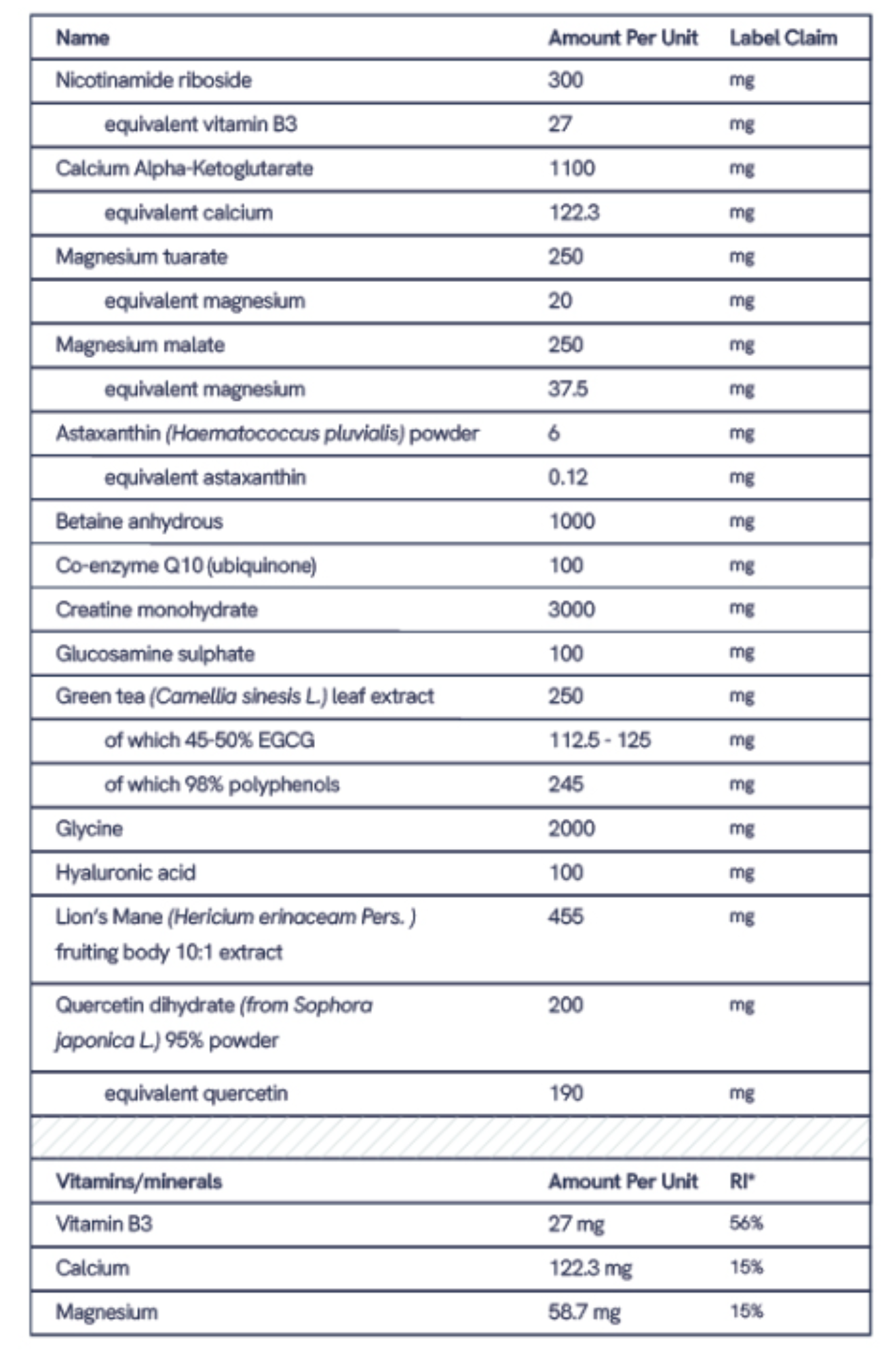
When considering polyphenol supplements, quality markers to evaluate include: standardisation to specific active compounds (for example, EGCG content in green tea extracts), third-party testing for contaminants (including heavy metals and pesticide residues), and transparent labelling of polyphenol content per serving.
A food-first approach is supported by the weight of evidence. A polyphenol-rich dietary pattern, including regular intake of green tea, berries, extra virgin olive oil, colourful vegetables, and modest amounts of dark chocolate, provides a broad spectrum of polyphenol subclasses along with other beneficial nutrients.
Questions and Answers
What are polyphenols?
Polyphenols are a group of over 8,000 naturally occurring plant compounds with antioxidant properties. They are classified into four main groups: flavonoids, phenolic acids, stilbenes, and lignans. Common dietary sources include green tea, berries, olive oil, dark chocolate, coffee, and onions.
Do polyphenols slow ageing?
Large cohort studies associate higher dietary polyphenol intake with lower all-cause mortality risk. A 2024 meta-analysis of 178,657 adults found a 7% lower risk at higher intakes.1 However, these are observational associations. The mechanisms are still being investigated, and no EFSA-approved health claims exist for polyphenols and ageing.
Are polyphenol supplements better than food?
The strongest evidence for health benefits comes from dietary patterns rich in polyphenol-containing foods, not from isolated supplements. The food matrix influences absorption and metabolism. Supplements may be relevant for specific compounds with low food bioavailability (such as curcumin), but a food-first approach is generally recommended.
Can polyphenols protect skin from sun damage?
A systematic review found that oral green tea catechins were associated with reduced UV-induced skin erythema at low-intensity exposure levels.3 However, the evidence is mixed, sample sizes are small, and oral supplementation should complement, not replace, topical sun protection.7
What is the best dietary source of polyphenols?
No single food is superior. A varied diet including green tea, berries (blueberries, blackcurrants), extra virgin olive oil, dark chocolate, coffee, onions, apples, and colourful vegetables provides a broad range of polyphenol subclasses. Coffee and tea are typically the largest contributors in Western diets.
Which polyphenols have the most human evidence?
EGCG from green tea has the broadest base of human evidence, particularly for skin-related outcomes. Resveratrol and curcumin have been widely studied but are limited by poor bioavailability. Anthocyanins from berries have strong observational support but fewer supplementation RCTs.
Does vitamin C play a role in skin protection?
Yes. Vitamin C contributes to normal collagen formation for the normal function of skin, and contributes to protection of cells from oxidative stress (EFSA-approved claims). These are well-established, approved claims distinct from the emerging research on polyphenol compounds.
Are there any EFSA-approved claims for polyphenols?
No EFSA-approved health claims exist for polyphenol compounds such as EGCG, resveratrol, quercetin, or anthocyanins. The relevant approved claims in this area apply to vitamin C, zinc, and selenium for protection of cells from oxidative stress, and to vitamin C for normal collagen formation.
Frequently Asked Questions
What is the difference between antioxidants and polyphenols?
Polyphenols are a specific class of plant compounds, many of which have antioxidant properties. "Antioxidant" is a broader functional description that applies to various substances, including vitamins (C and E), minerals (zinc, selenium), and plant compounds (polyphenols, carotenoids). Not all antioxidants are polyphenols, and polyphenols may also act through non-antioxidant mechanisms such as modulation of gene expression.
How much polyphenol should I consume daily?
There is no established recommended daily intake for total polyphenols. Typical Western diets provide 500-1,000 mg per day. The cohort studies showing favourable mortality associations generally compare higher versus lower dietary intakes rather than defining a specific threshold.1
Can polyphenols replace sunscreen?
No. While some human research suggests that oral polyphenol supplementation may provide modest complementary photoprotection, the effect sizes are small compared to topical sunscreen.7 Dietary polyphenols should be considered an additional layer of support, never a replacement for established sun protection measures.
Are polyphenol supplements safe?
Polyphenols consumed as part of a normal diet are considered safe. High-dose isolated supplements may carry different risk profiles. For example, high-dose green tea extracts have been associated with rare cases of liver concerns, particularly in fasted states. Quality, dosage, and individual circumstances should be evaluated, ideally in consultation with a healthcare professional.
Do polyphenols improve skin elasticity?
One RCT found that oral green tea catechins protected dermal elastic fibres from UV-induced degradation over 12 weeks.5 However, this was a secondary outcome in a small study. The evidence is not yet sufficient to make a general claim about polyphenols and skin elasticity.
Does cooking destroy polyphenols?
Some polyphenols are heat-sensitive and can be partially degraded by cooking, particularly prolonged boiling. However, cooking can also increase the release and accessibility of certain polyphenols from the food matrix. Steaming and short cooking times tend to preserve polyphenol content better than prolonged high-temperature methods.
References
- Zupo R, Castellana F, Lisco G, et al. Dietary Intake of Polyphenols and All-Cause Mortality: A Systematic Review with Meta-Analysis. Metabolites. 2024;14(8):404. View on PubMed ↗
- Tresserra-Rimbau A, Rimm EB, Medina-Remon A, et al. Polyphenol intake and mortality risk: a re-analysis of the PREDIMED trial. BMC Med. 2014;12:77. View on PubMed ↗
- Kapoor MP, Sugita M, Fukuzawa Y, et al. Green Tea Catechin Association with Ultraviolet Radiation-Induced Erythema: A Systematic Review and Meta-Analysis. Molecules. 2021;26(12):3702. View on PubMed ↗
- Taguchi C, Kishimoto Y, Fukushima Y, et al. Dietary intake of total polyphenols and the risk of all-cause and specific-cause mortality in Japanese adults: the Takayama study. Eur J Nutr. 2020;59(3):1267-1278. View on PubMed ↗
- Charoenchon N, Rhodes LE, Nicolaou A, et al. Ultraviolet radiation-induced degradation of dermal extracellular matrix and protection by green tea catechins: a randomized controlled trial. Clin Exp Dermatol. 2022;47(7):1314-1323. View on PubMed ↗
- Farrar MD, Nicolaou A, Clarke KA, et al. A randomized controlled trial of green tea catechins in protection against ultraviolet radiation-induced cutaneous inflammation. Am J Clin Nutr. 2015;102(3):608-615. View on PubMed ↗
- Natarelli N, Aflatooni S, Stankiewicz K, et al. Oral Supplements and Photoprotection: A Systematic Review. J Med Food. 2025;28(6):519-541. View on PubMed ↗
- Zamora-Ros R, Rothwell JA, Scalbert A, et al. Dietary intakes and food sources of phenolic acids in the European Prospective Investigation into Cancer and Nutrition (EPIC) study. Br J Nutr. 2013;110(8):1500-1511. View on PubMed ↗
Disclaimer: Educational content only. Not medical advice. Supplements are not intended to diagnose, treat, cure, or prevent any disease. Consult a qualified healthcare professional if you have a medical condition or take medication.