This 7-day meal plan builds every meal on protein, fibre and slow-digesting carbohydrate, with fruit or vegetables at each meal, planned snacks, and water throughout. It avoids long gaps and sugary pick-me-ups, which are linked with more fatigue. It is a template for healthy adults. It is not a weight-loss or medical diet. If you follow a diet set by your GP or dietitian, use theirs.
Key Takeaways
- The plan avoids sugary snacks, which a meta-analysis linked with more fatigue and less alertness within the first hour.1
- Meals are built around a protein food, aiming for 20 to 40 g each, the dose that sports nutrition guidance for exercising people describes.2
- Breakfasts use slow-release carbohydrate, which gave better attention later in the morning than white bread in a crossover trial.3
- Lunches are moderate, because a high-carbohydrate lunch can deepen the afternoon dip.4
- Two extra daily servings of fruit and vegetables raised reported vitality in young adults who ate little of them, in a 14-day randomised trial.5
- Water at every meal: losing about 1.4% of body mass as fluid lowered vigour and raised fatigue.6
- If you are still tired after two to four weeks, see your GP; a meal plan does not replace a blood test.
Advice on eating for energy is easy to agree with and harder to put on a plate on a Tuesday night. This plan does the planning for you: seven days of breakfasts, lunches, snacks and dinners, with a shopping list and simple swaps. It follows the evidence summarised in our food pillar on diet and low energy (part of this series). It is designed for healthy adults. It is not a weight-loss diet and not a medical diet. If your GP or a dietitian has given you a diet for a medical reason, follow theirs, and use this only for ideas that fit within it.
What principles is the plan built on?
Six principles, each based on human research, shape every day of the plan.
- No long gaps. Three meals and one or two planned snacks. In adults, eating after an overnight fast helped memory compared with fasting.7
- Protein at every meal. About 20 to 40 g per meal, spread every three to four hours, is the pattern that sports nutrition guidance for exercising people describes, and whole foods can provide it.2
- Slow carbohydrate. The plan uses oats, whole-grain bread, legumes and brown rice. The international glycaemic index tables found that legumes and fruits were usually low glycaemic index foods, while breads and cereals varied widely.8 A slow-release breakfast gave better attention 75 to 225 minutes later than a fast-release one.3 Oatmeal kept people fuller for longer than a sugary cereal with the same calories, in a study funded by a company that sells oats.9
- No sugary pick-me-ups. Carbohydrate on its own did not lift mood and was linked with more fatigue within the hour.1 Snacks pair fruit with protein or nuts.
- Moderate lunches. The afternoon dip is partly biological, and a high-carbohydrate lunch can deepen it.4
- Fruit, vegetables and fluid every day. Two extra daily servings of fruit and vegetables raised vitality in young adults.5 Mild fluid loss lowered vigour.6 Our beginner's guide to gut health explains how fibre from these foods fits in.
What does the 7-day plan look like?
Portions are for an average adult; eat to appetite and adjust as described below. Drink water with every meal, and have tea or coffee before midday if you drink them.
| Day | Breakfast | Lunch | Snack | Dinner |
|---|---|---|---|---|
| Monday | Greek yogurt with oats, a sliced kiwifruit and a spoon of almonds | Lentil and vegetable soup, whole-grain bread, a slice of cheese | An apple and a small handful of walnuts | Baked salmon, new potatoes, broccoli and peas |
| Tuesday | Two eggs on whole-grain toast with tomatoes | Leftover salmon (or canned tuna) with chickpeas, leaves and olive oil dressing | Greek yogurt with berries | Chicken and pepper stir-fry with brown rice |
| Wednesday | Overnight oats with milk, Greek yogurt, chia seeds and blueberries | Whole-grain wrap with hummus, leftover chicken, grated carrot and spinach | An orange and a spoon of pumpkin seeds | Kidney bean and vegetable chilli with rice and a spoon of yogurt |
| Thursday | Cottage cheese on whole-grain toast with a sliced pear | Leftover chilli with a green salad | A banana with a spoon of peanut butter | Baked white fish, roasted vegetables and quinoa |
| Friday | Smoothie: milk, Greek yogurt, oats, a banana and a spoon of nut butter | Tuna, white bean and tomato salad with whole-grain crackers | Hummus with carrot and cucumber sticks | Whole-wheat pasta with tomato sauce, lentils, spinach and grated cheese |
| Saturday | Vegetable omelette with whole-grain toast | Grain bowl: brown rice, roasted vegetables, chickpeas and feta | Strawberries and a small handful of almonds | Chicken or tofu curry with vegetables and rice |
| Sunday | Porridge with grated apple, cinnamon, yogurt and walnuts | Roast chicken with potatoes, carrots and green beans | Cheese with an apple or grapes | Sardines on whole-grain toast with a tomato and cucumber salad |
Why this week works
- Iron: lentils (Monday, Friday), beans and chickpeas (Tuesday, Wednesday, Friday, Saturday), sardines (Sunday), eggs and leafy greens, paired with vitamin C from peppers, tomatoes and fruit. Vitamin C increases iron absorption.
- Vitamin B12: fish on five days (salmon, tuna, white fish, sardines), eggs, dairy and chicken. Vitamin B12 contributes to the reduction of tiredness and fatigue.
- Magnesium: oats, nuts, seeds, legumes and whole grains every day. Magnesium contributes to a reduction of tiredness and fatigue.
- Vitamin C: kiwifruit, oranges, strawberries, peppers and tomatoes. Vitamin C contributes to the reduction of tiredness and fatigue.
- Folate: lentils, chickpeas, beans, spinach and leaves. Folate contributes to the reduction of tiredness and fatigue.
A review of vitamins and minerals for energy and fatigue links inadequate status of nutrients such as these with mental and physical fatigue.10 Most of the authors of that review work for a consumer health company. A varied week like this one is designed to cover them from food.
What does one day look like from morning to evening?
Here is Monday as a timeline, to show how the pieces fit around a working day. The exact times matter less than the spacing. As a practical suggestion, avoid very long gaps between meals while you are awake.
| Time | What | Why |
|---|---|---|
| 07:30 | Greek yogurt with oats, kiwifruit and almonds; water; coffee or tea if you drink it | Protein, slow carbohydrate and vitamin C after the overnight fast3 |
| 10:30 | A glass of water | Keeps fluid topped up before lunch6 |
| 12:30 | Lentil soup, whole-grain bread, cheese | A moderate lunch with protein and fibre4 |
| 13:00 | A 10-minute walk | A simple habit to try after lunch |
| 15:30 | An apple and a small handful of walnuts | A planned snack instead of a sweet one1 |
| 18:30 | Salmon, new potatoes, broccoli and peas | Protein, B12 and vegetables; leftovers for Tuesday |
| 21:30 | Wind down; no caffeine since the morning | Protects sleep, which shapes tomorrow's energy |
How do you shop and prepare for the week?
Cooking once and eating twice is what makes a plan like this realistic. Monday's salmon becomes Tuesday's lunch, Tuesday's chicken goes into Wednesday's wrap, and Wednesday's chilli covers Thursday's lunch. On Sunday, cook a pot of brown rice or quinoa and a tray of roasted vegetables to use through the week. Our article on longevity support on a budget has more ways to keep costs down.
Shopping list
- Protein: eggs (about 8), Greek yogurt (1 kg), cottage cheese, a block of cheese, feta, salmon fillets, white fish, a tin of tuna, a tin of sardines, chicken (breasts or a small whole chicken), tofu (optional).
- Legumes: dried or canned lentils, chickpeas, kidney beans, white beans, hummus.
- Grains and starch: rolled oats, whole-grain bread, whole-grain wraps, whole-grain crackers, brown rice, quinoa, whole-wheat pasta, new potatoes.
- Fruit: kiwifruit, apples, a pear, oranges, bananas, berries (fresh or frozen), strawberries, grapes.
- Vegetables: tomatoes, peppers, broccoli, peas (frozen), spinach, salad leaves, carrots, cucumber, green beans, onions, garlic, vegetables for roasting.
- Nuts and seeds: almonds, walnuts, pumpkin seeds, chia seeds, peanut or other nut butter (100% nuts).
- Store cupboard: olive oil, tinned tomatoes, curry paste or spices, cinnamon, milk or a fortified plant drink.

How do you adjust the plan to suit you?
Vegetarian or vegan
Swap fish and chicken for tofu, tempeh, beans, lentils or eggs, and use a fortified plant drink in place of milk. Low intake of animal foods is the main cause of low vitamin B12 in younger adults, so people who eat none need fortified foods or a supplement.11 Pair plant iron with vitamin C at the same meal.
If you train most days
Add carbohydrate on harder days: a larger portion of rice, pasta or potatoes, an extra slice of bread, or fruit and yogurt before and after training. Keep the protein at each meal.2 Our article on foods for stamina (part of this series) explains how much.
If you are over 60
If your appetite is smaller than it used to be, smaller meals with two snacks may suit you better. Keep protein high at every meal, and include foods with vitamin B12, because less is released from food in later life.11 Our article on energy foods for older adults (part of this series) covers this in more depth.
If you follow a medical diet
If your GP, specialist or dietitian has advised you to limit or adjust protein, fibre, salt, potassium, fluid or anything else, their advice comes first. Use this plan only for ideas that fit within it, and ask before making changes.
If you have a smaller or larger appetite
The plan does not set calorie targets. Eat until comfortably full, keep the pattern of protein, slow carbohydrate and vegetables, and adjust portion sizes rather than skipping meals. If you are hungry between meals, add a planned snack rather than reaching for something sweet.1
What else does the plan assume?
Food is one part of energy. The plan works best alongside regular sleep, daily movement and caffeine kept to the morning. Our article on deep sleep and REM covers sleep in detail. A 10-minute walk after lunch is a simple addition to every day of the plan.
Where does a supplement fit in the plan?
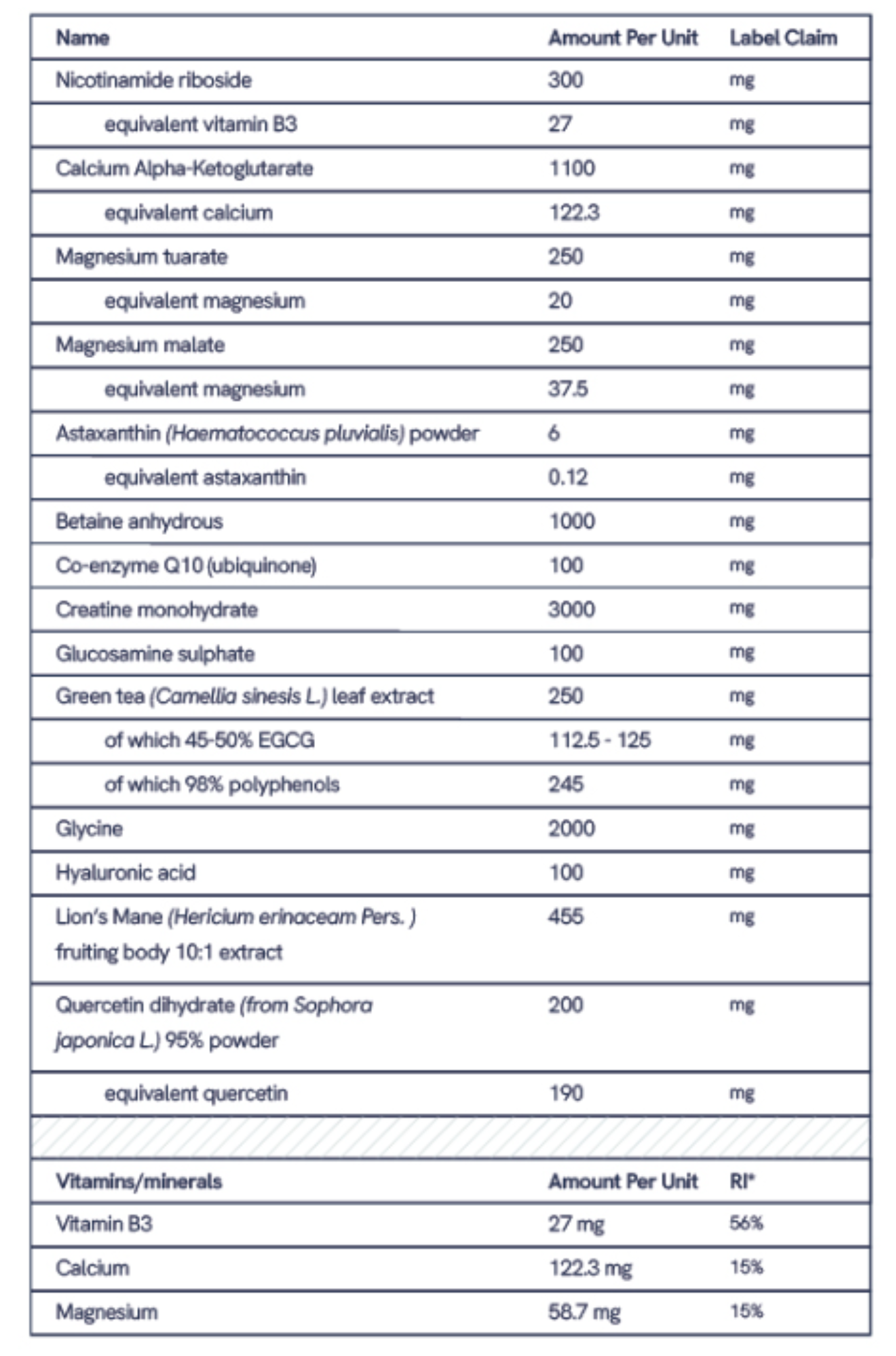
This plan is designed to cover your needs from food, and a supplement is there for the gaps. A supplement can help when your diet is narrower than this for a while, for example if you avoid animal foods, have a small appetite, or travel a lot.10 For transparency, our own daily formula, Longevity One, contains magnesium (as malate, 150 mg, 40% NRV), vitamin C (100 mg), vitamin B6, folate, vitamin B12 (2.5 mcg, 100% NRV) and niacin, among other nutrients. Magnesium contributes to a reduction of tiredness and fatigue. Vitamin C, vitamin B6, folate, vitamin B12 and niacin contribute to the reduction of tiredness and fatigue. It is taken once a day, preferably in the morning or with a meal that includes some fat, and can be mixed into the Friday smoothie or a bowl of yogurt. It contains no iron and no caffeine source, and it is independently tested by Eurofins and NZVT certified.
When should you see your GP?
Give the plan two to four weeks. If you are still tired most days, or if tiredness is severe, new, or comes with symptoms such as breathlessness, weight change or low mood, see your GP. A blood test can check iron stores, vitamin B12, folate and other markers. If a test shows low iron stores, your GP can advise on what to do. Testing first means you only change what needs changing.
Q&A: The 7-Day Energy Meal Plan
What is the best meal plan for energy?
There is no single best plan, but the evidence points to a pattern: regular meals, protein at each one, slow carbohydrate, fruit and vegetables daily, and few sugary snacks.2,1 This plan follows that pattern for seven days. Adjust it to your appetite and routine.
Is this a weight-loss plan?
No. It sets no calorie targets and is not designed for weight change. It is a pattern for steadier energy, built on findings about meal timing, composition and fluid.7,6
How quickly will I feel more energetic?
Fluid shortfall affected vigour and fatigue on the same day in a controlled study.6 Changes linked with nutrient status take longer: they take weeks rather than days. Give the plan two to four weeks.
Can I follow the plan if I am vegetarian?
Yes. Swap fish and meat for tofu, eggs, beans and lentils. Plan a source of vitamin B12, such as dairy, eggs or fortified foods, because low intake of animal foods is the main cause of low B12 in younger adults.11
Why are there snacks in the plan?
Planned snacks avoid long gaps and stop a sugary pick-me-up later. Sweet snacks on their own are linked with more fatigue within the hour.1 Each snack pairs fruit or vegetables with protein or nuts.
Why is lunch kept moderate?
The afternoon dip is partly linked to the body clock, and a high-carbohydrate lunch can deepen it.4 A balanced, moderate lunch and a short walk work better.
How much protein does the plan provide?
Main meals are built around a protein food to give roughly 20 to 40 g each, spread across the day, which is the pattern sports nutrition guidance describes.2 Some breakfasts come in lower, so add yogurt or an egg if you want more. Snacks add a little extra.
Can I swap meals between days?
Yes. The days are interchangeable, as long as each meal keeps a protein food, a slow carbohydrate and a fruit or vegetable. Batch-cooked meals are planned to cover the next day's lunch. Keep a protein food at each meal, in line with the 20 to 40 g doses sports nutrition guidance describes.2
Is breakfast essential in this plan?
Not essential, but helpful for many people. In adults, eating after an overnight fast helped memory compared with fasting.7 If you prefer to eat later, keep the same pattern for your first meal.
Does the plan include enough fluid?
It builds in a drink at every meal and snack. Losing about 1.4% of body mass as fluid lowered vigour and raised fatigue in healthy young women.6 Drink more in heat and around exercise.
Frequently Asked Questions
Can I follow this plan if I take medication?
The label of Longevity One advises consulting your doctor if you use medication. Ask your GP or pharmacist and bring the label. If you follow a medical diet, your GP or dietitian's advice comes first.
What does Longevity One taste like?
It has a mango and pineapple flavour. Mix one scoop in 250 to 500 ml of water, or stir it into a smoothie or yogurt if you prefer.
Can I print or share the plan?
Yes, the 7-day table and shopping list are designed to be printed or saved. The principles behind them are summarised at the top of the article.1,2
What if I do not like fish?
Use chicken, eggs, tofu or legumes instead, and include dairy or fortified foods for vitamin B12.11 Oily fish is one of the few foods with much vitamin D: 120 g of raw farmed salmon has about 13 mcg, according to USDA FoodData Central. Without fish, ask your GP or pharmacist about vitamin D in winter.
Will this plan work for the whole family?
The meals suit most adults and older children. Young children need smaller portions and may need different advice, so check with your GP or health visitor. The principles of regular meals and fewer sugary snacks apply to everyone.1
References
- Mantantzis K, Schlaghecken F, Sünram-Lea SI, Maylor EA. Sugar rush or sugar crash? A meta-analysis of carbohydrate effects on mood. Neurosci Biobehav Rev. 2019;101:45-67. View on PubMed ↗
- Jäger R, Kerksick CM, Campbell BI, Cribb PJ, Wells SD, Skwiat TM, et al. International Society of Sports Nutrition position stand: protein and exercise. J Int Soc Sports Nutr. 2017;14:20. View on PubMed ↗
- Nilsson A, Radeborg K, Björck I. Effects on cognitive performance of modulating the postprandial blood glucose profile at breakfast. Eur J Clin Nutr. 2012;66(9):1039-1043. View on PubMed ↗
- Monk TH. The post-lunch dip in performance. Clin Sports Med. 2005;24(2):e15-e23. View on PubMed ↗
- Conner TS, Brookie KL, Carr AC, Mainvil LA, Vissers MC. Let them eat fruit! The effect of fruit and vegetable consumption on psychological well-being in young adults: a randomized controlled trial. PLoS One. 2017;12(2):e0171206. View on PubMed ↗
- Armstrong LE, Ganio MS, Casa DJ, Lee EC, McDermott BP, Klau JF, et al. Mild dehydration affects mood in healthy young women. J Nutr. 2012;142(2):382-388. View on PubMed ↗
- Galioto R, Spitznagel MB. The effects of breakfast and breakfast composition on cognition in adults. Adv Nutr. 2016;7(3):576S-589S. View on PubMed ↗
- Atkinson FS, Brand-Miller JC, Foster-Powell K, Buyken AE, Goletzke J. International tables of glycemic index and glycemic load values 2021: a systematic review. Am J Clin Nutr. 2021;114(5):1625-1632. View on PubMed ↗
- Rebello CJ, Johnson WD, Martin CK, Xie W, O'Shea M, Kurilich A, et al. Acute effect of oatmeal on subjective measures of appetite and satiety compared to a ready-to-eat breakfast cereal: a randomized crossover trial. J Am Coll Nutr. 2013;32(4):272-279. View on PubMed ↗
- Tardy AL, Pouteau E, Marquez D, Yilmaz C, Scholey A. Vitamins and minerals for energy, fatigue and cognition: a narrative review of the biochemical and clinical evidence. Nutrients. 2020;12(1):228. View on PubMed ↗
- Allen LH. How common is vitamin B-12 deficiency? Am J Clin Nutr. 2009;89(2):693S-696S. View on PubMed ↗
Disclaimer: Educational content only. Not medical advice. Food supplements should not be used as a substitute for a varied, balanced diet and a healthy lifestyle. If you use medication, consult your doctor.