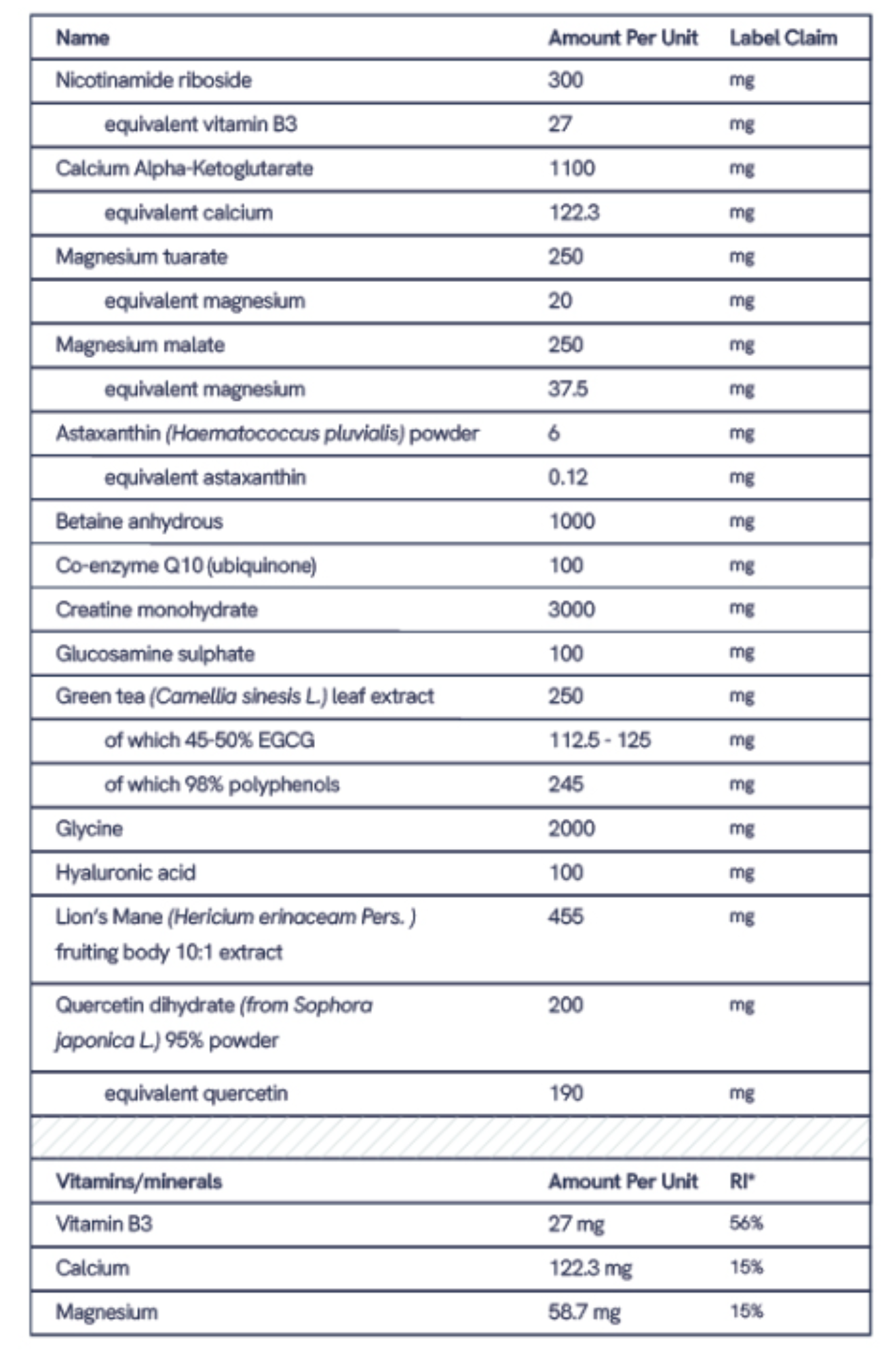
Deep sleep (slow-wave sleep) is the most physically restorative stage, occurring mainly in the first half of the night, during which the body releases growth hormone and the brain initiates waste clearance. REM sleep dominates the second half and is closely linked to memory consolidation and emotional regulation. Adults typically need 1-2 hours of deep sleep nightly. Exercise, consistent sleep timing, a cool bedroom, and limiting alcohol are the most evidence-supported approaches for improving both stages.
Key Takeaways
- Human sleep cycles through NREM stages (N1, N2, and N3/deep sleep) and REM sleep approximately 4-6 times each night, with each full cycle lasting around 90 minutes.1
- Deep sleep (N3/slow-wave sleep) is concentrated in the first half of the night and is associated with physical recovery and growth hormone secretion; its proportion tends to decline significantly with age.1
- REM sleep predominates in the second half of the night and plays a central role in memory consolidation and emotional processing; alcohol consumption has been shown to delay and reduce REM sleep in a dose-dependent manner.4
- Emerging research, largely preclinical, suggests that slow-wave sleep may support a brain waste-clearance network called the glymphatic system; human data is accumulating but currently limited.2,3
- Regular aerobic exercise has been shown in human studies to increase slow-wave sleep quality and stability.6
- Magnesium supplementation shows promising but limited evidence for sleep quality improvement; current data is based primarily on older adults and is characterised as low to very low certainty.7
- Consumer wearables estimate sleep stages indirectly through heart rate variability, movement, and skin temperature; they are useful for identifying trends but should not be treated as equivalent to clinical polysomnography.
Chapter 1: Sleep Architecture -- What Actually Happens Each Night
Human sleep is not a single uniform state. It is an active, structured biological process composed of alternating phases, each serving distinct physiological functions. Understanding this architecture is the foundation for improving specific stages, because not all interventions affect all stages equally.
According to current classification, sleep is divided into two primary phases: non-rapid eye movement (NREM) sleep and rapid eye movement (REM) sleep. NREM sleep is further subdivided into three stages, referred to as N1, N2, and N3.1
NREM Stage N1: The Transition
N1 is the lightest stage of sleep, representing the transition from wakefulness. Brain activity slows, muscle tone decreases, and the eyes move slowly. This stage typically lasts only a few minutes. It is easily disrupted, and individuals awakened from N1 may not perceive that they were sleeping at all.
NREM Stage N2: The Dominant Stage
N2 constitutes the largest proportion of total sleep time in healthy adults, typically accounting for 45-55% of the night. It is characterised by the appearance of sleep spindles (brief bursts of oscillatory neural activity) and K-complexes (large, slow waveforms). N2 is considered a transition between light and deep sleep, and researchers associate it with various memory and motor learning processes.
NREM Stage N3: Deep Sleep (Slow-Wave Sleep)
N3 is commonly referred to as deep sleep or slow-wave sleep (SWS). It is defined by the presence of delta waves -- high-amplitude, low-frequency (0.5-4 Hz) oscillations that indicate highly synchronised neural activity. During N3, heart rate and respiratory rate reach their lowest values of the night. Growth hormone is released in pulses primarily during this stage. N3 is the hardest sleep to interrupt; people awakened from deep sleep often experience sleep inertia, a period of grogginess and impaired performance.1
Deep sleep is concentrated in the first two sleep cycles of the night, which means the majority occurs in the first three to four hours of sleep. Adults typically spend 15-20% of total sleep time in N3, equating to roughly 70-90 minutes per night, though this varies considerably by age and individual physiology.
REM Sleep: The Active, Dreaming Stage
REM sleep is physiologically distinctive. Brain activity increases to near-waking levels, voluntary muscle tone is actively suppressed (a state called atonia), and the eyes move rapidly beneath closed lids. Dreaming predominantly occurs during REM. Researchers associate REM sleep with procedural memory consolidation, emotional memory processing, and creative problem-solving. REM episodes are short at the beginning of the night (5-10 minutes) and progressively lengthen, with the final REM period in an 8-hour sleep window lasting up to 45-60 minutes.1 Adults typically spend 18-25% of total sleep time in REM.
The Sleep Cycle and Age-Related Changes
A complete sleep cycle, moving from N1 through N3 and into REM, lasts approximately 90 minutes and repeats 4-6 times per night. As the night progresses, the balance shifts: deep sleep dominates early cycles, REM sleep dominates later cycles. This is why cutting sleep short by even one or two hours disproportionately reduces REM sleep, while sleeping too late disrupts slow-wave sleep less but shortens it relative to total time.
Age is among the strongest determinants of deep sleep quantity. Research indicates that slow-wave sleep declines substantially from young adulthood onward, with individuals in their sixties and seventies obtaining significantly less deep sleep per night than young adults, even when total sleep duration remains similar.
Chapter 2: The Glymphatic System -- Your Brain's Overnight Maintenance Network
One of the most discussed recent areas of sleep science concerns a network within the brain called the glymphatic system. Understanding what the current evidence does -- and does not -- show is important for anyone researching sleep and long-term brain health.
What the Glymphatic System Is
The glymphatic system is a perivascular network in the brain that uses cerebrospinal fluid (CSF) to circulate through and around brain tissue. CSF flows along the spaces surrounding arteries, enters brain tissue, exchanges with interstitial fluid (ISF), and exits via venous pathways. This convective movement is thought to transport nutrients into the brain and carry metabolic waste products, including proteins implicated in neurodegenerative disease research, out of the brain and toward the peripheral lymphatic system.
What the Evidence Currently Shows
The foundational research on glymphatic function was conducted in animal models and demonstrated that glymphatic fluid exchange is substantially more active during sleep than during wakefulness, with clearance rates reported to be approximately twice as high in sleeping versus awake conditions. This preclinical work generated significant scientific interest because it offered a potential mechanism linking sleep quality to long-term brain health outcomes.
In humans, the evidence is more limited. A systematic review of studies examining CSF circulation and glymphatic exchange across various populations concluded that meaningful human data is accumulating but that variability in measurement methods and populations makes firm conclusions difficult.2 Emerging human imaging studies have observed that CSF pulsatility and flow are linked to NREM sleep stages, particularly slow-wave sleep, supporting the hypothesis that deep sleep may play a functional role in glymphatic activity. However, researchers have also noted ongoing controversies about the precise mechanisms involved.
A narrative review linking glymphatic clearance to lifestyle factors concluded that the vast majority of waste clearance occurs during sleep, that sleep disruption reduces glymphatic exchange, and that lifestyle factors such as exercise, sleep position, and alcohol intake appear to influence glymphatic function.3 It is important to note that many of the supporting mechanistic studies were conducted in animal models, and direct human translation remains an active area of investigation.
Why It Is Relevant to Sleep Optimisation
Even without complete mechanistic certainty, the glymphatic hypothesis has added a scientifically grounded rationale for prioritising sleep quality -- particularly deep sleep -- beyond the well-established benefits of cognitive function, immune regulation, and physical recovery. The research is at an early but serious stage, and it represents one of the reasons sleep has become a significant focus within longevity science.
Chapter 3: What Reduces Deep Sleep and REM -- The Evidence-Based Culprits
Multiple modifiable factors are known to disrupt sleep architecture in ways that reduce the quality or quantity of deep sleep and REM sleep. Understanding these mechanisms helps explain why behavioural and environmental interventions are often more effective than supplementation alone.
Alcohol
Alcohol is one of the most widely studied disruptors of sleep architecture. A 2024 systematic review and meta-analysis of 27 human studies found that alcohol has a dose-dependent effect on sleep: even a low dose (approximately two standard drinks) significantly delayed REM sleep onset and reduced total REM sleep duration across the night. Disruption to REM sleep worsened progressively with higher alcohol doses.4
A widely cited earlier review noted that while alcohol in the first half of the night is associated with increased slow-wave sleep in some conditions, the second half of the night typically shows a rebound effect with increased wake time, reduced sleep efficiency, and suppressed REM sleep overall.5 This means the apparent sedative effect of alcohol does not translate into restorative sleep. The net outcome of regular pre-sleep alcohol use is a systematic reduction in REM sleep -- the stage most associated with memory consolidation and emotional regulation.
Caffeine and Stimulants
Caffeine is a well-characterised adenosine receptor antagonist. Because slow-wave sleep is partly driven by accumulated adenosine (the brain's sleep pressure signal), blocking adenosine receptors reduces the depth and quality of deep sleep. Studies measuring polysomnographic sleep after caffeine consumption demonstrate reduced slow-wave activity even when caffeine is consumed six hours before bedtime. Sensitivity to caffeine varies substantially between individuals based on CYP1A2 enzyme metabolism, but the general principle of a long half-life (5-7 hours on average) is consistent across the literature.
Irregular Sleep Timing and Circadian Disruption
The timing of sleep relative to the circadian clock affects which stages predominate. Deep sleep is partly regulated by homeostatic sleep pressure (accumulated across wakefulness) and is relatively circadian-independent, meaning it rebuilds reliably in the first cycles regardless of when sleep occurs. REM sleep, however, is strongly circadian -- it predominates in the early morning hours aligned with the rising phase of the core body temperature rhythm. Going to bed late, waking early, or shifting sleep timing irregularly can truncate REM selectively, even when total hours appear adequate.
Bedroom Temperature
Core body temperature must decline by approximately 1-2 degrees Celsius to initiate and maintain sleep. Thermoregulation during sleep is closely linked to sleep staging: warm environments impair sleep quality, reduce slow-wave sleep, and increase wakefulness. Research supports a bedroom temperature range of approximately 16-20 degrees Celsius as broadly optimal for sleep quality in healthy adults, though individual preferences vary. Overheating is a particularly common and underestimated cause of fragmented sleep and reduced deep sleep proportion.
Stress and Elevated Cortisol
Elevated cortisol, associated with psychological stress, activates the sympathetic nervous system and interferes with the parasympathetic dominance required for deep sleep. Chronic psychological stress is consistently associated with reduced slow-wave sleep in research populations. Cortisol follows a circadian rhythm (lowest in early sleep, rising sharply in the final hours before waking), and disrupting this pattern through poor sleep timing compounds the interference.
Chapter 4: How to Increase Deep Sleep and Improve REM -- Evidence-Based Methods
The most effective interventions for improving sleep architecture are behavioural and environmental. They address the underlying biological mechanisms rather than bypassing them. Supplementation can play a supporting role but is not a substitute for foundational sleep hygiene practices.
Exercise
Physical exercise is the most consistently supported modifiable lifestyle factor for improving slow-wave sleep. A 2021 human study using polysomnography examined the effect of moderate-intensity aerobic exercise on slow-wave sleep quality and found that exercise increased slow-wave stability -- a measure of the consistency and depth of slow-wave sleep episodes -- in healthy adults.6 The mechanism is thought to involve exercise-driven increases in adenosine accumulation, temperature fluctuations that deepen the subsequent cooling response, and effects on growth hormone secretion rhythms.
The timing of exercise relative to sleep matters. Moderate-intensity exercise earlier in the day or in the early evening appears to be well-tolerated and is associated with improved sleep quality. Very high-intensity exercise performed close to bedtime may delay sleep onset in some individuals, though evidence on this is mixed and population-dependent.
Consistent Sleep Timing
Maintaining a consistent sleep and wake time is one of the most straightforward evidence-supported approaches to preserving sleep architecture. Regularity anchors the circadian rhythm, ensuring that the alignment between homeostatic sleep pressure and circadian timing is optimal when sleep begins. Inconsistent timing -- even on weekends -- can fragment both deep sleep and REM across the week by shifting the phase of the circadian drive.
Bedroom Temperature and Environment
Reducing bedroom temperature to the 16-20 degrees Celsius range before sleep is a practical, zero-cost intervention with research support. Cooling technologies (such as temperature-regulating mattress covers) have become increasingly available and are used by some individuals who find environmental cooling insufficient. Darkness and noise reduction are complementary factors that reduce sleep fragmentation and support uninterrupted cycling through all sleep stages.
Reducing Alcohol Near Bedtime
Given the dose-dependent effects of alcohol on REM sleep documented across multiple meta-analyses, reducing or eliminating alcohol in the hours before sleep is among the most impactful available adjustments for improving sleep architecture. Even a modest reduction in pre-sleep alcohol consumption can meaningfully increase REM sleep proportion.
Magnesium and Sleep: What the Evidence Currently Shows
Magnesium is frequently discussed in the context of sleep, partly because of its role in GABA receptor modulation (GABA is the primary inhibitory neurotransmitter involved in sleep initiation) and partly because dietary magnesium insufficiency is common in many populations.
A 2021 systematic review and meta-analysis of randomised controlled trials found that oral magnesium supplementation in older adults with insomnia was associated with a statistically significant reduction in sleep onset latency of approximately 17 minutes compared to placebo, with a trend toward increased total sleep time that did not reach statistical significance. The reviewers classified the overall quality of evidence as low to very low, noting that all trials carried moderate-to-high risk of bias.7
A broader systematic review of studies examining magnesium intake and sleep quality concluded that higher magnesium intake was associated with better sleep outcomes across cross-sectional and cohort data, but emphasised that RCT evidence remains limited and that more rigorous studies with objective sleep measures are needed.8
In practical terms, magnesium glycinate -- a form with high bioavailability and reduced gastrointestinal side effects compared to magnesium oxide -- is widely used as a sleep support supplement. The evidence base supports its potential utility, particularly in those with inadequate magnesium intake, but it should be viewed as complementary to foundational sleep practices rather than a standalone intervention. Magnesium contributes to normal energy-yielding metabolism and helps reduce tiredness and fatigue, per EFSA-approved health claims.
Chapter 5: Tracking Deep Sleep -- What Your Wearable Is Actually Measuring
Consumer wearable devices have made sleep stage data accessible to millions of people. Understanding what these devices actually measure -- and what they cannot reliably determine -- helps users interpret their data appropriately.
How Consumer Devices Estimate Sleep Stages
Clinical measurement of sleep stages requires polysomnography (PSG): simultaneous recording of brain electrical activity (EEG), eye movements (EOG), and muscle activity (EMG). Consumer wearables do not include EEG sensors. Instead, they estimate sleep stages using a combination of:
- Photoplethysmography (PPG): optical heart rate monitoring that allows calculation of heart rate variability (HRV)
- Accelerometry: movement detection to identify periods of stillness versus waking movement
- Skin temperature sensors (in some devices): peripheral temperature can correlate with sleep stage transitions
- Respiratory rate estimation: derived from PPG signals in some algorithms
Machine learning algorithms combine these signals to classify sleep into estimated stages. The primary limitation is that none of these inputs directly measure brain activity, which is the gold standard for distinguishing between N1, N2, N3, and REM.
Accuracy Considerations
Research comparing consumer wearables against polysomnography has shown that devices including the Oura Ring and Whoop perform reasonably well at detecting total sleep time and distinguishing between sleep and wakefulness. Stage-level accuracy is lower, particularly for distinguishing N2 from N3 (deep sleep), which relies on specific EEG waveform criteria. Performance varies across individuals and is affected by factors including skin tone, movement artefacts, and positioning.
From a practical standpoint, single-night deep sleep readings from consumer wearables carry meaningful uncertainty. Trends across multiple nights, however, can provide useful directional information. If a device consistently reports reduced deep sleep following alcohol consumption or on nights with late bedtimes, that directional signal is more informative than the absolute number on any given night.
How to Use Wearable Sleep Data Productively
The most productive approach to consumer sleep tracking is to use it as a behavioural feedback tool rather than a diagnostic instrument. Tracking trends -- such as how sleep staging changes following exercise or following changes in alcohol habits -- provides useful information even if the absolute numbers are approximate. Avoid over-interpreting single-night readings, particularly for deep sleep percentage, which is the stage most difficult for consumer devices to measure accurately.
Q&A: Deep Sleep and REM Sleep
How much deep sleep should adults get each night?
Most adults obtain between 70 and 90 minutes of deep sleep (N3/slow-wave sleep) per night, representing approximately 15-20% of total sleep time. However, individual variation is significant. Younger adults typically obtain more deep sleep than older adults, as deep sleep declines substantially with age. The focus should be on creating conditions that allow the body to achieve its natural deep sleep quota rather than targeting a specific number.1
Is deep sleep more important than REM sleep?
Both stages serve distinct and important functions. Deep sleep is primarily associated with physical restoration, growth hormone release, immune function, and early memory consolidation. REM sleep is more closely associated with procedural memory, emotional regulation, and later stages of memory consolidation. A full night's sleep provides both. Selectively prioritising one stage at the expense of the other -- for example, by taking sedatives that increase deep sleep but suppress REM -- does not produce a superior outcome.
Does alcohol actually help sleep?
Alcohol has a sedative effect that can shorten the time taken to fall asleep. However, this does not equate to better sleep architecture. A systematic review and meta-analysis found that even two standard drinks reliably delay and reduce REM sleep in a dose-dependent manner.4 The second half of the night typically involves more fragmented sleep and reduced total sleep quality. The short-term sedative benefit of alcohol is outweighed by its disruption to REM sleep and sleep efficiency across the full night.
Can exercise improve deep sleep?
Yes. Regular aerobic exercise has been shown in human polysomnographic studies to increase slow-wave sleep quality, specifically by increasing slow-wave stability.6 The mechanism involves multiple pathways, including increased adenosine accumulation during exercise and enhanced thermoregulatory responses. Consistency matters more than intensity for most adults.
What is the glymphatic system and does it really clean the brain during sleep?
The glymphatic system is a perivascular network that circulates cerebrospinal fluid through brain tissue, removing metabolic waste products. Preclinical research in animal models demonstrated that this clearance activity is significantly more active during sleep than wakefulness. Human imaging research is accumulating to support this hypothesis, and a systematic review found associations between slow-wave sleep and CSF movement in humans.2 However, the specific relationship between human deep sleep and glymphatic function is still being characterised. The research is serious and well-funded, but it remains in an active and evolving phase.
Does magnesium actually improve sleep?
The evidence is promising but limited. A systematic review of RCTs found that magnesium supplementation in older adults with insomnia reduced sleep onset latency by approximately 17 minutes compared to placebo, though total sleep time improvement was not statistically significant. The reviewers rated overall evidence quality as low to very low.7 Magnesium is a reasonable supportive consideration, particularly for individuals with insufficient dietary intake, but it is not a substitute for behavioural sleep optimisation. Magnesium contributes to normal energy-yielding metabolism and helps reduce tiredness and fatigue.
Why does my wearable show different deep sleep percentages than I expect?
Consumer wearables estimate sleep stages from heart rate variability, movement, temperature, and respiratory signals rather than directly measuring brain activity. Deep sleep (N3) is the most difficult stage to detect accurately using these indirect methods, as it is defined by specific EEG waveform criteria that wearables cannot access. Single-night readings carry meaningful uncertainty; using trends across multiple nights is more informative than any individual data point.
Does consistent sleep timing actually matter for sleep architecture?
Yes, and meaningfully so. REM sleep is strongly regulated by the circadian system and peaks in alignment with the morning phase of the body temperature rhythm. Irregular sleep timing -- including social jetlag between weekdays and weekends -- disrupts this alignment. Even when total hours appear adequate, irregular timing can reduce REM sleep proportion by shifting when sleep occurs relative to the circadian drive. Consistency is one of the most cost-free and evidence-supported sleep optimisation practices available.
Frequently Asked Questions
What is slow-wave sleep?
Slow-wave sleep is another name for N3, the deepest stage of non-REM sleep. It is characterised by high-amplitude, low-frequency delta waves in the brain's electrical activity. It is sometimes called deep sleep and represents the most physically restorative stage of the sleep cycle.1
When does deep sleep occur during the night?
Deep sleep is concentrated in the first two to three sleep cycles of the night, meaning it predominantly occurs during the first three to four hours of sleep. Later cycles contain progressively less deep sleep and more REM sleep. This is why going to bed at a consistent, early enough time matters for obtaining adequate deep sleep.
Does deep sleep decrease with age?
Yes. Deep sleep (slow-wave sleep) declines substantially with age from young adulthood onward. Older adults typically obtain considerably less deep sleep per night than younger adults, even with similar total sleep duration. This age-related decline is a normal physiological change, though maintaining consistent sleep behaviours can help preserve sleep quality overall.
Can I increase deep sleep naturally?
Several evidence-based lifestyle approaches are associated with improved deep sleep. Regular aerobic exercise, consistent sleep and wake timing, a cool bedroom environment (approximately 16-20 degrees Celsius), and limiting alcohol before bedtime are the most consistently supported methods in human research.6,4
Does alcohol increase or decrease deep sleep?
The relationship between alcohol and deep sleep is complex. Some studies report a short-term increase in slow-wave sleep in the first half of the night at higher doses. However, the dominant finding across the literature is that alcohol substantially reduces REM sleep in a dose-dependent manner, disrupts sleep architecture in the second half of the night, and reduces overall sleep quality.4,5
What is the difference between deep sleep and REM sleep?
Deep sleep (N3/slow-wave sleep) occurs mainly in the early part of the night and is associated with physical restoration, growth hormone release, and immune function. REM sleep occurs mainly in the later part of the night, involves near-waking brain activity, muscle atonia, and vivid dreaming, and is strongly associated with memory consolidation and emotional regulation. Both are necessary components of healthy sleep architecture.
References
- Patel AK, Reddy V, Shumway KR, Araujo JF. Physiology, Sleep Stages. StatPearls [Internet]. Treasure Island (FL): StatPearls Publishing; 2024. View on PubMed ↗
- Chong PLH, Garic D, Shen MD, Lundgaard I, Schwichtenberg AJ. Sleep, cerebrospinal fluid, and the glymphatic system: A systematic review. Sleep Med Rev. 2022 Feb;61:101572. doi: 10.1016/j.smrv.2021.101572. View on PubMed ↗
- Reddy OC, van der Werf YD. The Sleeping Brain: Harnessing the Power of the Glymphatic System through Lifestyle Choices. Brain Sci. 2020 Nov 17;10(11):868. doi: 10.3390/brainsci10110868. View on PubMed ↗
- Gardiner C, Weakley J, Burke LM, Roach GD, Sargent C, Maniar N, Townshend A, Halson SL. The effect of alcohol on subsequent sleep in healthy adults: A systematic review and meta-analysis. Sleep Med Rev. 2024 Aug;78:101996. doi: 10.1016/j.smrv.2024.101996. View on PubMed ↗
- Ebrahim IO, Shapiro CM, Williams AJ, Fenwick PB. Alcohol and sleep I: effects on normal sleep. Alcohol Clin Exp Res. 2013 Apr;37(4):539-49. doi: 10.1111/acer.12006. View on PubMed ↗
- Park I, Diaz J, Matsumoto S, Iwayama K, Nabekura Y, Ogata H, Kayaba M, Aoyagi A, Yajima K, Satoh M, Tokuyama K, Vogt KE. Exercise improves the quality of slow-wave sleep by increasing slow-wave stability. Sci Rep. 2021 Feb 24;11(1):4410. doi: 10.1038/s41598-021-83817-6. View on PubMed ↗
- Mah J, Pitre T. Oral magnesium supplementation for insomnia in older adults: a Systematic Review and Meta-Analysis. BMC Complement Med Ther. 2021 Apr 17;21(1):125. doi: 10.1186/s12906-021-03297-z. View on PubMed ↗
- Arab A, Rafie N, Amani R, Shirani F. The Role of Magnesium in Sleep Health: a Systematic Review of Available Literature. Biol Trace Elem Res. 2023 Jan;201(1):121-128. doi: 10.1007/s12011-022-03162-1. View on PubMed ↗
Disclaimer: Educational content only. Not medical advice. Supplements are not intended to diagnose, treat, cure, or prevent any disease. Consult a qualified healthcare professional if you have a medical condition or take medication.