Contrast therapy alternates between heat exposure (typically 80–100°C in a sauna) and cold immersion (10–15°C) to create rapid cycles of vasodilation and vasoconstriction. Human studies suggest this approach is associated with benefits for post-exercise muscle recovery and perceived wellbeing. A standard protocol involves 2–3 rounds of 10–15 minutes of heat followed by 2–3 minutes of cold, finishing with cold. Always allow a short rest period between transitions.
Key Takeaways
- Contrast therapy alternates sauna heat (80–100°C) and cold immersion (10–15°C) to drive repeated vascular oscillation, a mechanism that researchers associate with circulatory and recovery-related responses.1
- A 2017 systematic review and meta-analysis examining contrast water therapy in team sport athletes found that contrast water therapy was associated with faster recovery of several physical performance markers compared with passive rest.2
- The Finnish Kuopio cohort study — following 2,315 middle-aged men over a median of 20.7 years — reported that more frequent sauna use was associated with lower rates of fatal cardiovascular events; this was an observational finding, not a causal proof.3
- Cold water immersion research shows mixed results depending on the outcome measured: evidence is stronger for reducing perceived soreness and short-term fatigue than for objective muscle damage markers.4,5
- A standard beginner protocol uses 1–2 rounds of 10 minutes of heat followed by 2–3 minutes of cold, finishing with cold and a 5-minute rest before transitioning.
- Several cardiovascular conditions, pregnancy, and medications that affect temperature regulation are reasons to seek medical advice before starting contrast therapy.
- Home contrast therapy is accessible at multiple price points: a cold shower plus a standard bathtub provides the minimum viable setup; dedicated sauna and plunge tub combinations offer greater control over temperature and timing.
Chapter 1: What Is Contrast Therapy and Why Does It Work?
Contrast therapy is the deliberate alternation of heat exposure and cold immersion in a structured sequence. The practice is also described in the research literature as contrast water therapy (CWT), hot-cold hydrotherapy, or contrast bathing. In its modern wellness form, the heat phase typically involves a Finnish-style sauna at 80–100°C or an infrared sauna at lower temperatures, followed immediately by immersion in cold water at approximately 10–15°C.
The physiological rationale centres on thermoregulation. When the body is exposed to heat, peripheral blood vessels dilate (vasodilation) to dissipate excess warmth. Skin blood flow increases, heart rate rises, and the body initiates cooling mechanisms including sweating. When the body is then immersed in cold water, blood vessels constrict rapidly (vasoconstriction), redirecting blood flow away from the skin and toward the body's core. Switching between these two states in repeated cycles creates what some researchers describe as a "vascular pumping" effect.1
Beyond circulatory effects, both heat and cold independently activate neuroendocrine responses. Sauna bathing is associated with transient increases in noradrenaline and growth hormone, while cold immersion is associated with sympathetic nervous system activation and catecholamine release. Contrast therapy combines both stressors, and the interaction between these responses is one reason researchers have studied the protocol specifically in the context of athletic recovery and cardiovascular function.5
It is important to note that while the mechanistic rationale is well described, the clinical magnitude of benefit depends heavily on the population studied, the outcome measured, and the specific protocol used. Not all studies on contrast therapy show the same effects, and the evidence base continues to evolve.
Chapter 2: The Research on Contrast Therapy in Humans
Contrast Water Therapy and Muscle Recovery
The most thoroughly studied application of contrast therapy in humans is post-exercise recovery. A 2017 systematic review and meta-analysis by Higgins, Greene, and Baker examined the use of cold water immersion and contrast water therapy for recovery in team sport athletes across 23 peer-reviewed studies involving 606 participants. The meta-analysis found that cold water immersion was associated with improved countermovement jump performance and sprint performance at 24 hours post-exercise compared with passive recovery. Contrast water therapy showed a similar trend, though findings were more variable across studies.2
A separate systematic review and meta-analysis published in PLOS One in 2013 examined contrast water therapy specifically in the context of exercise-induced muscle damage. The review found that CWT was associated with reduced perceived muscle soreness at 24 and 48 hours post-exercise, though the effect on objective markers of muscle damage, such as creatine kinase levels, was less consistent.5
Lactate Clearance and Sprint Performance
A human study by Morton in 2007 examined contrast water immersion following intense anaerobic exercise and found that contrast immersion was associated with faster plasma lactate decrease compared with passive rest.6 Hamlin's 2007 study of repeated sprint performance found that contrast temperature water therapy was associated with maintained sprint performance across multiple sessions compared with passive recovery, though the sample size was small and findings should be interpreted with caution.1
Cold Water Immersion as a Component: Broader Evidence
Because most contrast therapy protocols incorporate cold water immersion as a key component, the broader cold water immersion literature is relevant context. A 2022 systematic review with meta-analysis and meta-regression by Moore and colleagues examined cold water immersion versus passive recovery following strenuous exercise across a large body of evidence. The review found that cold water immersion was associated with reduced delayed onset muscle soreness and improved recovery of sprint performance in the short term, though effects on strength recovery were less consistent and dose-response relationships remained unclear.4
Sauna Bathing: The Observational Evidence
While sauna research in the context of contrast therapy is less specific, the broader sauna literature provides context for the heat component. The Finnish Kuopio Ischemic Heart Disease Risk Factor Study — a large prospective cohort of 2,315 middle-aged men followed for a median of 20.7 years — reported that men who used a sauna 4–7 times per week had lower rates of sudden cardiac death, fatal coronary heart disease, and all-cause mortality compared with those using a sauna once per week. These were observational associations and do not establish causation; confounding by lifestyle factors cannot be excluded.3
A subsequent prospective cohort study including both men and women (n=1,688) replicated the inverse association between sauna frequency and cardiovascular mortality and found that adding sauna bathing information to conventional risk factor models improved risk prediction slightly.7
Honest Assessment of the Evidence
It is worth being direct about the limitations of the contrast therapy literature. Most studies are small, involve athletic populations, and assess short-term outcomes. Study protocols vary considerably in temperature, duration, number of rounds, and the interval between heat and cold phases. Outcomes also vary: perceived soreness and fatigue ratings tend to show more consistent improvements than objective biomarkers. The evidence is sufficient to support contrast therapy as a plausible recovery tool, but it does not yet support strong claims about long-term health outcomes when used outside of a fitness context.
Chapter 3: Building Your Contrast Protocol Step by Step
Contrast therapy protocols vary considerably across research and practice settings. The following structure is informed by the range of protocols used in the human research literature and is presented for educational purposes. Individual responses to temperature exposure vary, and people with any medical condition should consult a healthcare professional before beginning.
Core Principles of Protocol Design
Three parameters define any contrast therapy session: temperature, duration per phase, and number of rounds. The general consensus in the applied sports science literature is to start with heat, finish with cold, and maintain a clear temperature differential between phases to maximise the vascular oscillation effect. A rest period of 3–5 minutes between the end of a cold phase and the start of the next heat phase allows the body to begin re-warming before the next cycle.
Beginner Protocol (Rounds: 1–2)
For people who are new to either sauna or cold immersion, beginning with a single round is advisable. A beginner session might consist of 8–10 minutes in a sauna at 70–80°C, followed by a transition to cold water at 12–15°C for 2 minutes, after which the person exits and rests for 5 minutes in a warm environment. Heart rate, breathing, and overall comfort should be monitored throughout. If dizziness, chest discomfort, or extreme shortness of breath occurs, the session should end immediately.
Intermediate Protocol (Rounds: 2–3)
Once the body has adapted to single-round contrast exposure — typically after several weeks of regular practice — the protocol can be extended to 2–3 rounds. Each round consists of 10–15 minutes of heat at 80–90°C followed by 2–3 minutes of cold immersion at 10–15°C, with a 3–5 minute rest between rounds. The session finishes with cold. Total session time including rest periods ranges from approximately 45 to 75 minutes.
Advanced Protocol (Rounds: 3–4)
More experienced practitioners sometimes use 3–4 rounds with higher heat exposure (90–100°C) and colder temperatures (8–12°C) for shorter cold durations (1.5–2 minutes). These protocols are most commonly used in sports recovery settings and are not necessarily more beneficial for general wellness than intermediate versions. Extending session duration beyond four rounds is unlikely to add further benefit and increases the risk of thermal fatigue.
Timing and Weekly Frequency
Research on sauna frequency suggests that 2–4 sessions per week may be an appropriate target for general use, though individual goals and schedules vary. Post-exercise use appears to be the application with the most direct evidence for benefit. If the goal is hypertrophy or strength development, some researchers note that immediate post-resistance training cold immersion may blunt certain anabolic signalling pathways; in this context, contrast therapy is better timed at least several hours after resistance training, or on rest days.
Chapter 4: Safety Considerations and Who Should Be Cautious
Contrast therapy involves significant cardiovascular and thermoregulatory demands. For healthy adults, the risk is generally low when protocols are started conservatively and temperature exposure is progressive. However, several conditions warrant particular caution or medical consultation before beginning.
Cardiovascular Conditions
Both sauna bathing and cold water immersion place acute demands on the cardiovascular system. Heat increases cardiac output and heart rate; cold immersion triggers a rapid rise in blood pressure and peripheral resistance. In healthy individuals, these are transient, well-regulated responses. In people with uncontrolled hypertension, significant arrhythmias, recent cardiac events, or advanced heart failure, the combined stress of contrast cycling may be unsuitable. Individuals with these conditions should seek medical advice before using sauna or cold plunge facilities.
Pregnancy
Sustained elevated core body temperature is a concern during pregnancy, particularly in the first trimester. Sauna use during pregnancy is generally advised against or limited, and cold shock during cold immersion carries independent risk. Pregnant individuals should consult their healthcare provider before any contrast therapy practice.
Medications That Affect Thermoregulation
Several classes of medication can impair the body's ability to regulate temperature or respond safely to cardiovascular stress. These include certain antihypertensives, diuretics, beta-blockers, and medications with anticholinergic properties. If taking any regular medication, checking with a prescribing clinician before beginning a contrast therapy routine is the responsible approach.
Signs to Stop
During any session, the following symptoms indicate that the session should end and that medical advice should be sought if symptoms persist: chest pain or tightness, significant shortness of breath, dizziness or feeling faint, palpitations, nausea, or a feeling of profound weakness. People who are new to temperature exposure commonly underestimate how demanding the practice can be, particularly in the early weeks.
Cold Shock Response
Entry into cold water triggers an involuntary gasping response and a rapid rise in breathing rate — the cold shock response. This is a normal physiological reaction, but it can feel alarming for first-time users and creates a small risk of aspiration if the face is submerged. Entering cold water slowly and controlled, keeping the head above water, and breathing steadily through the initial shock are recommended practice points.
Chapter 5: Setting Up for Contrast Therapy at Home
Home contrast therapy setups range from minimal and low-cost to full dedicated installations. The functional requirement is simply a reliable source of heat and a reliable source of cold water. What matters most is the temperature differential and the ability to move between the two environments within a short time.
Minimum Viable Setup: Cold Shower Plus Bathtub
A cold shower set at the lowest available temperature (typically 10–15°C from domestic cold water in temperate climates in winter, or warmer in summer) combined with a standard hot shower or warm bath is sufficient to begin building a contrast therapy habit. The limitation is that cold tap water temperature varies by season and location, and domestic showers rarely achieve the precision of a dedicated cold plunge. However, for beginners exploring the practice, this requires no equipment investment.
Intermediate Setup: Portable Cold Tub and Infrared Sauna Blanket or Barrel Sauna
Portable cold tubs with a pump-and-filter system allow water temperature to be maintained more consistently than a filled bathtub. Paired with an entry-level infrared sauna blanket or a compact barrel sauna, this setup provides a functional contrast therapy protocol at a mid-range price point. Temperature monitoring with a simple thermometer improves consistency.
Full Setup: Dedicated Plunge Tub and Sauna Cabin
Purpose-built cold plunge tubs with active chilling units maintain water temperatures consistently at 8–15°C regardless of ambient temperature and season. Combined with a traditional Finnish sauna or a high-quality infrared sauna cabin, this setup provides the closest approximation to the protocols used in the human research literature. The investment is significant, but it allows full control over temperature, timing, and hygiene. When evaluating any cold plunge equipment, reviewing the Certificate of Analysis and manufacturer transparency about materials, water treatment, and filtration is worth doing.
Space and Practical Requirements
The key practical requirement is proximity: moving quickly between heat and cold is important for the vascular stimulus. If the sauna and cold plunge are in separate rooms or require significant walking time, the contrast effect is partially lost. A garden shed or garage setup combining both elements is a practical solution for those with outdoor space. Good ventilation in any enclosed heat space is essential.
Chapter 6: Q&A
What is contrast therapy?
Contrast therapy is the structured alternation of heat exposure and cold immersion. In practice, this most commonly involves sauna bathing at 80–100°C followed immediately by cold water immersion at 10–15°C, repeated in cycles. It is also called contrast water therapy, hot-cold hydrotherapy, or contrast bathing in the research literature.2
What does contrast therapy do to the body?
Heat causes vasodilation: blood vessels near the skin surface expand, heart rate increases, and core temperature rises slightly. Cold causes vasoconstriction: blood is redirected toward the core, heart rate slows, and peripheral temperature drops rapidly. Alternating these states repeatedly activates cardiovascular, neuroendocrine, and thermoregulatory systems simultaneously.1,5
Does contrast therapy reduce muscle soreness?
Human research suggests it may. A meta-analysis of contrast water therapy studies found associations with reduced perceived muscle soreness in the 24–48 hours after exercise, though the effect on objective muscle damage markers such as creatine kinase was less consistent across studies.5
Should I start with heat or cold?
Research protocols and practitioner consensus consistently recommend starting with heat. Beginning with sauna allows the body to warm progressively, dilates blood vessels, and relaxes muscles before the cold exposure. The session should finish with cold, as this is associated with reduced inflammation and a sense of alertness post-session.
How long should I stay in each phase?
Most research protocols use 10–15 minutes of heat followed by 2–3 minutes of cold per round. Beginners should use shorter durations: 8–10 minutes of heat and 1–2 minutes of cold is a reasonable starting point. Duration can be increased progressively over several weeks as tolerance builds.
How often should I do contrast therapy?
There is no established optimal frequency for contrast therapy as a general wellness practice. The observational sauna literature suggests associations with more frequent use (2–4 times per week) and positive outcomes over the long term.3 For post-exercise recovery, contrast therapy appears to be most relevant on high-volume or high-intensity training days.
Is contrast therapy safe for everyone?
No. People with cardiovascular conditions, uncontrolled hypertension, pregnancy, or those taking medications that affect thermoregulation should consult a healthcare professional before using contrast therapy. The cold shock response can also be startling or dangerous for new users if not managed carefully.
Does contrast therapy help with sleep?
Anecdotally, contrast therapy is associated with improved sleep quality by many users, possibly via the drop in core body temperature that follows cold exposure and the parasympathetic relaxation that follows sauna bathing. However, direct RCT evidence in healthy populations specifically linking contrast therapy protocols to improved sleep architecture is limited at present.
Can I do contrast therapy every day?
Daily contrast therapy is practised by some experienced users without reported adverse effects, but it is not a requirement for benefit and may not be appropriate for beginners. Starting with 2–3 sessions per week and monitoring recovery and energy levels is a more prudent approach.
Does cold water after strength training blunt muscle growth?
This is an active area of research debate. Some studies suggest that cold water immersion immediately after resistance training may blunt certain downstream anabolic signalling pathways, potentially reducing strength and hypertrophy gains over time.4 If building muscle mass is a primary goal, timing contrast therapy sessions away from resistance training (on rest days or several hours later) is a reasonable precaution based on current evidence.
Chapter 7: FAQ
What temperature should a cold plunge be for contrast therapy?
Most human research protocols use cold water temperatures between 10–15°C (50–59°F). Beginners may find 14–15°C more accessible, while experienced users sometimes use temperatures as low as 8–10°C. Below 10°C, the intensity of the cold shock response increases significantly, and caution is warranted.
How many rounds of contrast therapy should I do per session?
Beginners should start with 1–2 rounds. Intermediate users typically use 2–3 rounds. Research protocols in athletic populations commonly use 3–4 rounds. There is no consistent evidence that more than 4 rounds produces additional benefit, and extending sessions significantly increases thermal load and fatigue.2
Do I need a dedicated cold plunge tub or can I use an ice bath?
A filled bathtub with cold water and ice is a functional starting point for cold immersion and will achieve similar temperatures to a dedicated plunge unit. The limitations are inconsistent temperature control, hygiene (ice baths are single-use unless treated), and the inconvenience of purchasing and handling ice regularly. Purpose-built cold plunge tubs with chillers offer more consistent temperatures and better sanitation for long-term use.
Is sauna or cold plunge more important in contrast therapy?
Both components contribute to the overall effect, but they work best in combination. The heat phase creates the vasodilatory stimulus and activates heat shock protein pathways, while the cold phase creates vasoconstriction and activates the sympathoadrenal system. The vascular oscillation between the two states is what distinguishes contrast therapy from using either modality alone.1
What should I eat or drink before contrast therapy?
Hydration is important before, during, and after any temperature exposure protocol. Sauna bathing in particular increases sweat loss significantly. Electrolyte replacement (sodium, potassium, magnesium) may be beneficial after prolonged sessions. Eating a large meal immediately before a contrast session is generally not recommended, as the cardiovascular demands of the practice may cause discomfort when combined with the circulatory demands of digestion.
Can contrast therapy support muscle recovery alongside supplements?
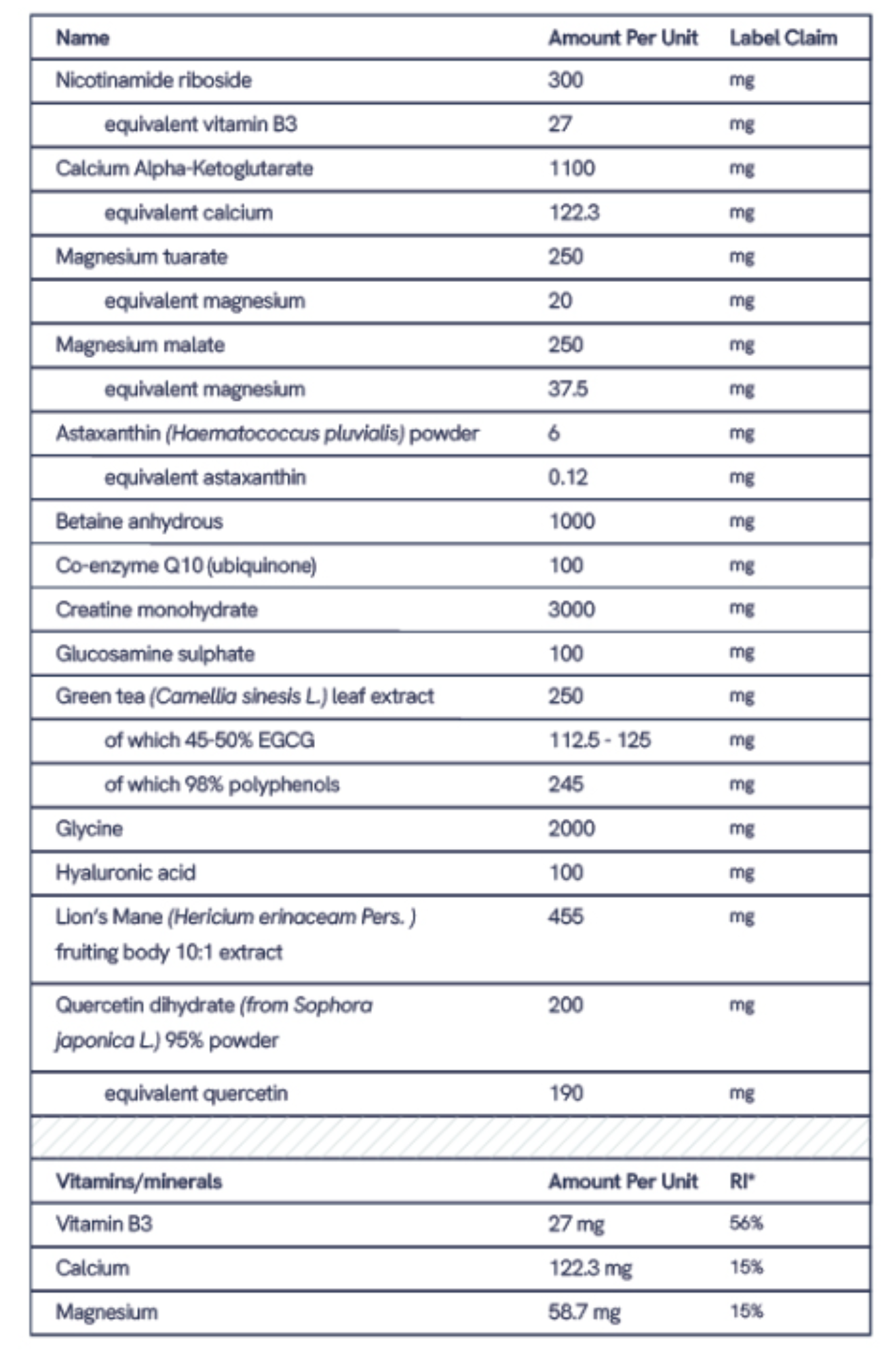
Contrast therapy and nutrition work through different mechanisms and are not mutually exclusive. Magnesium contributes to normal muscle function and is involved in the energy metabolism pathways that support exercise recovery — this is an EFSA-approved claim. Creatine increases physical performance in successive bouts of short-term, high-intensity exercise at 3g/day — another EFSA-approved claim. These nutritional strategies address cellular energy and metabolic support, while contrast therapy primarily works at the level of circulation and thermoregulation. Used together, they address recovery through complementary pathways.
References
- Hamlin MJ. The effect of contrast temperature water therapy on repeated sprint performance. J Sci Med Sport. 2007;10(6):398-402. doi: 10.1016/j.jsams.2007.01.002. View on PubMed ↗
- Higgins TR, Greene DA, Baker MK. Effects of cold water immersion and contrast water therapy for recovery from team sport: a systematic review and meta-analysis. J Strength Cond Res. 2017;31(5):1443-1460. doi: 10.1519/JSC.0000000000001559. View on PubMed ↗
- Laukkanen T, Khan H, Zaccardi F, Laukkanen JA. Association between sauna bathing and fatal cardiovascular and all-cause mortality events. JAMA Intern Med. 2015;175(4):542-548. doi: 10.1001/jamainternmed.2014.8187. View on PubMed ↗
- Moore E, Fuller JT, Buckley JD, Saunders S, Halson SL, Broatch JR, Bellenger CR. Impact of cold-water immersion compared with passive recovery following a single bout of strenuous exercise on athletic performance in physically active participants: a systematic review with meta-analysis and meta-regression. Sports Med. 2022;52(7):1667-1688. doi: 10.1007/s40279-022-01644-9. View on PubMed ↗
- Bieuzen F, Bleakley CM, Costello JT. Contrast water therapy and exercise induced muscle damage: a systematic review and meta-analysis. PLoS One. 2013;8(4):e62356. doi: 10.1371/journal.pone.0062356. View on PubMed ↗
- Morton RH. Contrast water immersion hastens plasma lactate decrease after intense anaerobic exercise. J Sci Med Sport. 2007;10(6):467-70. doi: 10.1016/j.jsams.2006.09.004. View on PubMed ↗
- Laukkanen T, Kunutsor SK, Khan H, Willeit P, Zaccardi F, Laukkanen JA. Sauna bathing is associated with reduced cardiovascular mortality and improves risk prediction in men and women: a prospective cohort study. BMC Med. 2018;16(1):219. doi: 10.1186/s12916-018-1198-0. View on PubMed ↗
Disclaimer: Educational content only. Not medical advice. Supplements are not intended to diagnose, treat, cure, or prevent any disease. Consult a qualified healthcare professional if you have a medical condition or take medication.