Key Takeaways
- Vitamin D functions as a prohormone, influencing over 200 genes involved in immune regulation, calcium metabolism, and cell growth.1
- A pooled analysis of 7.9 million participants across 81 countries found that approximately 48% had serum 25(OH)D levels below 50 nmol/L, a commonly used threshold for insufficiency.2
- Among older adults specifically, a meta-analysis estimated the prevalence of vitamin D deficiency (below 50 nmol/L) at approximately 60%.3
- An individual participant data meta-analysis of 25 RCTs (11,321 participants) found that vitamin D supplementation was associated with a reduced risk of acute respiratory tract infection, with the strongest effects seen in those with baseline levels below 25 nmol/L.4
- Combined supplementation with vitamin D (400-800 IU/day) and calcium (1,000-1,200 mg/day) was associated with a 6% reduced risk of any fracture and a 16% reduced risk of hip fracture in a meta-analysis of six RCTs.5
- Vitamin D contributes to normal immune function, maintenance of normal bones, normal muscle function, and the process of cell division (EFSA-approved claims).
- Vitamin D3 (cholecalciferol) is the preferred supplemental form, and blood testing for 25(OH)D is the standard method to assess vitamin D status.
Vitamin D: More Than a Vitamin
Despite its name, vitamin D functions more like a hormone than a traditional vitamin. It is synthesised in the skin when exposed to ultraviolet B (UVB) radiation from sunlight. A precursor molecule, 7-dehydrocholesterol, is converted to pre-vitamin D3, which then undergoes two hydroxylation steps: first in the liver to form 25-hydroxyvitamin D (25(OH)D, also called calcidiol), and then in the kidneys to produce the biologically active form, 1,25-dihydroxyvitamin D (calcitriol).1
The circulating level of 25(OH)D is the standard biomarker used to assess vitamin D status. While definitions vary between organisations, the commonly referenced thresholds are: below 30 nmol/L (12 ng/mL) is considered deficient by most guidelines, below 50 nmol/L (20 ng/mL) is considered insufficient by the Endocrine Society, and 75 nmol/L (30 ng/mL) or above is considered sufficient by some expert bodies.6
Vitamin D receptors (VDRs) have been identified in nearly every tissue in the body, including immune cells, muscle fibres, bone cells, and brain tissue. This widespread distribution helps explain why vitamin D status has been studied in relation to a broad range of biological processes beyond its classical role in calcium and bone metabolism.1
Despite our ability to produce vitamin D from sunlight, deficiency remains remarkably common worldwide. A 2023 pooled analysis of 308 studies covering 7.9 million participants from 81 countries found that approximately 48% had serum 25(OH)D below 50 nmol/L.2 The prevalence was higher in northern latitudes, during winter and spring months, in women, and in older populations. Among the elderly specifically, a meta-analysis estimated that nearly 60% had levels below this threshold.3
Several factors contribute to deficiency risk: limited sun exposure (due to latitude, season, indoor lifestyles, or sunscreen use), darker skin pigmentation (which reduces UVB-driven synthesis), ageing (which reduces the skin's capacity to produce vitamin D), obesity (vitamin D is sequestered in fat tissue), and certain medications. Dietary sources alone rarely provide sufficient vitamin D; few foods naturally contain meaningful amounts, with the exceptions being fatty fish, egg yolks, and fortified products.
Vitamin D and Immune Function
Vitamin D plays a role in both innate and adaptive immunity. Immune cells, including macrophages, dendritic cells, and T lymphocytes, express vitamin D receptors and the enzyme needed to convert 25(OH)D into its active form locally within immune tissue. This local activation allows vitamin D to modulate immune responses at the site of infection or inflammation.1
According to EFSA, vitamin D contributes to the normal function of the immune system. This approved claim is based on the established role of vitamin D in supporting immune cell function.
The most extensively studied immune-related outcome for vitamin D supplementation is acute respiratory tract infection (ARTI). A landmark 2017 individual participant data (IPD) meta-analysis by Martineau and colleagues pooled data from 25 randomised controlled trials involving 11,321 participants. The analysis found that vitamin D supplementation reduced the overall risk of experiencing at least one ARTI (adjusted odds ratio 0.88, 95% CI 0.81-0.96). The protective effect was strongest in individuals with baseline 25(OH)D levels below 25 nmol/L (adjusted OR 0.30) and in those receiving daily or weekly doses rather than large infrequent bolus doses.4
An updated 2021 aggregate data meta-analysis of 43 RCTs (48,488 participants) confirmed a modest overall protective effect (OR 0.92, 95% CI 0.86-0.99).7 However, the most recent 2025 update, incorporating additional large trials in mostly vitamin D-replete populations, found that the confidence interval now includes 1.00 (OR 0.94, 95% CI 0.88-1.00, p=0.057), indicating the overall effect is no longer statistically significant at conventional thresholds.8
The pattern across these analyses is consistent: vitamin D supplementation appears most beneficial for immune-related outcomes in individuals who are genuinely deficient. In those who already have adequate levels, additional supplementation shows limited benefit. This distinction is important for understanding who is most likely to respond to supplementation.
It is essential to state clearly that vitamin D supplementation is not a substitute for vaccination, hygiene measures, or any other established approach to infection prevention. The EFSA-approved claim refers to the contribution of vitamin D to normal immune function, not to the prevention of specific infections.
Vitamin D, Calcium, and Bone Health
The classical and best-established role of vitamin D is in calcium and phosphorus metabolism. Vitamin D promotes the intestinal absorption of calcium; without adequate vitamin D, only 10-15% of dietary calcium is absorbed, compared with 30-40% when vitamin D status is sufficient. This has direct consequences for bone mineralisation and density.1
According to EFSA, several nutrients contribute to the maintenance of normal bones: vitamin D, vitamin K, calcium, magnesium, and zinc. Vitamin D also contributes to normal absorption and utilisation of calcium and phosphorus, and to the maintenance of normal blood calcium levels.
A comprehensive 2020 meta-analysis examined both observational data and RCT evidence on vitamin D and fracture risk. In observational studies (39,141 participants), each 10 ng/mL increase in 25(OH)D was associated with a 7% lower risk of any fracture and a 20% lower risk of hip fracture. When looking at intervention trials, vitamin D supplementation alone did not significantly reduce fracture risk. However, combined supplementation with vitamin D (400-800 IU/day) and calcium (1,000-1,200 mg/day) was associated with a 6% reduction in any fracture and a 16% reduction in hip fracture across six RCTs involving 49,282 participants.5
A National Osteoporosis Foundation meta-analysis of eight RCTs (30,970 participants) similarly concluded that calcium plus vitamin D supplementation produced a statistically significant 15% reduced risk of total fractures and a 30% reduced risk of hip fractures.9
The synergy between vitamin D and vitamin K2 has attracted research interest. Vitamin K contributes to the maintenance of normal bones (EFSA-approved claim) and is involved in the activation of osteocalcin, a protein that helps bind calcium into bone matrix. While the theoretical basis for combining vitamins D3 and K2 is sound, the clinical evidence from human RCTs specifically on this combination and fracture outcomes remains limited. Both nutrients are well supported individually by EFSA claims for bone health.
Dosing, Testing, and Supplementation Strategy
Vitamin D supplementation is available in two forms: vitamin D3 (cholecalciferol, derived from animal sources or lichen) and vitamin D2 (ergocalciferol, derived from fungi). Human studies have consistently shown that D3 is more effective at raising and maintaining serum 25(OH)D levels than D2, making it the preferred form for supplementation.6
Recommended intakes vary by organisation and population group. The Institute of Medicine (IOM) recommends 600 IU/day for adults up to age 70 and 800 IU/day for those over 70. The Endocrine Society suggests that 1,500-2,000 IU/day may be needed to maintain 25(OH)D above 75 nmol/L in adults. The tolerable upper intake level (UL) is set at 4,000 IU/day for adults by the IOM, though some expert groups consider intakes up to 10,000 IU/day safe in the short term.
Blood testing for 25(OH)D is the most reliable way to determine individual vitamin D status and guide supplementation. Given the wide variation in individual responses to supplementation (influenced by body weight, skin pigmentation, baseline status, and genetic factors), a one-size-fits-all dosing approach has limitations. Testing is particularly relevant for individuals at higher risk of deficiency, including older adults, those with limited sun exposure, individuals with darker skin, and people who are obese.
Because vitamin D is fat-soluble, it is best absorbed when taken with a meal containing dietary fat. Daily or weekly supplementation regimens have shown more consistent benefits than infrequent large bolus doses in the immune function research.4
Vitamin D toxicity is rare but can occur with very high doses taken over extended periods, leading to hypercalcaemia (elevated blood calcium). Symptoms may include nausea, weakness, and kidney issues. Toxicity has not been reported from sun exposure or food sources, only from excessive supplementation. Staying within recommended dosing ranges and testing periodically is a sensible approach.
Longevity Complete: Vitamin D in Context
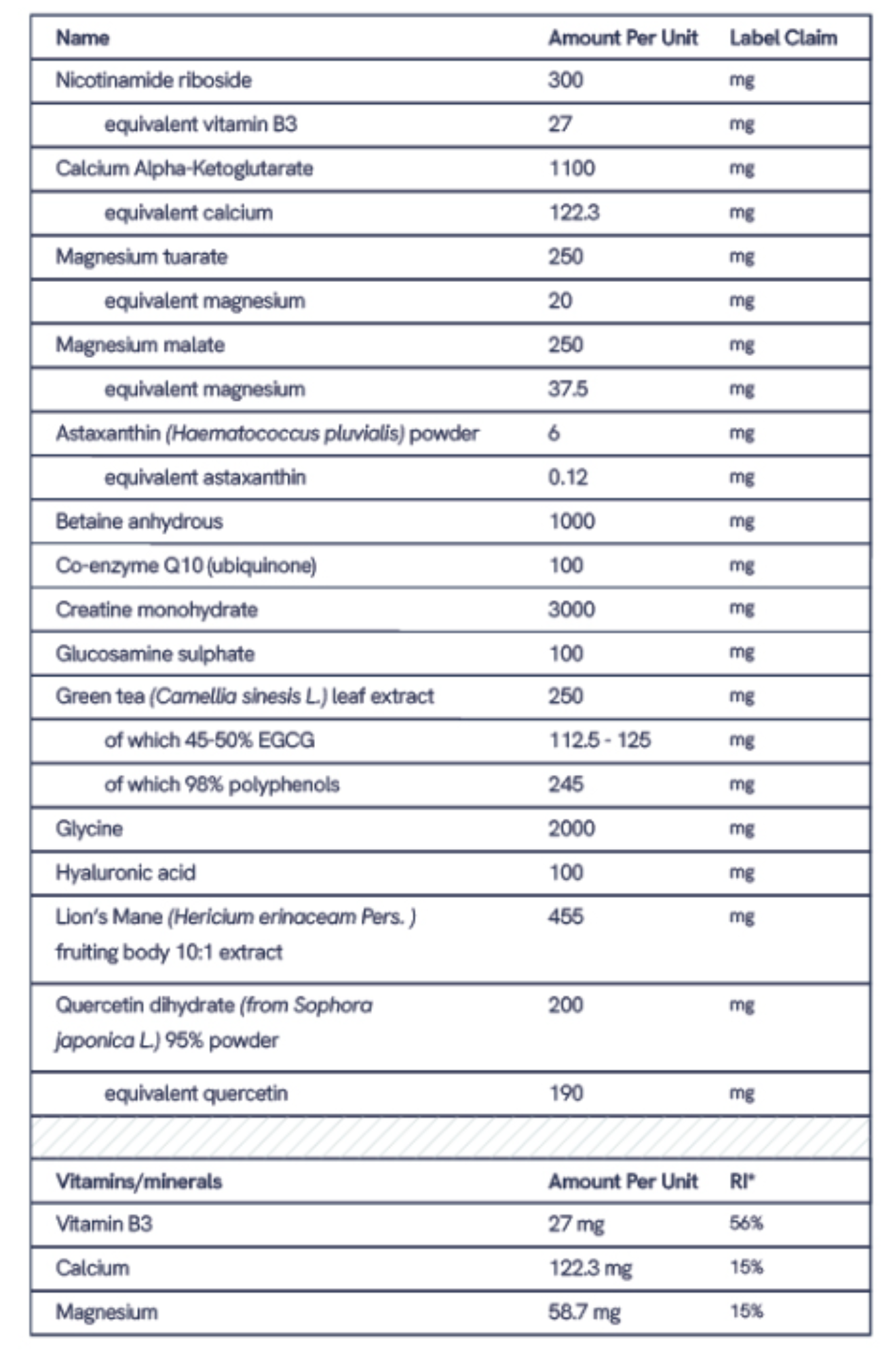
Longevity Complete includes vitamin D as part of its formulation, reflecting the nutrient's broad relevance to healthy ageing. Within this product, vitamin D works alongside calcium, magnesium, zinc, and vitamin K, all of which have EFSA-approved claims for the maintenance of normal bones. The inclusion of vitamin C, vitamin B6, B12, folate, zinc, and selenium supports the broader immune function picture, as each of these nutrients contributes to normal immune function according to EFSA.
As with all Longevity Store products, Longevity Complete undergoes third-party testing with a Certificate of Analysis (COA) available. Independent verification is conducted by Eurofins laboratory, and the product holds NZVT doping-free certification.
Questions and Answers
Why is vitamin D considered important for longevity?
Vitamin D contributes to the normal function of the immune system, maintenance of normal bones, normal muscle function, and the process of cell division (EFSA-approved claims). These are all processes that are relevant to healthy ageing. Deficiency becomes more common with age and is associated with unfavourable outcomes in observational studies.3
How common is vitamin D deficiency?
A global pooled analysis of nearly 8 million participants found that approximately 48% had 25(OH)D levels below 50 nmol/L.2 In older adults, the prevalence is even higher, estimated at around 60%.3 Northern latitudes, winter months, darker skin, and limited sun exposure are significant risk factors.
Does vitamin D supplementation support immune function?
Vitamin D contributes to normal immune function (EFSA-approved claim). A major IPD meta-analysis of 25 RCTs found that supplementation reduced the risk of acute respiratory tract infection, with the strongest benefit observed in those with the lowest baseline vitamin D levels.4 However, more recent updates suggest the overall effect may be modest, particularly in vitamin D-replete populations.8
Does vitamin D alone prevent fractures?
The evidence suggests that vitamin D alone does not significantly reduce fracture risk. However, combined supplementation with vitamin D and calcium has been associated with a meaningful reduction in fracture risk, particularly hip fractures, in several meta-analyses.5,9 This supports the synergistic relationship between these nutrients for bone health.
What is the difference between vitamin D2 and D3?
Vitamin D3 (cholecalciferol) is the form produced by the skin and found in animal-derived foods. Vitamin D2 (ergocalciferol) comes from plant and fungal sources. Research indicates that D3 is more effective at raising and sustaining serum 25(OH)D levels, making it the generally recommended supplemental form.6
How much vitamin D should I take?
Recommendations range from 600-800 IU/day (IOM) to 1,500-2,000 IU/day (Endocrine Society) for adults, depending on age and risk factors. Blood testing for 25(OH)D is the most reliable way to determine your individual needs. Consult a healthcare professional for personalised guidance, especially if you are at risk of deficiency.
Should I take vitamin D with vitamin K?
Vitamin K contributes to the maintenance of normal bones (EFSA-approved claim) and is involved in the activation of proteins that direct calcium into bone. While the theoretical basis for combining D3 and K2 is well-supported, the clinical trial evidence on this specific combination and long-term bone outcomes remains limited. Both nutrients are individually supported by EFSA claims for bone health.
Can I get enough vitamin D from sunlight alone?
In theory, yes, but in practice it is difficult for many people. Factors including latitude (above approximately 35 degrees north or south), season, time of day, skin pigmentation, sunscreen use, clothing, and age all influence cutaneous vitamin D synthesis. During winter months in northern latitudes, UVB intensity is insufficient to produce meaningful amounts of vitamin D in the skin.2
Is vitamin D safe to supplement long-term?
At doses within recommended ranges (up to 4,000 IU/day for adults), vitamin D3 supplementation has an excellent safety profile. Toxicity is rare and typically associated with very high doses (above 10,000 IU/day) taken over extended periods. The meta-analyses examining vitamin D supplementation have consistently found no increase in serious adverse events.4,8
Who is at highest risk of vitamin D deficiency?
Older adults, individuals with darker skin pigmentation, those living at northern latitudes, people who spend most of their time indoors, individuals who are obese, and those taking medications such as glucocorticoids or anticonvulsants are at elevated risk. Women are also more likely to be deficient than men, according to global survey data.2,10
Frequently Asked Questions
What does vitamin D do in the body?
Vitamin D functions as a prohormone that regulates calcium absorption, bone mineralisation, immune cell function, muscle function, and cell division. Receptors for vitamin D are found in nearly every tissue in the body.1 According to EFSA, vitamin D contributes to the normal function of the immune system, maintenance of normal bones, and normal muscle function.
How do I know if I am vitamin D deficient?
The standard method is a blood test measuring serum 25-hydroxyvitamin D (25(OH)D). Levels below 50 nmol/L (20 ng/mL) are generally considered insufficient. Given that deficiency is common and often asymptomatic, testing is recommended for individuals at elevated risk, including older adults and those with limited sun exposure.6
What is the best form of vitamin D supplement?
Vitamin D3 (cholecalciferol) is the preferred form based on human research showing it is more effective than D2 (ergocalciferol) at raising and maintaining blood levels of 25(OH)D.6 Take it with a meal containing fat to optimise absorption.
Does vitamin D support bone health?
Yes. Vitamin D is essential for calcium absorption and bone mineralisation. Combined vitamin D and calcium supplementation has been associated with reduced fracture risk in meta-analyses of RCTs, particularly in older adults.5,9 Vitamin D, vitamin K, calcium, magnesium, and zinc all contribute to the maintenance of normal bones (EFSA-approved claims).
Can vitamin D help prevent infections?
Vitamin D contributes to normal immune function (EFSA-approved claim). Meta-analyses of RCTs have found that supplementation may reduce the risk of acute respiratory tract infections, particularly in individuals with low baseline vitamin D status.4 However, it is not a substitute for vaccination or other established prevention measures.
How much vitamin D is too much?
The tolerable upper intake level for adults is 4,000 IU/day according to the Institute of Medicine. Toxicity is rare and typically occurs only at doses well above 10,000 IU/day taken over prolonged periods. Symptoms of toxicity include elevated blood calcium, nausea, and kidney problems. Periodic blood testing can help ensure safe and effective dosing.
References
- Martineau AR, Jolliffe DA, Hooper RL, et al. Vitamin D supplementation to prevent acute respiratory tract infections: individual participant data meta-analysis. Health Technol Assess. 2019;23(2):1-44. View on PubMed ↗
- Cui A, Zhang T, Xiao P, et al. Global and regional prevalence of vitamin D deficiency in population-based studies from 2000 to 2022: A pooled analysis of 7.9 million participants. Front Nutr. 2023;10:1070808. View on PubMed ↗
- Moghadami M, Aghajani F, Pirbonyeh N, et al. The Global Prevalence of Vitamin D Deficiency in the Elderly: A Meta-analysis. Indian J Orthop. 2024;58(3):298-310. View on PubMed ↗
- Martineau AR, Jolliffe DA, Greenberg L, et al. Vitamin D supplementation to prevent acute respiratory tract infections: systematic review and meta-analysis of individual participant data. BMJ. 2017;356:i6583. View on PubMed ↗
- Yao P, Bennett D, Mafham M, et al. Vitamin D and Calcium for the Prevention of Fracture: A Systematic Review and Meta-analysis. JAMA Netw Open. 2019;2(12):e1917789. View on PubMed ↗
- Amrein K, Scherkl M, Hoffmann M, et al. Vitamin D deficiency 2.0: an update on the current status worldwide. Eur J Clin Nutr. 2020;74(11):1498-1513. View on PubMed ↗
- Jolliffe DA, Camargo CA Jr, Sluyter JD, et al. Vitamin D supplementation to prevent acute respiratory infections: a systematic review and meta-analysis of aggregate data from randomised controlled trials. Lancet Diabetes Endocrinol. 2021;9(5):276-292. View on PubMed ↗
- Jolliffe DA, Camargo CA Jr, Sluyter JD, et al. Vitamin D supplementation to prevent acute respiratory infections: systematic review and meta-analysis of stratified aggregate data. Lancet Diabetes Endocrinol. 2025;13(4):307-320. View on PubMed ↗
- Weaver CM, Alexander DD, Boushey CJ, et al. Calcium plus vitamin D supplementation and risk of fractures: an updated meta-analysis from the National Osteoporosis Foundation. Osteoporos Int. 2016;27(1):367-376. View on PubMed ↗
- Liu X, Baylin A, Levy PD. Vitamin D deficiency and insufficiency among US adults: prevalence, predictors and clinical implications. Br J Nutr. 2018;119(8):928-936. View on PubMed ↗
Disclaimer: Educational content only. Not medical advice. Supplements are not intended to diagnose, treat, cure, or prevent any disease. Consult a qualified healthcare professional if you have a medical condition or take medication.